 English
 русский
 Français
 Español
 Deutsch
 عربى
عربى
Industry News

Content
Photochromic cycling eyewear adjusts lens tint according to surrounding light. Clear vision remains essential when riding through dusk, shaded stretches, or full darkness, where surface changes and obstacles must stay visible. A frequent concern centers on whether the lenses clear sufficiently for safe movement after sunset. Suitability hinges on how much light passes through in the lightest state, how the tint behaves under artificial sources, and the specific environment of the ride. Several practical points help determine whether such eyewear fits after-dark use.
Photochromic lenses alter tint when exposed to activating light. Stronger exposure generally darkens the lens, while reduced exposure allows it to lighten. The rate and degree of change depend on the materials and construction chosen for each design. Many versions react mainly to ultraviolet wavelengths, though certain formulations also respond to portions of visible light. Street lamps and vehicle headlights rarely supply the same activating energy found in daylight, so a lens that clears indoors does not always perform identically under every nighttime setting. The absence of strong ultraviolet sources can leave residual tint in place longer than expected, affecting how much ambient light reaches the eyes.
Visible light transmission describes the portion of available light that passes through a lens. Higher transmission supports clearer perception in dim surroundings. Checking the stated range for the lightest state of a given lens helps confirm whether residual color remains. A lens that holds noticeable tint reduces the already limited light available on dark routes and may prove unsuitable for those conditions. Lighting environments themselves vary widely. City streets with dense illumination differ sharply from dim suburban roads, unlit rural stretches, or poorly lit paths. Insufficient ambient light makes surface irregularities, debris, and obstacles harder to detect in time. Performance observed under bright urban lighting therefore cannot guarantee the same results on darker routes. Photochromic technology adapts well to shifting daylight, yet the change in tint does not create additional light or enhance visibility beyond what the surroundings and the lens itself permit. Assuming every photochromic design works for nighttime use overlooks these limits.
Adaptive lenses reduce the need to swap eyewear when light levels shift during a single outing. Routes that move between open sun and tree cover benefit from the automatic adjustment. Around dawn and dusk an appropriately responsive lens can moderate the transition between brighter and softer light, provided the lightest state has been verified for adequate transmission. Wraparound sports frames also limit wind, airborne particles, and small insects from reaching the eyes. Any ultraviolet blocking property rests on verified product claims rather than on the photochromic feature alone.
Photochromic action changes overall tint, while polarization filters certain reflected glare. The two functions operate independently. Polarization does not increase the total light available in dark surroundings and therefore does not improve basic visibility on unlit roads. In some designs the polarizing layer can also make certain digital displays more difficult to read. Combining both features does not automatically produce eyewear suited to every nighttime setting. Confirmation of the specific lens behavior under low light remains necessary.
Confirming the lightest state of the lens forms the starting point. Reliable information on light transmission supports the evaluation. Optical clarity with minimal distortion preserves accurate perception of the road surface. A secure frame fit and effective ventilation help limit fogging during cooler evening air. Stated protective properties against ultraviolet exposure and impact should be reviewed. Matching the eyewear to the predominant riding environment—daylight, twilight, illuminated streets, or fully dark roads—prevents mismatched expectations. When residual tint remains or nighttime performance stays uncertain, a clear lens verified for low-light conditions offers a more reliable alternative.
A functioning front light and rear light improve both the rider's view of the path and the ability of others to notice position. Reflective or high-visibility clothing increases detection distance under artificial light. Keeping lenses free of dirt and free of scratches maintains the clearest possible view. Reducing speed when light is limited provides additional reaction time for unexpected surface changes. Avoiding any remaining tint that further dims the scene prevents unnecessary loss of detail. Observing local cycling rules and the guidance supplied with the eyewear completes the basic precautions.
| Riding Environment | Ambient Light Level | Key Visibility Concern |
|---|---|---|
| Dense city streets | Relatively high | Reflections and moving traffic |
| Suburban roads | Moderate to low | Intermittent lighting gaps |
| Rural or country roads | Very low | Surface changes and unmarked obstacles |
| Unlit cycling paths | Minimal | Limited reaction distance |
| Partially shaded dusk | Variable | Rapid shifts between light and dark |
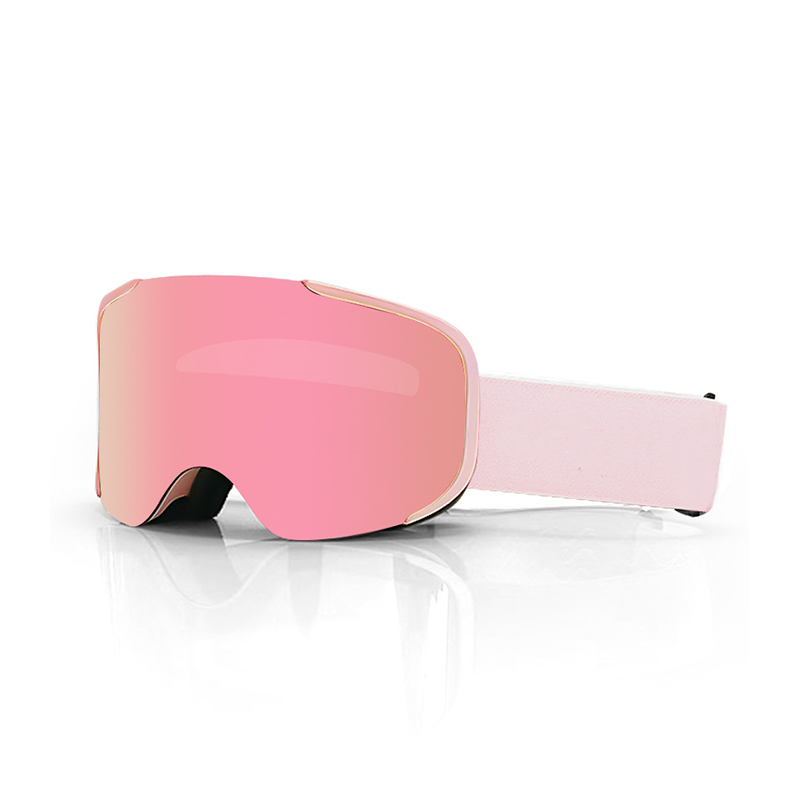
Certain photochromic designs may suit limited low-light situations when the lens reaches a sufficiently clear state and the surroundings supply enough ambient light. Not every model meets that standard for full nighttime use. Checking transmission in the lightest condition and testing actual performance under the intended conditions remains essential. Polarization alone does not improve suitability for dark routes. Sports Goggles for Cycling Photochromic Polarized provide one adaptive option among available eyewear, yet confirmation of each model's nighttime behavior is still required. Thinkey Optical Co., Ltd. produces a range of cycling eyewear that includes adaptive and clear-lens designs suited to varied light conditions. Reviewing the specific lens characteristics and matching them to the planned routes allows selection of eyewear that supports clear vision without introducing unnecessary tint after dark.
If you have any questions, please fill out the contact form at the bottom of the page and contact us.
Best selling Products
Best sellers, Globally Chosen
Contact
Let’s Work Together
© Thinkey Optical Co., Ltd.
Quick Links
Stay In Touch
Address:
611# Paimen Road DuQiao Town Linhai City Zhejiang China.
Phone:
0086-13788990737
Email:
Website

China Lenses and Eyeglass Factory
 Previous