 English
 русский
 Français
 Español
 Deutsch
 عربى
عربى
China Lens Vision Optical

If you have any questions, please fill out the contact form at the bottom of the page and contact us.
Normal Lens is standard, non-specialized lenses. Anti-reflective coatings can be selected, but no additional features such as photochromic or blue light blocking.

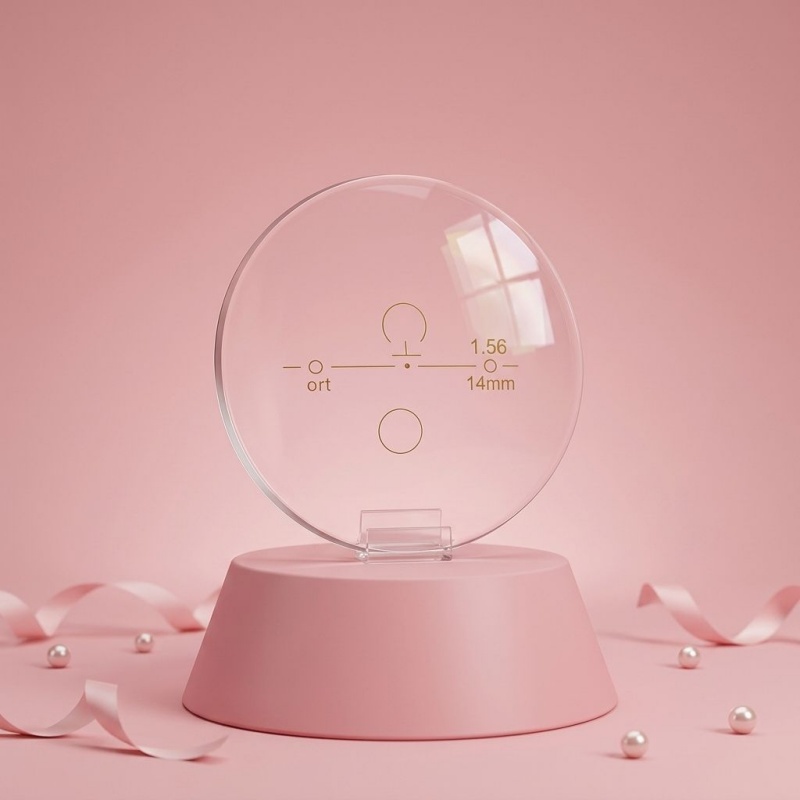
Photochromic cycling eyewear adjusts lens tint according to surrounding light. Clear vision remains essential when ridin...
READ MOREA supplier tells you their blue light protection lenses block 45% of blue light. Another offers 30%. The first quot...
READ MOREA pair of sunglasses may look simple when it's sitting on a table, but its structure becomes genuinely more interestin...
READ MOREEyewear has always had two important roles. It needs to support vision, but it is also something people wear every day...
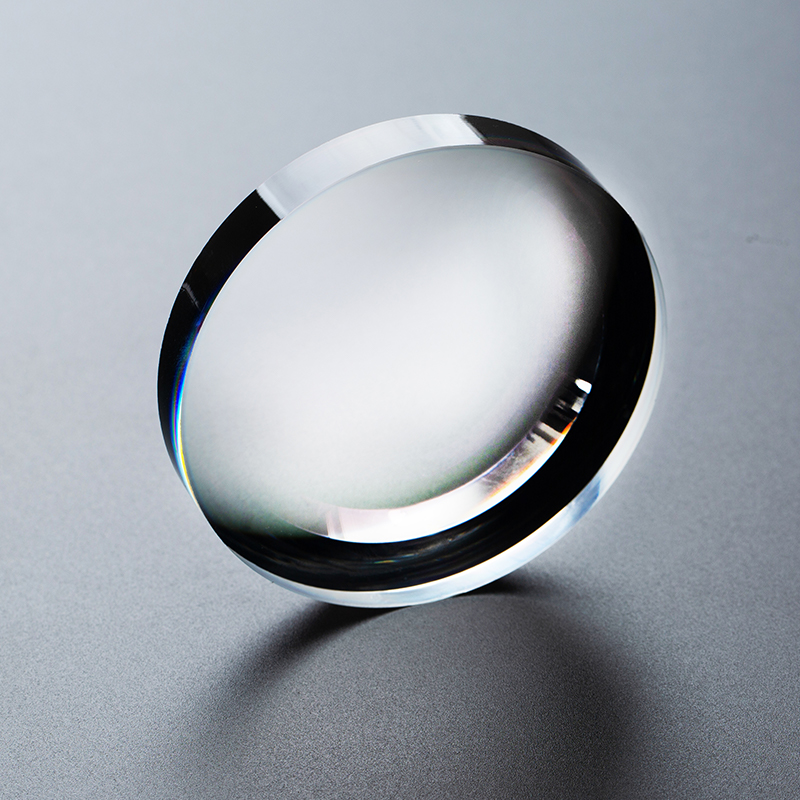
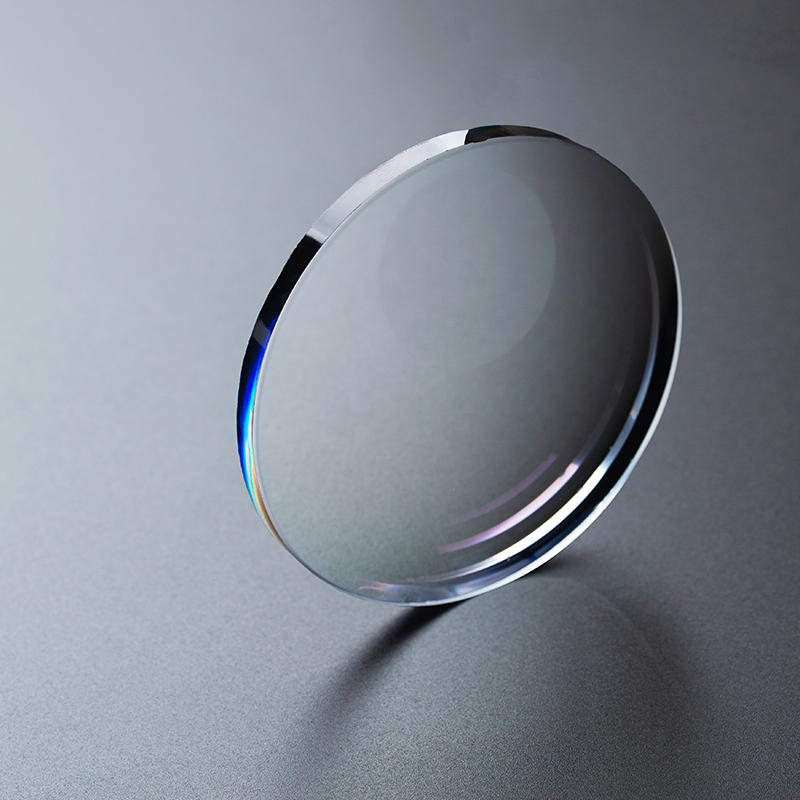
READ MOREA normal clear lens, typically made of standard plastic or uncoated glass, provides basic vision correction by bending light to compensate for refractive errors. However, its suitability depends on several individual factors and usage contexts.
Prescription Strength and Lens Thickness
For individuals with higher prescriptions, a normal clear lens made from standard materials may result in noticeable edge thickness. This can affect both aesthetics and comfort, as heavier lenses may cause frames to sit unevenly. High-index materials, which bend light more efficiently, are often recommended for stronger prescriptions to achieve a thinner, lighter profile. A normal clear lens is more suitable for lower prescriptions where thickness is less of a concern.
Lifestyle and Visual Demands
Normal clear lenses correct vision but do not address specific environmental challenges. Individuals who spend extended periods using digital devices may experience eye fatigue, as standard lenses do not filter blue light emitted by screens. Those who work outdoors or in brightly lit environments may find that uncoated lenses allow significant glare to reach the eyes, causing squinting and discomfort. For these situations, lenses with anti-reflective coating or blue light filtering may offer additional visual comfort.
UV Protection Requirements
Many standard clear lenses do not inherently block ultraviolet radiation. Prolonged UV exposure is associated with certain eye conditions. For individuals spending time outdoors, lenses that incorporate UV protection—either through the lens material or a applied coating—provide a safeguard that normal clear lenses may lack. This consideration becomes more relevant in regions with high ambient sunlight or for those with outdoor occupations.
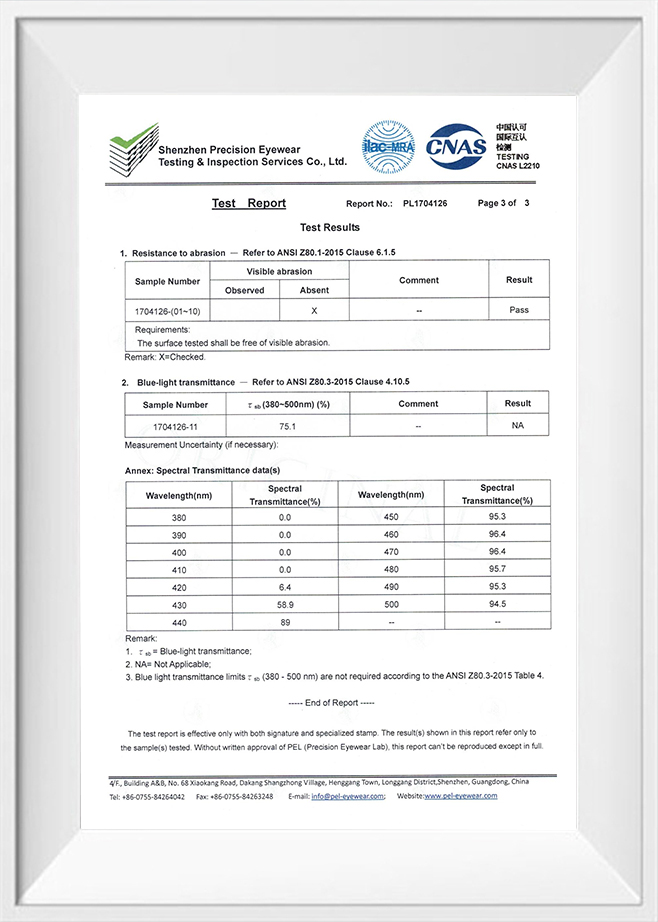
The susceptibility of optical lenses to scratching depends on the materials used in their construction and the presence of protective coatings. Different lens types exhibit varying levels of resistance to abrasion.
Material Composition and Hardness
Glass lenses, historically common, are relatively resistant to scratching due to the hardness of the material. However, they are heavier and can shatter upon impact. Standard plastic lenses, often made from CR-39, are softer than glass and more prone to surface scratches from everyday handling. High-index plastics, while offering thinner profiles for stronger prescriptions, can also be softer and require additional protection. Polycarbonate lenses, commonly used in children's eyewear and safety glasses, are impact-resistant but are among the softer materials and scratch more easily without a hard coating.
The Role of Hard Coatings
To address the inherent softness of many lens materials, manufacturers apply hard coatings to the lens surface. These coatings create a barrier that absorbs minor abrasions that would otherwise mark the bare lens. The effectiveness of these coatings varies, with some offering greater durability than others. Lenses described as "scratch-resistant" have typically received such a coating, though this term indicates reduced susceptibility rather than complete immunity to scratching.
Daily Handling and Cleaning Practices
Scratches often result from improper cleaning techniques. Wiping lenses with dry tissues, paper products, or clothing can trap dust particles against the surface, causing fine scratches. Similarly, exposing lenses to abrasive environments, such as placing them face-down on rough surfaces or storing them loose in bags with keys or coins, increases scratch risk. The frequency of cleaning and the materials used directly impact the rate at which scratches accumulate.
Pricing for optical lenses varies based on materials, coatings, and where they are purchased. The following estimates reflect general market ranges and may differ by retailer.
Blue HMC Glass Lenses benefit from specific handling practices to maintain their optical quality. While glass is more scratch-resistant than plastic, the multi-coating applied to the surface requires attention. Cleaning should be performed with a microfiber cloth and a lens cleaner that is compatible with coated lenses, avoiding ammonia-based products which can degrade the coating over time. Water rinsing before wiping removes particulate matter that could abrade the coating. Storage in a hard case when not in use protects both the lens edges and the coated surfaces from contact with other objects. With consistent, gentle care, these lenses can maintain their clarity for an extended period.
Contact
Let’s Work Together
© Thinkey Optical Co., Ltd.
Quick Links
Stay In Touch
Address:
611# Paimen Road DuQiao Town Linhai City Zhejiang China.
Phone:
0086-13788990737
Email:
Website

Blue HMC Glass Lens Price