
 English
 русский
 Français
 Español
 Deutsch
 عربى
عربى
Anti-fatigue Lens Progressive Supply



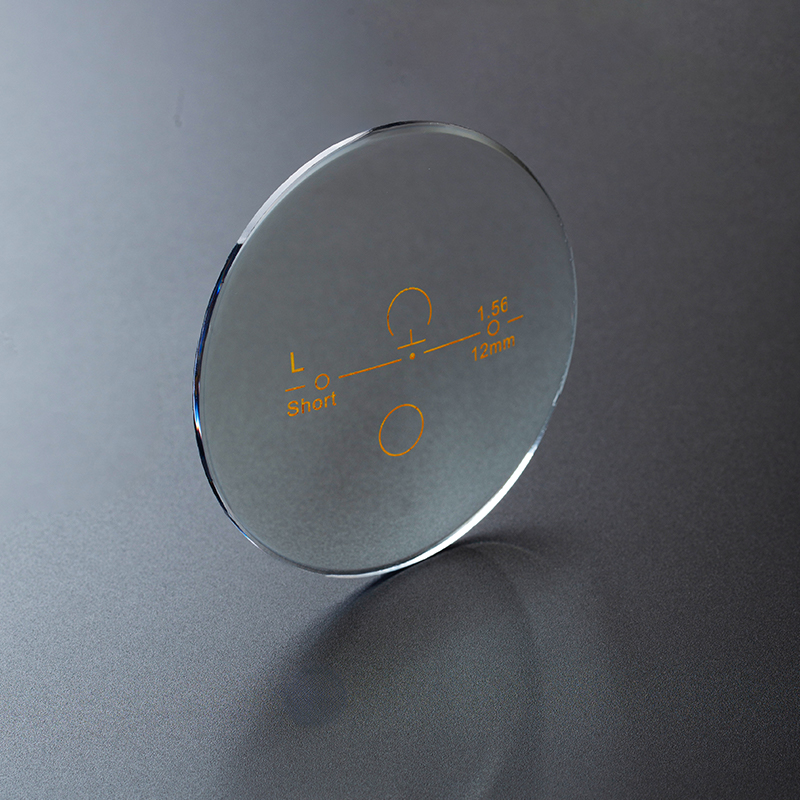
The way people use their eyes has changed. Screens are no longer limited to offices. They are in homes, in transit, and ...
READ MORE
When looking at near objects, lower diopters are used to reduce the accommodation of the lens and relax the ciliary muscles, thereby achieving the effect of relieving eye fatigue.

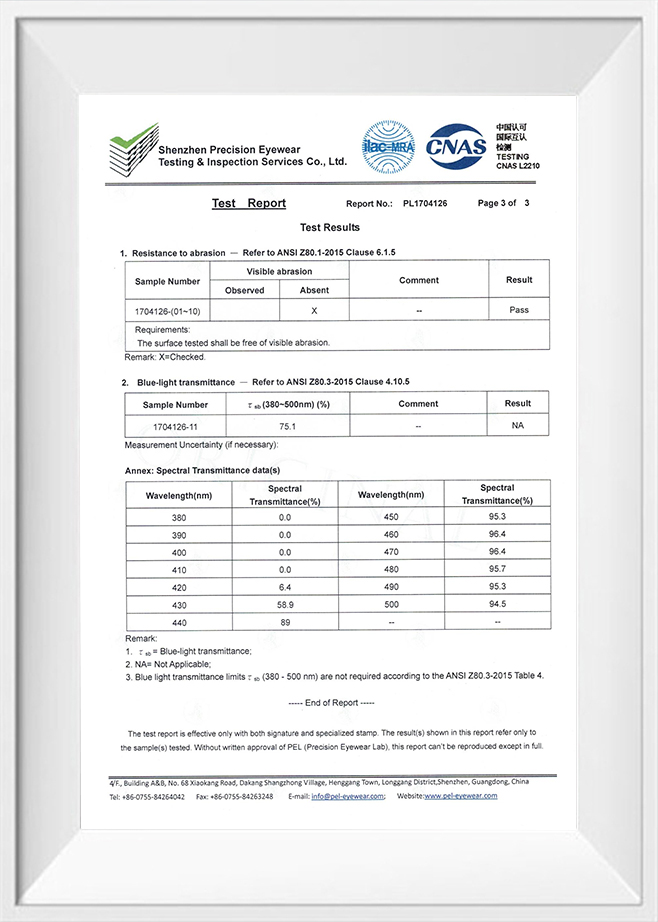
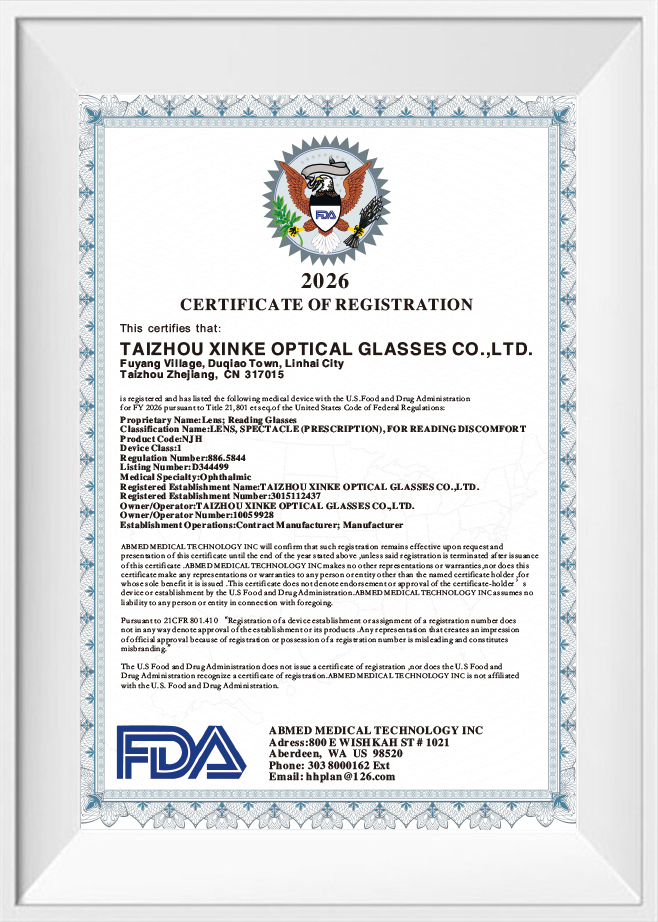
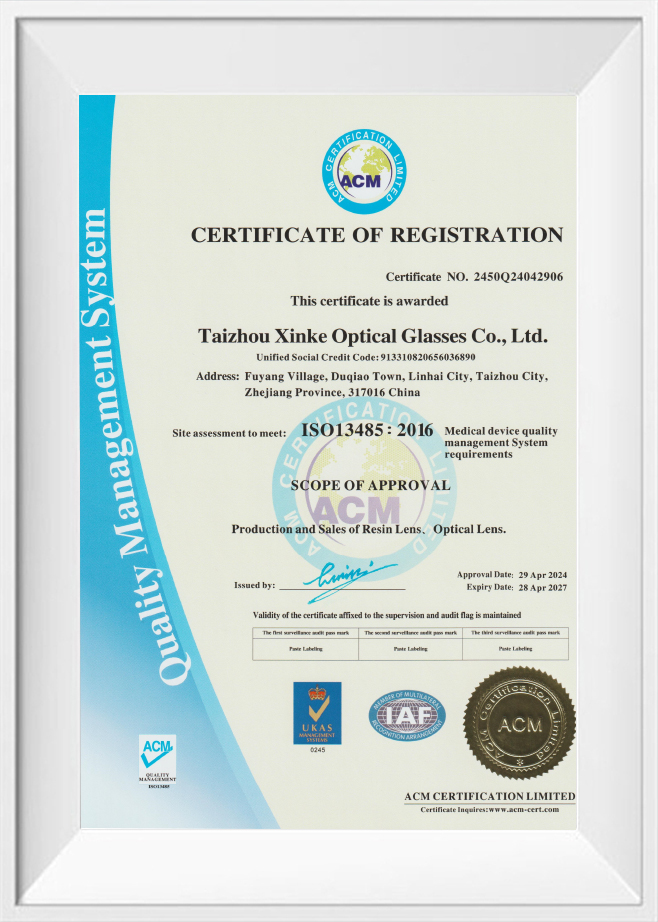
The way people use their eyes has changed. Screens are no longer limited to offices. They are in homes, in transit, and ...
READ MOREReading has changed in quiet but noticeable ways. It no longer happens in a single format. A person may start with a pri...
READ MOREIn many workspaces, screens stay on from morning until late evening. People move from laptops to phones without much pau...
READ MORETaizhou Xinke Optical Glasses Co., Ltd., a professional ODM progressive photochromic lenses exporter based in Duqiao Opt...
READ MOREAnti-fatigue lenses and regular single-vision lenses serve different purposes in addressing visual demands, particularly for individuals who experience strain during near-distance tasks.
Optical Design and Power Distribution
A regular single-vision lens provides one consistent corrective power across the entire lens surface. This design is suitable for seeing clearly at a specific distance, whether far, intermediate, or near. Anti-fatigue lenses incorporate a more complex design. They feature a primary zone for distance vision in the upper portion of the lens, with a gradual, slight increase in plus power in the lower section. This addition, typically between +0.40 and +0.60 diopters, is intended to provide slight relaxation to the eye muscles when focusing on near objects.
Intended User Profile
Regular single-vision lenses are appropriate for individuals who require correction for one primary viewing distance and do not experience significant visual fatigue. Anti-fatigue lenses are often recommended for younger adults, typically those in their twenties to forties, who spend considerable time on near tasks such as reading or using digital devices. These users may notice eye strain or discomfort after prolonged close work, even if their distance vision is adequately corrected.
Visual Experience During Near Tasks
With regular single-vision lenses, the eyes must exert full accommodative effort to maintain focus on near objects. Over extended periods, this continuous effort can contribute to sensations of tiredness or headaches. Anti-fatigue lenses are designed to reduce this accommodative demand slightly. The additional power in the lower zone provides a small amount of assistance, potentially allowing the eyes to work with less strain during tasks that require sustained near focus.
Green HMC refers to lenses treated with a hard multi-coating that produces a characteristic green reflection on the lens surface. This coating serves multiple purposes, including reducing glare and increasing light transmission. The following table outlines common types of lenses that may feature this coating.
|
Lens Type |
Primary Material |
Common Application |
Key Characteristic with Green HMC |
|
Single Vision Green HMC |
CR-39 Plastic or Polycarbonate |
Everyday distance or reading glasses |
Provides basic glare reduction and scratch resistance for general use |
|
Progressive Green HMC |
High-Index Plastic |
Presbyopia correction with distance, intermediate, and near zones |
Reduces reflections that can be distracting when moving between zones |
|
Photochromic Green HMC |
Glass or Plastic with photochromic molecules |
Outdoor and indoor versatility |
Coating adds durability to lenses that darken in sunlight |
|
Blue Cut Green HMC |
High-Index Plastic |
Digital device users |
Combines blue light filtering with anti-reflective properties of green coating |
|
Polarized Green HMC |
TAC or Polycarbonate |
Driving and outdoor activities |
Coating enhances visual clarity while polarized layer reduces glare |
|
Office/Occupational Green HMC |
Standard Plastic |
Intermediate and near tasks in work environments |
Coating reduces overhead lighting reflections during desk work |
|
Aspheric Green HMC |
High-Index Plastic |
Higher prescriptions requiring thinner profiles |
Coating complements the reduced distortion of aspheric design |
Evaluating the value of anti-fatigue progressive lenses requires consideration of individual visual habits, occupational demands, and personal comfort preferences.
Assess current visual discomfort levels. Individuals who experience regular eye strain, headaches, or difficulty concentrating after near work may find these lenses address an underlying source of fatigue. Those without such symptoms may not perceive a significant difference from standard lenses.
Consider daily screen time and near-work duration. For occupations or hobbies that involve hours of reading, computer use, or detailed close work, the slight power increase in the lower lens zone may provide measurable relief over the course of a day. Occasional near-task users may derive less benefit.
Evaluate age and accommodative reserve. Younger individuals with ample focusing ability may not require assistance, while those in the early stages of presbyopia, typically the late thirties to mid-forties, may find the added power postpones the need for more complex progressive lenses. The lenses are positioned to support a declining natural ability to focus.
Compare cost against standard single-vision lenses. Anti-fatigue lenses generally carry a higher price due to their more sophisticated design. The additional expense can be weighed against potential gains in comfort, productivity, and reduced visual fatigue during demanding tasks.
Contact
Let’s Work Together
© Thinkey Optical Co.,Ltd.
Quick Links
Stay In Touch
Address:
611# Paimen Road DuQiao Town Linhai City Zhejiang China.
Phone:
0086-13788990737
Email:
Website

Green HMC Eye Glasses Exporter