
 English
 русский
 Français
 Español
 Deutsch
 عربى
عربى
Bifocal Stock Lens Wholesale




The way people use their eyes has changed. Screens are no longer limited to offices. They are in homes, in transit, and ...
READ MORE
 1.56 Anti-Fog Lens Single Vision
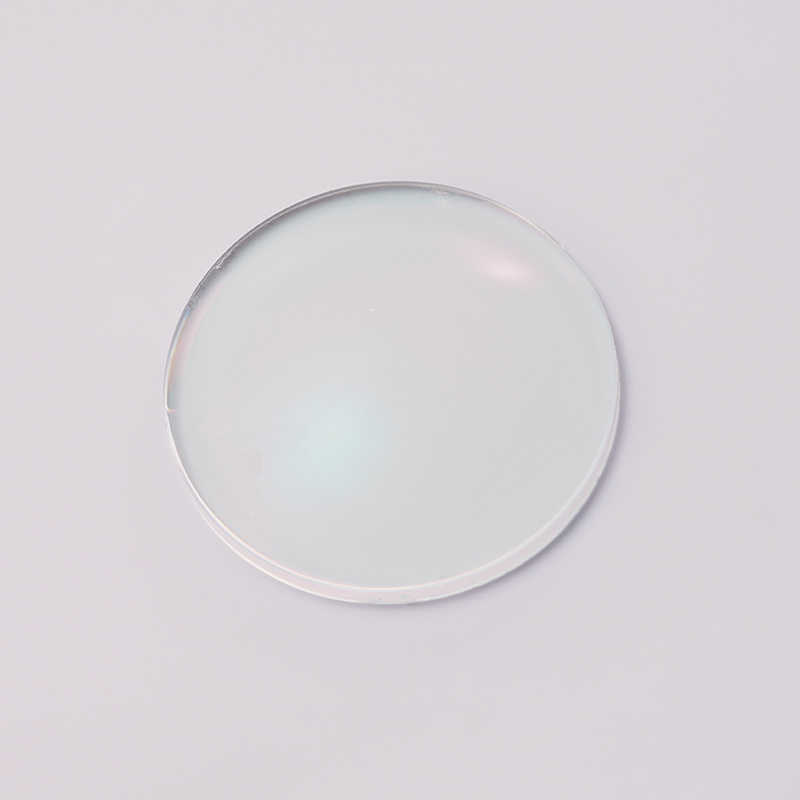 1.56 Blue Cut UV420 Round Top, Flat Top Invisible Bifocal UC, HC, HMC, SHMC
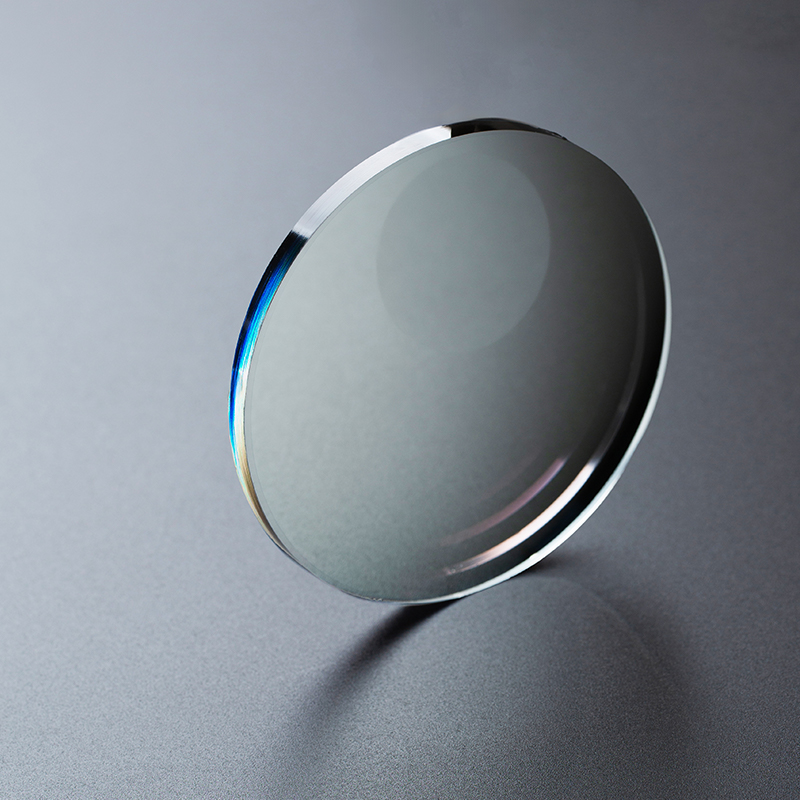 1.56 Photo Grey, Brown Blue Cut UV420 Round Top, Flat Top Invisible Bifocal UC, HC, HMC, SHMC
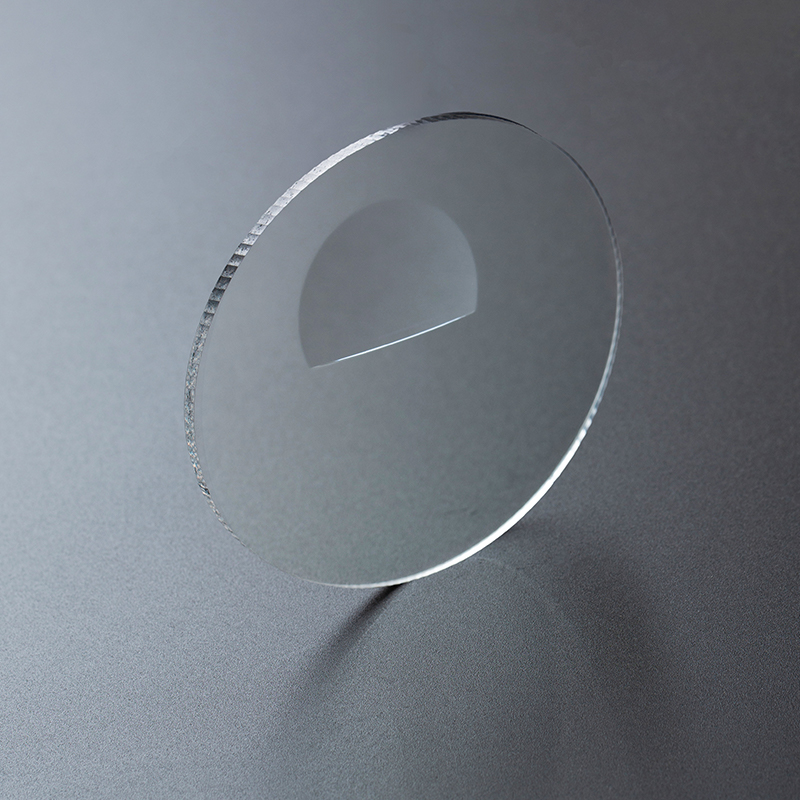 1.56 Photo Grey, Brown Round Top, Flat Top Invisible Bifocal
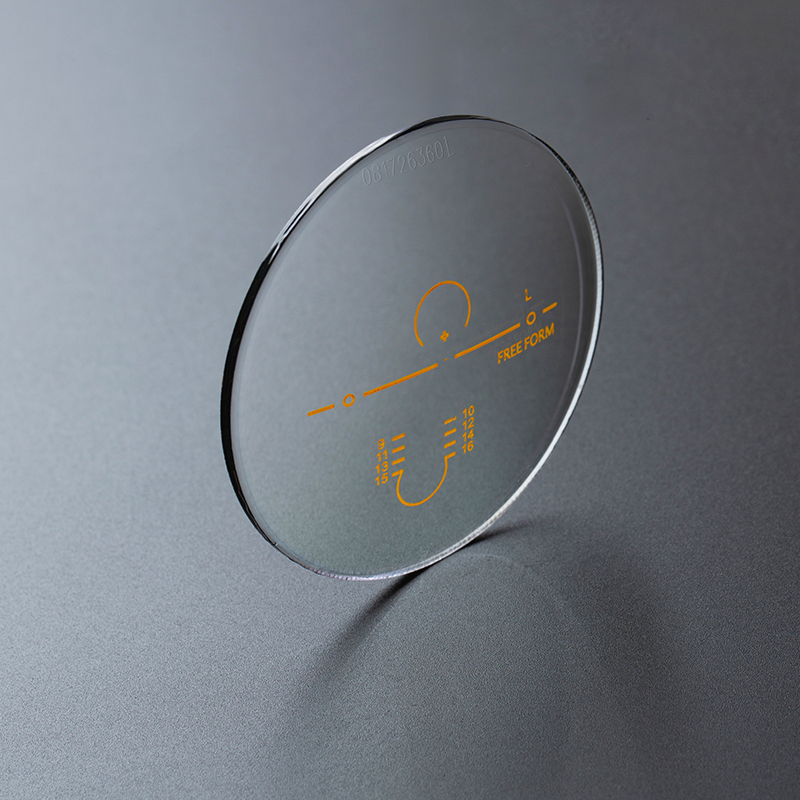 1.56 Beauty Thin Round Top, Flat Top Invisible Bifocal
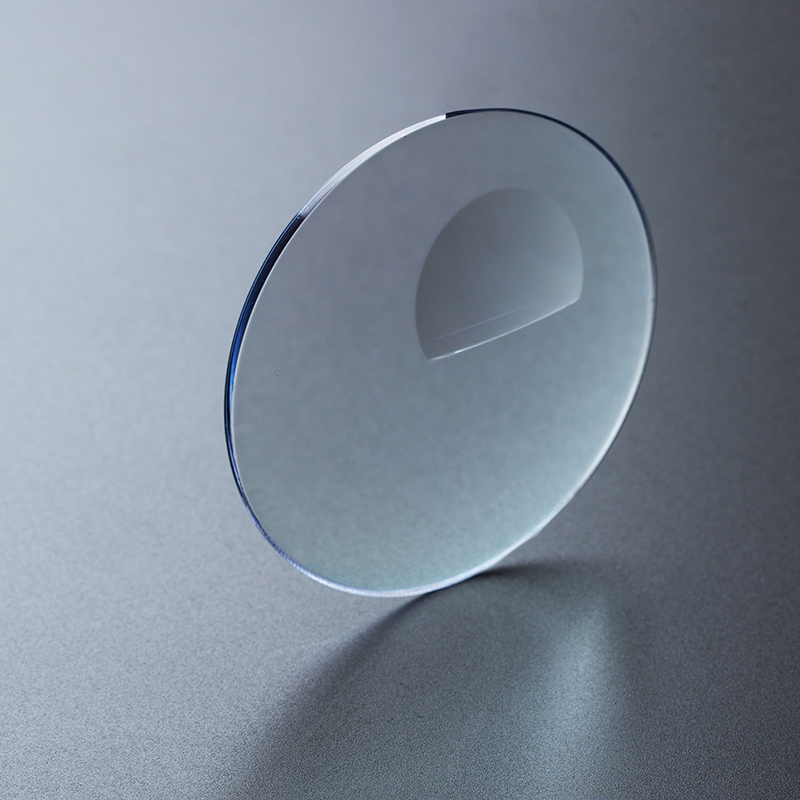 1.56 Round Top, Flat Top Invisible Bifocal
Bifocal lenses are lenses that integrate two different focal lengths: the upper half for distance vision and the lower half for near vision (usually reading distance), with a clear dividing line in between. They are used to simultaneously correct both near and far vision problems, such as presbyopia, or for teenagers who need to correct their near and far vision.
Advantages: A single lens solves both vision problems, making it convenient and quick.

The way people use their eyes has changed. Screens are no longer limited to offices. They are in homes, in transit, and ...
READ MOREReading has changed in quiet but noticeable ways. It no longer happens in a single format. A person may start with a pri...
READ MOREIn many workspaces, screens stay on from morning until late evening. People move from laptops to phones without much pau...
READ MORETaizhou Xinke Optical Glasses Co., Ltd., a professional ODM progressive photochromic lenses exporter based in Duqiao Opt...
READ MOREThe term RX refers to the prescription parameters that define the corrective power needed for an individual's vision. When combined with a bifocal design, the lens must accommodate multiple focal lengths within a single optical device.
The distance portion of the lens occupies the upper section and is ground to the patient's distance prescription. The near segment, typically located in the lower portion, contains an additional plus power—referred to as the "add"—that enables clear vision at reading distances. The total power in the near zone is the sum of the distance prescription and the add power.
Fitting bifocals requires additional clinical measurements. The segment height determines where the near portion is positioned relative to the pupil. This measurement ensures the wearer looks through the near zone when reading. Monocular pupillary distances, measured separately for each eye, are also necessary for accurate optical center placement.
Many prescriptions can be produced in bifocal form, though certain parameters may affect availability. Very high add powers, unusual prism requirements, or cylinder values may require special ordering or custom surfacing. The lens material also influences feasibility, as some materials are better suited to bifocal production than others.
Bifocal lenses are categorized by the method used to create the near segment and the visibility of the segment line. The following table outlines common bifocal types and their characteristics.
|
Bifocal Type |
Segment Shape |
Visibility |
Common Application |
Typical Segment Size |
|
Flat-Top (D-Segment) |
Straight top line, curved bottom, resembling the letter D |
Visible line across the segment top |
General-purpose bifocal wearers |
25mm, 28mm, 35mm widths |
|
Round Segment |
Small circular segment in the lower lens |
Visible circular line |
Specific occupational needs, limited field near vision |
22mm diameter typical |
|
Executive (Franklin) |
Full width of lens, dividing line across the entire lens |
Highly visible horizontal line |
near field, reading-intensive occupations |
Full lens width |
|
Curved Top |
Rounded upper edge blends into the distance |
Less distinct than flat-top |
Cosmetic preference, wearers desiring a less visible line |
25mm to 28mm widths |
|
Invisible (Ultex) |
Near segment blended into lens curvature |
Minimal visible demarcation |
Cosmetic preference, experienced wearers |
Varies by design |
|
Occupational Bifocal |
Segment positioned higher than standard |
Visible line |
Overhead work, specific task requirements |
Elevated segment height |
A bifocal stock lens is a finished lens held in inventory, requiring only edging to fit a selected frame. Understanding the characteristics of stock bifocals helps in setting appropriate expectations for availability and performance.
Prescription range limitations: Stock bifocal lenses are typically available for distance powers within a moderate range, often from -4.00 to +4.00. Cylinder corrections usually do not exceed -2.00. Add powers are commonly available from +1.00 to +3.00 in 0.25 diopter steps. Prescriptions outside these parameters generally require custom surfacing.
Segment height fixation: The near segment on a stock bifocal is positioned at a predetermined height, typically around 5mm below the lens center. This fixed position means the lens cannot accommodate unusual segment height requirements. Wearers needing higher or lower segment placement must consider custom lenses.
Material options: Common stock bifocal materials include CR-39 plastic, which accepts tinting readily, and polycarbonate, valued for impact resistance. Glass bifocal stock lenses are less common but available through some suppliers. Material choice affects weight, thickness, and tintability.
Coating availability: Some stock bifocals come with factory-applied hard coatings. Anti-reflective coatings may be applied after edging, depending on laboratory capabilities. Uncoated stock lenses offer flexibility for later coating selection but require additional processing time.
Contact
Let’s Work Together
© Thinkey Optical Co.,Ltd.
Quick Links
Stay In Touch
Address:
611# Paimen Road DuQiao Town Linhai City Zhejiang China.
Phone:
0086-13788990737
Email:
Website

Bifocal Lenses Exporter