 English
 русский
 Français
 Español
 Deutsch
 عربى
عربى
Blue Light Protection Eye Glasses Custom

If you have any questions, please fill out the contact form at the bottom of the page and contact us.
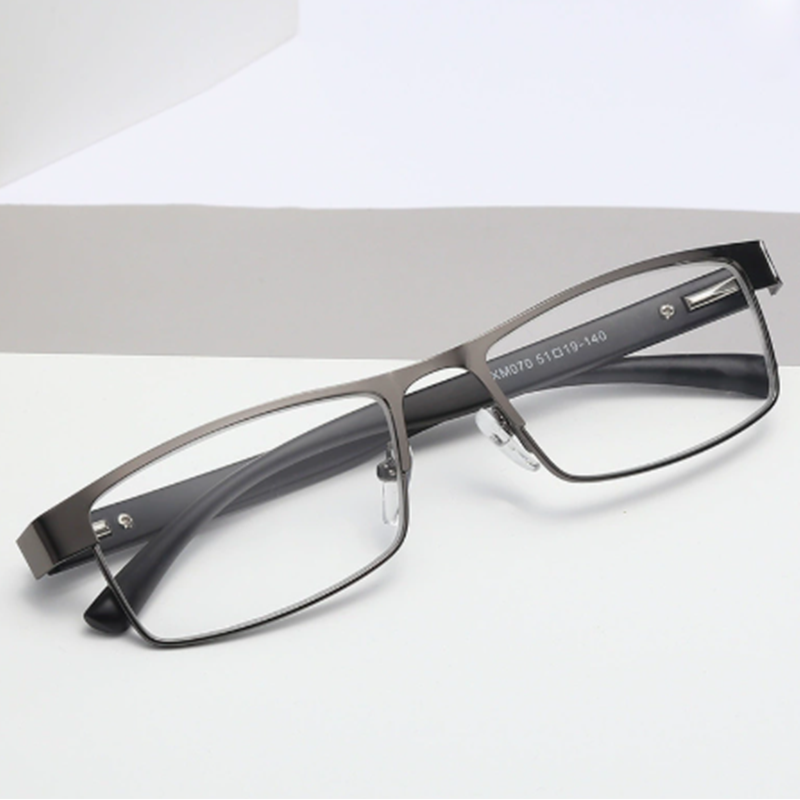
Metal ready-made reading glasses are designed for close-up tasks like reading, featuring fixed magnification lenses (e.g., +1.00 to +3.50). They require no prescription and are available for immediate use. The metal frames (often alloy) offer lightness and basic durability in classic styles. Ideal for temporary, convenient, and cost-effective use when vision needs are simple and consistent.

Photochromic cycling eyewear adjusts lens tint according to surrounding light. Clear vision remains essential when ridin...
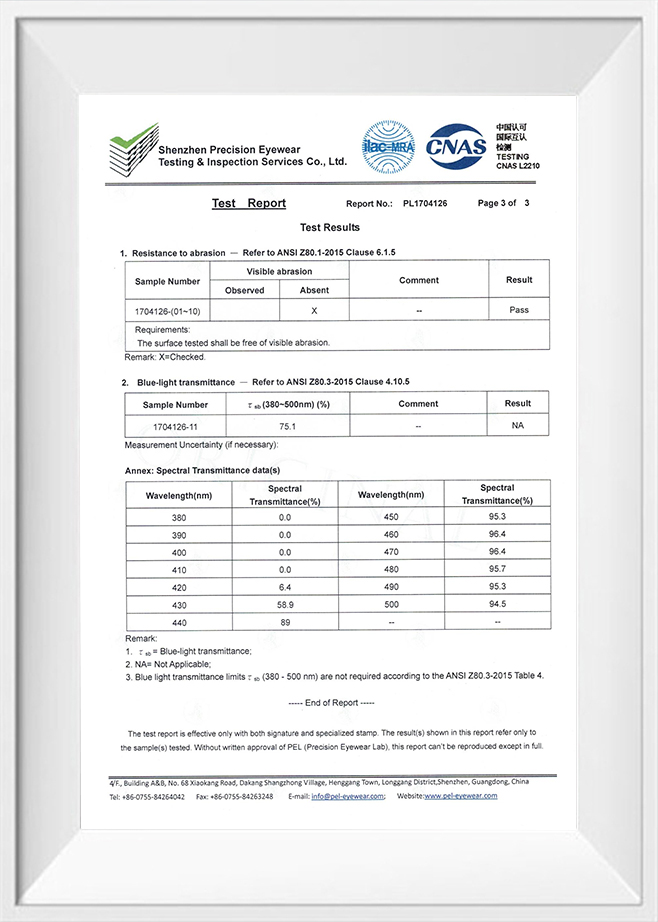
READ MOREA supplier tells you their blue light protection lenses block 45% of blue light. Another offers 30%. The first quot...
READ MOREA pair of sunglasses may look simple when it's sitting on a table, but its structure becomes genuinely more interestin...
READ MOREEyewear has always had two important roles. It needs to support vision, but it is also something people wear every day...
READ MOREMetal reading glasses are designed for near-vision tasks such as reading books, checking documents, or viewing smartphone screens. The use of metal in the frame structure gives the glasses a specific set of mechanical and aesthetic properties.
Frame Structure and Materials
Metal alloys: Frames are often made from stainless steel, aluminum alloys, or titanium blends. These materials provide structural strength while keeping the frame relatively lightweight.
Thin frame profiles: Metal can be formed into narrow shapes, allowing slim temples and bridge sections that sit lightly on the face.
Adjustable nose pads: Many metal frames include silicone or rubber nose pads attached to small metal arms. These can be adjusted to fit different nose shapes.
Practical Features for Daily Reading
Compact folding structure: Metal reading glasses are often designed with small hinges so the glasses can fold into compact cases.
Lightweight wearing experience: The thin material reduces the weight on the ears and nose during extended reading sessions.
Spring hinge options: Some models include flexible hinges that allow the temples to open slightly wider than standard frames.
Lens Compatibility
Single-vision reading lenses: Metal reading glasses typically use lenses designed for near-distance viewing.
Various magnification levels: Common magnification strengths range from +1.00 to +3.50 diopters depending on the user's reading needs.
Optional coatings: Anti-reflective or scratch-resistant coatings may be applied to improve lens durability and clarity.
Design and Style Considerations
Minimalist appearance: Thin metal frames create a simple visual profile suitable for office or daily wear.
Different shapes: Round, rectangular, and oval lens shapes are common in metal reading glasses.
Color finishes: Frame surfaces may be finished in silver, gold, black, or matte coatings.
Blue light protection eyeglasses are designed for individuals who spend long periods looking at digital screens such as computers, tablets, or smartphones. These glasses typically include lenses that filter portions of the blue light spectrum emitted by LED displays.
|
Feature |
Description |
|
Primary Function |
Blue light protection glasses are designed to reduce the amount of high-energy visible (HEV) blue light entering the eyes during screen use. |
|
Lens Technology |
The lenses may contain embedded filtering materials or surface coatings that absorb or reflect certain wavelengths of blue light. |
|
Typical Users |
Office workers, students, gamers, and people who frequently use digital devices may use these glasses during long screen sessions. |
|
Lens Appearance |
Some lenses appear nearly clear, while others show a faint yellow or amber tint depending on the filtering method used. |
|
Additional Coatings |
Many models include anti-reflective coatings to reduce glare from screens and indoor lighting. |
|
Frame Options |
Blue light lenses can be installed in metal frames, plastic frames, or lightweight composite materials. |
|
Usage Situations |
These glasses are commonly worn during computer work, online meetings, reading on tablets, or evening screen use. |
|
Maintenance |
Cleaning with microfiber cloths and lens-safe solutions helps maintain optical clarity and coating integrity. |
Progressive blue blocking glasses combine two optical functions: progressive lenses that provide multiple vision distances and blue light filtering technology designed for digital environments.
◉ Multi-Distance Vision Support
◉ Blue Light Filtering Capability
◉ Applications in Daily Activities
◉ Frame Compatibility
◉ Adaptation Period
Contact
Let’s Work Together
© Thinkey Optical Co., Ltd.
Quick Links
Stay In Touch
Address:
611# Paimen Road DuQiao Town Linhai City Zhejiang China.
Phone:
0086-13788990737
Email:
Website

Progressive Blue Blocking Glasses Design