
 English
 русский
 Français
 Español
 Deutsch
 عربى
عربى
OEM Progressive Multifocal Lenses

If you have any questions, please fill out the contact form at the bottom of the page and contact us.
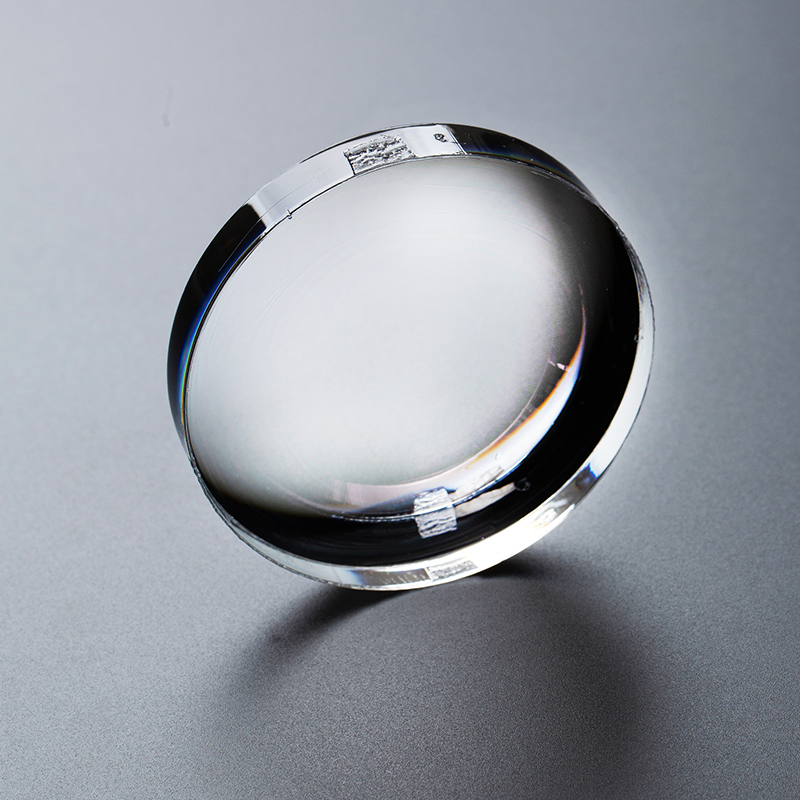 1.591PC Single Vision Polycarbonate Lens
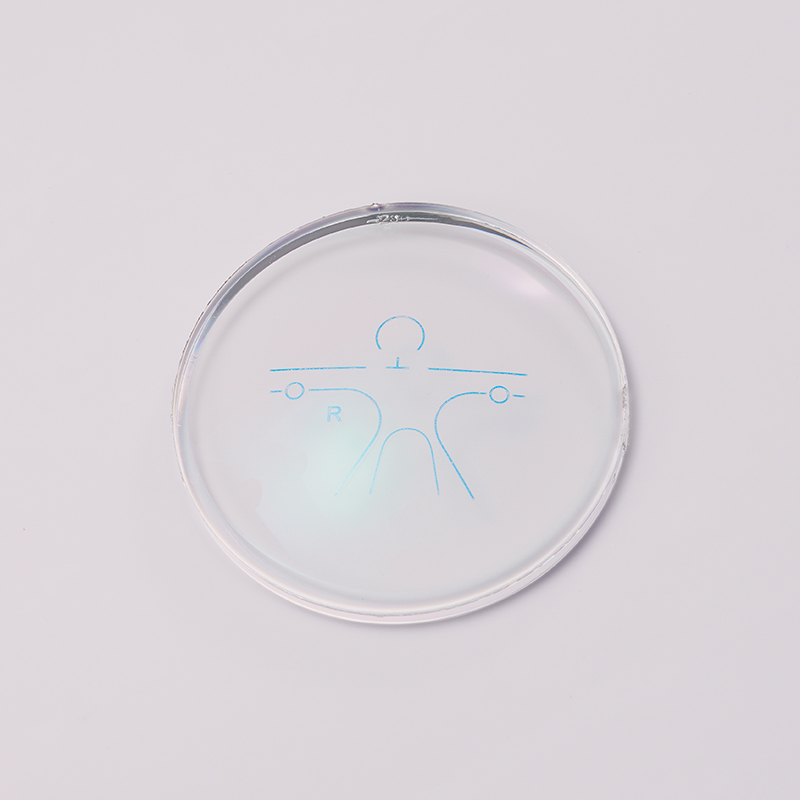 1.591PC Progressive Polycarbonate Lens
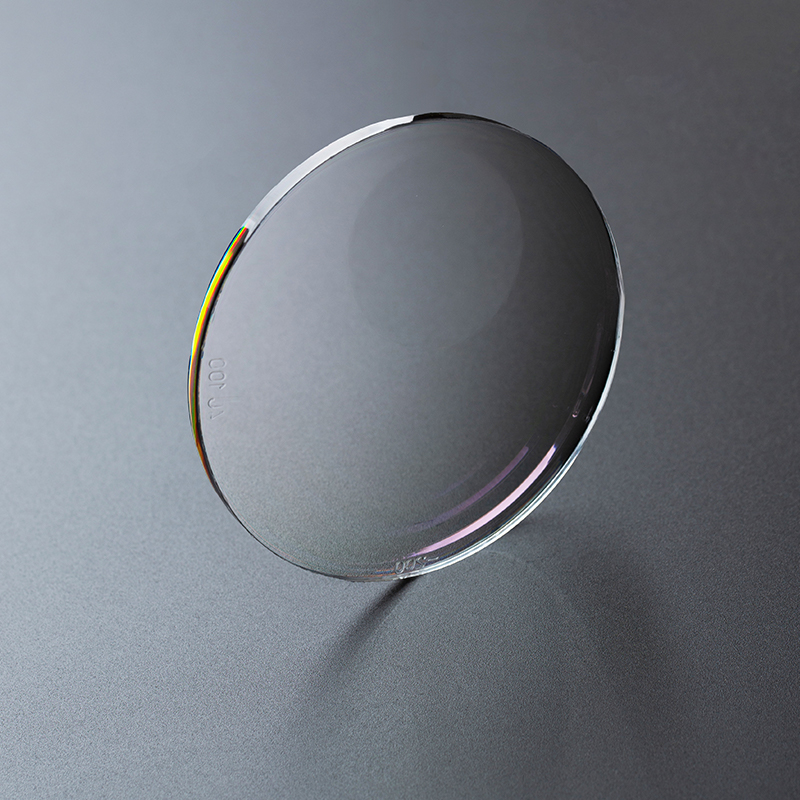 1.591PC Bifocal Polycarbonate Lens
PC lenses are made of polycarbonate, which is lightweight, highly impact-resistant (12 times that of ordinary resin), and offers 99.9% UV protection, making them suitable for sports or children. However, their lower may result in noticeable chromatic aberration, and they are also prone to deformation when heated.

Photochromic cycling eyewear adjusts lens tint according to surrounding light. Clear vision remains essential when ridin...
READ MOREA supplier tells you their blue light protection lenses block 45% of blue light. Another offers 30%. The first quot...
READ MOREA pair of sunglasses may look simple when it's sitting on a table, but its structure becomes genuinely more interestin...
READ MOREEyewear has always had two important roles. It needs to support vision, but it is also something people wear every day...
READ MOREPolycarbonate lenses are a specific type of optical material with distinct properties that differentiate them from standard plastic or glass lenses. Understanding these characteristics helps determine their suitability for different users.
Polycarbonate is a type of thermoplastic polymer. In optics, it was initially developed for applications requiring high impact resistance, such as aerospace and safety eyewear, before being adapted for prescription glasses. It is known for its lightweight structure and inherent durability.
The material offers a combination of features. It is thinner and lighter than standard plastic lenses, which can improve comfort during extended wear. Polycarbonate provides built-in ultraviolet protection, blocking nearly all UV rays without requiring an additional coating. Its notable property is impact resistance, making it a common choice for children's eyewear, safety glasses, and sports goggles.
Optically, polycarbonate lenses have a lower Abbe value compared to some other materials, which can result in slightly more chromatic aberration—color fringing around objects—particularly in higher prescriptions. The material is also softer and more prone to scratching, making a hard coating a practical addition.
For very high prescriptions, high-index lenses may offer a thinner profile. Polycarbonate works well for low to moderate prescriptions and is valued for its impact resistance rather than its thinness at high powers.
Different lens materials have inherent base tints. Standard plastic lenses (CR-39) are typically water-clear before coatings are applied. High-index materials, particularly those with indexes above 1.60, often have a natural yellow or amber cast. This inherent tint becomes more noticeable in thicker lenses or higher prescriptions. Polycarbonate lenses may have a slight tint as well. When selecting frames, wearers with higher prescriptions in high-index materials might consider this natural coloration, especially if the frames are rimless or semi-rimless, where the lens edge is visible.
Anti-reflective coatings are frequently applied to progressive lenses to reduce internal and external reflections. These coatings have residual color, commonly green or blue. A green coating produces a faint green reflection from the lens surface under certain lighting, while a blue coating shows a blue hue. This reflection is visible to others when light hits the lenses at certain angles. The choice between coating colors is largely aesthetic, though some wearers prefer one color based on personal taste or the colors they frequently wear.
Photochromic lenses that darken in sunlight add another color dimension. These lenses have a base tint when activated, typically gray or brown. Gray is intended to preserve natural color perception, while brown may enhance contrast. In their clear state, some photochromic lenses retain a very faint residual tint, which can be more noticeable in certain brands or materials.
A Buying Guide for Progressive Lenses (Blue Light)
Progressive lenses with blue light filtering represent a combination of multifocal correction and spectral protection. The following guide outlines considerations for purchasing this specific lens type.
Verify the type of blue light filtration offered
Determine whether the lens provides selective blue light filtration (blocking only the 415nm-455nm range associated with potential retinal stress) or broad-spectrum filtration (reducing all blue light).
Understand that selective filtration aims to preserve color accuracy and circadian rhythm signals while reducing exposure to the studied portion of the spectrum.
Consider the lens material options
Standard plastic with blue filter coating: Provides filtration through a surface treatment.
High-index with embedded filtration: Incorporates blue-absorbing compounds within the lens material itself.
Photochromic with blue filtration: Offers dynamic filtering that increases in bright light conditions.
Assess the visible tint
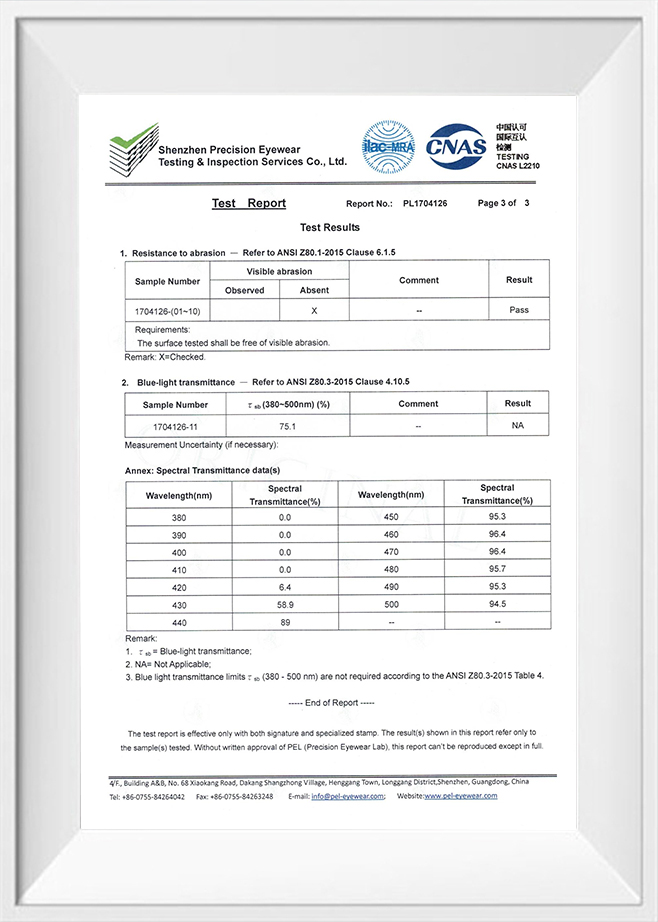
Some blue-blocking lenses have a noticeable yellow or amber cast, particularly in the thicker portions of progressive lenses.
Newer designs minimize this tint, appearing nearly clear while still providing filtration.
Request a sample or demonstration to observe the actual appearance before ordering.
Contact
Let’s Work Together
© Thinkey Optical Co., Ltd.
Quick Links
Stay In Touch
Address:
611# Paimen Road DuQiao Town Linhai City Zhejiang China.
Phone:
0086-13788990737
Email:
Website

Progressive Lenses Blue Light Wholesale