 English
 русский
 Français
 Español
 Deutsch
 عربى
عربى
Industry News

Content
Reading habits today are not fixed anymore. People switch between books, phones, and screens throughout the day. In this kind of routine, one pair of glasses often has to deal with more than one distance. Vision focus reading glasses are designed for that kind of use. They try to support shifting focus without constant replacement.
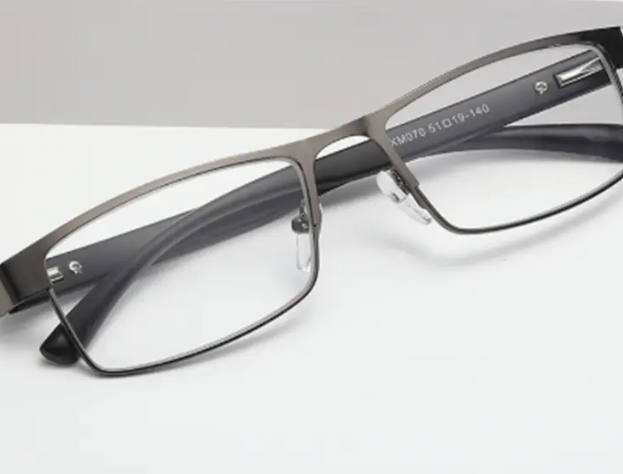
Choosing a suitable pair is not always straightforward. On the surface, many options look similar. The real differences show up in daily use, comfort, and how the eyes respond over time.
Vision reading glasses are made for viewing at changing distances. Traditional reading glasses usually work for a single range. Once the distance changes, users often need to adjust or remove them.
This newer style of glasses aims to reduce that switching. The idea is simple: help the eyes move between near and slightly farther views with less interruption.
In daily life, this matters more than it sounds. Reading a message, checking a screen, then looking across a room happens naturally. Glasses that keep up with that rhythm feel easier to live with.
Before looking at frames or lens types, it helps to think about how the glasses will actually be used.
Some people read for long periods in one position. Others move constantly between tasks. There are also users who only need short bursts of reading during the day.
A few simple questions can help narrow things down:
These answers shape what kind of visual flexibility is needed. The same pair may feel very different depending on the routine.
Vision reading glasses often rely on some form of changing focus experience. For some people, this feels natural right away. For others, it takes a bit of time.
What matters is not the mechanism itself, but how smooth it feels in practice.
When trying them, small movements help reveal this:
If the change feels smooth, the glasses may fit well into daily life. If it feels distracting or tiring, they may not match the user's habits.
Frames are easy to overlook at first. Most attention goes to lenses. But in real use, the frame often decides whether the glasses feel wearable or not.
Comfort shows up in small ways:
Even slight pressure points can become noticeable after long reading sessions. On the other hand, a well-balanced frame often disappears from awareness during use.
Style also plays a role, but comfort usually decides whether the glasses are used regularly.
Clarity is not only about sharp text. It also affects how relaxed the eyes feel after reading.
Some lenses give a steady view across different areas. Others may feel slightly uneven when the eyes move across them. These differences are subtle but become clearer with longer use.
A few things users often notice:
Comfort over time is often more important than short-term sharpness.
Reading conditions change more than people realize. A book under soft light feels different from a screen in a bright room.
Vision reading glasses respond differently depending on lighting. Sometimes reflections are more visible. Sometimes contrast changes slightly.
It helps to observe:
A quick test in different lighting conditions often reveals things that are not obvious indoors under one setting.
There are many descriptions around these glasses, but only a few features matter in everyday situations.
The noticeable ones usually include:
A simple comparison helps keep things clear:
| Aspect | What It Affects in Use |
|---|---|
| Focus movement | Ease of shifting view |
| Frame stability | Comfort during daily activity |
| Visual clarity | Reading comfort |
| Weight balance | Long-term wearability |
| Light handling | Indoor and screen use |
These points are often more useful than detailed specifications.
Not every user has the same experience with vision focus reading glasses. Some adapt quickly. Others prefer simpler designs.
Suitability depends on:
For some, the adjustment feels natural. For others, traditional reading glasses may still feel more familiar.
Trying them in real situations gives a clearer answer than description alone.
Many users notice a short period of adaptation. This is common with new types of lenses.
At first, focus changes may feel slightly different. Over time, the eyes usually adjust and movements feel more natural.
Signs of adjustment often include:
If discomfort does not ease over time, it may mean the design does not match the user's needs.
One common mistake is focusing only on appearance. Glasses may look similar, but feel very different in use.
Other frequent issues include:
A short try in real conditions often gives more insight than a quick look in the mirror.
Modern routines involve constant switching between tasks. Reading is no longer limited to one format or one distance.
Vision focus reading glasses are designed around that pattern. They aim to reduce interruption and keep vision changes smoother.
Their value depends less on design claims and more on how naturally they fit into daily behavior.
Two pairs of glasses can feel very similar at first. The difference often appears after hours of use.
Small details may include:
These small factors often decide whether the glasses are worn regularly or left aside.
The selection process is usually more practical than technical. Short testing in real reading situations gives the clearest feedback.
It helps to notice how the glasses behave during normal tasks rather than in controlled conditions.
The goal is not to find a pair, but one that fits quietly into daily routine without drawing attention to itself.
If you have any questions, please fill out the contact form at the bottom of the page and contact us.
Best selling Products
Best sellers, Globally Chosen
Contact
Let’s Work Together
© Thinkey Optical Co., Ltd.
Quick Links
Stay In Touch
Address:
611# Paimen Road DuQiao Town Linhai City Zhejiang China.
Phone:
0086-13788990737
Email:
Website

China Lenses and Eyeglass Factory
 Previous