 English
 русский
 Français
 Español
 Deutsch
 عربى
عربى
Industry News

Content
Spectacle Lens Blue Light have become part of everyday eyewear discussions. Not only in optical shops, but also in offices, schools, and home environments where screens are always present. The topic is no longer limited to eye care specialists. It now appears in daily conversations about comfort, work habits, and digital lifestyle.
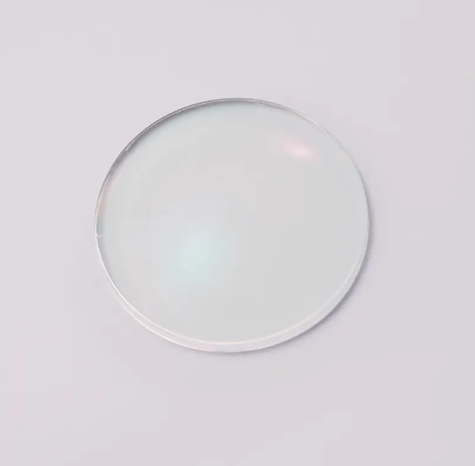
The focus is shifting from simple vision correction to how lenses interact with modern screen-based routines. This change is subtle, but it reflects how daily life is structured around devices.
Screen exposure has become a constant background activity. People move between phones, computers, tablets, and televisions without long breaks. This creates a visual environment that is very different from natural light conditions.
In this setting, blue light blocking spectacle lenses are often discussed as part of daily wear rather than occasional use. Many users do not treat them as special-purpose glasses anymore. They are integrated into regular routines like commuting, working, or studying.
The interest is not only about protection. It is also about comfort during long visual focus periods. Small changes in viewing experience can affect how long a person stays concentrated on a screen.
Some users describe the change as subtle. Others notice it mainly during long working sessions. The variation in perception keeps the topic active in online discussions and product comparisons.
Daily routines are now closely tied to screens. Morning messages, work documents, online meetings, and entertainment all involve visual display use. This continuous exposure creates a steady demand for visual comfort solutions.
The interest in blue light blocking spectacle lenses is often connected to lifestyle patterns rather than isolated needs.
Common usage patterns include:
Each of these situations adds small amounts of visual strain. Over time, this accumulation becomes noticeable for some users.
The shift is not sudden. It builds gradually as screen use becomes more embedded in daily life.
Eye comfort is one of the main reasons people consider blue light blocking spectacle lenses. However, comfort is not always easy to define. It varies from person to person and depends on environment, lighting, and usage duration.
Some users describe discomfort as dryness or heaviness after long screen sessions. Others mention difficulty maintaining focus during extended reading or work tasks.
The lens is often seen as part of a broader comfort strategy, not a single solution.
Several factors influence comfort perception:
These factors interact with each other. The lens becomes one element in a larger visual experience.
Blue light blocking spectacle lenses are not limited to one specific environment. Their usage spreads across multiple daily contexts.
| Scenario | Typical Use Pattern | Visual Demand |
|---|---|---|
| Office work | Continuous screen focus | High concentration |
| Online study | Reading and note-taking | Medium to high |
| Gaming | Long immersive sessions | High intensity |
| General browsing | Short repeated sessions | Moderate |
| Evening device use | Relaxed viewing | Variable |
Each scenario creates a different visual rhythm. Some involve steady focus, while others involve frequent shifts between tasks.
This variety explains why the same lens is used in different ways by different people. It also explains why expectations are not uniform.
User perception is shaped by experience rather than visible change. Unlike some physical products, the effect of lenses is not always immediately obvious.
Perception often depends on:
Some users notice differences quickly. Others take longer to form an impression. In many cases, perception develops gradually as the lens becomes part of daily routine.
There is also a psychological layer. When users expect comfort, they may pay more attention to subtle improvements in their visual experience.
At the same time, expectations that are too high can lead to disappointment. This balance keeps the discussion realistic and ongoing.
Work culture has changed significantly with digital tools becoming central to almost every task. Meetings, communication, planning, and execution often happen on screens.
This environment naturally increases the relevance of blue light blocking spectacle lenses. Not as a fashion accessory, but as a practical item in daily work setups.
Workspaces today often include:
These conditions create a consistent visual load. Over time, users start exploring small adjustments to improve comfort, including eyewear choices.
The adoption pattern is often gradual. It begins with curiosity, then moves into regular use if comfort is perceived.
Even with growing interest, some concerns remain part of the conversation.
One common concern is whether lenses should be worn all day or only during screen use. Another is whether they affect natural color perception in daily environments.
Users also question whether switching between indoor and outdoor settings affects usability. These concerns are practical and often discussed in real-life usage feedback rather than marketing descriptions.
A simple breakdown of concerns:
These points shape how users decide whether to integrate lenses into daily life.
People's daily habits shift bit by bit over time, instead of changing all at once. Screens are now everywhere throughout the whole day, whether people are starting their mornings or winding down at night.
With so much time spent looking at displays, glasses that ease eye strain are in higher demand than ever.
Lenses that filter blue light fit right into this new digital routine. They aren't just a one-size-fits-all fix, but a simple way to adjust to constant screen use. How valuable these lenses are ties closely to how people arrange their schedules, maintain focus, and split time between devices and rest breaks.
Work, study and entertainment keep moving online, and people's daily routines will keep evolving alongside this trend. Demand for functional eyewear will keep shifting right along with these new habits.
If you have any questions, please fill out the contact form at the bottom of the page and contact us.
Best selling Products
Best sellers, Globally Chosen
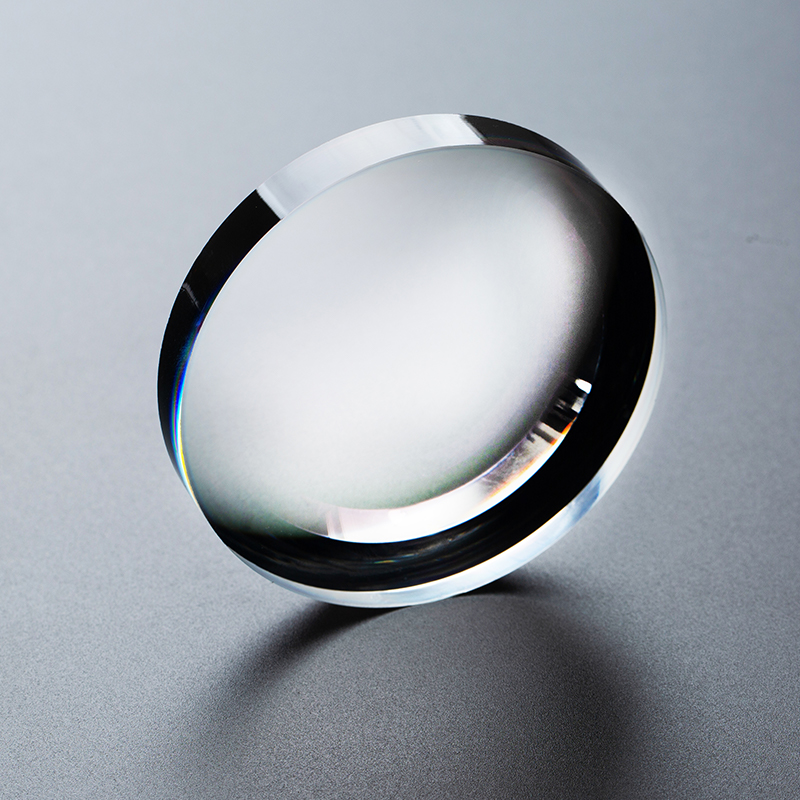
Our Single Vision lenses, designed for everyday we...
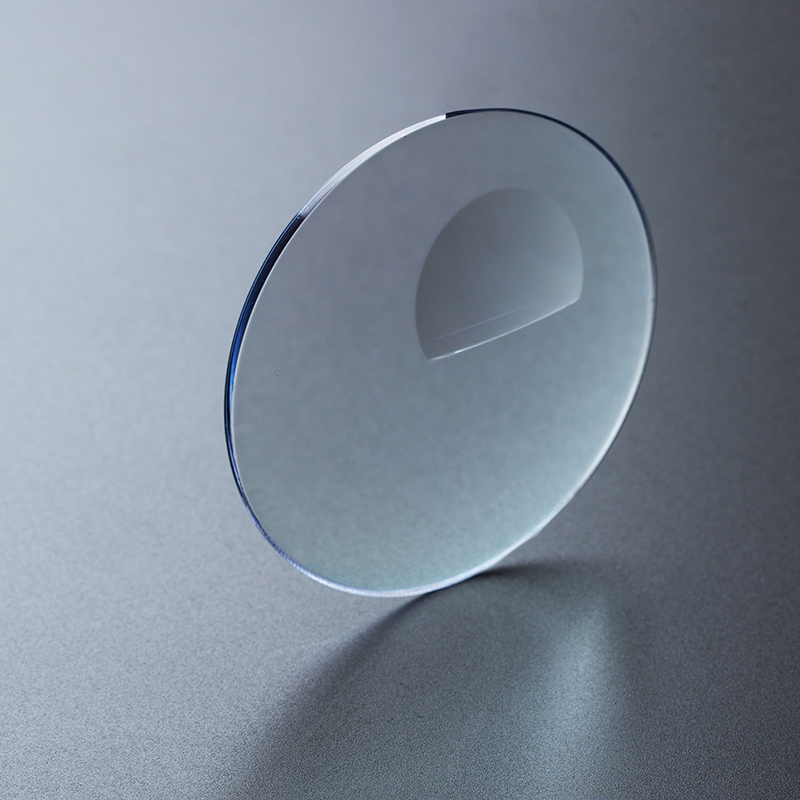
The 1.56 Bifocal lenses combine advanced optical t...
Contact
Let’s Work Together
© Thinkey Optical Co., Ltd.
Quick Links
Stay In Touch
Address:
611# Paimen Road DuQiao Town Linhai City Zhejiang China.
Phone:
0086-13788990737
Email:
Website

China Lenses and Eyeglass Factory
 Previous