
 English
 русский
 Français
 Español
 Deutsch
 عربى
عربى
Progressive Lenses Photochromic Sale

If you have any questions, please fill out the contact form at the bottom of the page and contact us.
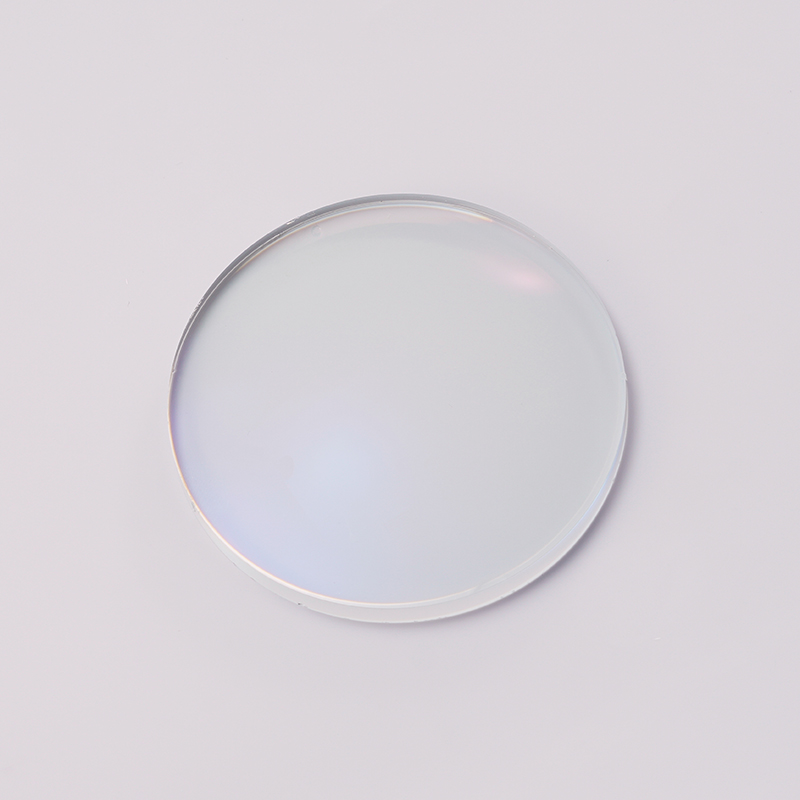 Single Vision Photochromic Blue Cut & Block Lens
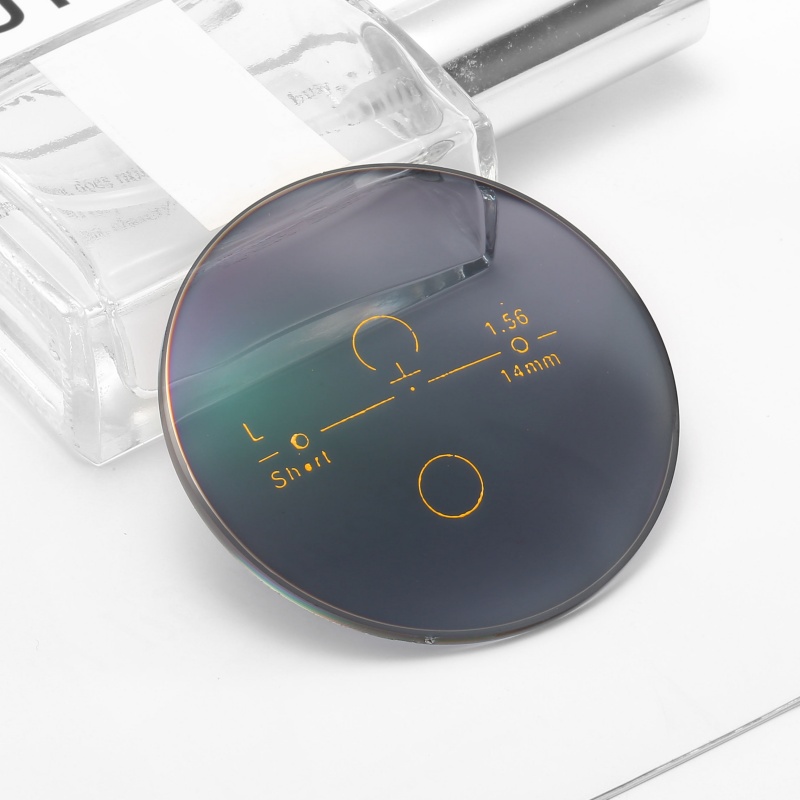 1.56 Progressive Photochromic Blue Cut & Block Lens
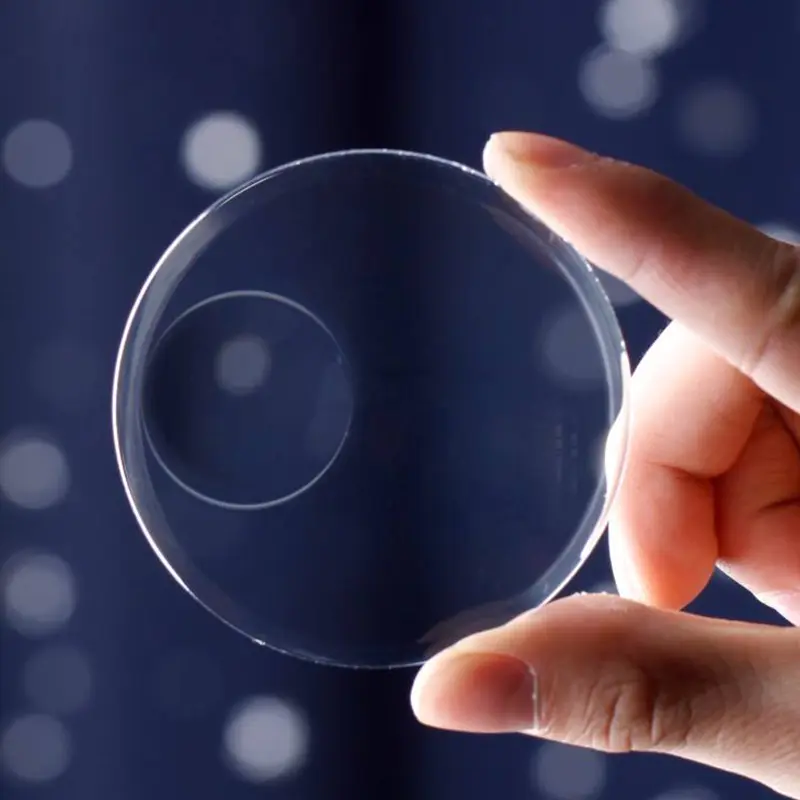 1.56 Bifocal Photochromic Blue Cut & Block Lens
Photochromic blue light blocking lenses are lenses that combine photochromic properties (darkening outdoors like sunglasses, becoming clear indoors) and blue light blocking (filtering harmful blue light from electronic screens). They effectively reduce eye strain and provide all-day protection against UV and blue light in various lighting environments, making them suitable for modern people who need to balance outdoor activities and electronic device use. Usage Scenarios:
Commuting/Outdoors: Provides clear blue light blocking glasses when working or engaging in indoor activities; automatically changes color to sunglasses outdoors to protect eyes from strong light and blue light damage.
Electronic Screen Use: Blocks harmful blue light in front of computers, mobile phones, and other devices, reducing symptoms such as dry eyes, eye strain, and eye fatigue.

Photochromic cycling eyewear adjusts lens tint according to surrounding light. Clear vision remains essential when ridin...
READ MOREA supplier tells you their blue light protection lenses block 45% of blue light. Another offers 30%. The first quot...
READ MOREA pair of sunglasses may look simple when it's sitting on a table, but its structure becomes genuinely more interestin...
READ MOREEyewear has always had two important roles. It needs to support vision, but it is also something people wear every day...
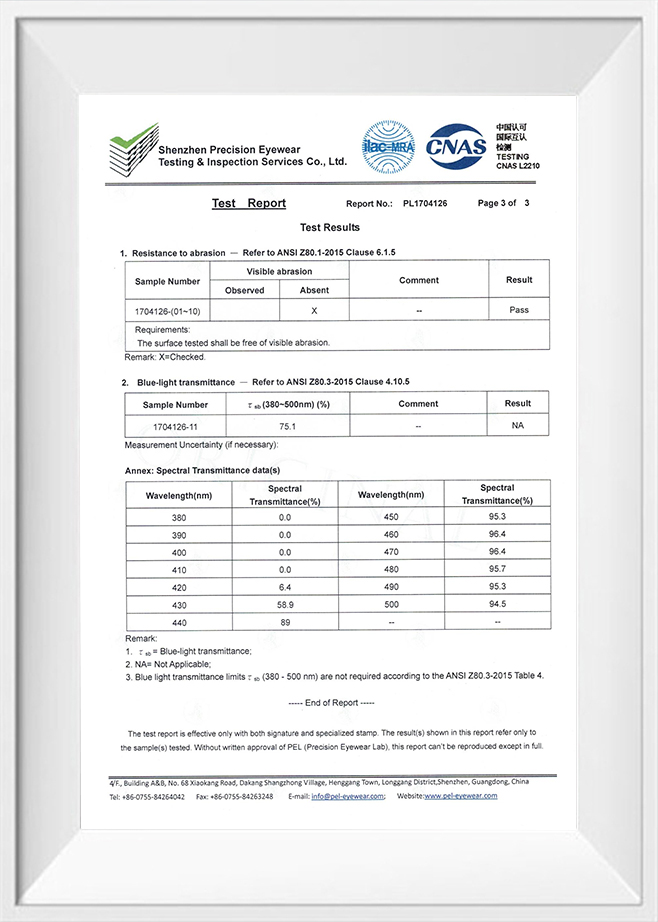
READ MOREA Photochromic Blue Cut & Block Lens is an advanced type of optical lens that combines photochromic technology with blue light filtering protection, providing both automatic light adjustment and digital eye protection.
1. Photochromic Function
Photochromic lenses are designed to automatically change their tint based on light conditions. When exposed to ultraviolet (UV) light outdoors, the lenses darken to reduce brightness and glare. When returning indoors or to low-UV environments, they gradually return to a clear state. This feature allows the lenses to function as both regular eyeglasses and sunglasses in one pair, offering convenience and visual comfort.
2. Blue Cut and Blue Block Technology
Blue Cut or Blue Block technology refers to the lens’s ability to filter harmful blue light, especially the high-energy visible (HEV) blue light emitted by digital screens such as computers, smartphones, tablets, and LED lighting. By reducing blue light exposure, these lenses help:
Decrease digital eye strain
Improve visual comfort during prolonged screen use
Reduce glare from artificial lighting
Potentially support better sleep cycles by limiting blue light interference with melatonin production
3. Combined Benefits
When photochromic and blue-light-filtering technologies are integrated into a single lens, the result is a multi-functional lens that provides:
Automatic tint adjustment for outdoor light
UV protection
Blue light filtering for indoor digital device use
Reduced eye fatigue and glare
4. Common Applications
Photochromic Blue Cut & Block lenses are widely used in:
Prescription eyeglasses
Computer glasses
Daily wear eyewear for office workers
Eyewear for students and frequent digital device users
Photochromic lenses have unique performance parameters that determine how well they adjust to varying light conditions. The following table outlines the key factors that influence the performance of photochromic lenses:
|
Performance Parameter |
Description |
|
Transition Speed |
This refers to how quickly the lens darkens when exposed to UV light and clears up when indoors. Some photochromic lenses transition faster than others, providing quicker relief from bright light. |
|
UV Sensitivity |
Photochromic lenses are activated by UV light. The sensitivity of the lens to UV radiation determines how effectively they darken in sunlight. A higher sensitivity means the lens will react more quickly to UV exposure. |
|
Temperature Dependence |
The temperature of the environment can affect the performance of photochromic lenses. In warmer temperatures, the lenses may take longer to darken or may not darken as much, while in cooler temperatures, they may respond more quickly. |
|
Durability of Coating |
The durability of the photochromic coating impacts the longevity of the lens's ability to change color. Lenses with more durable coatings will maintain their performance over time, even with regular exposure to sunlight and cleaning. |
|
Clarity in Indoor Light |
Photochromic lenses are designed to clear up indoors, but some models may still retain a slight tint in low-light settings. A higher quality photochromic lens will provide clearer vision indoors without any noticeable tint. |
|
Color Consistency |
The uniformity of the tint across the lens is important for maintaining clear vision. Photochromic lenses should offer an even transition in both color and light filtration without noticeable variations in tint across the lens. |
|
Blue Light Filtering |
Some photochromic lenses come with integrated blue light filtering to reduce the harmful effects of prolonged exposure to digital screens. These lenses help to minimize eye strain and fatigue caused by high-energy visible (HEV) light. |
These performance parameters are critical for ensuring that the photochromic lenses meet the user's needs, whether for outdoor use, screen time, or both.
Creating progressive photochromic lenses involves several detailed steps to ensure that both vision correction and light adaptation features are integrated effectively. The process includes the following key stages:
Step 1: Prescription Determination
The step in creating progressive photochromic lenses is to determine the individual's prescription. Progressive lenses are designed to provide multiple focal points for distance, intermediate, and near vision correction. The prescription is a crucial factor in designing the progressive zones of the lens.
Step 2: Lens Material Selection
Once the prescription is established, the appropriate lens material is chosen. Materials such as polycarbonate, high-index plastic, or Trivex may be used for progressive photochromic lenses, depending on the user's preferences for weight, durability, and thickness.
Step 3: Progressive Lens Design
Progressive lenses are custom-designed with different areas of the lens for near, intermediate, and far vision. The design process involves creating smooth transitions between these areas, ensuring that the user can see clearly at all distances without visible lines. Advanced software is often used to customize the design for the wearer's specific prescription.
Step 4: Photochromic Coating Application
The next step involves applying the photochromic coating to the lens. The photochromic material is applied through a process such as spin coating or dip coating. This coating enables the lens to darken in response to UV light and clear up when the light diminishes.
Step 5: Blue Light Filtering Integration
If the progressive photochromic lens includes blue light filtering, a layer of blue light-blocking technology is applied to the lens surface. This feature is designed to absorb or block high-energy visible light from digital devices, helping to reduce eye strain and improve visual comfort.
Step 6: Lens Shaping and Cutting
Once the coatings and treatments are applied, the lens is cut and shaped to fit the selected frame. This involves precise measurements to ensure that the lens fits into the frame while maintaining the progressive zones and photochromic properties.
Contact
Let’s Work Together
© Thinkey Optical Co., Ltd.
Quick Links
Stay In Touch
Address:
611# Paimen Road DuQiao Town Linhai City Zhejiang China.
Phone:
0086-13788990737
Email:
Website

Progressive Photochromic Lenses Maker