 English
 русский
 Français
 Español
 Deutsch
 عربى
عربى
1.56 Photo Grey, Brown Blue Cut UV420 Progressive Custom
Home / Product / Optical Lenses / Photochromic Blue Cut & Block Lens / 1.56 Photo Grey, Brown Blue Cut UV420 Progressive

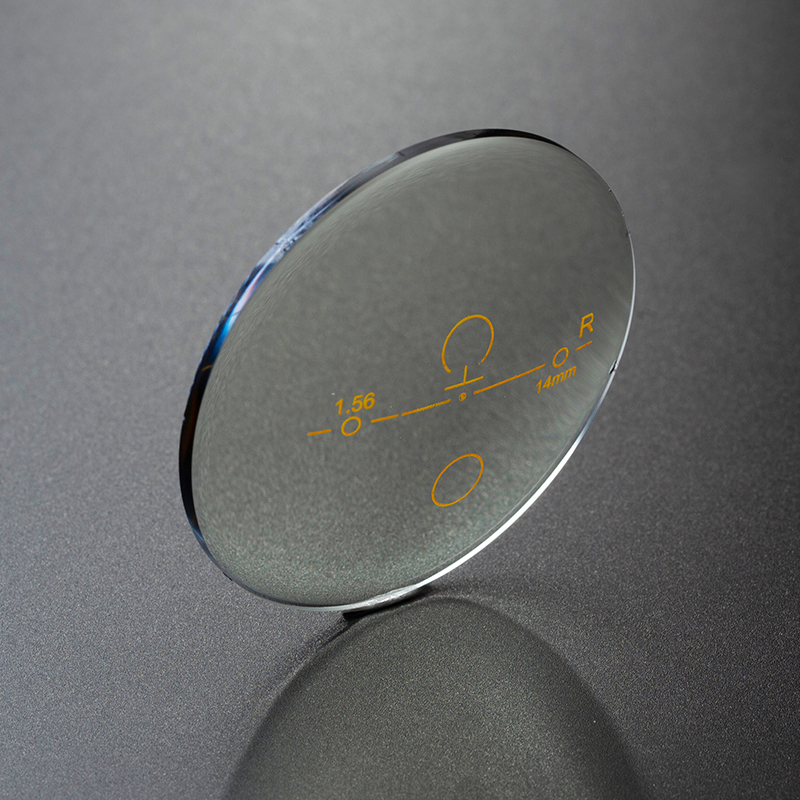
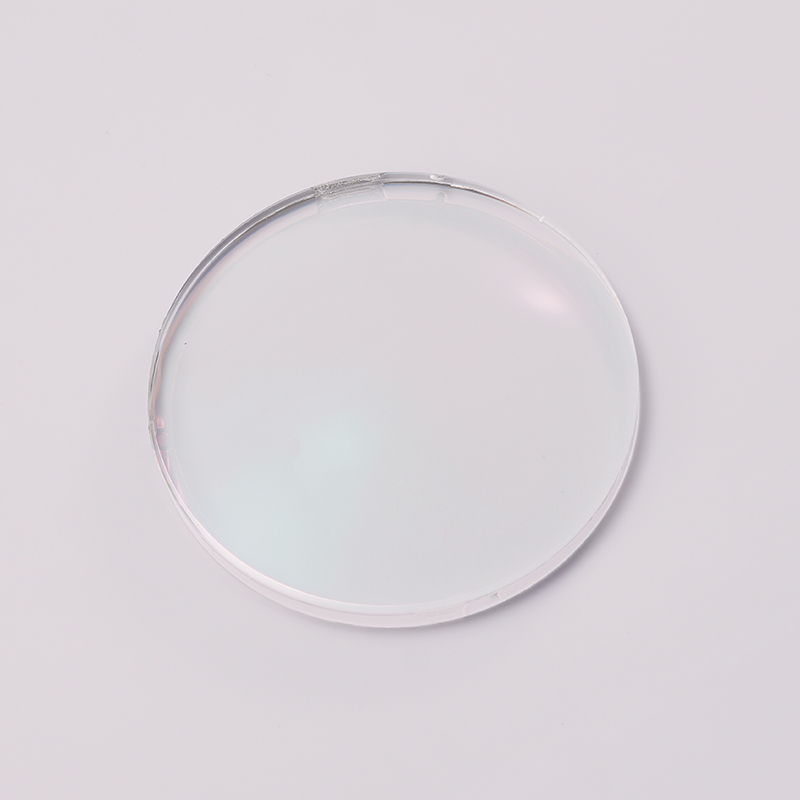
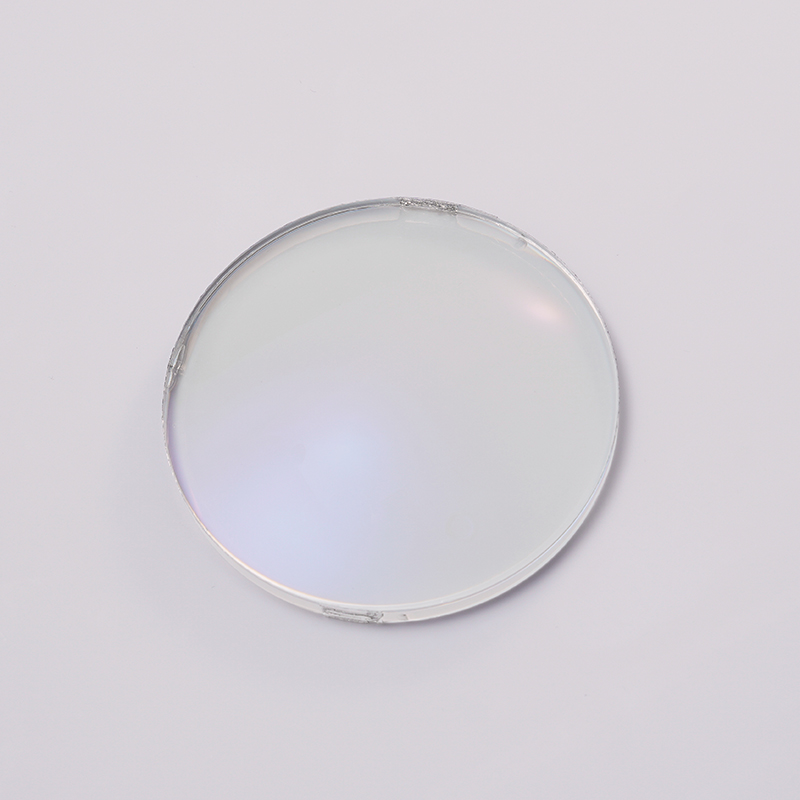
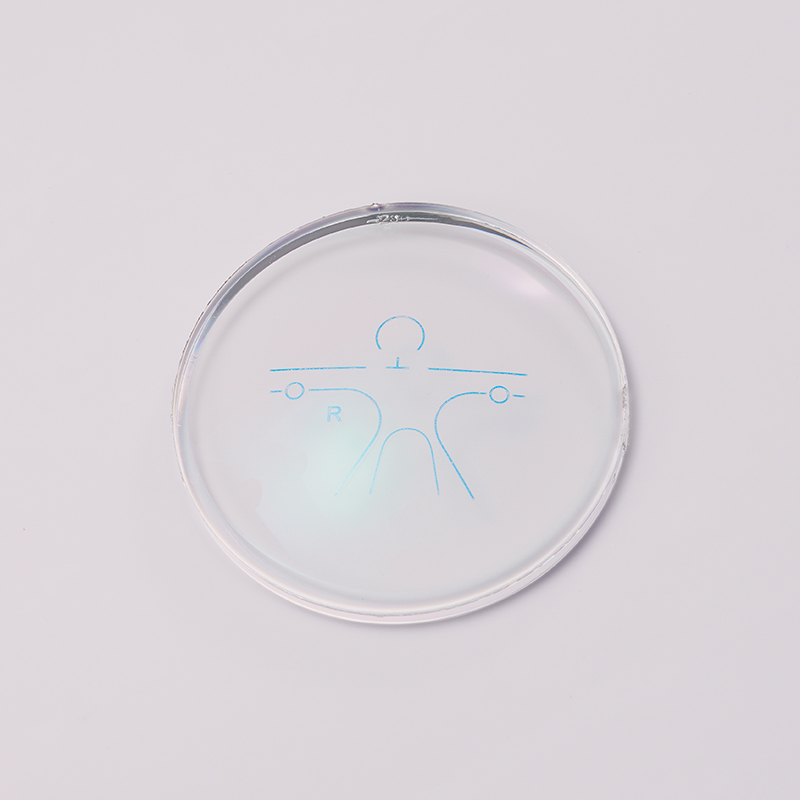
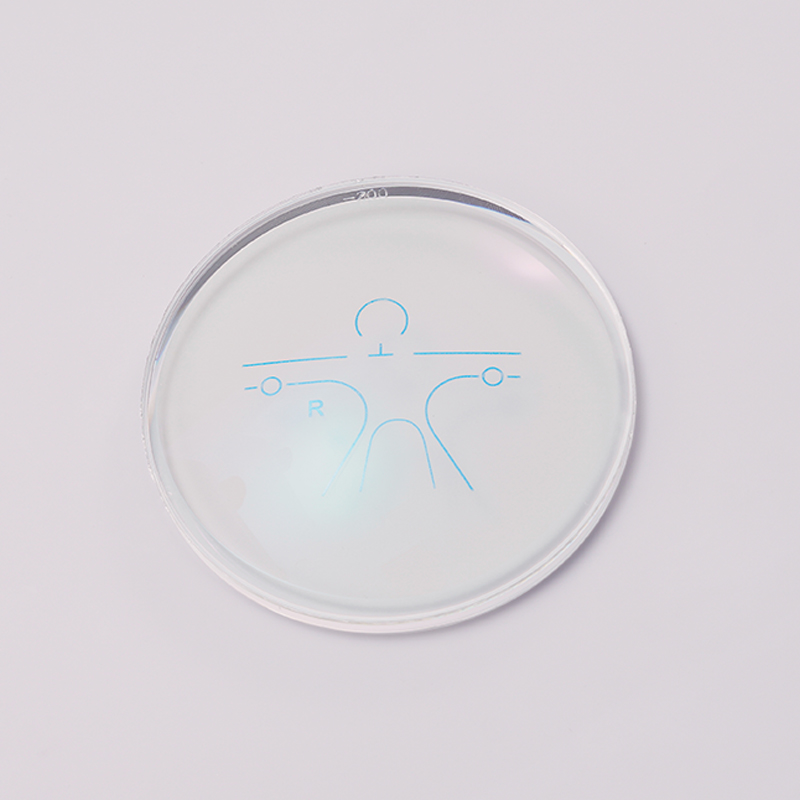
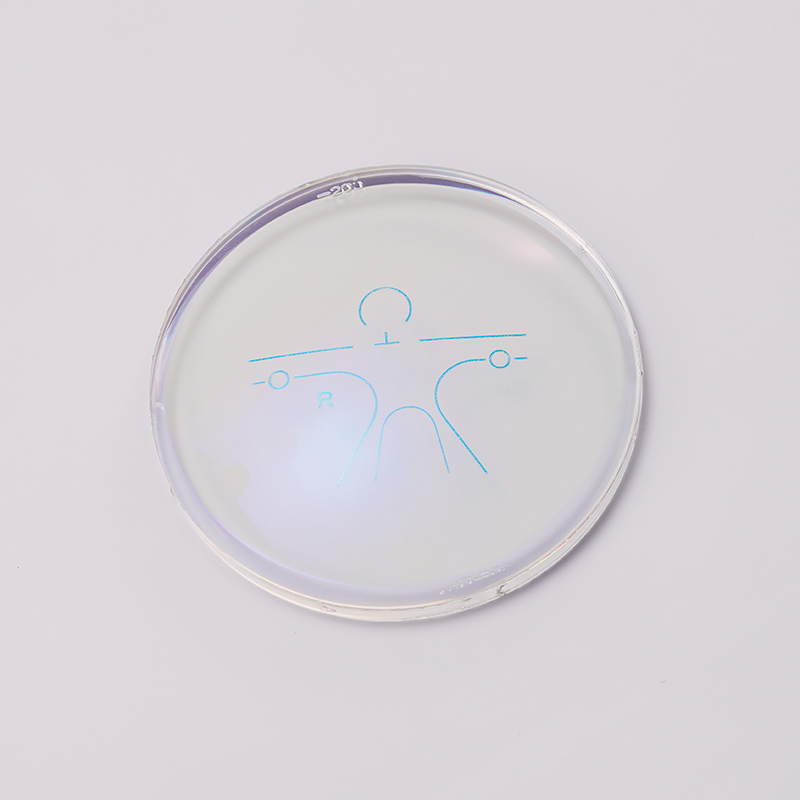
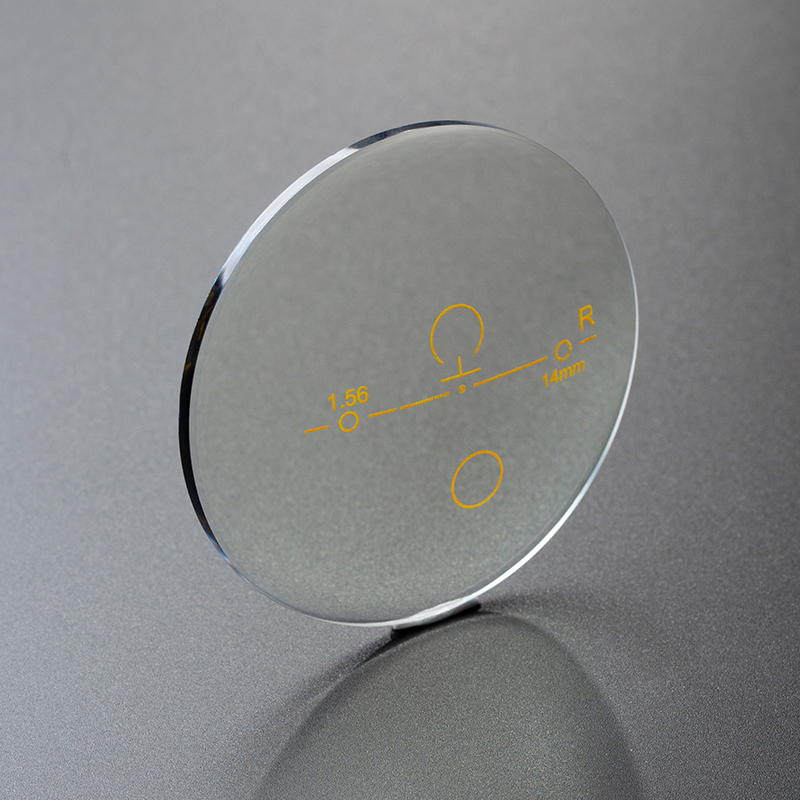
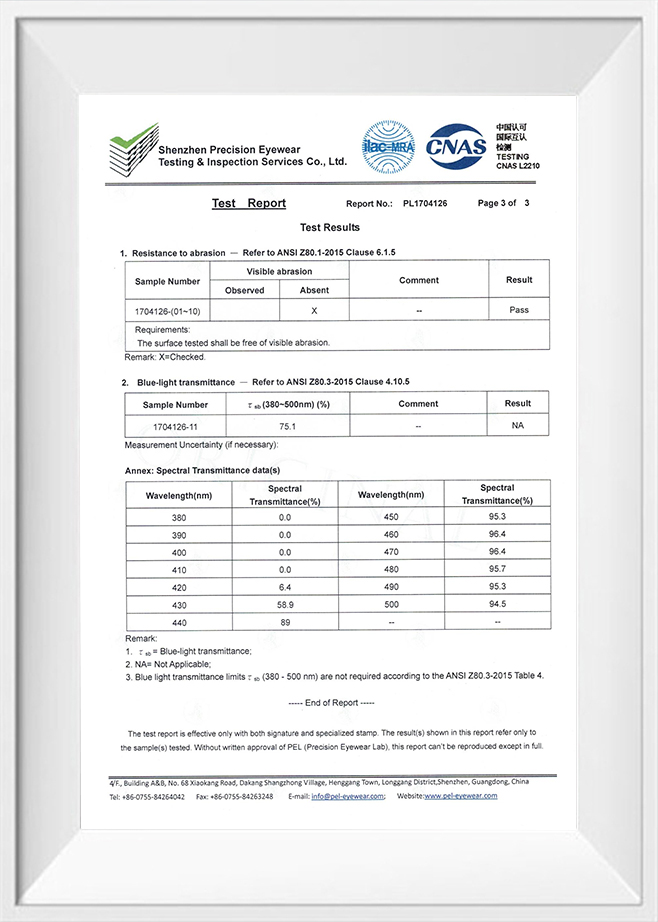
Our Photo Grey/Brown Blue Cut UV420 Progressive lenses are designed for the modern multitasker. These reliable progressive lenses blend seamless visual transitions from near to intermediate to distance zones — eliminating the need for multiple pairs of glasses. What makes this product distinctive is its adaptive photochromic capability: lenses intelligently darken outdoors and lighten indoors based on UV exposure, providing effective light and glare control throughout the day. With built-in UV420 and blue-light filtering, they protect the eyes from harmful blue light emitted by digital screens, while also blocking UV rays responsible for long-term ocular damage. Available in UC, HC, HMC, and SHMC options, you can tailor surface performance to suit lifestyle needs.

Spectacle Lens Blue Light have become part of everyday eyewear discussions. Not only in optical shops, but also in offices, schools, and hom...
READ MOREThe way people use their eyes has changed. Screens are no longer limited to offices. They are in homes, in transit, and in pockets. Many tas...
READ MOREReading has changed in quiet but noticeable ways. It no longer happens in a single format. A person may start with a printed page, move to a...
READ MOREIn many workspaces, screens stay on from morning until late evening. People move from laptops to phones without much pause. Reading distance...
READ MORETaizhou Xinke Optical Glasses Co., Ltd., a professional ODM progressive photochromic lenses exporter based in Duqiao Optical Industry Base, ...
READ MOREBlue light protection lenses are designed to filter out or block a portion of blue light emitted from digital screens, artificial lighting, and the sun. Blue light has been linked to digital eye strain, discomfort, and even potential long-term effects like disrupted sleep patterns.
1. Blue Light Filtering vs. Blue Light Blocking Lenses
Blue Light Filtering Lenses: These lenses have coatings or treatments that reduce the amount of blue light that passes through the lens. They are designed to minimize digital eye strain and improve comfort during extended screen use. However, they typically do not block out all blue light.
Blue Light Blocking Lenses: Blue light blocking lenses are more effective at blocking a significant portion of blue light. They often have a slight tint or coating that prevents blue light from reaching the eyes. These lenses are especially beneficial for individuals who experience discomfort or sleep issues due to blue light exposure.
2. Tint and Color of Lenses
Clear Lenses with Blue Light Protection: Some blue light protection lenses are clear with no noticeable color, offering a more subtle option for users who do not want any visual changes but still want to block blue light.
Yellow or Amber Tinted Lenses: These lenses typically enhance contrast while blocking blue light, particularly useful for people who work in low-light environments. The tint helps reduce glare from digital screens and artificial lighting.
3. Application in Different Lifestyles
For Office Work and Screen Use: Blue light protection lenses are commonly used by office workers, gamers, and students who spend long hours in front of screens. These lenses reduce eye strain and enhance comfort during prolonged digital device usage.
For Sleep-Related Issues: Lenses designed to block a higher amount of blue light are often used by people who suffer from sleep disturbances caused by screen use, especially at night.
Lenses for Blue Light Protection
Blue light protection lenses are growing in popularity due to the increasing use of digital devices and their potential effects on eye health. These lenses are specifically designed to reduce the harmful effects of blue light, which is emitted from various digital screens, energy-efficient lighting, and the sun. Below are some important considerations and details about blue light protection lenses:
Digital Eye Strain: Long hours spent on computers, smartphones, and other digital devices can bring about digital eye strain, resulting in symptoms like headaches, blurred vision, and dry eyes. Blue light protection lenses help alleviate these symptoms by reducing the amount of blue light exposure, making it more comfortable to use digital devices for extended periods.
Improved Sleep Quality: Exposure to blue light, particularly in the evening, can interfere with the production of melatonin, the hormone responsible for regulating sleep. Blue light protection lenses are especially useful for individuals who use their devices late into the night and want to reduce the impact on their sleep patterns.
These lenses use specific coatings or filters designed to absorb or block a portion of blue light wavelengths. Some lenses incorporate a yellowish tint, which enhances contrast and reduces glare, while others are clear, allowing for more natural color perception. The coatings can be applied to prescription or non-prescription lenses and are available for a variety of frame types.
The refractive index of a lens refers to its ability to bend light. Lenses with a higher refractive index are thinner and lighter, making them ideal for people with stronger prescriptions. Polycarbonate and Trivex lenses are both materials with high refractive indices that offer impact resistance and durability. When choosing lenses made from these materials, there are several coatings that can enhance their performance and longevity. Below are key coatings and why they are important:
1. Anti-Reflective Coating
Anti-reflective (AR) coating reduces glare from digital screens, headlights, and bright lights. It enhances clarity by allowing more light to pass through the lens and minimizes distractions caused by reflections. AR coatings are particularly beneficial for high refractive index lenses, which tend to reflect more light due to their thinner profiles.
For people with high prescriptions, reflections from the lens surface can be distracting and reduce overall visual clarity. AR coatings help improve vision, making them a must-have for polycarbonate and Trivex lenses.
2. Scratch-Resistant Coating
This coating helps to protect the lens surface from everyday wear and tear. High refractive index lenses, especially polycarbonate and Trivex, are more prone to scratching than other lens materials, so adding a scratch-resistant coating helps extend the lifespan of the lenses.
Scratch resistance is crucial for maintaining the appearance and optical performance of lenses. For people who wear their glasses daily, a scratch-resistant coating provides long-term durability and maintains clear vision.
3. UV Protection Coating
UV protection coatings help to block harmful ultraviolet light, which can cause long-term damage to the eyes. Polycarbonate and Trivex lenses naturally offer some UV protection, but additional coatings can enhance the level of protection.
UV protection is critical for preventing eye diseases like cataracts and macular degeneration. Even if you wear prescription lenses indoors or during cloudy days, UV rays can still affect your eyes.
Contact
Let’s Work Together
© Thinkey Optical Co.,Ltd.
Quick Links
Stay In Touch
Address:
611# Paimen Road DuQiao Town Linhai City Zhejiang China.
Phone:
0086-13788990737
Email:
Website

China Lenses and Eyeglass Factory