 English
 русский
 Français
 Español
 Deutsch
 عربى
عربى
Industry News
Home / News / Industry News / Vision Focus Reading Glasses Support Better Focus in Digital and Print Reading

Content
Reading has changed in quiet but noticeable ways. It no longer happens in a single format. A person may start with a printed page, move to a phone screen, and later check a document on a larger display. Each shift asks the eyes to adjust again. Over time, this constant switching can feel tiring.
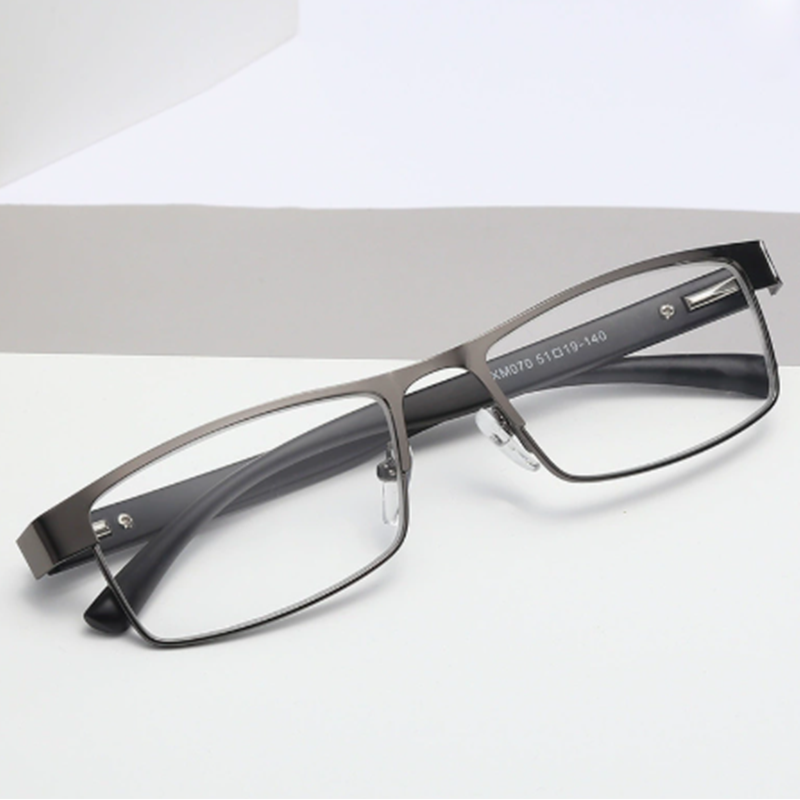
Reading glasses have adapted to this change. They are no longer seen as a simple aid for books. They are now part of a broader reading environment that includes both digital and printed materials. Vision focus reading glasses reflect this shift. They aim to support clarity and comfort across different reading situations without adding complexity to daily use.
The idea behind them is not only about seeing clearly. It is about maintaining focus in environments that keep changing.
Reading used to follow a slower rhythm. A person would sit with a book, a magazine, or printed notes. The distance between the eyes and the page remained stable. Light conditions were more predictable. The experience felt contained.
Today, reading happens in fragments. Short messages appear throughout the day. Documents are reviewed on screens of different sizes. Printed materials are still present, but they are part of a mixed routine.
This shift has changed how the eyes respond. Constant refocusing becomes part of the process. The eyes move between near and slightly different distances. Brightness levels also vary.
Vision focus reading glasses are designed with this pattern in mind. They support a smoother transition between tasks. Instead of forcing the eyes to adapt again and again, they help maintain a more stable viewing experience.
Clear focus isn't just about good eyesight. It also depends on how fast your eyes lock onto text. Shifting between digital screens and printed pages forces your eyes to readjust repeatedly.
Print sits on a flat, neutral surface with no built-in glow. Screens work the opposite way—they emit light and often catch harsh reflections. These subtle differences add up and tire out your eyes over time.
Your sitting or holding position also plays a part. People tilt phones and tablets at different angles than they hold books, which shifts how your eyes line up with words.
Reading glasses designed for mixed use cut down this extra eye strain. They deliver steady visual support, making it far easier to jump back and forth between screens and printed material.
Lots of people wonder if one set of eyewear can handle every daily viewing task. Most folks don't want to carry and swap multiple pairs all day long.
Multi-purpose reading glasses are made to fit this lifestyle. You can use them for digital screens and printed documents without needing to switch glasses constantly.
This doesn't mean every viewing distance feels exactly the same. The lenses strike a middle ground, covering the full range of close distances people deal with daily.
Take a typical routine as an example: scrolling through phone texts, checking a paper memo, then reviewing files on a monitor. These transitions feel far less taxing with one unified pair.
The lenses don't erase every minor difference between viewing formats. Their main purpose is to cut down the extra eye work needed to switch between them.
Reading comfort mostly depends on how long you can keep your focus without stopping. Eye discomfort builds up slowly over time. Early signs include tightness around your eyes or feeling the need to take frequent breaks.
These multi-use reading glasses let your eyes feel more at ease while reading. They cut down the constant small adjustments your eyes have to make, letting them settle into a steady, natural viewing rhythm.
Light levels also change how easy it is to read. Screens can strain your eyes under harsh lighting, while print can look faint in dim spaces. The lenses keep text sharp across all these different light setups.
They don't replace proper lighting or good sitting habits. Instead, they work alongside those good practices to create a more consistent, less tiring visual experience.
Digital reading is now part of daily life. Messages, emails, and online content appear throughout the day. This creates longer periods of screen exposure.
Eye fatigue often builds during these periods. It is not always immediate. It can develop slowly as the eyes remain focused on illuminated surfaces.
Vision focus reading glasses help manage this effect by supporting clearer focus. When the eyes do not need to strain as much, fatigue tends to develop more slowly.
This is especially helpful for people who switch frequently between tasks. Short reading sessions can add up over time. Reducing strain in each session helps maintain overall comfort.
Digital vs Print Reading Experience
| Aspect | Digital Reading | Print Reading |
|---|---|---|
| Light Source | Screen-based light | External light |
| Viewing Distance | Varies often | More consistent |
| Eye Adjustment | Frequent refocusing | Stable focus |
| Reading Duration | Short and repeated sessions | Longer continuous sessions |
| Visual Fatigue | Builds gradually | Appears less abruptly |
Reading glasses help bridge these differences. They provide support that works across both formats without requiring separate solutions.
Reading habits are not uniform. Some people read in long sessions. Others interact with text in short bursts. These patterns influence how reading glasses are used.
Reading glasses reflect this variation. They are not tied to a single use case. Instead, they support a range of reading behaviors.
This flexibility allows them to fit into daily routines without forcing major changes. A person does not need to adjust their habits to match the glasses. The glasses adapt to the habits.
This approach aligns with modern lifestyles. Reading is no longer a single activity. It is part of a larger flow of tasks.
Reading does not happen in one place. It moves between home, work, and public spaces. Each environment presents different lighting and viewing conditions.
Reading glasses support this variety by maintaining consistent clarity. They do not depend on a specific setting.
In a well-lit room, they help maintain steady focus. In softer light, they support readability without requiring extra effort. On screens, they assist with clarity during longer viewing periods.
This adaptability makes them suitable for daily use across changing environments. The user does not need to think about switching tools when moving between spaces.
One of the key challenges in using reading glasses is remembering when to use them. Frequent switching can interrupt the flow of daily tasks.
Vision focus reading glasses reduce this interruption. They can remain part of the routine without constant removal.
This creates a smoother experience. A person can move between tasks without stopping to adjust their eyewear.
The simplicity of this approach supports consistent use. Over time, it becomes a natural part of reading behavior rather than a separate step.
Focus plays a quiet but important role in productivity. When reading feels smooth, attention remains steady. When the eyes struggle, attention shifts.
Vision focus reading glasses help support a more stable reading experience. This allows the mind to stay engaged with the content.
In digital environments, where distractions are common, maintaining focus becomes even more important. Clear vision reduces one layer of interruption.
This does not remove all distractions. It creates a condition where reading feels less demanding, making it easier to stay engaged.
Adapting to new reading glasses often takes a short period. The eyes and brain adjust to the new visual support.
With focus reading glasses, this adjustment tends to feel gradual. The experience becomes more natural as they are used across different situations.
Users often begin to rely on them without thinking about it. The glasses become part of the reading process rather than a separate tool.
This integration into daily life reflects their purpose. They are designed to support reading without drawing attention to themselves.
What are vision focus reading glasses used for?
They are used to support clearer and more stable focus when reading both digital screens and printed materials.
Can they be used for long reading sessions?
They can support longer reading periods by reducing the need for constant eye adjustment.
Do they help when switching between phone and paper?
Yes. They help the eyes move more smoothly between different reading formats.
Are they suitable for everyday use?
They are designed to fit into daily routines without requiring frequent changes.
Do they reduce eye fatigue from screens?
They can help reduce strain by supporting clearer focus during screen use.
Can one pair replace multiple reading glasses?
They are often used as a single solution for different reading situations, depending on individual needs.
Do they work in different lighting conditions?
They support reading in a range of lighting environments, though good lighting still improves comfort.
If you have any questions, please fill out the contact form at the bottom of the page and contact us.
Best selling Products
Best sellers, Globally Chosen
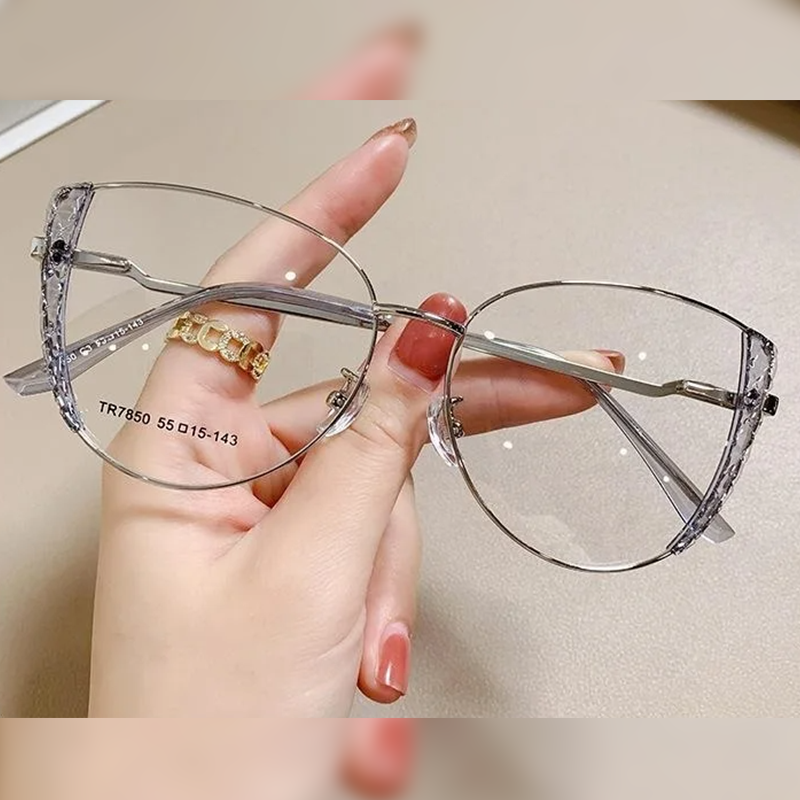
1. Made of metal material, with delicate luster an...
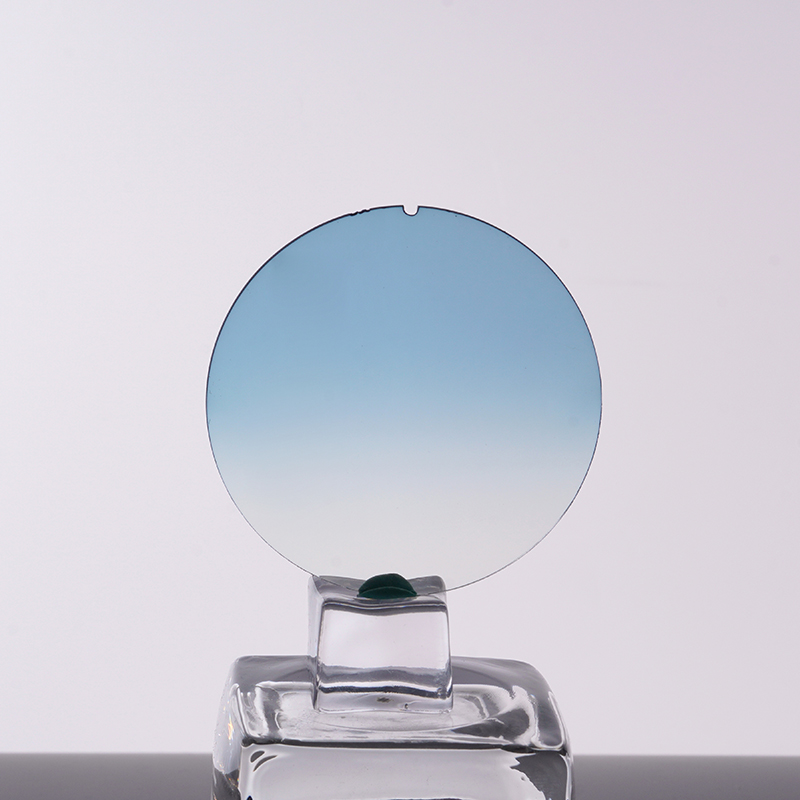
The 1.499 Gradient Single Vision Lens is designed ...
Contact
Let’s Work Together
© Thinkey Optical Co., Ltd.
Quick Links
Stay In Touch
Address:
611# Paimen Road DuQiao Town Linhai City Zhejiang China.
Phone:
0086-13788990737
Email:
Website

China Lenses and Eyeglass Factory
 Previous