
 English
 русский
 Français
 Español
 Deutsch
 عربى
عربى
Industry News
Home / News / Industry News / Blue Light Blocking Lens Coating: How It Is Changing Everyday Vision Protection

Content
The way people use their eyes has changed. Screens are no longer limited to offices. They are in homes, in transit, and in pockets. Many tasks now begin and end with a display. This shift has brought convenience, yet it has also raised quiet questions about visual comfort.
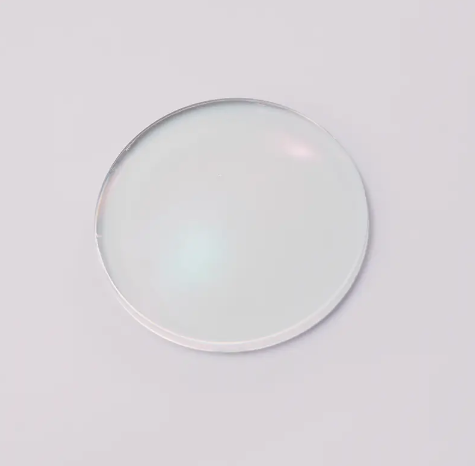
In response, the optical field has adjusted its direction. Blue light blocking lens coating has moved from a specialized option into a more common feature. It is now part of how lenses are designed for daily use. The focus is not only on vision correction, but also on how the eyes feel over time.
Digital gadgets are woven into nearly all parts of our daily lives. Most jobs require us to read documents and type on screens. We chat with others via texts and video calls. Even when we take quick breaks, many scroll online or watch videos.
This constant screen use alters how our eyes work. We hold our vision locked at one unchanging distance for hours on end. We blink far less often than normal, and our eyes rarely shift focus naturally. These tiny strains add up bit by bit through the whole day.
Surrounding conditions make this worse too. Indoor lights, glare bouncing off displays and uneven screen brightness all affect how light hits our eyes. The discomfort doesn't hit as sharp pain right away; it creeps up slowly. Most people feel eye fatigue, dryness or mild strain after long hours of screen time.
Because of these common uncomfortable symptoms, more people pay attention to protecting their eyes in daily life. Instead of waiting until eye issues grow serious, they seek simple ways to reduce eye pressure during regular screen use.
Blue light blocking coating is a thin film layered onto eyeglass lenses. Its job is to control specific light rays that hit and travel through the lens.
It does not filter every type of light equally. Most light passes through with little interference, while problematic light waves are toned down to ease their impact. The coating never fully blocks all blue light; its main aim is to make viewing more comfortable overall.
This thin film works without obvious visual shifts. It won't drastically warp the way you perceive colors or outlines. It simply cuts down harsh light exposure that leaves eyes sore after hours staring at digital screens.
This design idea reflects a bigger change in eyewear development. Lenses aren't just for fixing blurry vision anymore. Modern lens treatments also focus on keeping eyes comfortable through long daily use.
Visual comfort is not always easy to define. It is often noticed only when it is missing. When the eyes feel relaxed, people rarely think about it. When discomfort appears, it becomes more noticeable.
Blue light blocking coatings aim to support this comfort in subtle ways. By adjusting how light reaches the eyes, they may help reduce the sense of glare from screens. The visual field can feel calmer, especially during long sessions of reading or viewing.
This does not mean the coating changes everything. Breaks, posture, and lighting still matter. However, the coating becomes part of a larger system that supports the eyes.
Many users describe the difference as a softer viewing experience. The screen feels less harsh. Transitions between tasks may also feel smoother. These effects are often gradual rather than immediate.
Lens coatings were once seen as optional. They were added for specific needs, such as reducing reflections or improving durability. Now, coatings are becoming a central part of lens design.
This change reflects how daily life has evolved. Lenses are used in more varied environments. A single pair of glasses may be worn at work, at home, and outdoors. Each setting brings different lighting conditions.
Blue light blocking coatings respond to this variety. They aim to support the eyes across different situations without requiring multiple pairs of glasses. This flexibility is important for users who move between tasks throughout the day.
Manufacturers are also paying closer attention to user experience. It is not only about how clearly someone can see. It is about how the eyes feel after hours of use. Coatings are one way to address this need.
More customers now want lenses with special surface coatings, pushing manufacturers to rethink their production workflows. Lens coating isn't just a quick extra step; the whole process needs strict control to guarantee even film coverage and reliable long-term performance.
Factories now put consistency above all else. Every single lens must get the exact same coating thickness all over its surface. Even tiny inconsistencies will alter how light bounces and passes through the lens, so manufacturers have standardized every production stage.
Automated equipment has become key to this upgrade. These machines keep temperature, spray volume and other coating conditions steady the whole time. They cut down uneven coating layers and surface flaws, making finished lenses far more reliable.
Quality checks are also built into every production stage, instead of only testing finished lenses at the end line. Any minor faults get spotted and fixed right away before large batches are affected.
All these adjustments make production results much easier to forecast. Factories can keep up with the rising order volume for coated lenses without sacrificing stable product quality.
Not everyone uses lenses with blue light blocking coatings. Many people still rely on standard lenses. In these cases, certain challenges may become more noticeable over time.
Common experiences include:
These issues are not always severe. They often build slowly. Because of this, they can be easy to overlook at first.
Blue light blocking coatings are one way to address these concerns. They do not replace healthy habits, but they can support them.
People now take a more forward-thinking approach to looking after their eyes. They care about eye comfort as much as clear vision, and this mindset changes how they pick their glasses lenses.
Blue light filter coatings match this new way of thinking. They're a simple tool to reduce strain during daily screen work, letting people avoid eye discomfort before it even starts, rather than dealing with tired eyes after the fact.
Public awareness has also grown a lot. More people read about how heavy screen use affects their eyes, so they actively seek out lens features that make long daily viewing easier.
Eye doctors have adjusted their consultations too. When recommending lenses, they no longer only talk about vision correction. They ask about daily screen hours, work environments and regular routines.
Vision care has become much more tailored to each person's lifestyle. Anti-blue coatings are just one customizable option that opticians can suggest based on a customer's unique daily habits.
The production of coated lenses involves several connected steps. Each step contributes to the final result. A simplified overview is shown below.
| Production Stage | Role in Coating Process | Result for the Lens |
|---|---|---|
| Surface preparation | Cleans and smooths the lens | Stable base for coating |
| Coating application | Applies a thin layer evenly | Balanced light interaction |
| Controlled setting | Allows the layer to settle properly | Consistent surface behavior |
| Surface finishing | Refines the outer layer | Clear and even appearance |
| Inspection | Checks for irregularities | Reduced variation |
Each stage is connected. If one step is uneven, it can affect the next. This is why controlled processes are important.
The goal is to create a lens that performs in a stable way. The coating should remain consistent across different batches.
User feedback plays a growing role in how lenses are developed. Manufacturers are paying attention to how people describe their daily experience.
Instead of focusing only on technical performance, there is more emphasis on comfort and ease of use. Comments about glare, screen brightness, and long-term wear are taken into account.
This feedback influences design decisions. Coatings are adjusted to better match real-life use. The aim is to create lenses that fit into everyday routines without requiring major changes in behavior.
The relationship between users and manufacturers is becoming more interactive. Products evolve based on how they are used, not just how they are designed.
The rise of blue light blocking lens coating reflects a broader movement in the optical field. The focus is expanding from correction to overall visual experience.
This shift connects with changes in lifestyle, technology, and user awareness. As daily habits continue to evolve, the tools used to support them also change.
Lens coatings are one example of this adaptation. They show how small adjustments in design can respond to larger patterns in behavior.
Production methods, user expectations, and product design are all moving in the same direction. Together, they are shaping how everyday vision protection is understood.
If you have any questions, please fill out the contact form at the bottom of the page and contact us.
Best selling Products
Best sellers, Globally Chosen
This pair of women's retro cat-eye semi-rimless sm...
Accurate measurements of the distance between the...
The 1.56 Bifocal lenses combine advanced optical t...
Contact
Let’s Work Together
© Thinkey Optical Co., Ltd.
Quick Links
Stay In Touch
Address:
611# Paimen Road DuQiao Town Linhai City Zhejiang China.
Phone:
0086-13788990737
Email:
Website

China Lenses and Eyeglass Factory
 Previous