
 English
 русский
 Français
 Español
 Deutsch
 عربى
عربى
1.56 Anti-Fatigue UC,HC,HMC,SHMC Custom
Taizhou Xinke Optical Glasses Co., Ltd., a advocates in value-driven optical innovation, today announced the launch of the "F3 Series Photoc...
READ MORE
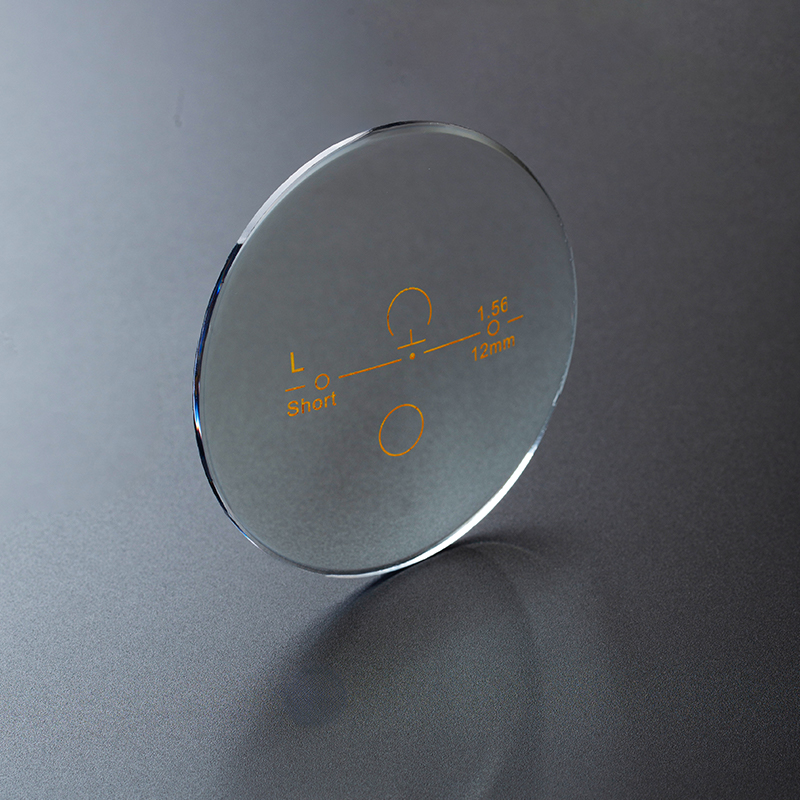
The lenses are designed using microwave technology, allowing more natural eye accommodation and effectively relieving visual discomfort. The inner aspheric surface reduces peripheral aberrations, enhancing peripheral vision and overall visual clarity. Designed to align with the reading, study, and work habits of Chinese users, these lenses provide longer-lasting, clear vision.
Relieving Accommodative Stress: When focusing on near objects, the ciliary muscle needs to continuously contract to adjust the focal length, which can easily lead to fatigue over time. Anti-fatigue lenses typically have a lower additional power (usually +0.50D to +1.25D) in the lower half to help reduce the accommodative burden on the eyes, similar to "miniature progressive lenses," but with a smoother accommodative zone.
Improving Visual Field Zones: The upper part of the lens is suitable for distance vision, the middle transition zone is for intermediate distances (such as computer screens), and the lower part is for near reading, making it easier for the eyes to switch between different distances.
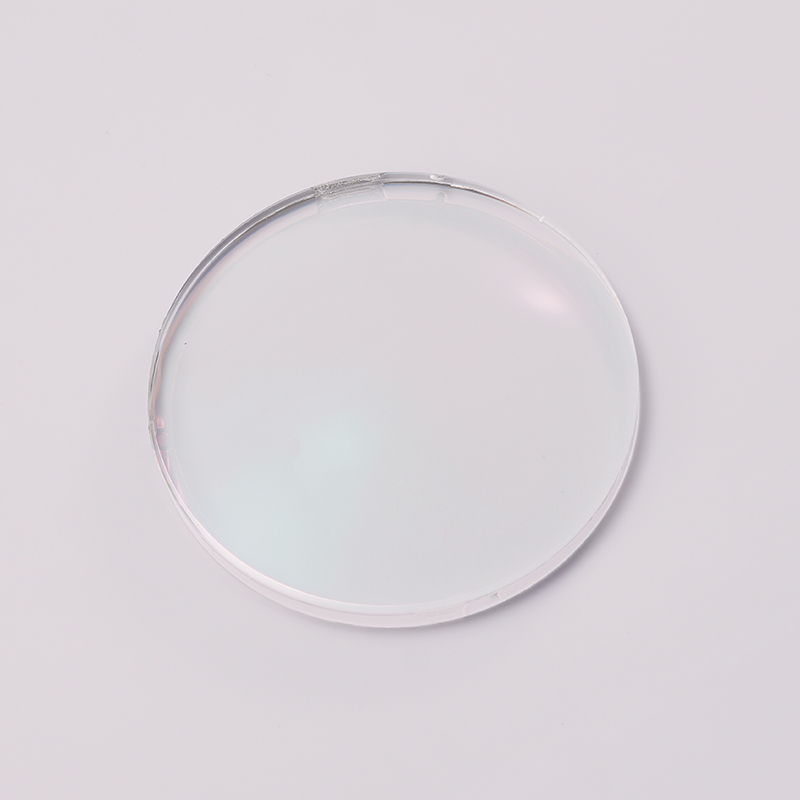 1.591 PC Polycarbonate Photo Grey Single Vision UC,HC,HMC,SHMC
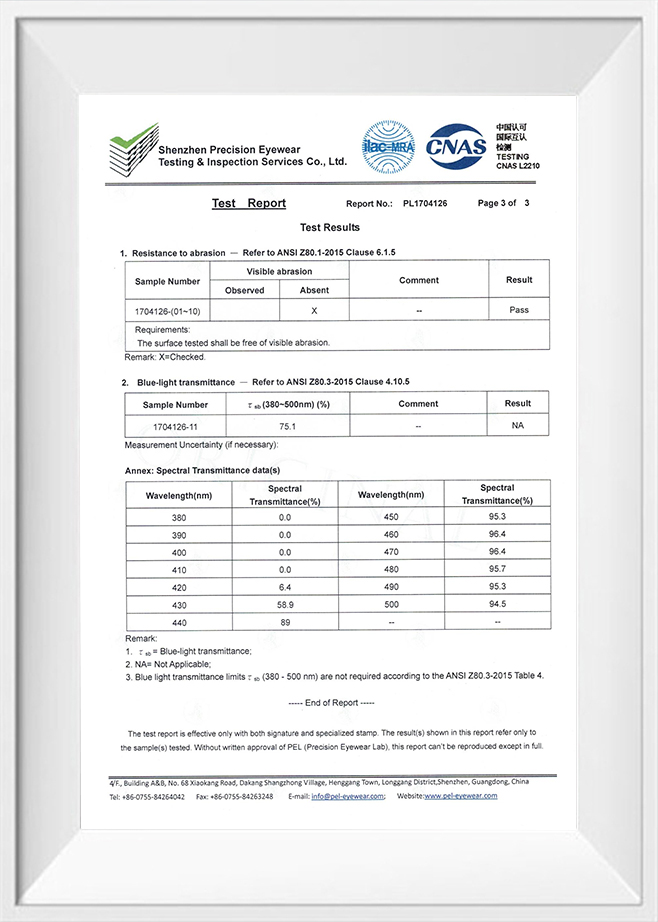
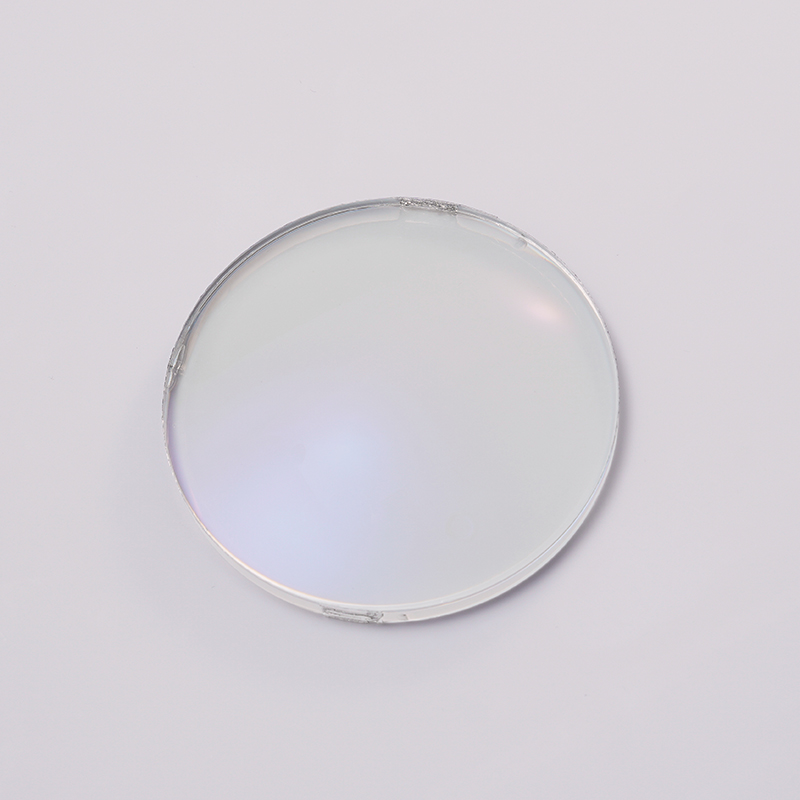 1.591 PC Polycarbonate Photo Grey Blue Cut UV420 Single Vision UC,HC,HMC,SHMC
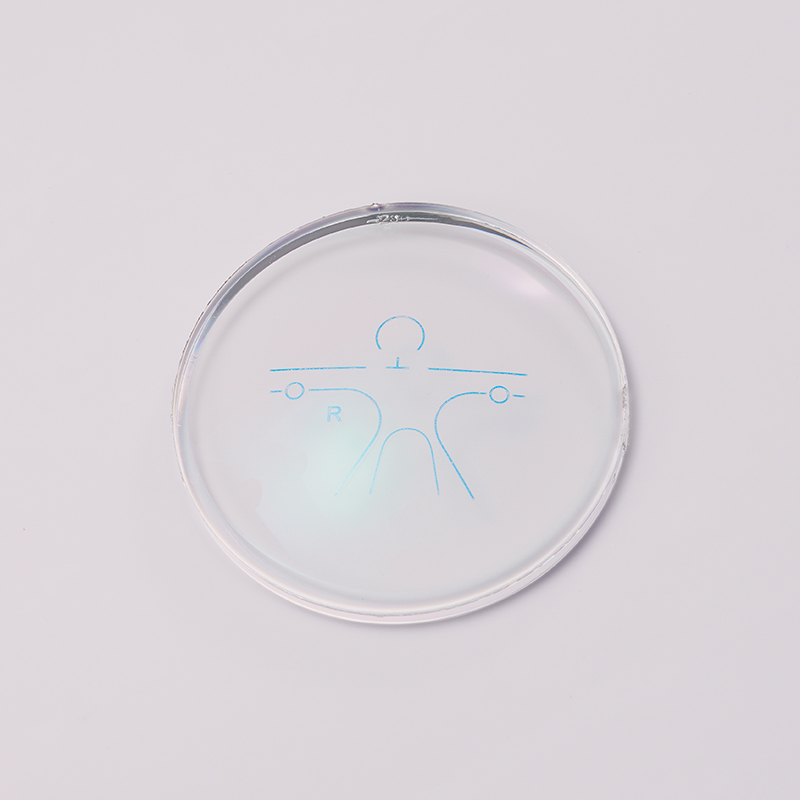 1.591 PC Polycarbonate Photo Grey, Brown Progressive UC,HC,HMC,SHMC
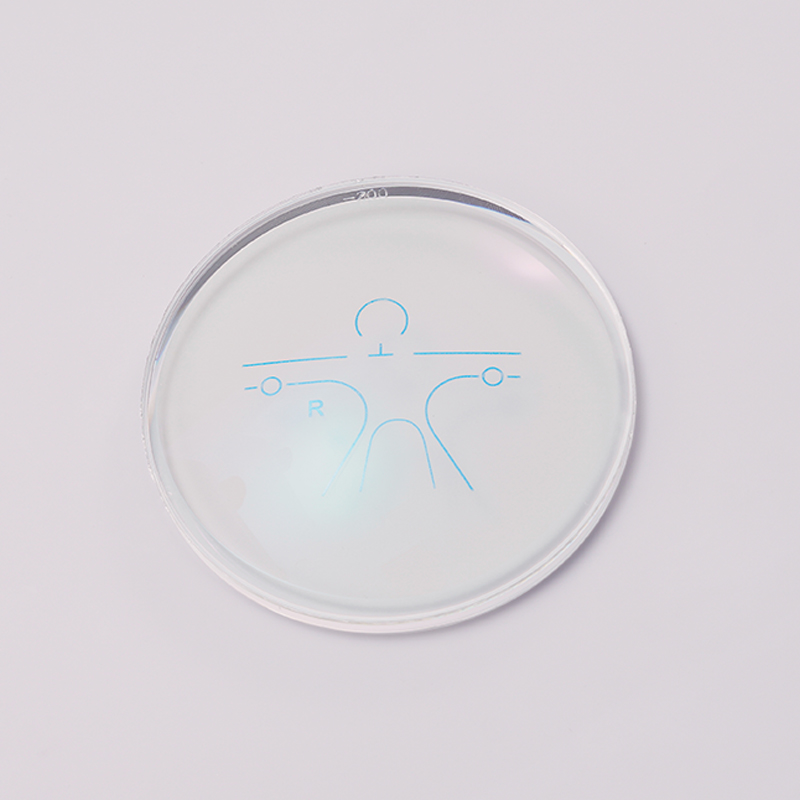 1.591 PC Polycarbonate Blue Cut UV420 Progressive UC,HC,HMC,SHMC
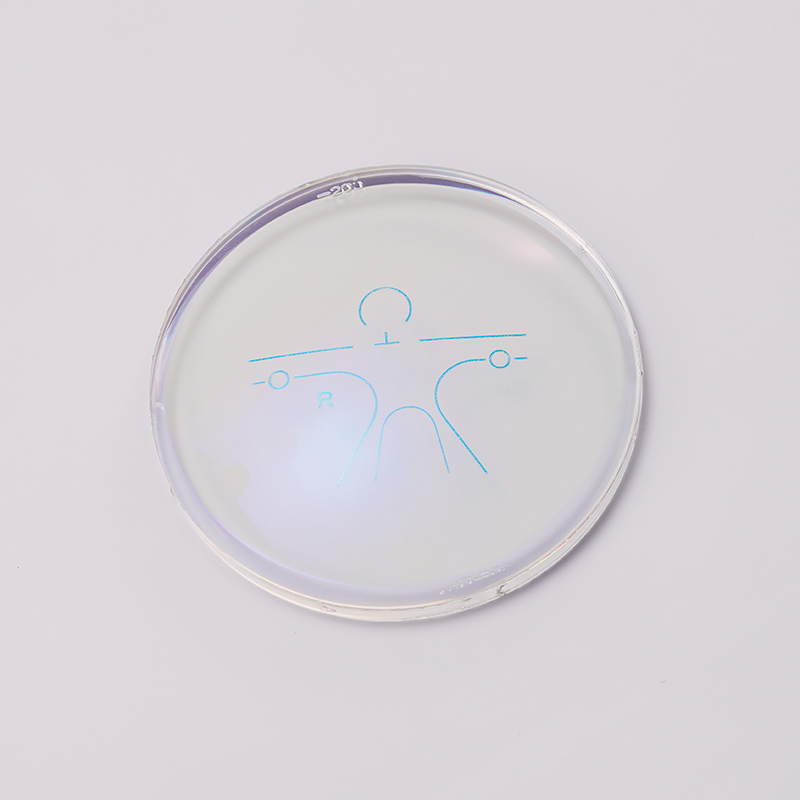 1.591 PC Polycarbonate Photo Grey, Brown Blue Cut UV420 Progressive UC,HC,HMC,SHMC

Taizhou Xinke Optical Glasses Co., Ltd., a advocates in value-driven optical innovation, today announced the launch of the "F3 Series Photoc...
READ MORETaizhou Xinke Optical Glasses Co., Ltd.,Unveils Next-Gen "Flash-Transition" Optical Series: 1-Second Activation, 5-Second Full Darkening for...
READ MOREReading habits today are not fixed anymore. People switch between books, phones, and screens throughout the day. In this kind of routine, on...
READ MOREBlue Light Blocking Lens Coating are now part of many daily routines. They are used during screen work, reading, and even casual browsing. T...
READ MOREWe are thrilled to announce the official launch of our brand‑new Annular Multi‑point Defocus Myopia Control Lens Series, designed to provide...
READ MOREContact
Let’s Work Together
© Thinkey Optical Co.,Ltd.
Quick Links
Stay In Touch
Address:
611# Paimen Road DuQiao Town Linhai City Zhejiang China.
Phone:
0086-13788990737
Email:
Website

China Lenses and Eyeglass Factory