
 English
 русский
 Français
 Español
 Deutsch
 عربى
عربى
Industry News
Home / News / Industry News / How Do You Clean Glasses With Blue Light Blocking Lens Coating Properly

Content
Blue Light Blocking Lens Coating are now part of many daily routines. They are used during screen work, reading, and even casual browsing. The coating on the lenses is very thin, and more of the time it is not noticed at all. It sits quietly on the surface, helping filter light while the glasses are in use.
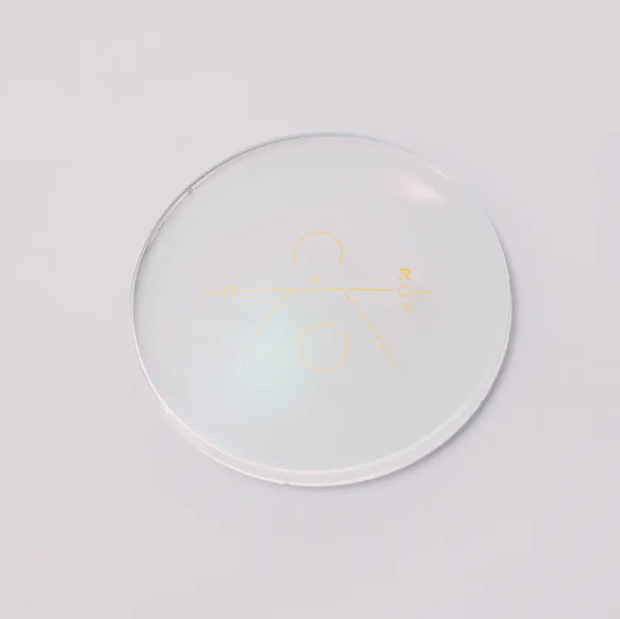
Cleaning these lenses is simple, but not something to rush. The coating can be affected by small habits. How the glasses are wiped, what they touch, and how they are stored all matter over time.
At glance, coated lenses look like regular glasses. The difference is on the surface. The blue light blocking lens coating layer is delicate and can slowly change if handled roughly.
When cleaning is not done properly, some things may appear over time:
These changes are usually gradual. They are easy to miss at the beginning.
Many issues come from everyday habits that seem harmless. Most people do not notice them at all.
Common things to avoid:
Even one or two of these habits, repeated over time, can affect the lens surface.
A simple way to look at it:
| Action | Possible Result Over Time |
|---|---|
| Dry wiping | Fine surface marks |
| Dirty cloth | Smearing or residue |
| Direct spray use | Uneven cleaning marks |
| Rinsing first | Safer and smoother cleaning |
A small step that often gets skipped is rinsing. Dust and tiny particles are not always visible, but they sit on the lens.
If the lens is wiped directly, those particles can move across the surface.
A safer start is simple:
This reduces friction during cleaning and helps protect the coating.
The cloth matters more than many people expect. A soft and clean cloth makes a big difference in daily use.
A good cloth should feel smooth and be free of dust. It should also be kept clean, not mixed with other cleaning cloths.
Here is a simple comparison:
| Cloth Type | Effect on Lens Use |
|---|---|
| Clean soft cloth | Gentle and safe wiping |
| Used fabric | May leave residue |
| Paper materials | Can create small marks |
| Dirty cloth | Smears and uneven cleaning |
Even a good cloth becomes less effective if it is not kept clean.
The wiping motion is often rushed, but slower movement tends to work better.
A gentle approach usually includes:
There is no need to press hard. The goal is to remove smudges, not force them away.
Fast wiping often leaves streaks behind. A calm motion usually gives a clearer result.
Sometimes water alone is not enough, especially with fingerprints or oil marks.
If cleaning liquid is used, it should be applied carefully. Spraying directly on the lens is not always ideal, since it can spread unevenly.
A better method:
More liquid does not mean better cleaning. It only increases drying marks.
There is no fixed schedule. It depends on how the glasses are used.
Some people clean them several times a day. Others only clean when visibility starts to feel unclear.
It usually depends on:
A simple rule works better than strict timing: clean when the lens looks or feels less clear.
Cleaning is only part of lens care. Storage is just as important.
When glasses are left open on a table, dust can settle quickly. This makes the next cleaning harder.
Better habits include:
Good storage reduces how often heavy cleaning is needed.
Some people try to clean quickly by pressing harder or wiping many times. This often creates more issues than it solves.
Over time, rough cleaning can Find to:
These changes are not immediate. They build slowly and become noticeable later.
Gentle repetition usually works better than force.
The blue light blocking layer is designed for everyday wear. It handles normal use well, but it still reacts to small repeated actions.
Daily contact includes:
None of these are harmful on their own. The effect comes from repetition over time.
Yes, cleaning habits can change how comfortable the glasses feel.
A clean lens helps light pass more evenly. A smudged one can create slight distractions, especially during screen use.
Clean lenses usually feel:
Comfort is not only about design. It is also about how well the lens is maintained.
A basic routine is usually enough for users. It does not need to be complicated.
A simple flow:
This routine fits easily into daily habits and helps keep lenses clearer for longer.
Lens coatings are thin and not visible in daily use. Because of this, small actions often have a bigger effect than expected.
A few seconds of careful cleaning can help keep clarity stable. On the other hand, rushed habits repeated over time slowly change the surface.
The difference is not immediate. It becomes clear only after regular use.
If you have any questions, please fill out the contact form at the bottom of the page and contact us.
Best selling Products
Best sellers, Globally Chosen
1. Oval small frame with retro tortoiseshell patte...
The 1.56 Beauty Thin Invisible Bifocal lenses prio...
Contact
Let’s Work Together
© Thinkey Optical Co., Ltd.
Quick Links
Stay In Touch
Address:
611# Paimen Road DuQiao Town Linhai City Zhejiang China.
Phone:
0086-13788990737
Email:
Website

China Lenses and Eyeglass Factory
 Previous