
 English
 русский
 Français
 Español
 Deutsch
 عربى
عربى
Tinted Single Vision Lens Price

If you have any questions, please fill out the contact form at the bottom of the page and contact us.
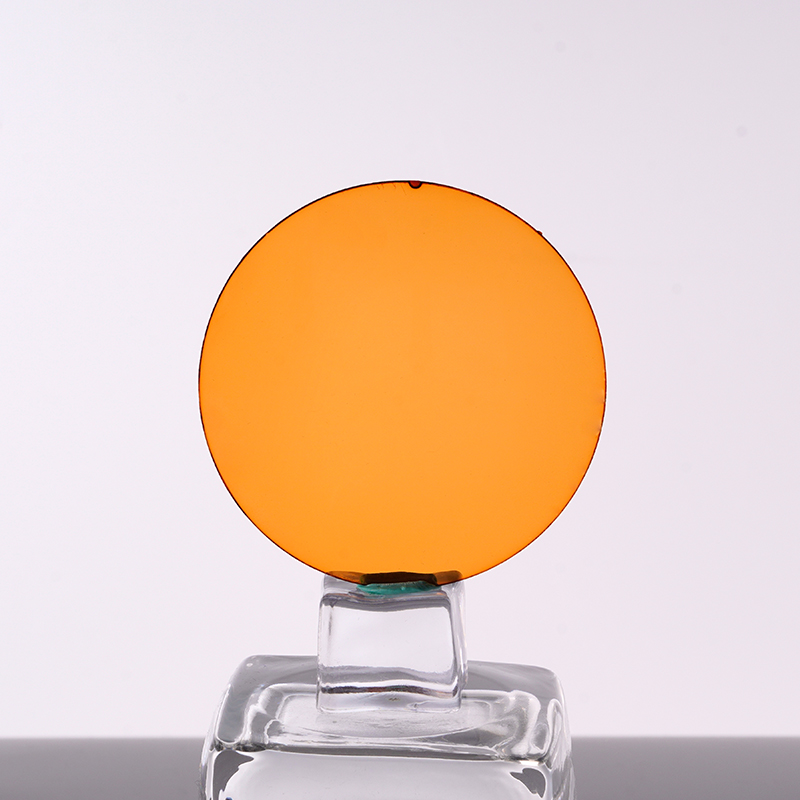 Tinted Sun Lens
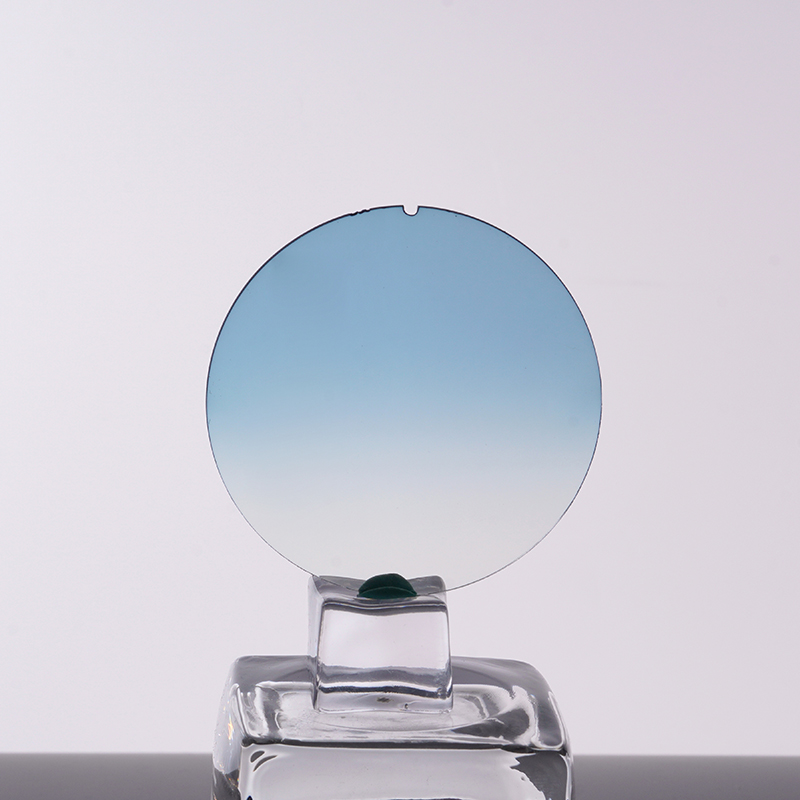 1.499 Gradient Single Vision Sun Lens
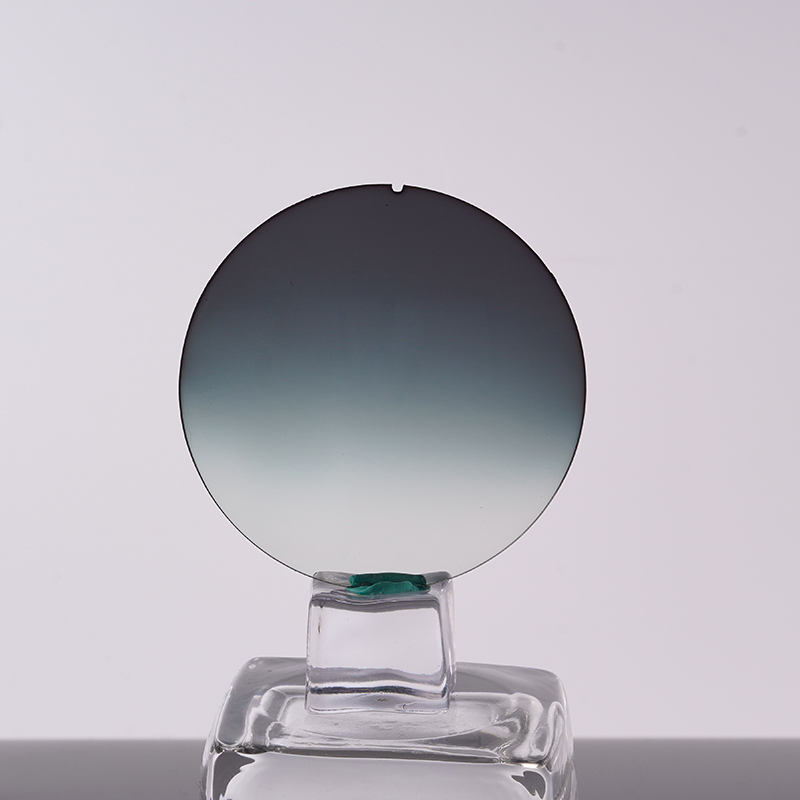 1.499 Polarized Tinted Brown Single Vision Sun Lens
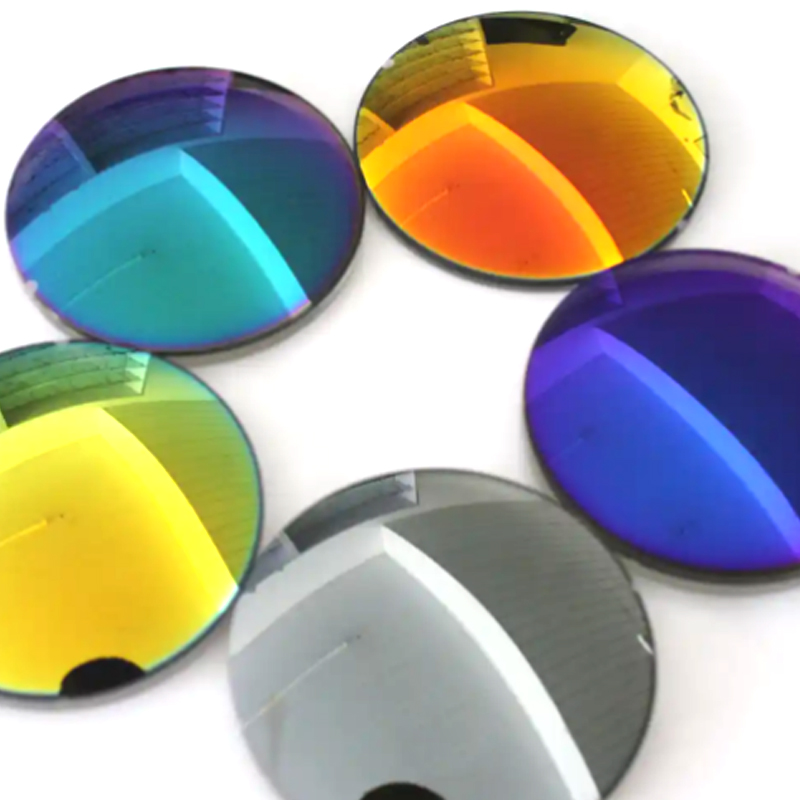 1.56 Tinted Single Vision Mirror Sun Lens
Solid-color tinted lenses, such as gray, brown, or blue, with a uniform color that absorbs light evenly, are suitable for everyday outdoor activities. Gray lenses, in particular, preserve the true colors of objects, while brown lenses filter out blue light and enhance contrast. Gradient-tinted lenses: The color gradually darkens from the top to the bottom of the lens, being lighter at the top to reduce eye strain and darker at the bottom to block strong light, suitable for driving or outdoor sports. Mirror-tinted lenses: With a metallic reflective coating on the surface, they reflect most light, making them suitable for bright light environments.

Photochromic cycling eyewear adjusts lens tint according to surrounding light. Clear vision remains essential when ridin...
READ MOREA supplier tells you their blue light protection lenses block 45% of blue light. Another offers 30%. The first quot...
READ MOREA pair of sunglasses may look simple when it's sitting on a table, but its structure becomes genuinely more interestin...
READ MOREEyewear has always had two important roles. It needs to support vision, but it is also something people wear every day...
READ MORESun lenses, typically referring to lenses that are tinted or polarized for outdoor use, undergo specific grinding processes that affect their optical and physical properties.
Curve generation and base curve selection: The grinding process begins with selecting an appropriate base curve for the front surface of the lens. For sun lenses, the base curve must account for the wrap of the frame, particularly in stylish or sportier designs. A mismatched base curve can induce optical distortion or reduce the effectiveness of polarization.
Thickness reduction and edge uniformity: Grinding the back surface to achieve the prescribed power removes material from the lens blank. For sun lenses, maintaining uniform thickness across the lens is important for consistent tint darkness. Variations in thickness can cause the tint to appear lighter in thinner areas and darker in thicker sections, creating an uneven cosmetic appearance.
Polarization axis alignment: If the sun lens is polarized, the grinding process must maintain precise orientation of the polarizing film within the lens. Even slight rotation during edging can misalign the filter, reducing its effectiveness in glare reduction. Laboratory technicians verify axis alignment before final cutting.
A stock lens is fully manufactured with both front and back curves finished to a specific spherical or toric power. It awaits only edging to match a frame shape. A custom lens, by contrast, starts as a semi-finished blank with only the front curve pre-generated; the back surface is ground to the exact prescription after the order is received.
Stock lenses offer faster turnaround times because the optical work is already complete. They are typically available for common prescriptions within a certain range, often from -4.00 to +4.00 with a cylinder up to -2.00. For prescriptions within this range, stock lenses provide a cost-effective option.
Prescriptions outside the common range may not be available as stock lenses. Higher powers, high cylinder values, or prism requirements generally necessitate custom surfacing. Additionally, stock lenses offer limited options for material and design variations compared to custom lenses.
Yes. Stock lenses made from materials compatible with tinting, such as CR-39 plastic, can be dipped in dye solutions to achieve solid tints or gradients.
Some stock lenses come with factory-applied hard coatings or anti-reflective treatments. Others are uncoated and may receive coatings after edging, depending on the laboratory's capabilities.
If the prescription falls within the stock range and the frame is in stock, glasses can often be completed within one to three days, as only cutting and mounting are required.
Yes, polycarbonate stock lenses are common for prescriptions within the typical range, particularly for children's eyewear and safety frames.
Tinting a single vision lens involves adding color to the lens material or surface to reduce light transmission or achieve a specific cosmetic effect. Several methods exist, each suited to different lens materials and desired outcomes.
Dye immersion process for plastic lenses
Lenses made from CR-39 plastic are placed in a heated dye solution containing dispersed colorants.
The lens absorbs the dye, with darker tints achieved through longer immersion times.
Temperature is carefully controlled, typically between 180°F and 200°F, to ensure even absorption.
Gradient tints require controlled dipping and withdrawal rates to create the transition from darker to lighter areas.
In-mass tinting for certain materials
Some lens materials have color incorporated during the manufacturing of the raw lens blank.
The tint is uniform throughout the lens and cannot be removed or altered.
This method is common for sunglass lenses, where a consistent color across different prescriptions is desired.
The tint density remains unchanged even if the lens is ground to different thicknesses.
Vacuum coating for glass and polycarbonate
Glass lenses and some polycarbonate lenses that do not accept dye receive tint through thin-film coatings.
The lens is placed in a vacuum chamber where metallic oxides are deposited on the surface.
Layer thickness determines the final color and density of the tint.
This method allows for precise control of light transmission and reflective properties.
Polarized tint combinations
For polarized tinted lenses, the polarizing film is sandwiched between lens layers.
The tint may be incorporated into the film itself or added to one of the outer layers.
This approach combines glare reduction with specific light transmission levels.
Contact
Let’s Work Together
© Thinkey Optical Co., Ltd.
Quick Links
Stay In Touch
Address:
611# Paimen Road DuQiao Town Linhai City Zhejiang China.
Phone:
0086-13788990737
Email:
Website

Single Vision Stock Lens Factory