
 English
 русский
 Français
 Español
 Deutsch
 عربى
عربى
OEM/ODM Drive Lens


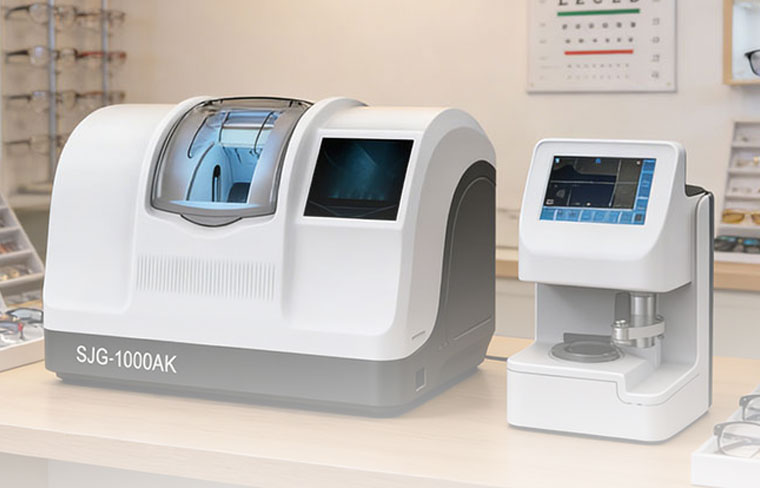
Spectacle Lens Blue Light have become part of everyday eyewear discussions. Not only in optical shops, but also in offic...
READ MORE

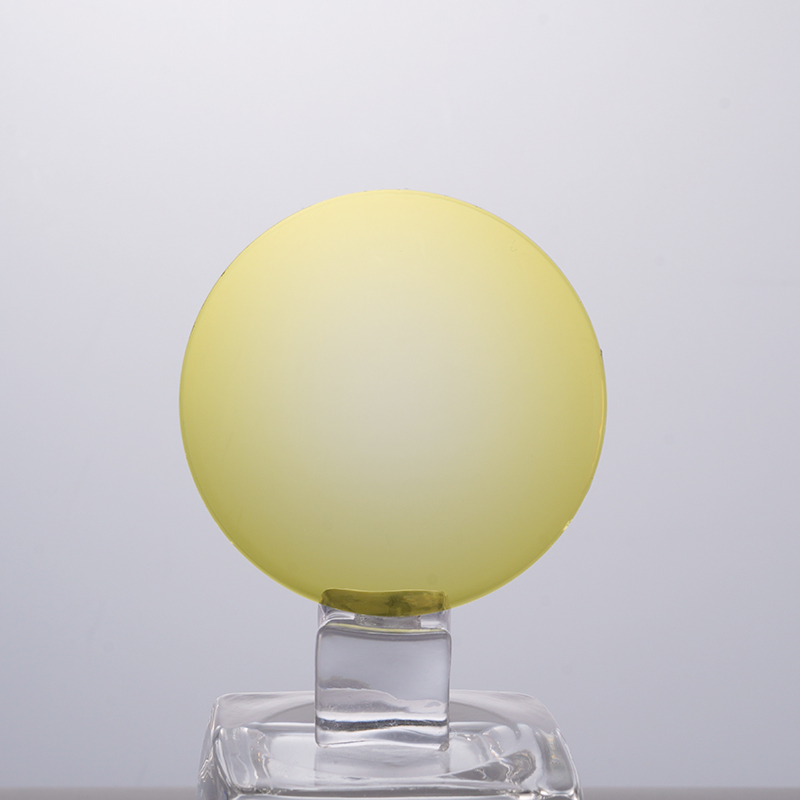 1.56 Driving Spin Photo Grey Single Vision
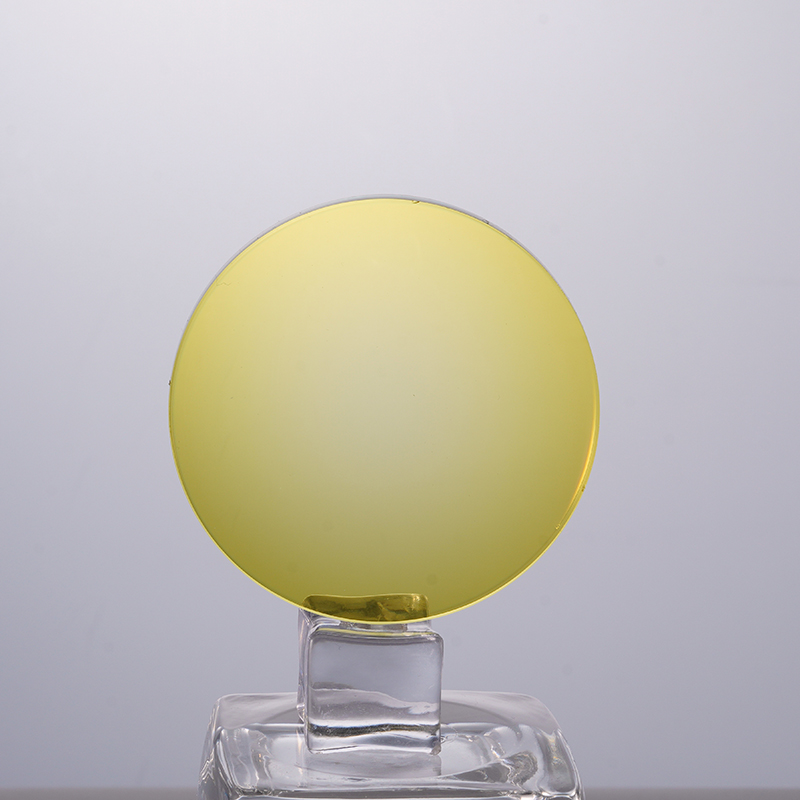 1.56 Driving Blue Block Single Vision
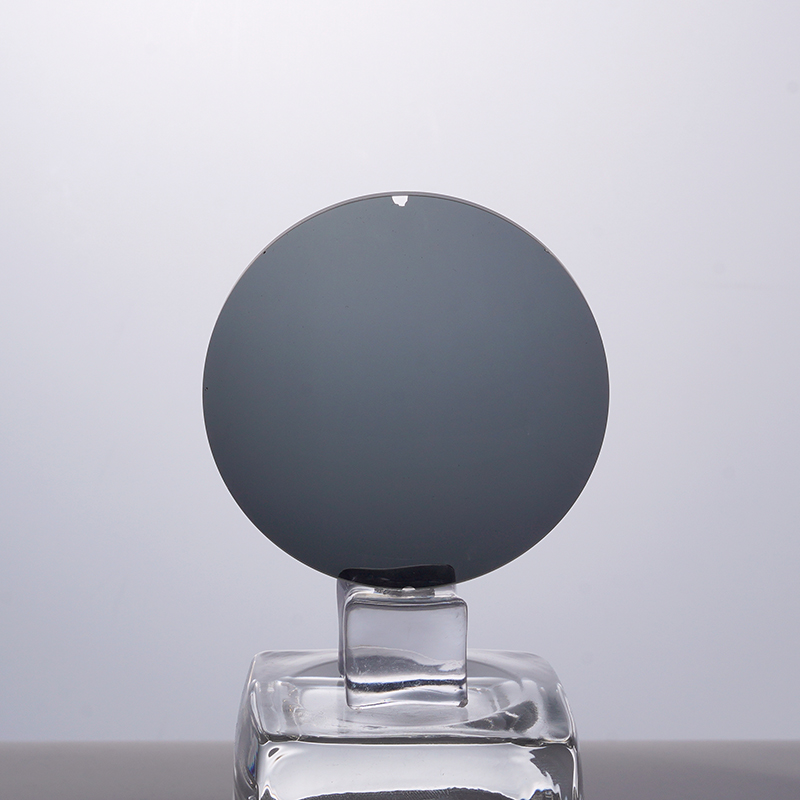 1.499, 1.56 Polarized Grey, Brown, Green Single Vision Lens
Polarized anti-fog driving lenses are designed specifically for driving environments. They use special coatings or technologies to prevent fogging, ensuring clear vision. Their core functions include:
Anti-fog: Utilizes a hydrophilic nanofilm layer or heating technology to prevent water vapor condensation.
Polarization: Filters glare reflected from road surfaces, water, etc., improving driving safety.
Durability: Scratch-resistant and impact-resistant for long-lasting performance.

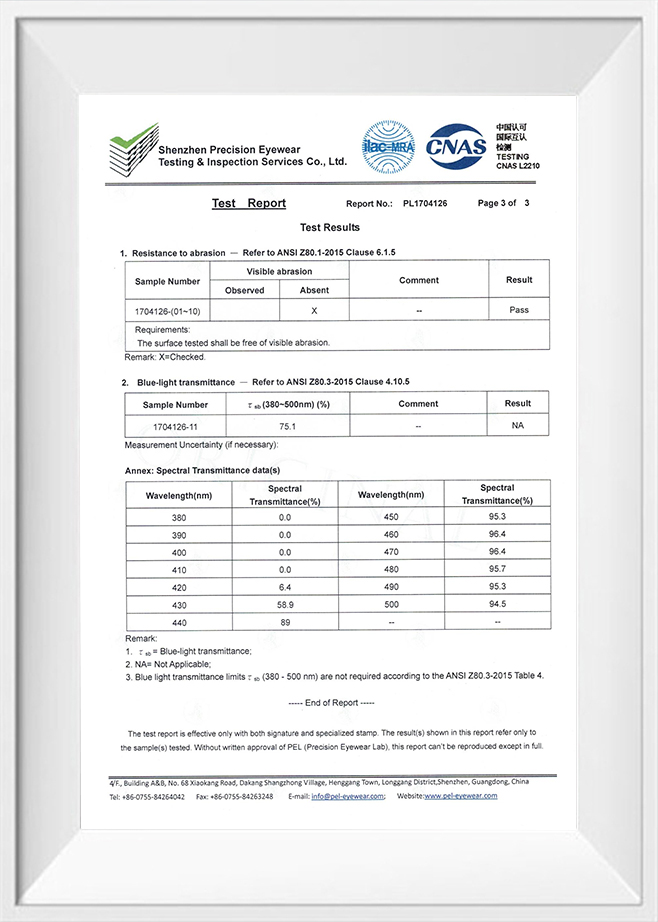
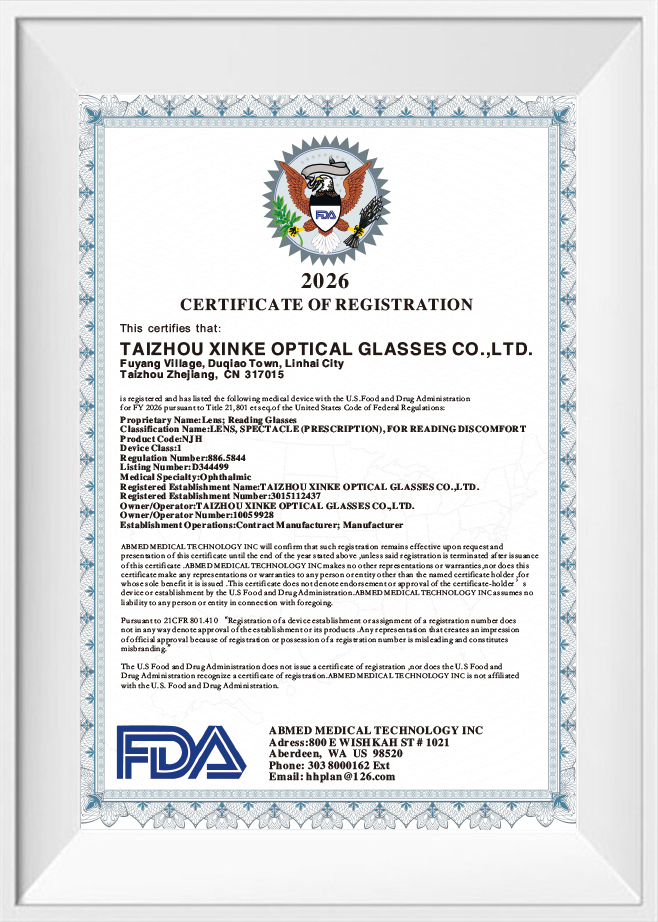
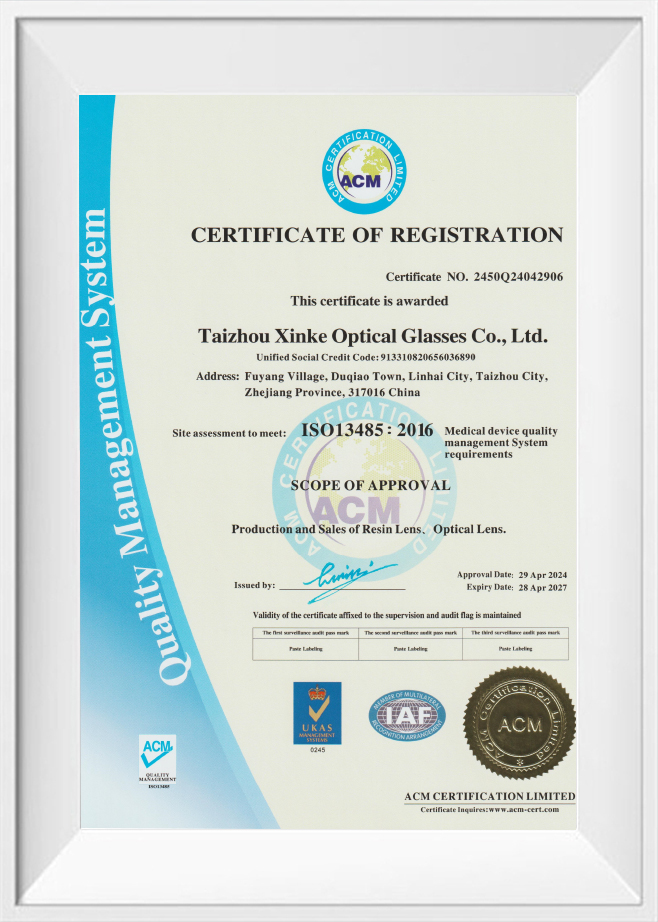
Spectacle Lens Blue Light have become part of everyday eyewear discussions. Not only in optical shops, but also in offic...
READ MOREThe way people use their eyes has changed. Screens are no longer limited to offices. They are in homes, in transit, and ...
READ MOREReading has changed in quiet but noticeable ways. It no longer happens in a single format. A person may start with a pri...
READ MOREIn many workspaces, screens stay on from morning until late evening. People move from laptops to phones without much pau...
READ MOREDrive lenses are typically equipped with photochromic technology, which helps the lenses darken when exposed to sunlight and clear up in low-light conditions. This feature is especially useful when driving during the day and transitioning into areas with fluctuating lighting, such as tunnels or shaded roads.
One of the key features of drive lenses is their ability to reduce glare from oncoming headlights at night. This is often achieved through special coatings or tints that help soften the harsh light and reduce visual discomfort. Some drive lenses include anti-reflective coatings to enhance contrast and improve night vision.
Drive lenses can also be designed to enhance contrast and visibility during foggy, rainy, or cloudy conditions. Some lenses feature hydrophobic coatings that repel water and minimize the impact of rain on the lens surface, ensuring clearer vision. Additionally, certain lenses are treated to reduce reflections, making it easier to see in adverse weather.
While drive lenses are designed with specific features to enhance driving comfort, they are not universally suited for all types of driving. For example, they are primarily beneficial for road driving and may not be optimized for high-speed driving or situations that require sharp focus.
Progressive lenses are becoming increasingly important for individuals who need vision correction for multiple distances, such as those who require help with both near and far vision. For long-distance driving, progressive lenses can be crucial, offering several benefits that improve overall driving safety and comfort.
Progressive lenses provide clear vision at various distances without visible lines between different focal zones. This feature is particularly beneficial for long-distance driving, where drivers need to focus on objects at various distances, such as the road ahead, the dashboard, and mirrors, without switching between multiple pairs of glasses.
With progressive lenses, drivers can easily shift their focus from distant objects (e.g., road signs, vehicles) to closer objects (e.g., dashboard controls, GPS) with smooth transitions. This seamless transition helps avoid the discomfort that can arise from constantly shifting focus between different types of vision correction.
Long periods of driving can bring about eye fatigue as drivers constantly adjust their vision for varying distances. Progressive lenses reduce this strain by providing continuous, comfortable vision at all distances, reducing the need for frequent eye adjustments. This allows drivers to stay more focused on the road for longer periods without feeling tired or strained.
While progressive lenses improve central vision for near, intermediate, and far distances, they also enhance peripheral vision, which is important for driving. The wide range of vision helps drivers react quickly to changes in their surroundings, such as pedestrians, other vehicles, or obstacles on the road.
Drive night lenses are a specialized type of lens designed to improve vision during nighttime driving, where challenges such as glare from headlights and reduced visibility can pose significant problems. The science and technology behind these lenses focus on addressing these challenges and enhancing overall visual comfort during night driving.
Drive night lenses use coatings designed to reduce glare from oncoming headlights, which is a common issue when driving at night. Anti-reflective coatings are commonly used to minimize the light reflections from the lens surface, allowing more light to pass through the lens and improving contrast. This helps drivers see more clearly without being distracted or blinded by bright headlights.
Some drive night lenses feature a slight yellow or amber tint, which helps improve contrast and depth perception in low-light conditions. The tint can filter out blue light, which is often scattered in the night sky, reducing the overall glare and making objects more defined and visible. The tint enhances clarity without significantly darkening the surroundings.
In addition to anti-reflective coatings and tinting, night driving lenses are often designed to enhance contrast in dark environments. By increasing the contrast between light and dark areas, these lenses help drivers distinguish between objects, road signs, and other vehicles more easily in dim lighting conditions. This technology aids in preventing accidents caused by poor visibility.
Contact
Let’s Work Together
© Thinkey Optical Co.,Ltd.
Quick Links
Stay In Touch
Address:
611# Paimen Road DuQiao Town Linhai City Zhejiang China.
Phone:
0086-13788990737
Email:
Website

China Drive Lens