 English
 русский
 Français
 Español
 Deutsch
 عربى
عربى
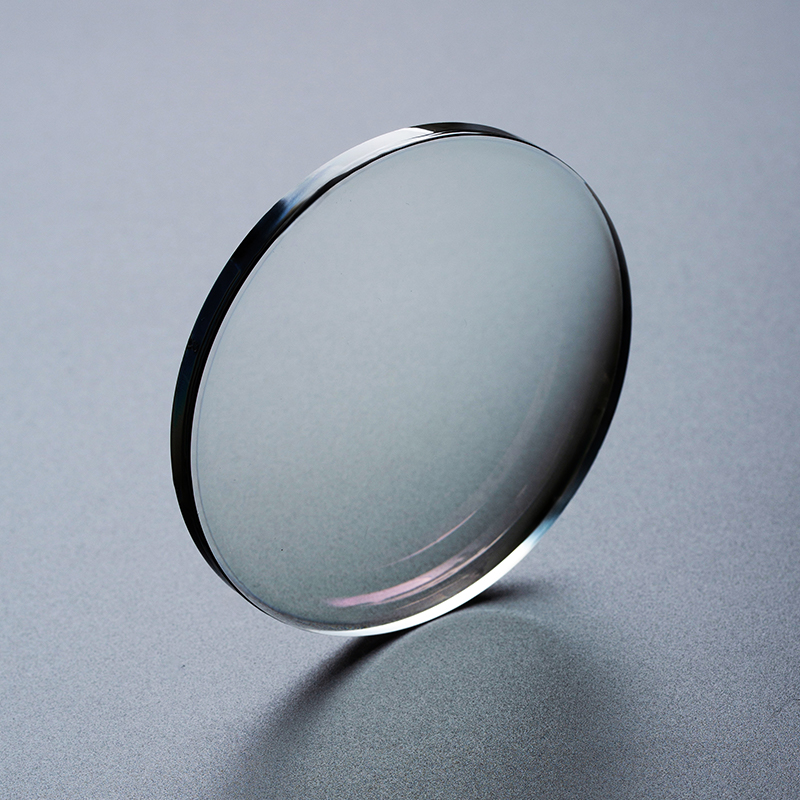
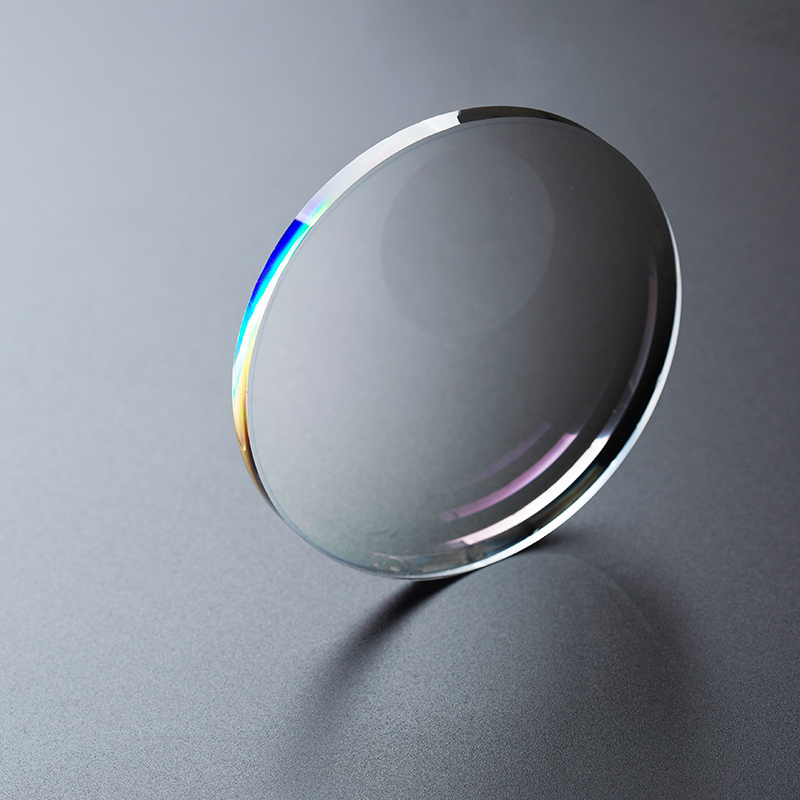
Photochromic Lenses Wholesale

If you have any questions, please fill out the contact form at the bottom of the page and contact us.
Photochromic lenses are lenses that automatically darken according to the intensity of ultraviolet light and return to transparency indoors or in the dark. They achieve this function by adding photosensitive substances to the lens material and utilizing the reversible photochromic reaction. They can also function as myopia correction lenses and sunglasses, protecting the eyes from strong light and excessive ultraviolet damage. Currently, there are technologies such as substrate color change (base color change) and surface film color change (film color change).
Advantages:
Convenience: One pair of glasses can meet both indoor and outdoor needs, eliminating the need for frequent replacements.
Eye Protection: Automatically adjusts light, reducing eye strain, while blocking UV rays.


Photochromic cycling eyewear adjusts lens tint according to surrounding light. Clear vision remains essential when ridin...
READ MOREA supplier tells you their blue light protection lenses block 45% of blue light. Another offers 30%. The first quot...
READ MOREA pair of sunglasses may look simple when it's sitting on a table, but its structure becomes genuinely more interestin...
READ MOREEyewear has always had two important roles. It needs to support vision, but it is also something people wear every day...
READ MOREPhotochromic lenses are designed to change their color based on exposure to ultraviolet (UV) light, typically darkening in bright sunlight and returning to a clear state indoors. The manufacturing process of these lenses involves different methods to apply the photochromic material to the lenses. Two common methods for producing photochromic lenses are the spin coating and dip coating techniques. Here are the differences between these two processes:
Spin Coating
Process: In spin coating, the lens is placed on a rotating platform, and a liquid photochromic solution is applied. As the lens spins, the solution is evenly distributed over the surface, creating a uniform coating.
Advantages: Spin-coated lenses are often more precise in terms of the thickness and consistency of the coating. The process is quicker and can be more efficient for mass production.
Limitations: This method may have limitations when dealing with larger lenses or lenses with complex shapes, as the coating might not adhere uniformly across the entire surface.
Dip Coating
Process: Dip coating involves immersing the lens in a bath of liquid photochromic solution. The lens is then withdrawn at a controlled speed, allowing the solution to form a coating on the surface.
Advantages: Dip coating is suitable for larger lenses and lenses with more intricate contours. It ensures that the coating adheres well to the surface, even for more complex shapes.
Limitations: This method tends to be more time-consuming and may result in slight variations in the coating thickness.
Photochromic lenses, also known as transition lenses, are designed to adjust their tint based on environmental light conditions. They darken when exposed to UV light and return to clear when indoors or in low-light environments. Several key aspects should be considered when evaluating photochromic lenses:
UV Sensitivity:
Photochromic lenses rely on ultraviolet (UV) light to trigger their darkening process. The lenses contain special photochromic molecules that change structure when exposed to UV light, causing the lenses to darken. Therefore, their effectiveness depends on the level of UV exposure.
Speed of Transition:
The time it takes for photochromic lenses to change from clear to dark and back is an important factor. Some lenses may transition quickly, while others may take longer to adjust, particularly in different lighting conditions. The speed of transition can vary based on the type of photochromic material used and the ambient temperature.
Temperature Sensitivity:
The performance of photochromic lenses can be affected by temperature. In warmer conditions, some lenses may not darken as much, or they may take longer to return to a clear state. In contrast, colder temperatures can cause the lenses to transition more quickly
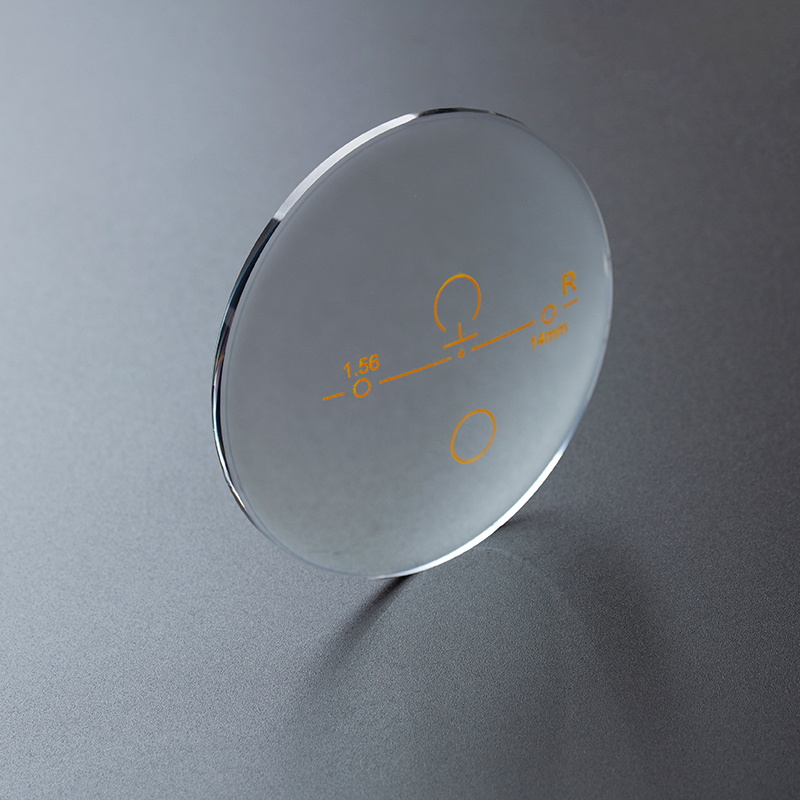
The combination of progressive lenses with photochromic technology provides users with multifocal correction and the convenience of lenses that adjust to different light conditions. This combination is particularly useful for individuals who need both near and distance vision correction while frequently transitioning between indoor and outdoor environments. Understanding the chemical basis of the photochromic reaction helps explain how these lenses work.
Photochromic Molecules:
The core mechanism behind photochromic lenses involves organic molecules that undergo a reversible chemical change when exposed to UV light. Typically, the molecules used are silver halides or other compounds that react to UV radiation by changing their molecular structure. In their inactive state, the molecules are transparent, but upon UV exposure, they rearrange to form a darker structure, which absorbs visible light and causes the lens to darken.
UV Activation:
The process begins when the lens is exposed to UV light, such as sunlight. The UV radiation excites the photochromic molecules, causing them to change shape and absorb more visible light, which results in the darkening effect. This reaction is reversible, so once the UV light is removed, the molecules return to their original structure, and the lens becomes clear again.
sensitive to UV light at lower temperatures, which can cause them to darken more rapidly. However, at higher temperatures, the reaction slows down, and the lenses may not darken as much. This temperature sensitivity is a factor in the design of photochromic lenses, especially for those who live in warmer climates.
Contact
Let’s Work Together
© Thinkey Optical Co., Ltd.
Quick Links
Stay In Touch
Address:
611# Paimen Road DuQiao Town Linhai City Zhejiang China.
Phone:
0086-13788990737
Email:
Website

Progressive Lens With Photochromic Design