
If you have any questions, please fill out the contact form at the bottom of the page and contact us.
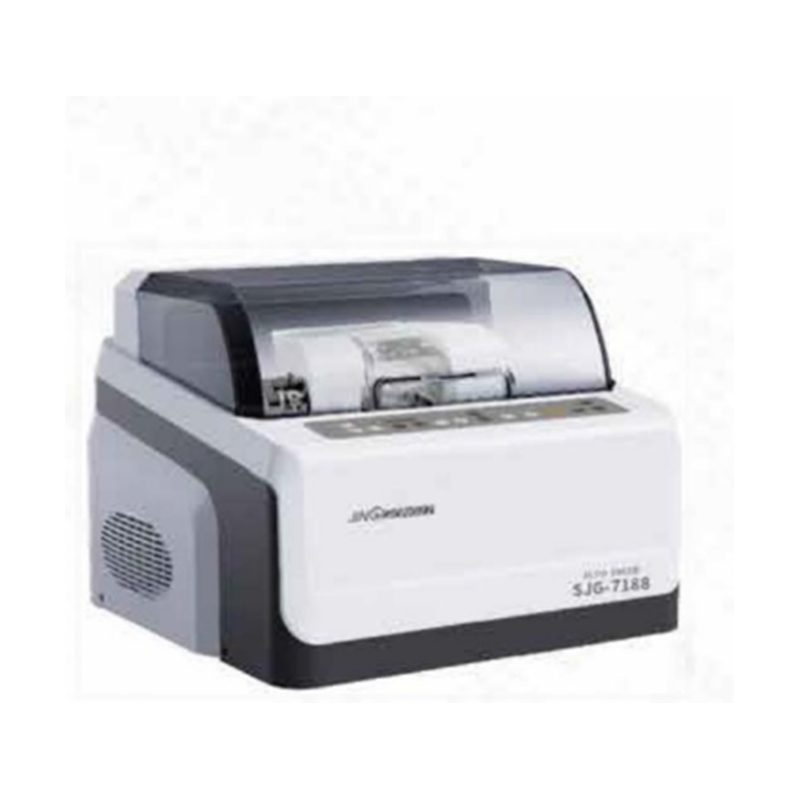 SJG-7188 Auto Lens Edger Optical Instruments Automatic Lens Edger Optical Patternless Machine
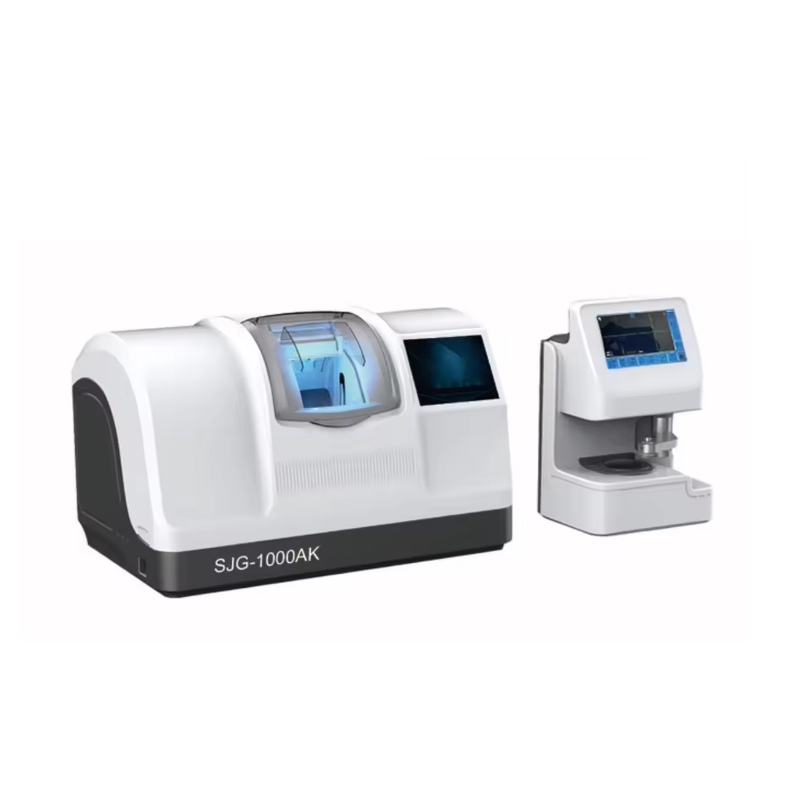 SJG-1000AK Optical Automatic Lens Edging Machine With Touch Screen for Ophthalmic Lens Edging Half-frame Glasses
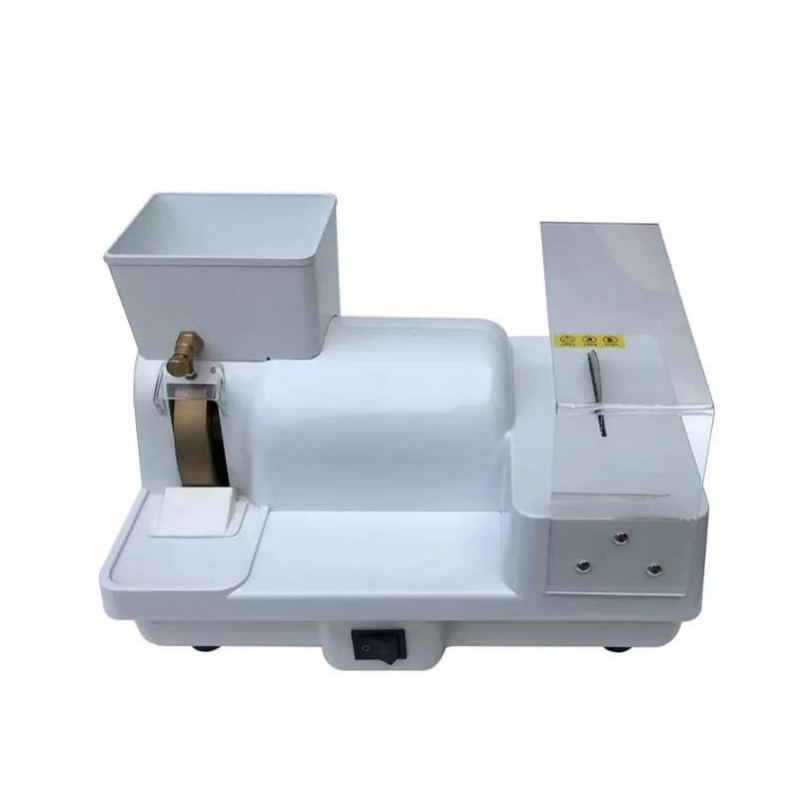 TC-10A Edge Cutting of the Lens Polisher Machine Optical Equipmen
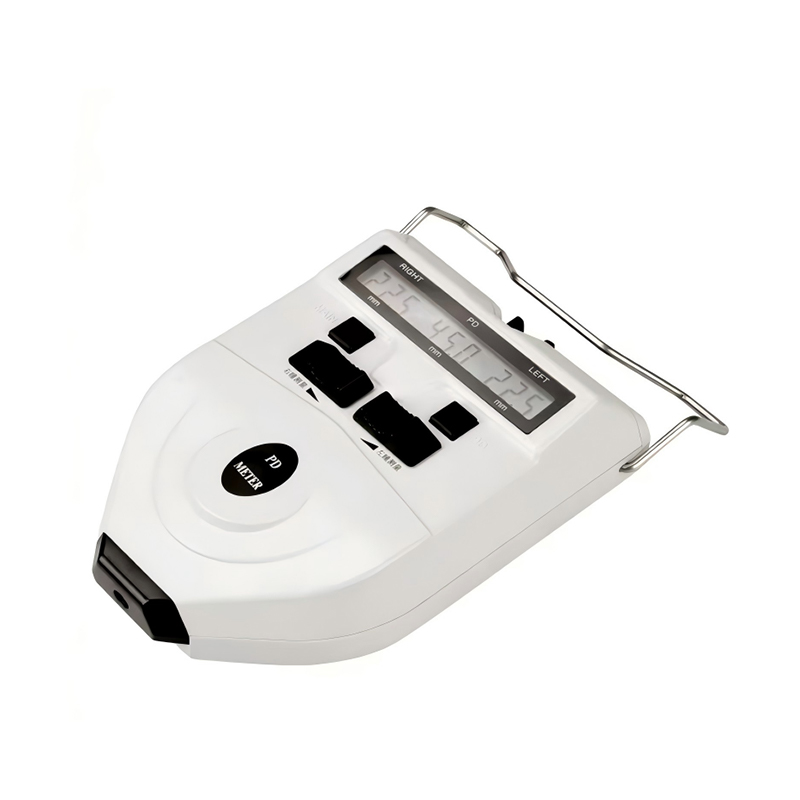 Digital PD Meter Pupil Distance Measure
Our Eyeglass Making Machines are engineered for precision, efficiency, and reliability in lens cutting and frame assembly. Designed for professional optical labs, they support a wide range of lens types, including single vision, bifocal, and progressive lenses. Equipped with advanced CNC technology, digital measurement systems, and automated polishing modules, these machines reduce human error and improve production speed. Compact and user-friendly, they are easy to operate while maintaining high accuracy. Maintenance-friendly features ensure long-term durability and consistent performance.

Photochromic cycling eyewear adjusts lens tint according to surrounding light. Clear vision remains essential when ridin...
READ MOREA supplier tells you their blue light protection lenses block 45% of blue light. Another offers 30%. The first quot...
READ MOREA pair of sunglasses may look simple when it's sitting on a table, but its structure becomes genuinely more interestin...
READ MOREEyewear has always had two important roles. It needs to support vision, but it is also something people wear every day...
READ MOREEyeglass making machines play a crucial role in the efficient and accurate production of eyeglasses. These machines are responsible for shaping, molding, and assembling the various components that make up a complete pair of eyeglasses. Without these machines, the mass production of eyeglasses would be significantly slower, and the quality of the final product would be harder to ensure.
1. Lens Cutting Machines
Lens cutting machines are used to cut the lenses into the desired shape and size according to the specifications of the frames. The machine uses precise cutting technology to ensure the lens fits within the frame, with minimal wastage of material.
2. Frame Molding Machines
Frame molding machines are responsible for shaping and molding the eyeglass frames. These machines use heat and pressure to mold plastic or metal materials into the specific designs required. Some machines are capable of producing intricate frame designs with high levels of detail.
3. Lens Polishing and Coating Machines
Once the lenses are cut, they need to be polished to a smooth, clear finish. Lens polishing machines achieve this by removing any rough edges and creating a glossy surface. Coating machines can apply various coatings to enhance the lens's durability, reduce glare, or protect against scratches.
4. Assembly Machines
After the lenses are fitted into their frames, assembly machines ensure that the glasses are correctly put together. These machines handle tasks like fitting screws, adjusting nose pads, and ensuring proper alignment of all components.
The process of manufacturing lenses involves several stages, each requiring specialized equipment. Lens manufacturing machines are designed to create lenses that meet various vision correction needs. These machines ensure precision, accuracy, and consistency in producing lenses for eyeglasses. Below are some of the key machines used in the lens manufacturing process:
1. Lens Generating Machines
Lens generating machines are responsible for creating the basic shape and curvature of the lens. These machines use advanced tools, such as diamond tools or abrasive surfaces, to grind and shape the lenses according to a prescription. They are essential for making both single vision and multifocal lenses.
2. Lens Surfacing Machines
Once the initial shape is created, surfacing machines refine the lens by smoothing out any imperfections. Surfacing is the process of adding the specific power needed to correct vision, whether for nearsightedness, farsightedness, or astigmatism. Surfacing machines typically include CNC (computer numerical control) technology to ensure high precision in the lens curvature.
3. Lens Polishing Machines
After surfacing, the lens needs to be polished to a clear, smooth finish. Polishing machines use a combination of abrasive materials and chemicals to remove any scratches and imperfections that remain on the lens after surfacing. The result is a clean, polished lens that can then be used for assembly.
4. Lens Coating Machines
Lens coating machines apply special coatings to lenses, such as anti-reflective coatings, UV protection, and scratch-resistant coatings. These coatings are crucial for enhancing the lens's performance and durability. The coating process typically involves applying a thin film that bonds to the surface of the lens.
Lens finishing and edger machines are essential for completing the lens manufacturing process. These machines ensure that lenses are precisely shaped to fit the frames and meet the required visual specifications. Below are the main functions of lens finishing and edger machines:
Shaping the Lens to Fit the Frame:
After the lenses are generated and surfaced, they need to be shaped to fit the specific frame. The edger machine is used to cut the lenses to the correct shape and size. It adjusts the edges of the lens, ensuring that it fits properly into the frame's lens holders.
Smoothening and Polishing Edges:
Once the lens is cut to the appropriate shape, finishing machines are used to smooth out any rough or jagged edges. This process helps to create a smooth, polished edge that fits snugly into the frame and enhances the overall appearance of the eyeglasses.
Creating Additional Features (e.g., Groove for Rimless Frames):
In addition to basic lens shaping, finishing machines can add special features, such as a groove for rimless or semi-rimless frames. This groove allows the frame to securely hold the lens without additional components, creating a sleek and minimalistic look.
Ensuring Accuracy and Precision:
Lens finishing and edger machines are equipped with precision controls, such as CNC technology, to ensure that the lens is cut with high accuracy. This is particularly important for multifocal and progressive lenses, where the alignment of the lens is critical for proper vision correction.
Polishing the Lens Edges:
After the lens has been shaped and any grooves have been added, it undergoes further polishing to create smooth, clean edges. This step is crucial for both aesthetic reasons and to prevent any discomfort caused by sharp edges.
Verification of Lens Quality:
Many modern edger machines come with built-in quality control features, such as sensors that check for imperfections or irregularities in the lens shape. This ensures that only high-quality lenses are passed on to the next stage of production.
Contact
Let’s Work Together
© Thinkey Optical Co., Ltd.
Quick Links
Stay In Touch
Address:
611# Paimen Road DuQiao Town Linhai City Zhejiang China.
Phone:
0086-13788990737
Email:
Website

China Eyeglass Making Machines

 English
 русский
 Français
 Español
 Deutsch
 عربى
عربى