
 English
 русский
 Français
 Español
 Deutsch
 عربى
عربى
Industry News

Content
Vision doesn't stay fixed throughout a person's life — it shifts, sometimes gradually and sometimes in ways people only notice once reading a menu in dim light starts feeling harder than it used to. That shift is exactly what's pushed more people toward eyewear that can cover multiple viewing distances at once, instead of juggling separate pairs of glasses for separate tasks. Progressive lenses, plastic progressive lenses included, sit right at the center of that search.
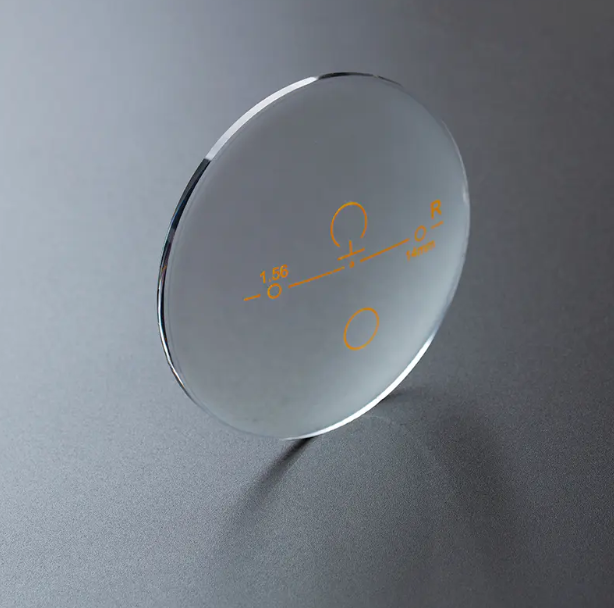 have carved out a solid place in the eyewear market because they pair practical, everyday design with genuine usability. People from very different walks of life end up reaching for them — different work habits, different routines, different visual demands entirely.
Choosing the right lens ultimately comes down to personal need, comfort, and a bit of professional guidance. Getting a clearer sense of who actually benefits from progressive lenses is a useful starting point before making that decision.
Modern lifestyles require people to focus on objects at different distances throughout the day. Reading, using digital devices, working, driving, and outdoor activities all involve different visual situations.
Traditional single-focus lenses usually support one main viewing distance. Users may need separate glasses for different activities. Progressive lenses provide another approach by combining multiple vision zones within one lens design.
Progressive lenses are made from lightweight materials that are widely used in eyewear production. Their design allows users to experience different viewing areas through one pair of glasses.
They may support users who need:
The value of these lenses comes from their ability to fit into various lifestyles.
Age is one of the clearer drivers of vision change. Focusing on close objects tends to get harder for a lot of people as the years go on, and that shows up first in things like reading small print or threading a needle.
For that group especially, progressive lenses offer something genuinely practical — a lens that folds multiple viewing zones into a single pair of glasses instead of forcing a choice between them.
A few groups show up again and again:
| User Group | Common Vision Needs |
|---|---|
| Adults with changing near vision | Need support for close and distant viewing |
| Office workers | Switch frequently between screens and documents |
| Active individuals | Need convenient vision support during daily activities |
| People who prefer fewer glasses | Want one pair for different situations |
That said, age is really just one piece of the puzzle. Actual vision condition and daily lifestyle habits carry just as much weight in whether progressive lenses end up being the right fit.
A modern workday tends to bounce someone's focus around constantly — a monitor one moment, a printed report the next, a phone buzzing somewhere in between, then a colleague across the desk. That constant switching wears on some people more than they'd expect.
Progressive lenses help by folding all of those viewing needs into one pair of glasses, cutting out a lot of that friction.
For someone working an office job, that tends to translate into:
Work itself has just gotten more visually demanding over the past decade or so. As screens and printed materials both stay in constant rotation, eyewear choice has become a lot more tangled up with how people actually get through their day.
Eyewear isn't strictly an office or indoor concern. Plenty of people need reliable vision support while they're out moving between very different environments over the course of a day.
Someone who travels often, shops regularly, or spends a lot of time outdoors falls squarely into this category. For them, progressive lenses offer a single solution that can flex across a lot of different situations without missing a beat.
That might mean being able to:
Convenience genuinely matters for anyone running a busy schedule. Carrying around multiple pairs of glasses just isn't practical for a lot of people, and a well-fitted progressive lens takes that problem off the table entirely.
Everyday eyewear has to hit a real balance between comfort and practicality, since most people end up wearing their glasses for the better part of a day. Weight, appearance, general usability — all of it factors into how the experience actually feels hour after hour.
Progressive lenses tend to check those boxes for a few concrete reasons:
| Feature Area | User Consideration |
|---|---|
| Lightweight feel | Supports comfortable long-term wear |
| Flexible design options | Matches different frame styles |
| Everyday convenience | Reduces the need for multiple glasses |
| Practical application | Fits different daily activities |
The right choice still comes down to the individual — some people gravitate toward specific materials or designs based purely on habit and personal preference. But the growing interest in Progressive lenses says a lot about how much eyewear expectations have shifted toward fitting real, modern lifestyles.
Professional settings rarely stick to one task at a time. Meetings bleed into documents, documents bleed into digital messages, and the visual demands pile up fast over the course of a working day.
For business users, appearance tends to matter just as much as function. A lot of people want eyewear that carries them through their responsibilities without sacrificing a polished, professional look.
Plastic progressive lenses appeal here to people looking for:
Professional life keeps getting more flexible, with people moving between different environments constantly over the same day. Eyewear that can actually keep up with that pace has become a genuinely useful part of getting ready each morning.
Lifestyle probably plays the biggest role in how someone ends up choosing their eyewear. Two people the exact same age can have wildly different visual needs simply because their days don't look anything alike.
Someone glued to a book most of the day needs something different than someone working outdoors under changing light. A frequent traveler is going to prioritize different features than someone who barely leaves one building all week.
A few lifestyle factors tend to shape this decision more than anything else:
Getting a clear read on these habits is really what helps someone land on eyewear that actually matches their real day-to-day life, rather than some generic average.
Progressive lenses were never built for just one kind of person. How well they work always comes down to how naturally they fit into someone's actual routine.
The eyewear market continues to develop as consumers look for products that match their personal lifestyles. People are becoming more interested in convenience, comfort, and practical design.
Progressive lenses reflect this trend by offering a solution for users who want different vision functions within one product.
Manufacturers and optical professionals are paying attention to changing expectations. Users are looking for eyewear that feels natural and fits into daily activities.
Future eyewear choices may continue moving toward more personalized solutions. Different users may require different designs based on their working environments and personal preferences.
Progressive lenses represent one option within this changing landscape. Their value comes from how they support users with varied visual needs.
Selecting lenses requires careful consideration. While progressive lenses may suit many users, the final choice should match individual vision requirements and daily habits.
Users may consider:
A good eyewear choice is based on personal needs rather than general trends.
Progressive lenses may benefit users who need support for different viewing distances and want a convenient solution for daily activities. From office environments to active lifestyles, these lenses continue to attract attention because they match the changing ways people use their vision throughout the day.
If you have any questions, please fill out the contact form at the bottom of the page and contact us.
Best selling Products
Best sellers, Globally Chosen
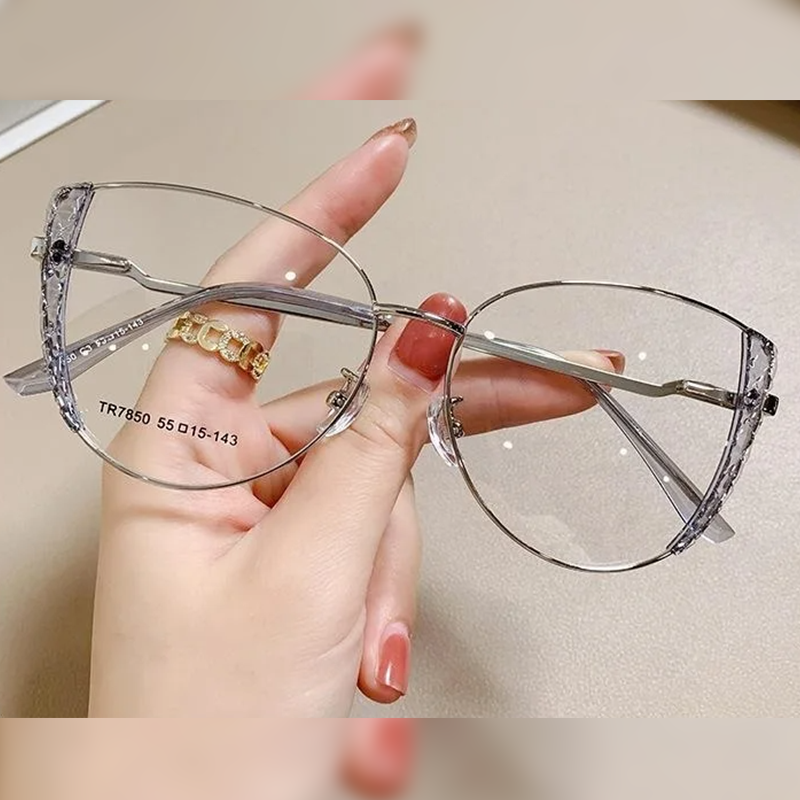
1. Made of metal material, with delicate luster an...
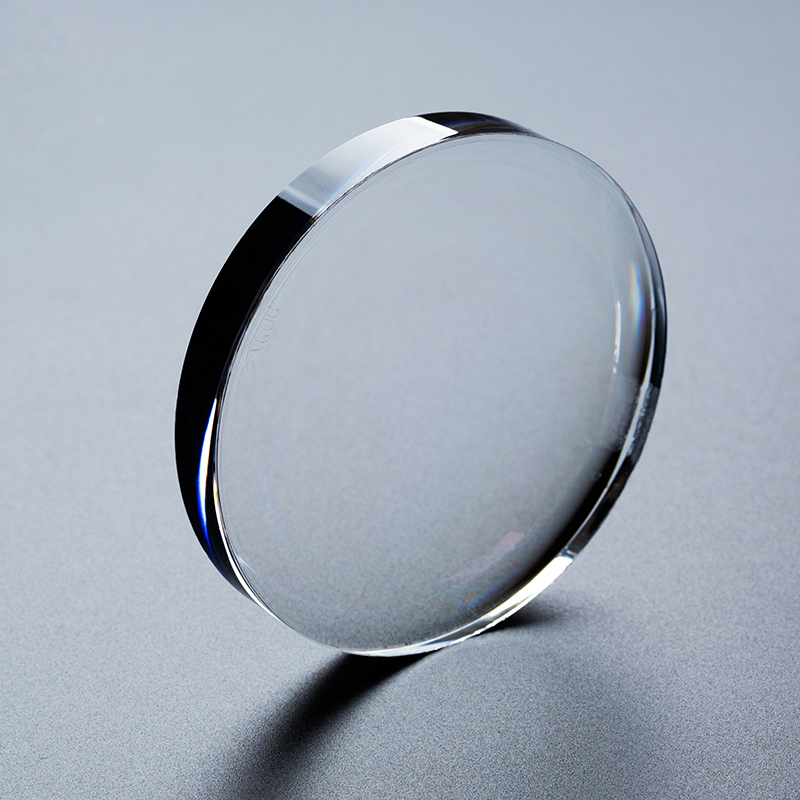
Our SF Single Vision lenses, available in a range ...
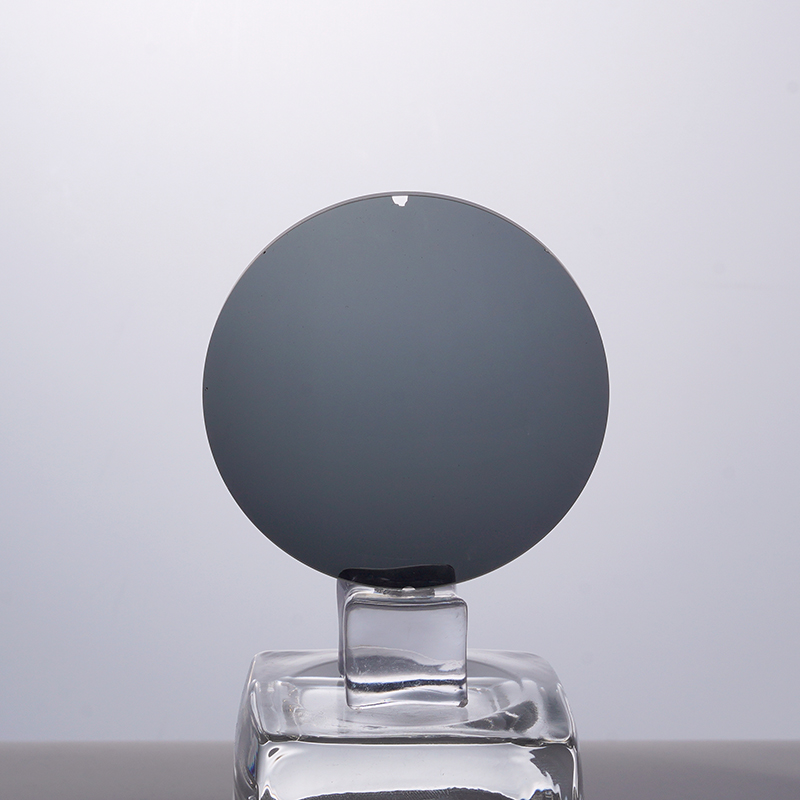
Driving glasses incorporate a special polarizing f...
Contact
Let’s Work Together
© Thinkey Optical Co., Ltd.
Quick Links
Stay In Touch
Address:
611# Paimen Road DuQiao Town Linhai City Zhejiang China.
Phone:
0086-13788990737
Email:
Website

China Lenses and Eyeglass Factory
 Previous