 English
 русский
 Français
 Español
 Deutsch
 عربى
عربى
Industry News

Content
Somewhere around midlife, most people notice the same frustrating pattern — reading a menu suddenly takes squinting, switching from a phone screen to a distant street sign takes a beat longer than it used to, and single-focus glasses that used to work fine start feeling genuinely limiting. Vision doesn't stay static through life, and expecting one fixed prescription to handle every visual task eventually stops working.
Plastic progressive lenses exist specifically to solve that mismatch. Instead of locking a lens to one fixed focal distance, they blend multiple viewing zones into a single lens — near, intermediate, and far — so switching between reading, screen work, and glancing across a room doesn't require swapping glasses constantly.
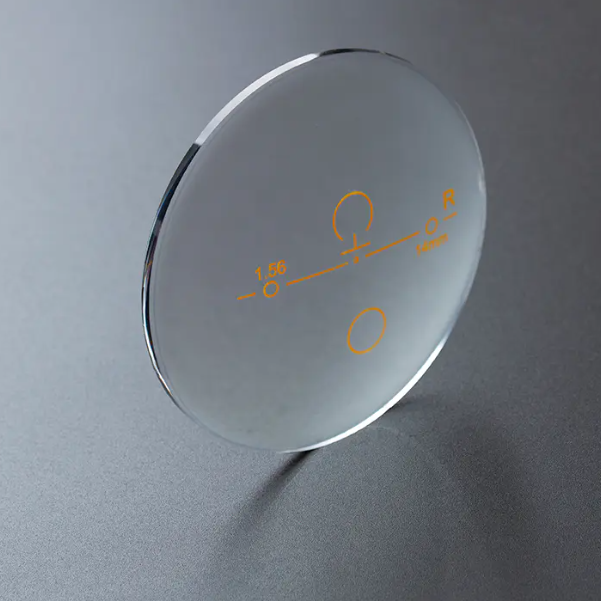
There's more going on here than pure vision correction, too. Comfort, weight, and how well glasses actually fit into a busy day matter just as much to most wearers, and lightweight plastic materials have made progressive lenses a genuinely practical fit for that demand.
As eyewear preferences keep shifting, it's worth breaking down exactly what problems these lenses are actually solving — for wearers, opticians, and manufacturers alike.
The core problem progressive lenses tackle is the constant back-and-forth most people's eyes go through in a single day. Reading a document, glancing at a phone, staring at a monitor, then looking up across a room — that's a lot of focus-switching packed into just a few minutes.
| Common Vision Challenge | How Progressive Lenses Provide Support |
|---|---|
| Difficulty seeing nearby objects | Provides a closer viewing area |
| Trouble switching between distances | Supports smoother visual transitions |
| Need for different glasses | Combines multiple vision needs in one pair |
| Changing daily activities | Offers more flexible vision support |
Instead of forcing the eyes to strain through a single fixed prescription for every task, progressive lenses build in multiple visual zones within one lens — letting the wearer move naturally between tasks without constantly reaching for a different pair of glasses.
Juggling separate glasses — one for reading, another for driving or general distance — gets old fast, especially on busy days where you're switching tasks every few minutes.
Progressive lenses fold all of that into a single pair, supporting activities like:
Cutting out that constant glasses-swapping genuinely simplifies daily routines, which is really the main reason so many people end up gravitating toward progressive lenses in the first place.
Comfort matters a lot more than people realize when they're choosing eyewear — especially once you factor in how many hours a day most people actually spend switching between different visual tasks.
Progressive lenses are built with distinct viewing zones that map to different activities, letting the eyes settle into whichever part of the lens matches what the wearer's actually doing in that moment.
| Activity | Visual Need |
|---|---|
| Reading | Clear close-up viewing |
| Computer work | Comfortable intermediate vision |
| Walking outdoors | Better distance awareness |
| Social activities | Flexible focus changes |
That kind of built-in flexibility tends to make the whole experience of wearing glasses feel a lot more natural over time, rather than something you're constantly adjusting for.
Modern days genuinely bounce between work, screens, errands, and outdoor time in a way that older lifestyles simply didn't demand. Add in how much time people now spend staring at phones and monitors, and the visual demands on any pair of glasses have gotten a lot more varied.
Progressive lenses adapt well to exactly that kind of shifting routine, which is why they tend to appeal to:
That flexibility is really the whole selling point — one pair of glasses that keeps up with a genuinely varied day.
Comfort goes beyond just seeing clearly — how the glasses actually feel on your face for hours at a stretch matters just as much, if not more.
Weight concerns
Plastic lens materials tend to feel noticeably lighter than heavier alternatives, which makes a real difference for anyone wearing glasses all day.
Long wearing periods
People who keep their glasses on from morning to night care a lot about how the lenses feel over extended use, and lighter, well-designed lenses genuinely help there.
Lifestyle convenience
One pair covering multiple visual needs means less to carry, less to remember, and generally less hassle built into the day.
Comfort here isn't purely physical, either — it's also about how naturally someone can move through different visual tasks without constantly fighting their glasses.
Screens have become unavoidable — phones, tablets, laptops, all demanding constant shifts in focus throughout the day, and that's put new pressure on what eyewear actually needs to do.
Progressive lenses help by supporting multiple focus zones at once, covering situations like:
The whole point is smoothing out that constant back-and-forth between screens and the surrounding world, which has become a genuinely bigger part of daily life than it used to be.
Picking the right progressive lens setup really comes down to how someone actually spends their day, since different routines create genuinely different visual demands.
| Consideration | Why It Matters |
|---|---|
| Daily activities | Helps match lenses with lifestyle needs |
| Wearing habits | Supports better adaptation |
| Frame choice | Influences overall comfort |
| Visual requirements | Determines suitable lens options |
Someone who reads constantly is going to have different priorities than someone bouncing between indoor and outdoor environments all day — understanding that personal routine upfront makes landing on the right lens choice a lot easier.
Eyewear keeps evolving to match what people actually expect from their glasses these days — genuine vision support that also fits comfortably into how they actually live.
Plastic progressive lenses sit right at that intersection, pulling together convenience, comfort, and flexible vision support into a single practical solution.
They tackle real, everyday problems — shifting focus needs, the hassle of multiple glasses, the demands of increasingly screen-heavy routines — head on. As eyewear technology keeps advancing, progressive lenses look set to remain a genuinely central part of how people choose to see the world clearly, no matter what they're looking at.
If you have any questions, please fill out the contact form at the bottom of the page and contact us.
Best selling Products
Best sellers, Globally Chosen
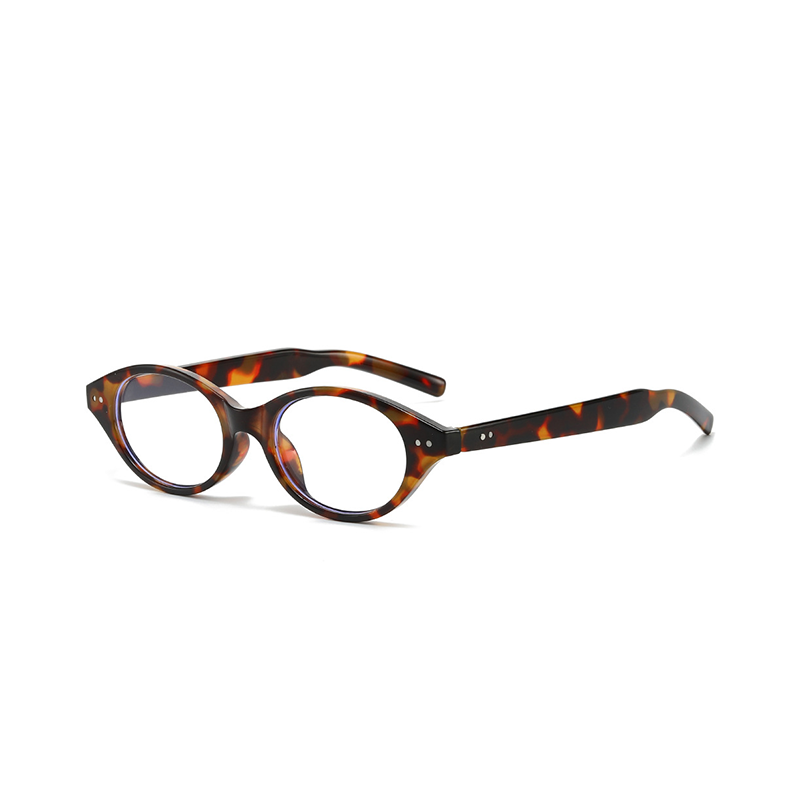
1. Oval small frame with retro tortoiseshell patte...

Anti-fog glasses cleaning wipes clean instantly, e...
Contact
Let’s Work Together
© Thinkey Optical Co., Ltd.
Quick Links
Stay In Touch
Address:
611# Paimen Road DuQiao Town Linhai City Zhejiang China.
Phone:
0086-13788990737
Email:
Website

China Lenses and Eyeglass Factory
 Previous