
 English
 русский
 Français
 Español
 Deutsch
 عربى
Industry News

Content
Visible light includes a band of shorter wavelengths often described as blue. Sunlight is a strong natural source of that band; digital displays on computers, phones, tablets and televisions also emit visible blue light as part of their spectrum. Eyewear makers have developed lens options that reduce transmission in selected portions of that band while still allowing everyday seeing tasks. How those lenses filter light, how they differ from ordinary clear lenses and how coatings and prescription design fit together are practical questions for anyone specifying lenses for screen-heavy routines.
Blue light sits at the shorter-wavelength end of the visible spectrum. Outdoor daylight contains a broad mix of wavelengths including blue. Screens produce a narrower, device-dependent spectrum that still includes blue energy. Interest in filtering focuses on how much of that band reaches the eye through the lens, and on whether the lens remains clear enough for reading, computer work and general wear. Filtering is a product specification, not a universal property of all eyewear.
Blue cut designs aim to lower transmission in chosen blue wavelengths rather than blocking the entire visible spectrum. The exact band and the degree of reduction depend on the lens substrate, any dyes or absorbers in the material and any surface treatments. Performance is defined by spectral transmission data for that product, not by the marketing name alone.
Some materials incorporate filtering behaviour into the bulk of the lens. Composition then affects both blue-band transmission and the residual colour or clarity of the lens. Comparing materials requires the manufacturer's spectral curves or equivalent documentation so that claims can be checked against measured behaviour.
Other designs rely mainly on coatings that reflect or absorb selected blue wavelengths. Coating stacks also influence residual reflections, overall light transmission and the slight colour cast some blue-filtering lenses show. Different products use different balances of bulk absorption and surface treatment; the complete specification matters more than a single label.
Standard clear lenses typically transmit a high share of visible blue light. Blue cut versions are formulated or coated to transmit less in the targeted band. How large that difference is depends entirely on the stated filtering specification of the blue cut product.
Filtering can introduce a faint tint or change the colour of reflections on the lens surface. Some designs stay close to neutral; others show a more noticeable cast. Appearance is part of wearer acceptance and should be evaluated on real samples under ordinary indoor light.
Office work, prolonged computer sessions, reading and general indoor wear are common settings where blue-filtering single vision lenses are considered. Choice still follows the wearer's prescription needs, comfort with any tint and the verified optical data of the lens.
Single vision lenses carry one prescribed power over the usable area. They are applied for distance, near or intermediate correction as prescribed, including correction of common refractive errors when the prescription calls for it.
Blue-filtering features can be built into single vision lenses so that the same pair provides the prescribed power and the selected reduction in blue-band transmission. The optical power and the filtering specification are separate attributes that must both match the order.
Prescription power, refractive index, material, base curve, diameter and coating package determine whether the lens fits the frame and the wearer's visual requirements. These parameters are confirmed with the prescribing professional and the laboratory before production.
Anti-reflective coatings reduce surface reflections that can appear as glare or as distracting images of lights and screens. They also affect how much light passes through the lens versus bouncing off the front or back surface.
Hard coats and hydrophobic or oleophobic top layers influence how the lens handles cleaning and everyday abrasion. Coating choice should match how often the lenses are wiped and the environments in which they are worn.
Blue-filtering function and other coatings can coexist on the same lens when the product is designed that way. Evaluating the full stack—filtering data, anti-reflective performance, hardness and cleanability—avoids relying on a short product name. A Single Vision Multi Coated Lens with blue-filtering capability is specified by that complete set of attributes.
The wavelength range and the degree of reduction should be read from spectral transmission information when the supplier provides it. Names such as “blue cut” are not interchangeable across brands without that data.
Visible light transmission affects how bright and neutral the world looks through the lens. Stronger filtering can reduce transmission or add tint; the preferred balance is a wearer and application decision.
Index and material are matched to prescription strength and frame style. Optical parameters are confirmed through proper refraction and dispensing practice.
Anti-reflective,, hard-coat and easy-clean options are selected from what the product actually offers. Purchasing decisions rest on documented specifications rather than on incomplete descriptions.
A single vision blue cut and block lens pairs one prescribed focal power with a defined blue-filtering function. It is aimed at wearers who need refractive correction and who want a lens specified for reduced transmission in selected blue wavelengths during daily and screen-related tasks.
The filtering method—material, coating or both—and any published spectral data allow optical buyers to compare products on a common basis. Assessment uses that documentation rather than informal visual judgement alone.
Available materials, indices, prescription ranges and diameters define which wearers and frames the lens can serve. Transparency and residual colour are judged against the supplier's stated appearance and against sample lenses.
Where multi coating packages are offered, anti-reflective and scratch-resistant treatments can be combined with the filtering function. Parameter sets, coating packages and packing can be aligned with different market needs when the manufacturer supports configuration options. A Single Vision Clear lens without blue filtering remains a separate product category for wearers who do not require that feature.
Filtering range and spectral reports are requested up front. Material, index, prescription coverage and blank sizes are confirmed. Coating quality and optical consistency are checked on samples. Production inspection practices, OEM or private-label options, packing, quantities and delivery schedules are agreed before volume orders.
They reduce transmission in selected blue wavelengths according to their design. They do not remove all blue light from the visible spectrum, and performance varies by product.
They are often considered for prolonged screen work when the filtering specification and lens clarity suit the wearer. Suitability still depends on prescription, comfort and the specific product data.
Naming differs by supplier. Some use the terms interchangeably; others imply different degrees or methods of filtering. Spectral transmission data clarify what each product actually does.
Yes. Filtering can be incorporated into single vision designs so that corrective power and blue-band reduction are delivered in the same lens when the product is built that way.
Anti-reflective coating is not mandatory for filtering to occur, but it is commonly added to reduce reflections and improve subjective clarity. The full coating package is a separate specification choice.
Spectral transmission charts, product data sheets and, where available, independent or manufacturer test reports are the practical references. Visual inspection alone cannot quantify filtering.
| Factor | Relevance to Daily Wear | What to Confirm |
|---|---|---|
| Filtering method | Material, coating, or both | Spectral data for the exact product |
| Visible transmission | Brightness and neutral appearance | Balance with filtering level |
| Single vision power | Corrective function | Prescription match and dispensing parameters |
| Anti-reflective coating | Reduced reflections from screens and lights | Presence and quality of AR stack |
| Hard and easy-clean coats | Durability and cleaning behaviour | Coating package on the order |
| Appearance | Tint and reflection colour | Sample evaluation under normal indoor light |
Blue cut lenses reduce transmission of selected blue wavelengths through material properties, optical treatments or both. Filtering range, residual clarity, prescription design and coatings should be read from product data and samples. Thinkey Optical Co., Ltd. produces spectacle lenses including single vision options with blue-filtering features. Review of spectral information, optical parameters and coating packages against the intended screen and daily use supports selection of lenses that combine prescribed correction with documented blue-band filtering.
If you have any questions, please fill out the contact form at the bottom of the page and contact us.
Best selling Products
Best sellers, Globally Chosen
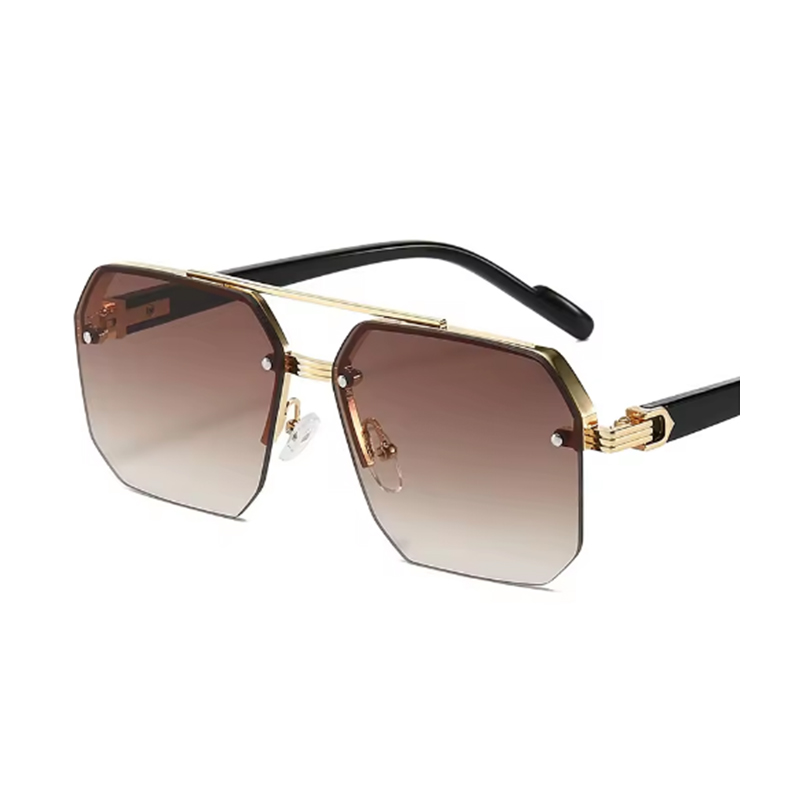
Elevate your everyday style with these Gradient Sq...
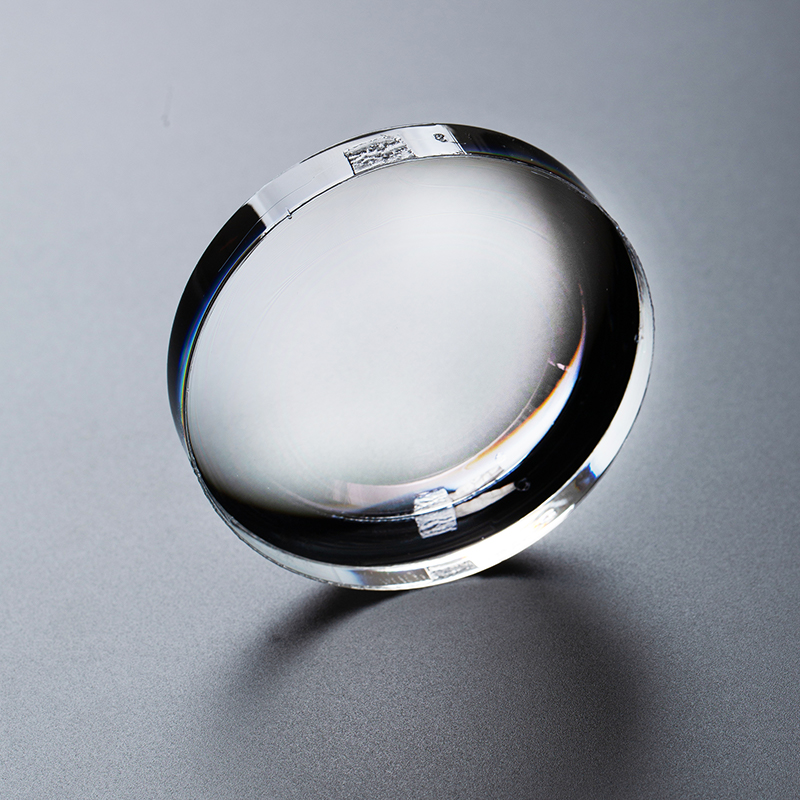
Anti-Scratch: Effectively reduces the probability ...
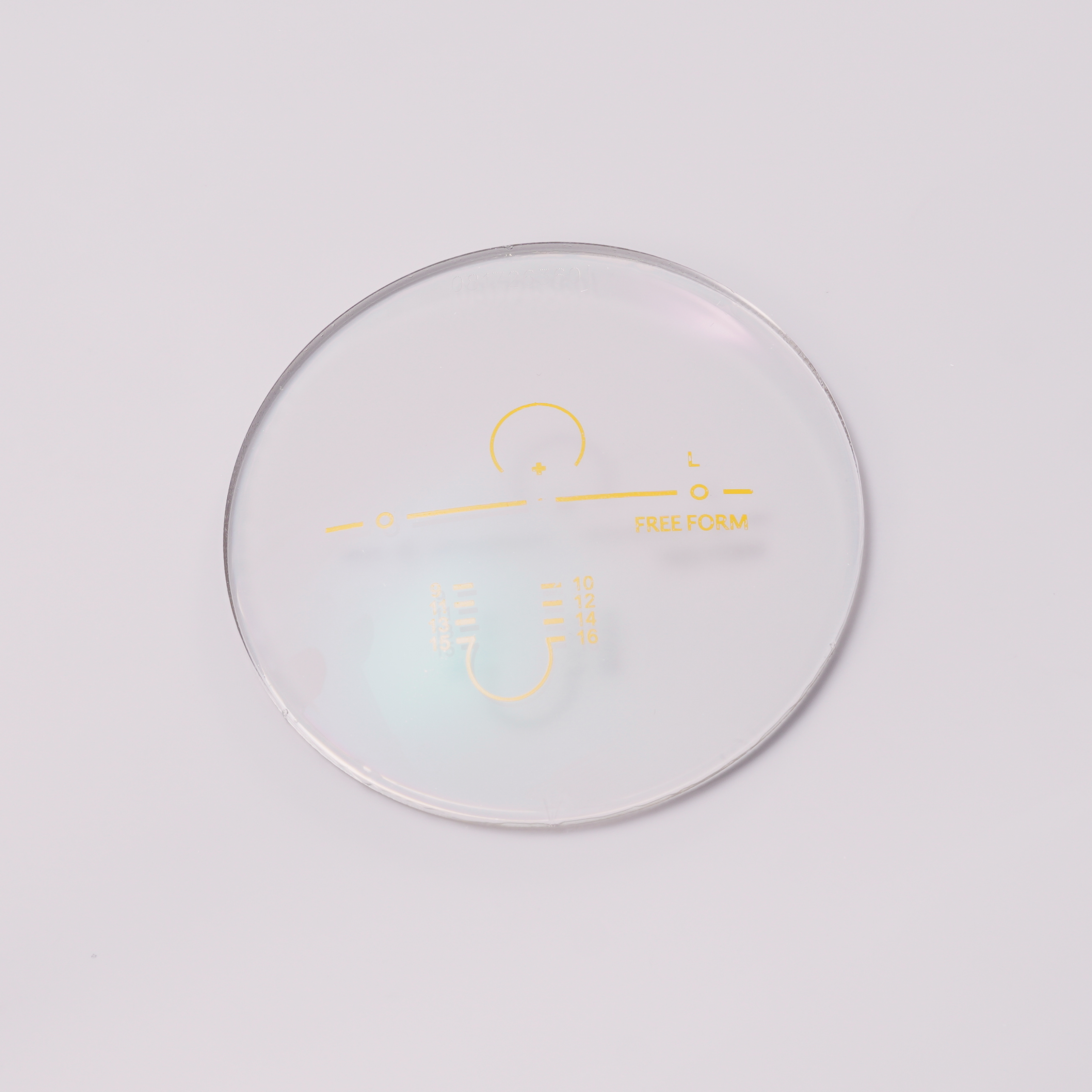
These lenses adapt to changing light conditions, t...
Contact
Let’s Work Together
© Thinkey Optical Co., Ltd.
Quick Links
Stay In Touch
Address:
611# Paimen Road DuQiao Town Linhai City Zhejiang China.
Phone:
0086-13788990737
Email:
Website

China Lenses and Eyeglass Factory
 Previous