
 English
 русский
 Français
 Español
 Deutsch
 عربى
عربى
OEM/ODM Anti-fog Lens



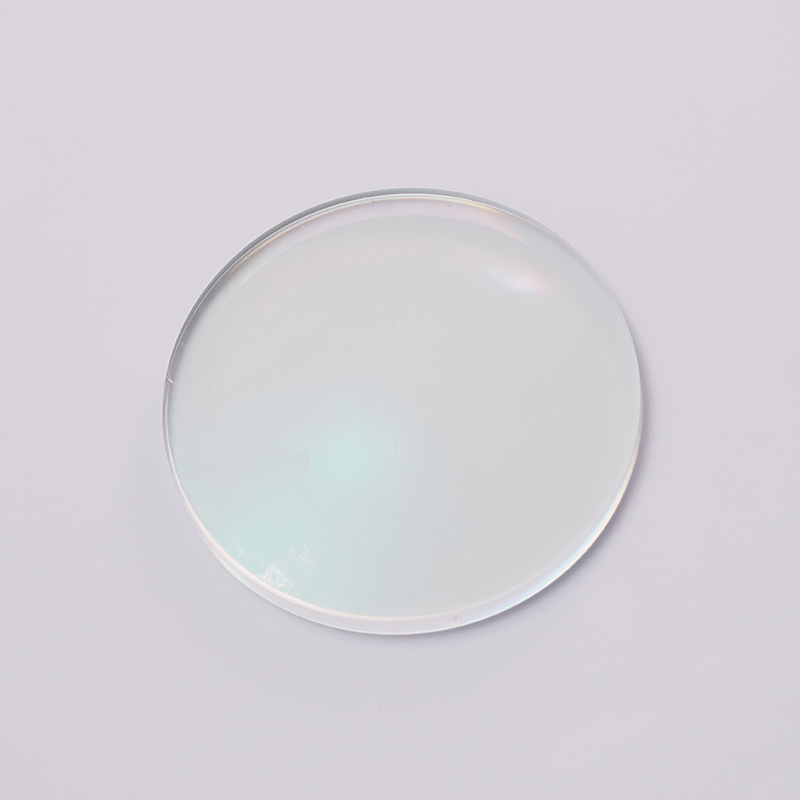
The way people use their eyes has changed. Screens are no longer limited to offices. They are in homes, in transit, and ...
READ MORE
Say Goodbye to Fogging: Whether you're moving from an air-conditioned room to the outdoors, eating hot pot, or wearing a mask, the lenses stay clear.
"Easy to Clean": The hydrophilic coating prevents water stains from easily remaining, making cleaning easier.
"Suitable for Everyone": Especially recommended for office workers who frequently wear masks, outdoor enthusiasts, or those who need to switch between indoor and outdoor environments for extended periods.

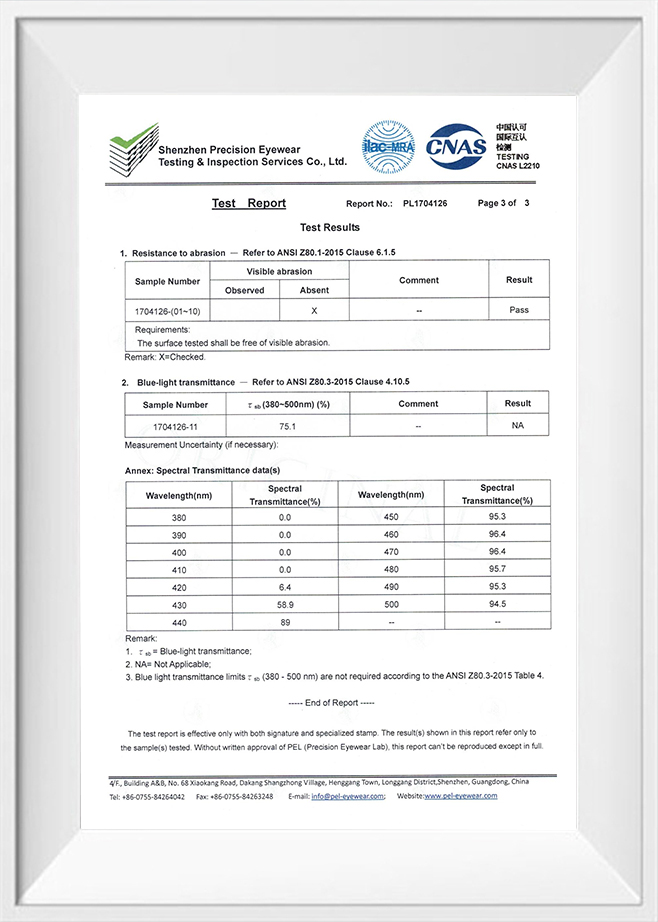
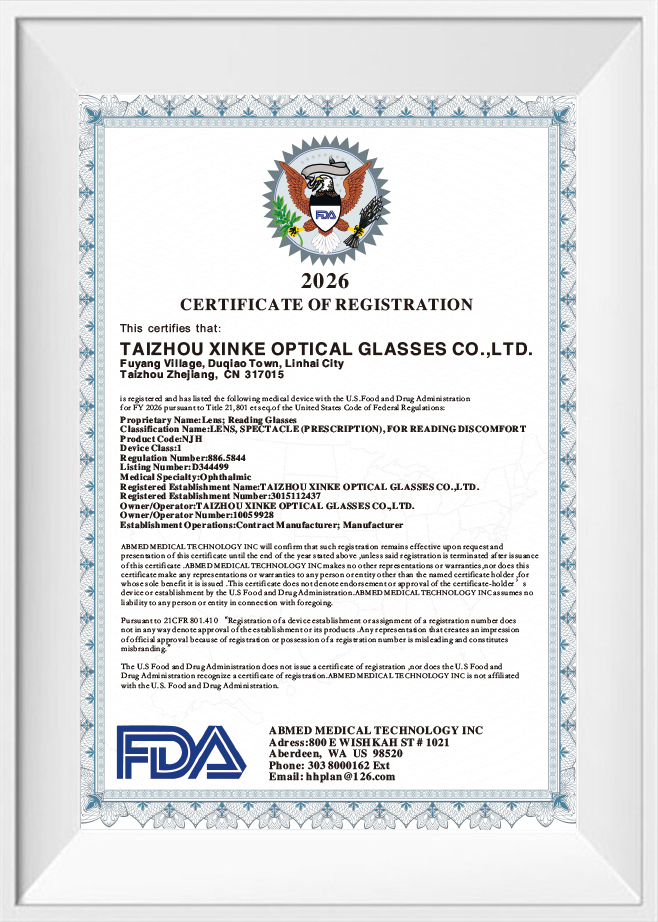
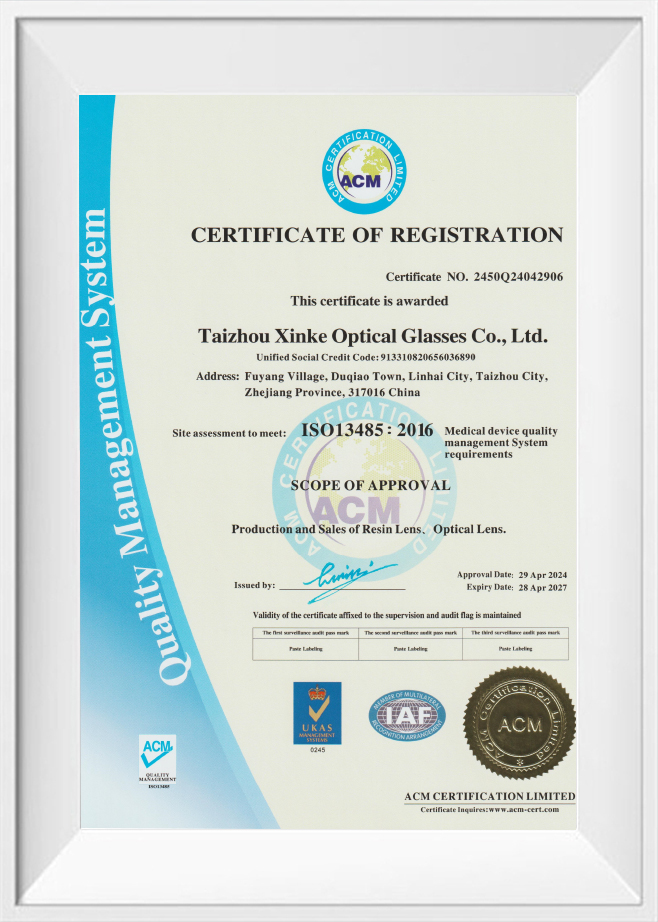
The way people use their eyes has changed. Screens are no longer limited to offices. They are in homes, in transit, and ...
READ MOREReading has changed in quiet but noticeable ways. It no longer happens in a single format. A person may start with a pri...
READ MOREIn many workspaces, screens stay on from morning until late evening. People move from laptops to phones without much pau...
READ MORETaizhou Xinke Optical Glasses Co., Ltd., a professional ODM progressive photochromic lenses exporter based in Duqiao Opt...
READ MOREChoosing the right anti-fog lens can significantly enhance the comfort and performance of your eyewear, particularly in environments with temperature changes, high humidity, or during physical activity.
1. Consider the Lens Coating Options
Anti-fog lenses come with different types of coatings, such as hydrophilic coatings that absorb moisture or hydrophobic coatings that repel water. When choosing, consider the specific environment you will be in. Hydrophilic coatings are ideal for places with high humidity or frequent temperature changes, as they keep the lens clear. Hydrophobic coatings, on the other hand, are better for outdoor or active environments where rain or sweat is a concern.
2. Assess the Durability of the Coating
Some anti-fog coatings are permanent, while others may wear off over time with regular use. If you need a long-lasting solution, opt for lenses with a more durable coating that can withstand frequent cleaning and handling. Check the manufacturer's guidelines to understand the expected lifespan of the coating.
3. Evaluate Lens Material
Different lens materials, such as polycarbonate, Trivex, or high-index plastic may perform differently in terms of fog resistance. Polycarbonate lenses, for instance, are generally more prone to scratching, which can reduce the effectiveness of the anti-fog coating. High-index or Trivex lenses tend to be more durable and can provide better long-term anti-fog performance.
4. Check for Additional Features
Many anti-fog lenses are designed with other beneficial features, such as scratch resistance, UV protection, or blue light filtering. Consider which additional features are important to you in order to get the value for your purchase.
The price of anti-fog lenses can vary based on several factors, including lens material, coating quality, and additional features. Understanding these price factors can help you make an informed decision based on your budget and needs.
1. Lens Material
The material of the lens plays a significant role in the overall price. Lenses made from polycarbonate are typically less expensive than those made from high-index or Trivex materials. Polycarbonate is a lightweight and impact-resistant option, while high-index and Trivex lenses are often chosen for their thinner profile and better optical clarity. Higher-end materials will generally bring about a higher price.
2. Coating Quality and Type
Anti-fog coatings can vary in quality, which can influence the price. Basic anti-fog treatments may be less expensive, while premium coatings (e.g., permanent or high-performance coatings) tend to cost more due to their longer-lasting and more effective properties. The type of coating used—whether hydrophilic or hydrophobic—can also impact the cost.
3. Brand and Manufacturer
Well-known brands that have developed a reputation for high-quality, durable lenses may charge more for their products. While these lenses may offer performance or added features, the brand premium can increase the price significantly.
4. Additional Features
Anti-fog lenses with added features such as scratch-resistant coatings, UV protection, or blue light filtering can be more expensive. If you require multiple enhancements in a single lens, the price will naturally be higher due to the complexity of manufacturing and additional materials involved.
Anti-fog lenses are available for a variety of vision types, including single vision RX lenses, and they can offer several benefits for children who wear glasses. However, there are specific considerations to keep in mind when determining whether anti-fog lenses are suitable for children and if there are lenses designed specifically for them.
1. Suitability for Children
Single Vision RX Anti-Fog Lenses: Single vision lenses are typically prescribed to children who have a single vision correction need, such as nearsightedness (myopia) or farsightedness (hyperopia). Anti-fog coatings on these lenses can be beneficial for children, particularly during activities like sports or outdoor play, where fogging may occur due to changes in temperature or humidity.
However, children tend to be harder on their glasses than adults, which means that the durability of the anti-fog coating and lens material is essential. Polycarbonate lenses, which are lightweight and durable, are a good choice for children.
2. Anti-Fog Lenses Designed for Children
Durability and Scratch Resistance: Children's lenses should be highly durable, and many manufacturers offer anti-fog lenses specifically designed for young users. These lenses may feature tougher coatings that are resistant to scratches and wear, ensuring longer-lasting anti-fog performance.
Impact Resistance: Polycarbonate lenses, commonly used for children's eyewear, are often treated with anti-fog coatings. These lenses are designed to withstand the rough handling typical of children's eyewear, and the anti-fog feature can enhance comfort by preventing fogging during physical activities or when transitioning between different environments (e.g., indoors to outdoors).
3. Additional Considerations
Ease of Cleaning: Since children's glasses tend to get dirty quickly, it's essential to select anti-fog lenses that are easy to clean. Some lenses may have special coatings that make them easier to wipe off without damaging the anti-fog effect.
Comfort and Fit: Proper fit is crucial for children's eyewear. Anti-fog lenses can enhance comfort by preventing fog buildup, but the frames and lenses must also fit well to avoid discomfort during long periods of wear.
Contact
Let’s Work Together
© Thinkey Optical Co.,Ltd.
Quick Links
Stay In Touch
Address:
611# Paimen Road DuQiao Town Linhai City Zhejiang China.
Phone:
0086-13788990737
Email:
Website

China Anti-fog Lens