
 English
 русский
 Français
 Español
 Deutsch
 عربى
عربى
Custom Myopia Management Lenses




The way people use their eyes has changed. Screens are no longer limited to offices. They are in homes, in transit, and ...
READ MORE
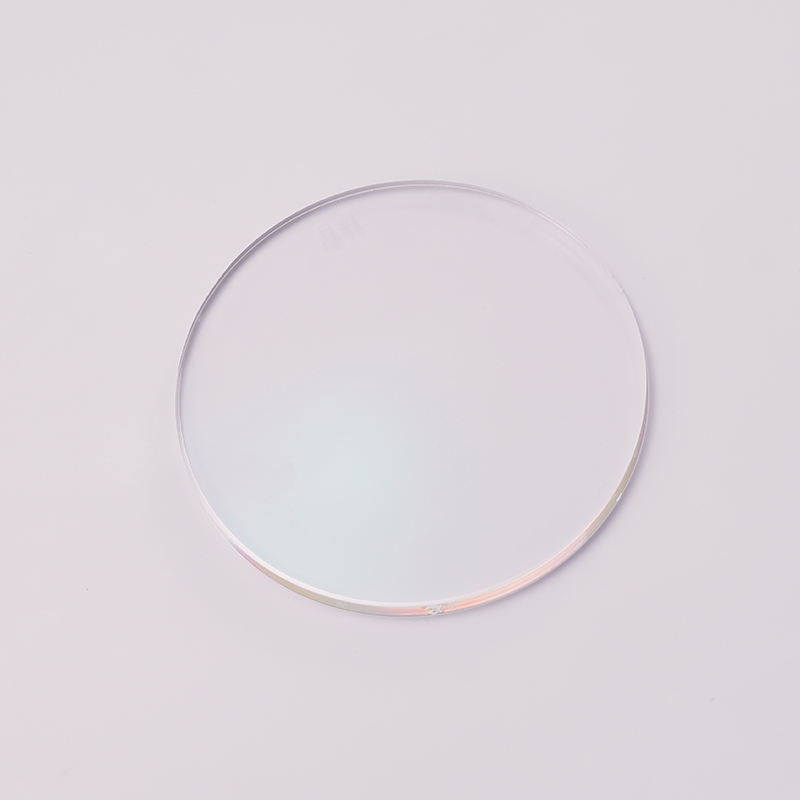 1.56,1.61,1.67,1.591 PC Honeycomb Myopia Control HMC,SHMC
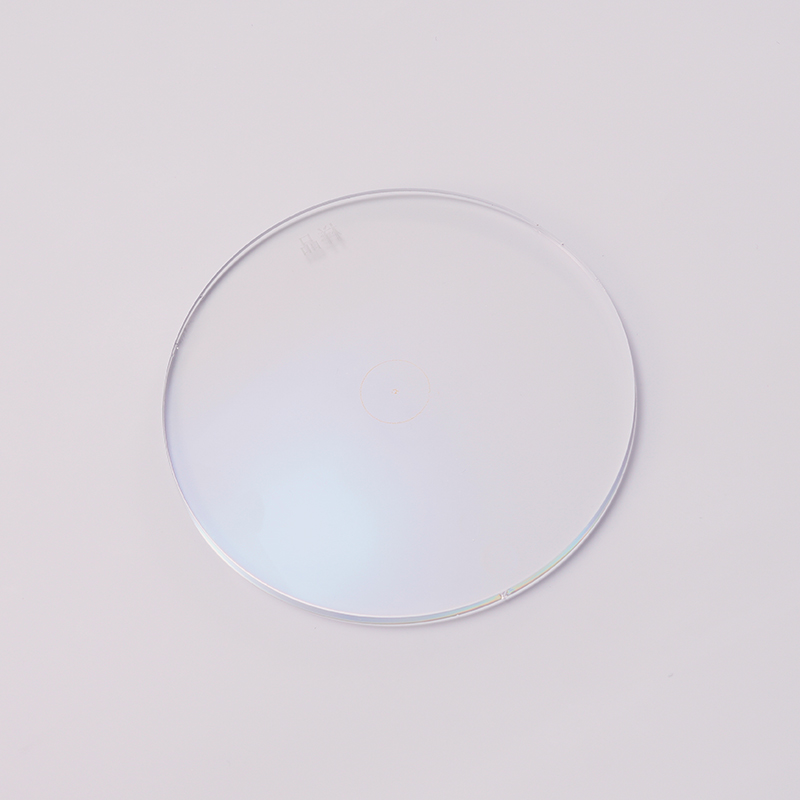 1.56,1.591 PC Annulus Myopia Control HMC,SHMC
Gradient defocus technology slows down the progression of myopia. Its core lies in the microlenses distributed around the periphery of the lens, creating a myopic defocus signal (light rays focus in front of the retina), thereby inhibiting excessive axial elongation. Specific principles include:
H.A.L.T. (High Aspheric Lens Technology): An 11-ring structure generates a stepped increase in defocus, conforming to the curvature of the retina.

The way people use their eyes has changed. Screens are no longer limited to offices. They are in homes, in transit, and ...
READ MOREReading has changed in quiet but noticeable ways. It no longer happens in a single format. A person may start with a pri...
READ MOREIn many workspaces, screens stay on from morning until late evening. People move from laptops to phones without much pau...
READ MORETaizhou Xinke Optical Glasses Co., Ltd., a professional ODM progressive photochromic lenses exporter based in Duqiao Opt...
READ MOREMyopia management lenses are designed for specific populations and situations where slowing the progression of nearsightedness is a primary goal. Their application is targeted rather than universal.
Pediatric optometry: The frequent application is in children, typically between the ages of 6 and 16. During these years, the eye is still developing, and myopia tends to progress rapidly. Lenses are used in this group with the intention of reducing the rate at which the prescription increases over time.
Progressive myopia cases: Individuals, particularly children, whose annual prescription change exceeds typical rates may be candidates. Those showing an increase of -0.50 diopters or more per year are often considered for management strategies to moderate this progression.
Familial history considerations: Children with one or both parents who have high myopia are at increased risk of developing the condition themselves. In these cases, management lenses may be introduced early as a preventive measure, even before significant progression is documented.
Lifestyle and outdoor activity contexts: While the lenses themselves are worn full-time, their application is often discussed alongside behavioral recommendations. Increased outdoor time and reduced near-work intensity are frequently suggested to complement the optical intervention.
|
Lens Classification |
Optical Design Principle |
Typical Target User |
Common Descriptors |
|
Peripheral Defocus Lenses |
Create myopic defocus in the peripheral retina while correcting central vision |
Children with progressing myopia |
D.I.M.S. (Defocus Incorporated Multiple Segments), highly aspheric lenslets |
|
Multisegment Lenses |
Concentric rings or zones of alternating correction and defocus |
Children ages 6-12 |
Ring design, annular rings, dual-focus |
|
Bifocal Center-Distance Lenses |
Distance correction in the upper portion, added power in the lower segment for near work |
Children with high accommodative lag |
Executive bifocal, segment width variations |
|
Aspheric Peripheral Lenses |
Continuous change in power from the center to the periphery |
Children and young adolescents |
Non-spherical curves, gradual power shift |
|
Micro-lens Array Designs |
Hundreds of small lenslets are embedded on the surface, creating consistent defocus |
Children with moderate progression |
Honeycomb pattern, contiguous elements, smooth surface |
The effectiveness and practical use of myopia control spectacle lenses are evaluated through several measurable parameters that eye care professionals consider when recommending a specific design.
Treatment zone diameter: The central optical zone providing clear distance vision typically measures between 9mm and 12mm. Smaller zones may affect visual quality, while larger zones may reduce the area dedicated to defocus signals. The balance between these zones influences both acceptance and potential efficacy.
Defocus power magnitude: The amount of additional plus power in the peripheral treatment zones generally ranges from +2.00 D to +4.00 D. Higher defocus powers may produce stronger signals for myopia control but can also create more noticeable visual effects during peripheral awareness.
Lenslet or segment density: In multi-segment designs, the number and arrangement of defocus elements per unit area affects the coverage of peripheral defocus. Higher density provides more continuous treatment signals but requires careful centration over the pupil at all gaze positions.
Contact
Let’s Work Together
© Thinkey Optical Co.,Ltd.
Quick Links
Stay In Touch
Address:
611# Paimen Road DuQiao Town Linhai City Zhejiang China.
Phone:
0086-13788990737
Email:
Website

OEM Spectacle Lenses for Myopia Control