 English
 русский
 Français
 Español
 Deutsch
 عربى
عربى
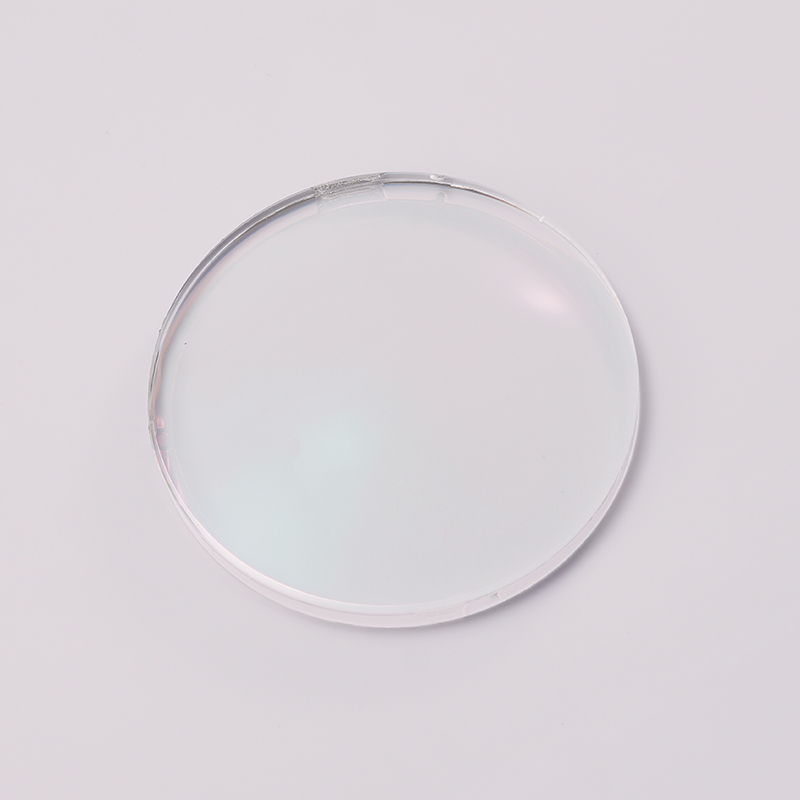
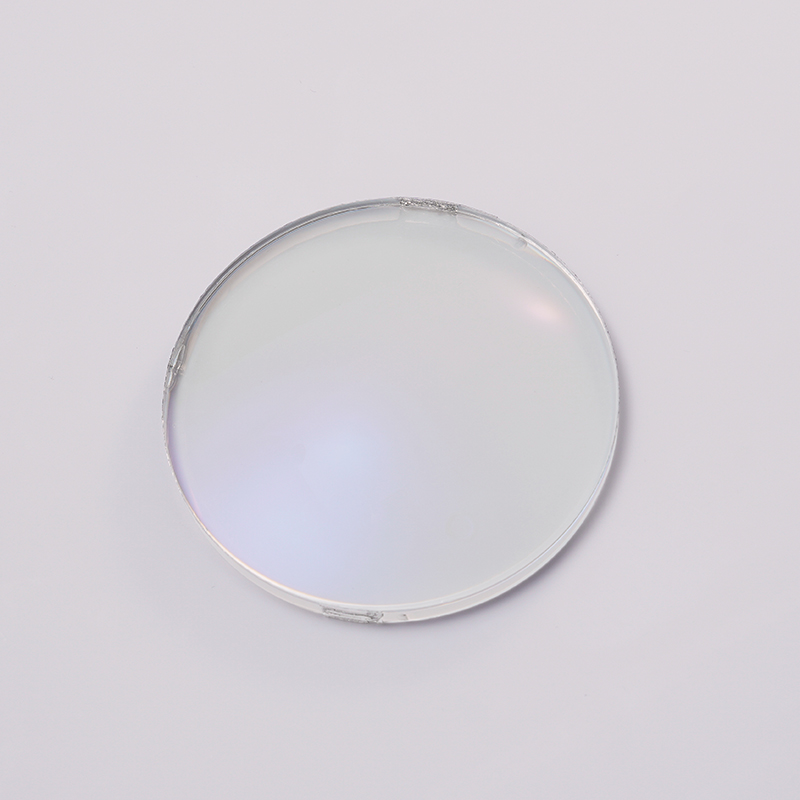
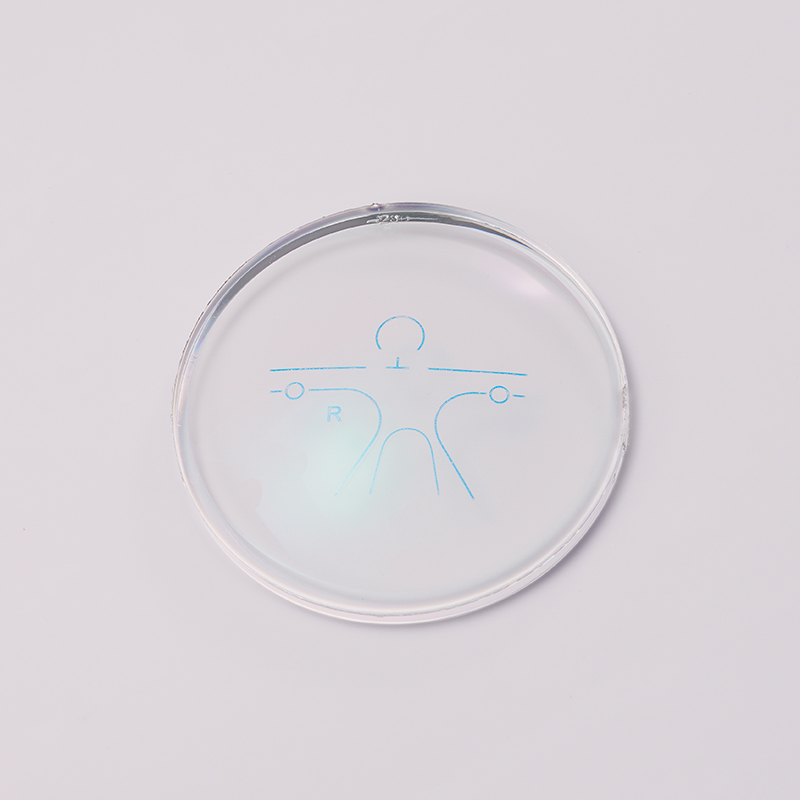
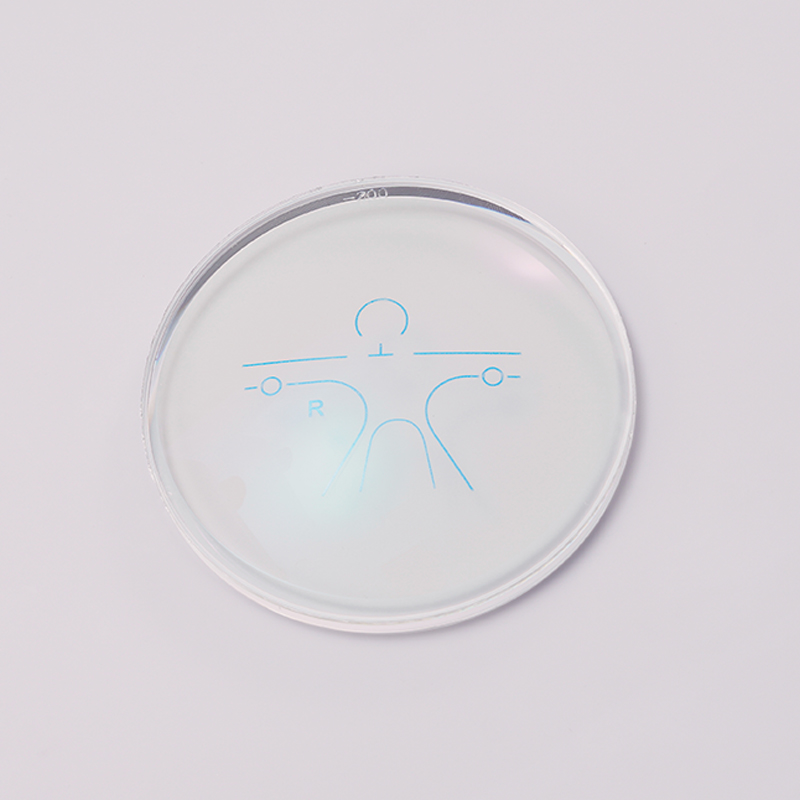
1.56 Blue Cut UV420 Round Top, Flat Top Invisible Bifocal UC, HC, HMC, SHMC Custom
Home / Product / Optical Lenses / Blue Cut & Block Lens / 1.56 Blue Cut UV420 Round Top, Flat Top Invisible Bifocal UC, HC, HMC, SHMC

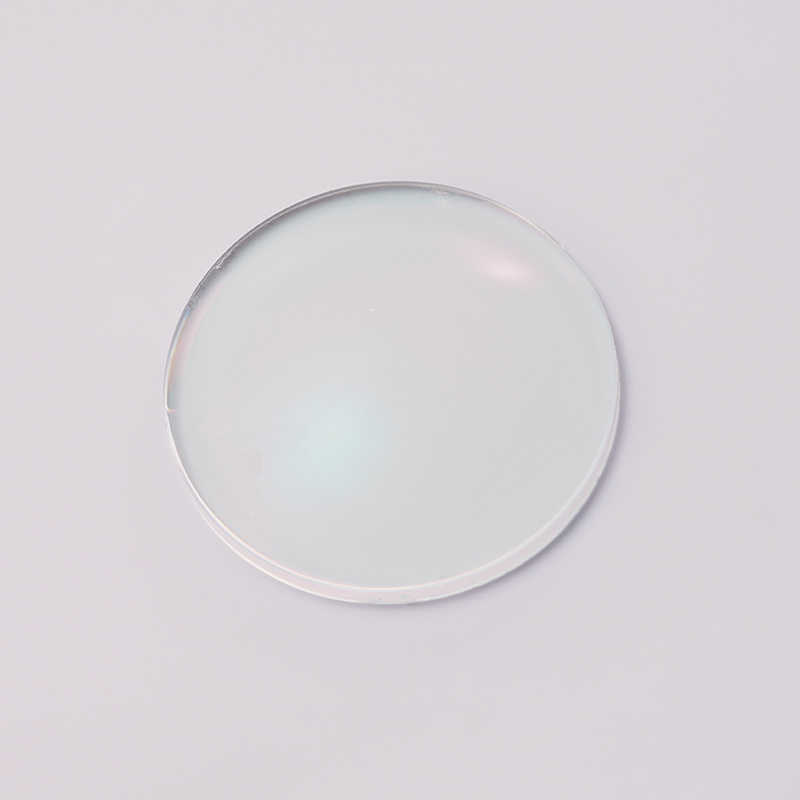
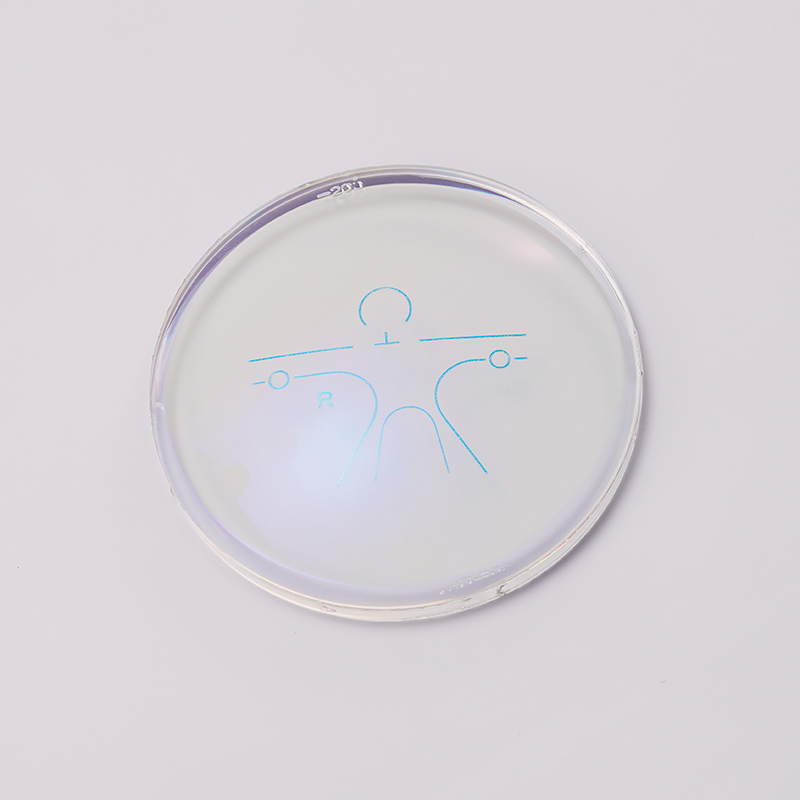
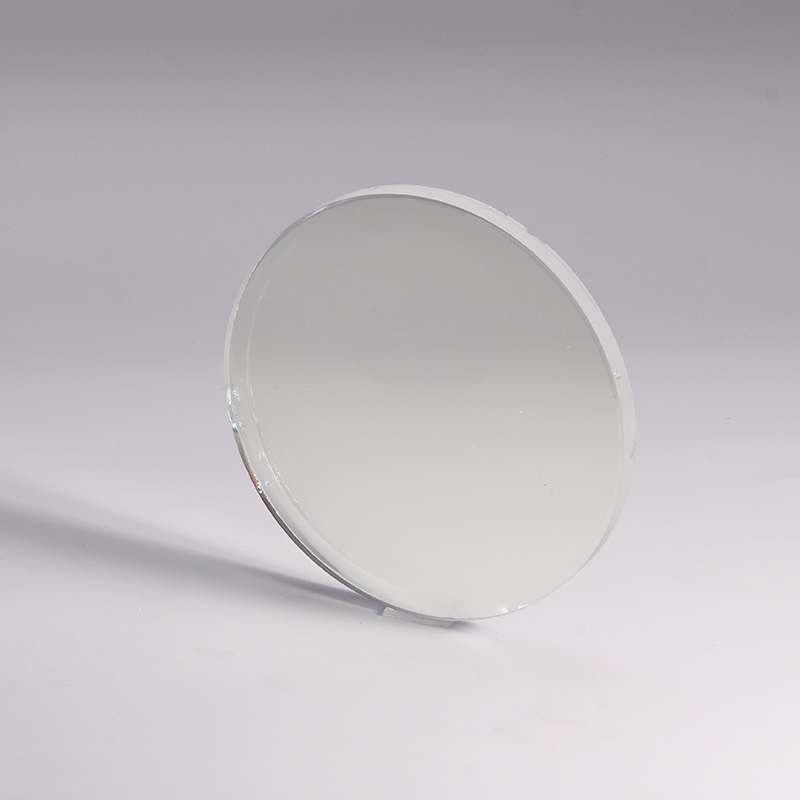
Our Blue Cut UV420 Invisible Bifocal lenses offer a good blend of classic bifocal functionality and advanced blue-light protection. With a 1.56 refractive index, these lenses come in both Round Top (RT) and Flat Top (FT) segment designs, providing seamless near-vision support while keeping your distance vision crystal clear.
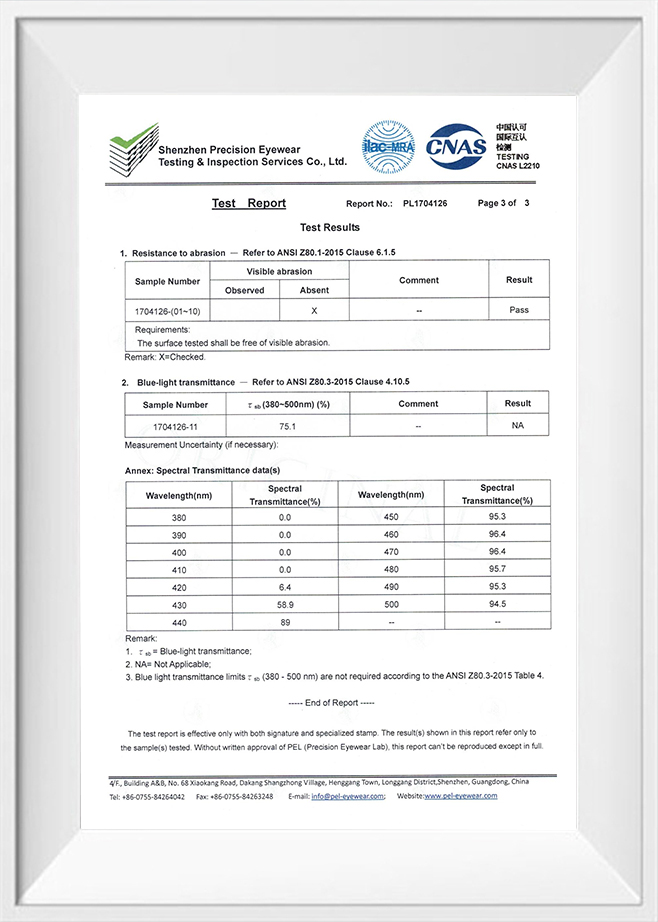
Unlike traditional bifocals with visible lines, the invisible segment design gives these lenses a sleek, modern appearance, ideal for those who need separate near and far correction without compromising style. Plus, the Blue Cut UV420 technology filters harmful blue light and UV rays up to 420 nm, reducing digital eye strain even after long hours in front of screens.

The optical industry is always evolving, with businesses constantly searching for practical ways to meet consumers'everyday vision correctio...
READ MOREThe way people use eyewear is changing. Glasses are no longer viewed only as a tool for correcting vision. Many users now expect their lense...
READ MORESpectacle Lens Blue Light have become part of everyday eyewear discussions. Not only in optical shops, but also in offices, schools, and hom...
READ MOREThe way people use their eyes has changed. Screens are no longer limited to offices. They are in homes, in transit, and in pockets. Many tas...
READ MOREReading has changed in quiet but noticeable ways. It no longer happens in a single format. A person may start with a printed page, move to a...
READ MOREBifocal photochromic glasses integrate the segmented vision correction of bifocals with the light-adaptive properties of photochromic technology. This combination serves individuals who require both multifocal correction and automatic adjustment to changing light conditions.
How does the photochromic function work in bifocals?
Photochromic molecules are distributed throughout the entire lens material, affecting both the distance and near portions equally.
When exposed to ultraviolet light, these molecules darken uniformly across the lens surface, maintaining the same relative transmission in both zones.
The bifocal segment remains visible as a distinct area regardless of the darkened state, as the segment line or blend is structural rather than color-dependent.
Indoors, the lenses return to a clear or nearly clear state, providing standard bifocal function without tint.
What are the practical applications?
Outdoor activities where both distance and near vision are needed, such as walking while needing to read signs or maps.
Transitions between indoor and outdoor environments without changing glasses.
Driving situations where quick glances at dashboard instruments alternate with distance viewing through windshields.
Occupations requiring movement between brightly lit exterior spaces and conventionally lit interior areas.
Who might benefit from this combination?
Individuals already accustomed to bifocals who desire light-adaptive convenience.
Those with light sensitivity that an adjustable tint is beneficial.
People who prefer not to carry separate prescription sunglasses for outdoor use.
Wearers seeking consolidated functionality across multiple visual environments.
Bifocal lenses occupy a specific position in the spectrum of vision correction, distinguished by their segmented design and the visual experience they provide compared to other lens types.
Segmented Visual Zones
The defining characteristic of bifocals is the presence of two distinct optical zones within a single lens. The upper portion contains the distance prescription, while a separate lower segment holds the near power. This segmentation creates an abrupt transition between zones, marked by a visible line or subtle blend depending on the design. This differs from single vision lenses, which offer one consistent power across the entire surface, and from progressives, which provide a continuous gradient of power without visible lines.
Fixed Segment Position
The near segment in bifocals occupies a fixed location, typically centered slightly inward and downward from the lens center. Users must align their gaze with this specific area to access near correction. This differs from progressive lenses, where the near zone is reached by following a corridor of increasing power, and from reading glasses, where the entire lens provides near correction.
Adaptation Requirements
Bifocal wearers must learn to look through the appropriate zone for each task. This involves directing the eyes downward for reading while keeping the head relatively level. The visible segment line provides a clear reference for zone location, which some users find helpful compared to the invisible zones of progressives. The image jump experienced when crossing the segment boundary differs from the smooth transition of progressives.
Blue cut invisible bifocals represent an integration of multiple optical technologies aimed at providing near-invisible segmentation, spectral filtering, and multifocal correction in a single lens.
Contact
Let’s Work Together
© Thinkey Optical Co.,Ltd.
Quick Links
Stay In Touch
Address:
611# Paimen Road DuQiao Town Linhai City Zhejiang China.
Phone:
0086-13788990737
Email:
Website

China Lenses and Eyeglass Factory