 English
 русский
 Français
 Español
 Deutsch
 عربى
عربى
Industry News

Content
In daily life, the eyes rarely stay in one type of light. A person may look at a screen indoors, step outside into daylight, then return to a dim space again. Each shift changes how the eyes respond. Over time, these small changes build into a pattern of strain that is not always obvious at first. Blue Light Blocking Photochromic lenses are often discussed in this context. They do not remove light entirely, and they do not keep vision fixed. Instead, they respond to light and filter certain parts of it, shaping how the eyes experience different environments.
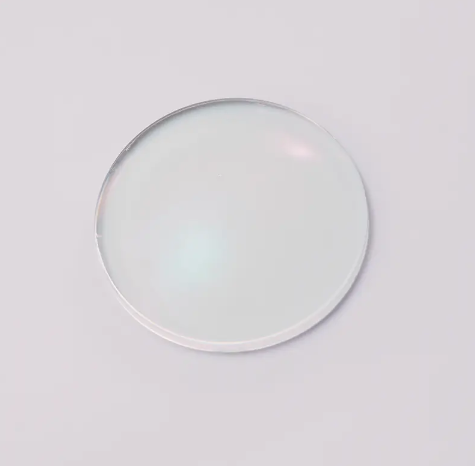
The idea behind these lenses is simple on the surface. They adjust to brightness while also managing the portion of light often associated with screens. What makes them relevant is how these two functions work together. Rather than treating indoor and outdoor use as separate situations, the lenses create a more continuous visual experience across both.
Not all light feels the same to the eyes. Some types appear softer, while others seem sharper or more intense. Blue light often falls into the latter category. It is present in many modern light sources, especially screens, and it tends to scatter more easily. This scattering effect can make edges look less stable and increase the sense of visual effort.
When the eyes deal with this kind of light for long periods, they may need to work harder to maintain clarity. The effect is subtle. It does not usually appear as immediate discomfort, but as a gradual sense of tiredness or dryness.
Blue light photochromic lenses reduce part of this effect by filtering a portion of that light. The goal is not to remove it completely, but to soften its impact. This allows the eyes to process visual information with less effort, especially during extended use.
Lighting conditions are rarely fixed. Even within a single room, brightness can change depending on time of day or screen usage. Outside, the variation becomes even more noticeable. Moving between these spaces forces the eyes to adapt again and again.
Photochromic lenses react to these changes automatically. When exposed to stronger light, they become darker. In lower light, they return to a clearer state. This adjustment happens without manual action, which allows the user to move freely between environments.
At the same time, the blue light filtering function remains active. This means that even in indoor settings, where brightness may not be extreme, the lenses continue to shape how light reaches the eyes.The combination creates a smoother transition. Instead of sharp differences between environments, the visual experience feels more balanced.
Screen use has become a regular part of daily routines. Many people spend hours focusing on displays that emit steady light. Over time, this can Find to a feeling of pressure around the eyes or difficulty maintaining focus.
Blue light photochromic lenses help reduce that effect in a gradual way. By filtering part of the blue spectrum, they soften the sharpness of screen light. The image remains clear, but the intensity feels more controlled.
Users often describe the difference as a reduction in "visual noise." The eyes do not need to adjust as frequently, and the overall viewing experience becomes more stable.This does not eliminate fatigue entirely, but it changes how quickly it builds up. The eyes can stay engaged for longer periods before discomfort appears.
Adaptation is a constant process. The eyes are always adjusting to brightness, contrast, and focus. When these changes happen too often, the process becomes more demanding.
Blue light photochromic lenses reduce the range of sudden changes. They soften both brightness and certain light frequencies, which helps narrow the gap between different conditions.
This creates a more predictable visual environment. The eyes still adapt, but the adjustments are smaller and less frequent. Over time, this can Find to a more relaxed viewing pattern.The effect is not dramatic in a single moment. It becomes more noticeable after repeated exposure to different lighting conditions throughout the day.
The benefits of these lenses appear through daily habits rather than isolated tests. They show up in how the eyes feel after hours of use, or how easily a person moves between different spaces.
These changes are often described as small but noticeable. They do not transform vision in a dramatic way, but they reduce the number of minor discomforts that add up over time.
| Aspect | Standard Lenses | Blue Light Blocking Photochromic Lenses |
|---|---|---|
| Response to light | No change in brightness | Adjusts with environment |
| Blue light handling | Passes through normally | Partially filtered |
| Indoor screen comfort | Depends on lighting | More balanced visual feel |
| Outdoor transition | Requires adjustment | Automatic shading response |
| Eye strain over time | Can build gradually | Reduced rate of fatigue |
| Visual consistency | Varies by setting | More even across conditions |
This comparison highlights how the difference is not only about one feature. It is about how multiple small adjustments work together to support comfort.
Visual rhythm refers to how smoothly the eyes move through different tasks and environments. When lighting changes sharply, that rhythm can feel interrupted. The eyes need to pause and adjust, even if only for a short moment.
Blue light photochromic lenses help maintain that rhythm. By managing both brightness and light quality, they reduce sudden changes. The transition from one environment to another becomes less noticeable.
This stability supports continuous activity. Whether reading, working, or moving between spaces, the visual experience remains more consistent.The benefit is not about speed or performance. It is about reducing small disruptions that can affect comfort over time.
Large changes are easy to notice, but small adjustments often have a deeper effect. Eye comfort is influenced by repeated exposure rather than single events. Minor strain, repeated many times, can Find to significant fatigue.Blue light blocking photochromic lenses focus on these small adjustments. They do not aim to create a dramatic shift in vision. Instead, they refine how light is handled in everyday situations.
By reducing glare, softening certain light frequencies, and adapting to brightness, they address several sources of strain at once. Each adjustment is subtle, but together they shape a more comfortable experience.Over time, this approach changes how the eyes respond to daily tasks. The effort required to maintain focus feels lower, and the overall visual experience becomes easier to manage.
If you have any questions, please fill out the contact form at the bottom of the page and contact us.
Best selling Products
Best sellers, Globally Chosen
Contact
Let’s Work Together
© Thinkey Optical Co., Ltd.
Quick Links
Stay In Touch
Address:
611# Paimen Road DuQiao Town Linhai City Zhejiang China.
Phone:
0086-13788990737
Email:
Website

China Lenses and Eyeglass Factory
 Previous