 English
 русский
 Français
 Español
 Deutsch
 عربى
عربى
Industry News

Content
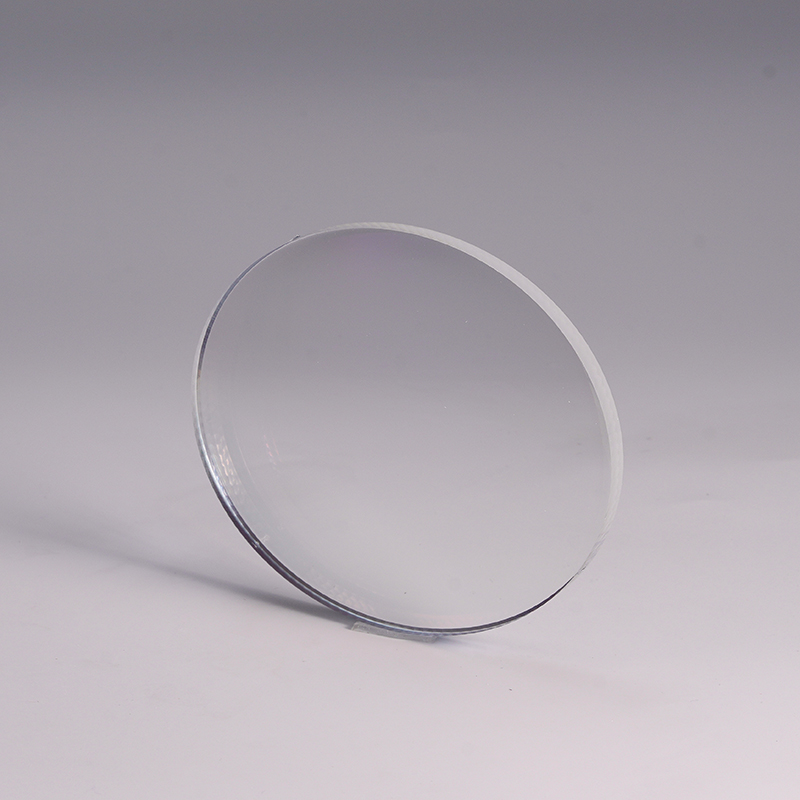
Anti-blue light lenses are designed to filter part of the high-energy visible (HEV) blue light emitted by digital devices and artificial lighting. These lenses are increasingly used by individuals who spend extended periods looking at screens such as computers, tablets, and smartphones. While these lenses provide several practical functions, they also have certain limitations that should be understood when selecting eyewear.
• Blue-Light Filtering Function
One of the main features of anti-blue light lenses is the ability to reduce exposure to short-wavelength visible light, often referred to as blue light. Digital screens and LED lighting emit this type of light. Lens manufacturers typically incorporate special coatings or materials that absorb or reflect part of this spectrum. The goal is to reduce visual discomfort associated with prolonged screen viewing. By filtering some blue wavelengths, these lenses may help reduce glare and support visual comfort during extended digital tasks.
• Reduced Digital Eye Strain
People who work on computers or use mobile devices for many hours may experience symptoms such as eye fatigue, dryness, or difficulty focusing. Anti-blue light lenses are often marketed as a tool to help manage these symptoms. The lenses may reduce contrast fluctuations caused by screen brightness and reflections. In combination with proper screen settings and regular breaks, they can be part of a broader strategy to maintain visual comfort during digital work.
• Optical Coatings and Lens Design
Anti-blue light lenses are often combined with other optical coatings. These may include anti-reflective layers, scratch-resistant coatings, and ultraviolet filters. The combination of these coatings helps improve light transmission and reduce reflections from indoor lighting or screens. Some lenses also include slight tinting, which helps filter specific wavelengths more effectively.
• Limitations of Anti-Blue Light Lenses
Despite their benefits, anti-blue light lenses have limitations. They do not eliminate all blue light, nor are they a complete solution for eye strain. Eye fatigue can also result from poor lighting conditions, improper viewing distance, or lack of breaks during screen use. Additionally, some users notice a slight color shift due to the filtering effect. This may influence tasks that require precise color perception, such as graphic design or photography. For these reasons, anti-blue light lenses are usually considered a supportive visual aid rather than a comprehensive eye-care solution.
Anti-glare blue cut lenses combine two functional technologies: anti-reflective coatings and blue-light filtering materials. These lenses are widely offered by eyewear manufacturers and optical retailers as part of modern prescription and non-prescription eyewear.
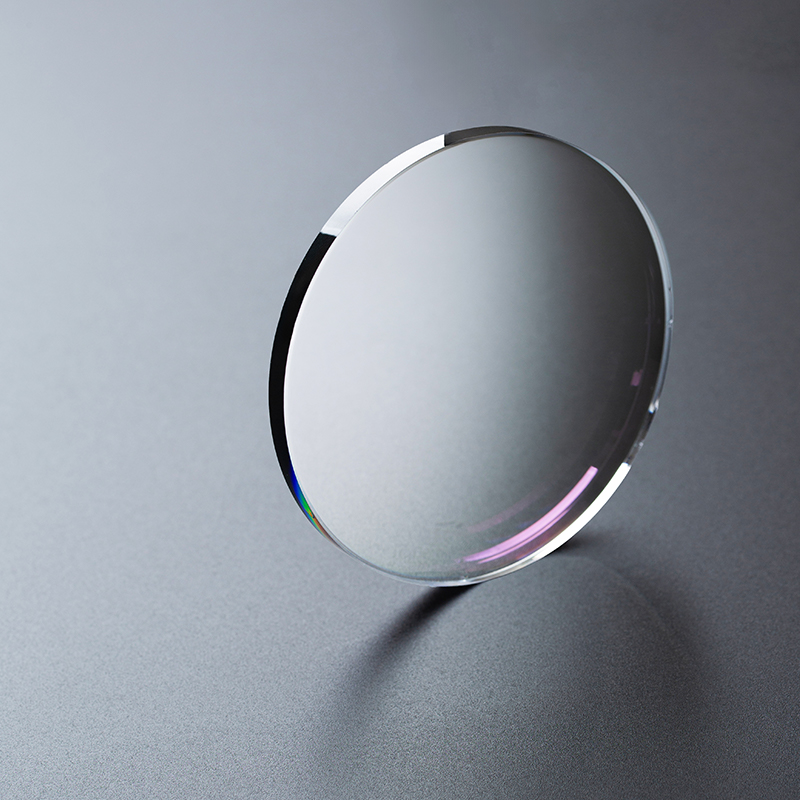
Market research reports indicate that blue-light filtering lenses have experienced steady growth over the past decade. The expansion of digital device use in offices, schools, and homes has contributed to this trend. As people spend more time working on screens, optical companies have introduced lenses that address both reflections and digital light exposure.
Anti-glare coatings reduce reflections on the lens surface caused by artificial lighting and electronic screens. When combined with blue-light filtering technology, the lenses are positioned as products that improve visual comfort for computer users. This combination is commonly included in mid-range and premium lens packages offered by optical retailers.
The market share of anti-glare blue cut lenses varies by region and distribution channel. In many optical stores, blue-light filtering features are frequently offered as optional upgrades for prescription glasses. Online eyewear retailers also provide similar customization options. As a result, these lenses represent a growing portion of functional eyewear sales, especially among office workers and students.
1. Are anti-glare blue cut lenses only for computer users?
No. While they are often marketed to computer users, these lenses can also reduce reflections from indoor lighting and digital displays in general daily environments.
2. Do anti-glare lenses affect vision clarity?
Anti-reflective coatings are designed to improve clarity by reducing reflections that may interfere with visual perception.
3. Are these lenses available for prescription glasses?
Yes. Anti-glare blue cut technology is commonly integrated into prescription lenses as well as non-prescription computer glasses.
4. Are they useful for night driving?
Anti-glare coatings may reduce reflections from headlights and street lighting. However, blue-light filtering features play a smaller role in nighttime driving situations.
Blue cut progressive lenses combine three optical features: progressive vision correction, blue-light filtering, and sometimes anti-reflective coatings. Progressive lenses are designed to provide multiple focal distances in a single lens, allowing wearers to see clearly at near, intermediate, and far distances without visible segment lines.
The integration of blue-light filtering technology adds functional layer intended to support individuals who frequently work with digital screens.
Comparison of Blue Cut Progressive Lenses
|
Aspect |
Advantages |
Disadvantages |
|
Vision Correction |
Progressive design allows a smooth transition between distance, intermediate, and near vision. |
An adaptation period may be required for time users. |
|
Digital Screen Use |
Blue-light filtering may reduce glare and visual fatigue during prolonged screen exposure. |
Filtering may cause a slight color shift in some situations. |
|
Convenience |
Combines multiple focal zones and protective features into one pair of lenses. |
Typically more complex to manufacture and therefore often more expensive than single-vision lenses. |
|
Aesthetic Design |
No visible bifocal or trifocal lines, giving lenses a uniform appearance. |
Peripheral distortion may occur in certain progressive designs. |
|
Everyday Use |
Suitable for individuals who frequently shift focus between different distances. |
Users may need time to adjust their head and eye movement when reading or using devices. |
Progressive lenses have become widely used among individuals with presbyopia, a condition that affects near vision with age. By incorporating blue-light filtering features, manufacturers aim to adapt these lenses to modern visual habits that involve frequent interaction with digital devices.
The successful use of progressive lenses often depends on proper fitting and accurate prescription measurements. Optical professionals typically measure pupil distance, frame position, and lens height to ensure the progressive zones align correctly with the wearer's eyes.
Blue cut progressive lenses represent a combination of vision correction and digital-era lens technology. Their advantages relate to convenience and multifunctionality, while their limitations involve adaptation time, potential cost differences, and slight optical compromises associated with progressive lens design.
If you have any questions, please fill out the contact form at the bottom of the page and contact us.
Best selling Products
Best sellers, Globally Chosen
Contact
Let’s Work Together
© Thinkey Optical Co., Ltd.
Quick Links
Stay In Touch
Address:
611# Paimen Road DuQiao Town Linhai City Zhejiang China.
Phone:
0086-13788990737
Email:
Website

China Lenses and Eyeglass Factory
 Previous