
 English
 русский
 Français
 Español
 Deutsch
 عربى
عربى
Industry News

Content
Light is rarely neutral. It reflects, scatters, and sometimes becomes uncomfortable to look at. Glare appears in many forms. It may come from a bright surface, a digital screen, or even indoor lighting that feels too sharp after long exposure. While the eyes can adjust to some degree, repeated exposure often leads to strain and reduced clarity. This is where Blue HMC Glass Lens enter the conversation. They are designed to manage how light interacts with the lens surface, shaping the visual experience in a more controlled way.
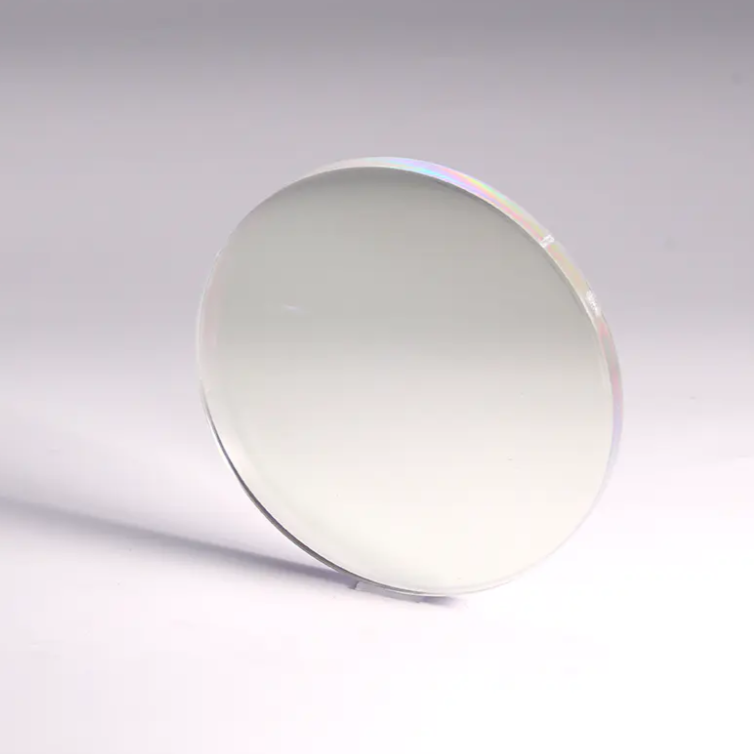
The idea is not to block light completely. Instead, it is about guiding how light passes through the lens and how much reflection reaches the eyes. The result is a visual field that feels calmer and more stable, especially in environments where glare is common.
Glare is not just brightness. It is a form of light that interferes with clear vision. It often appears when light reflects off smooth or shiny surfaces. Instead of entering the eye in a balanced way, the light scatters, creating a hazy or washed-out effect.
This scattering makes it harder to focus on details. Edges may seem less defined, and contrast can drop. In daily life, glare shows up in simple moments. Looking at a screen, stepping outside on a bright day, or facing artificial lighting in enclosed spaces can all create this effect.
The eyes try to adapt by narrowing focus or adjusting sensitivity. Over time, this repeated effort may to fatigue. The discomfort is not always immediate, but it builds gradually.
A Blue glass lens includes a surface treatment that alters how light interacts with the lens. Instead of allowing a large portion of light to reflect off the surface, the coating reduces that reflection. More light passes through the lens in a controlled direction.
At the same time, the coating influences how certain light tones are handled. Some wavelengths are softened, which reduces the sharpness often associated with glare. The lens does not remove these light components entirely, but it adjusts their intensity.This combination creates a more balanced visual input. The eyes receive light that is less scattered and more organized, making it easier to maintain focus.
Reflection is one of the main causes of glare. When light bounces off the surface of a lens, it can create overlapping images or faint reflections that interfere with what the user is trying to see.
By reducing surface reflection, Blue glass lenses allow more direct light to pass through. This improves the clarity of the image. Objects appear more defined because there is less interference from stray light.
The improvement is not about making everything brighter. It is about reducing the noise created by unwanted reflections. When that noise is lowered, the visual field feels cleaner and easier to process.
The surface of a lens plays a significant role in how light behaves. A smoother surface allows light to pass through more evenly, while an uneven surface can scatter light in different directions.
Blue HMC coatings are applied in layers that create a more uniform surface. This uniformity helps guide light more precisely. Instead of scattering, light follows a more direct path into the eyes.This reduces the chance of glare forming from irregular reflections. The effect is subtle but noticeable, especially in environments with mixed lighting sources.
People can experience the advantages of Blue HMC lenses through subtle, gradual improvements in daily wear. Unlike sudden obvious changes to eyesight, these improvements mainly show in long-term eye comfort rather than instant visual differences.
Users will notice:
All these practical improvements reflect the real anti-glare performance of the lenses. The effect is gentle instead of striking, yet it becomes increasingly obvious the longer you wear them.
| Item | Ordinary glass lenses | Blue HMC glass lenses |
|---|---|---|
| Surface reflection | Strong reflection levels | Effectively suppressed reflection |
| Light transmission | Unregulated light flow | Well-organized light direction |
| Degree of glare | Obvious and irritating glare | Mild glare with little interference |
| Visual sharpness | Easily weakened by reflections | Stable and consistent clarity |
| Long-term eye comfort | Gradually worsens with continuous use | Remains steady and comfortable |
This table demonstrates how the special coating alters the way light interacts with lens surfaces. The improvement lies not just in lower brightness, but in a more reasonable and balanced distribution of incoming light.
Eye comfort is closely linked to how much effort is required to maintain clear vision. When glare is present, the eyes need to work harder to filter out unwanted light. This effort increases over time, especially during tasks that require continuous focus.Blue HMC glass lenses reduce that effort by limiting the amount of distracting light entering the eyes. With fewer reflections and less scattering, the visual field becomes easier to interpret.This does not remove all sources of strain, but it reduces one of the common contributors. Over longer periods, this can help maintain a more relaxed viewing experience.
Today's indoor and public spaces contain a wide range of artificial lighting devices. Electronic screens, ceiling lamps and glossy reflective materials combine to form a complicated visual atmosphere, which means glare irritation may come from various directions at the same time.
Blue HMC lenses are specially made to cope with such complicated light conditions. They minimize unnecessary surface reflections and regulate light transmission paths, reducing disorderly light entering the eyes.
This improvement is particularly obvious when people move from one lighting area to another repeatedly in daily life. Rather than making eyes constantly adapt to sudden brightness changes, the lenses keep visual brightness and contrast at a steady level.Long-term stable visual conditions are the main reason why people can enjoy noticeably more comfortable vision.
If you have any questions, please fill out the contact form at the bottom of the page and contact us.
Best selling Products
Best sellers, Globally Chosen
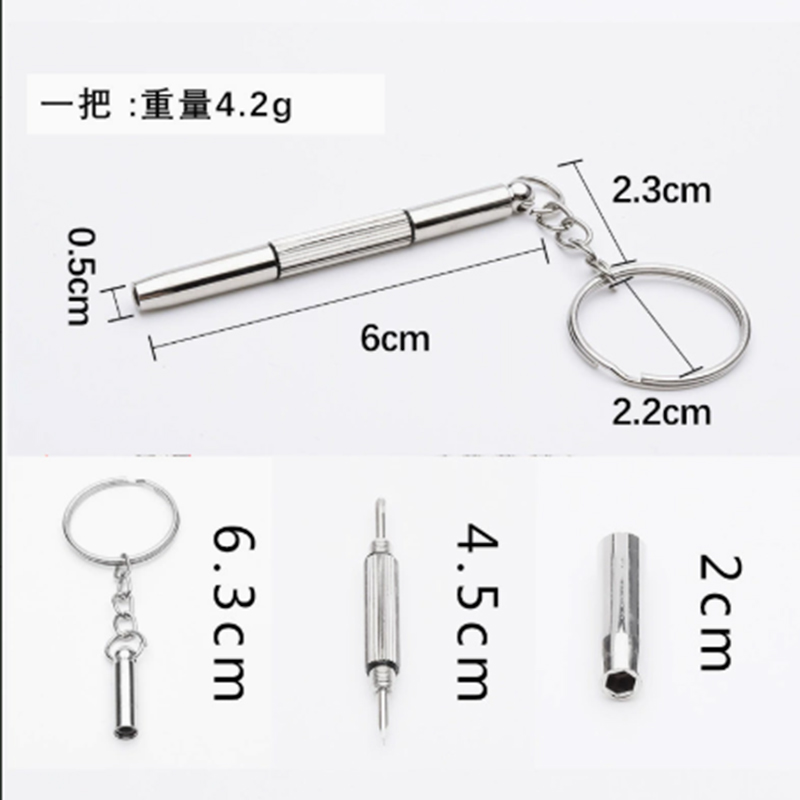
1. 3-in-1 function, easily fix minor glasses probl...
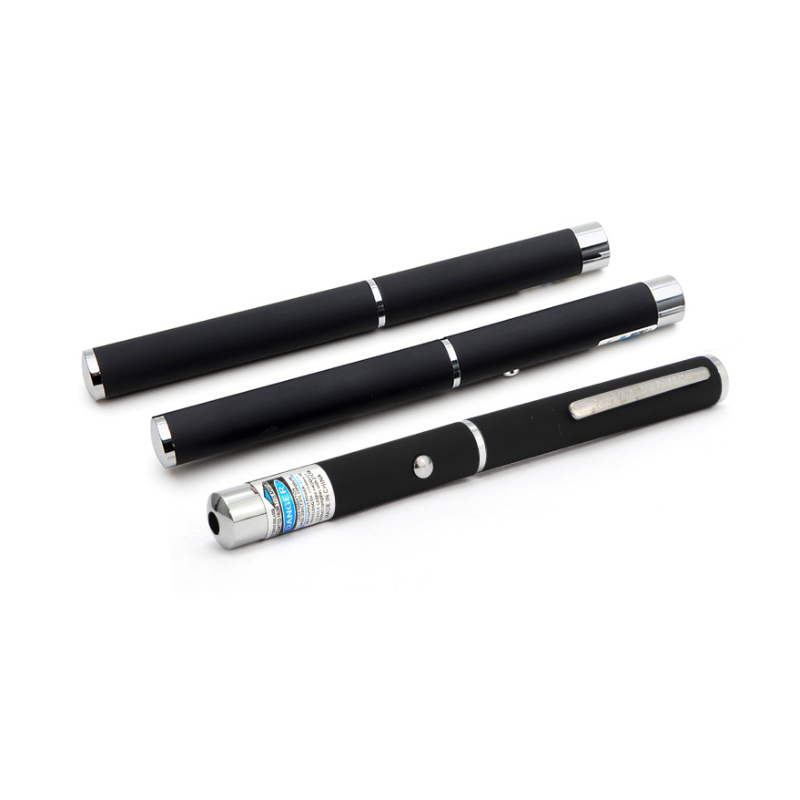
The multifunctional blue light test pen adopts hig...
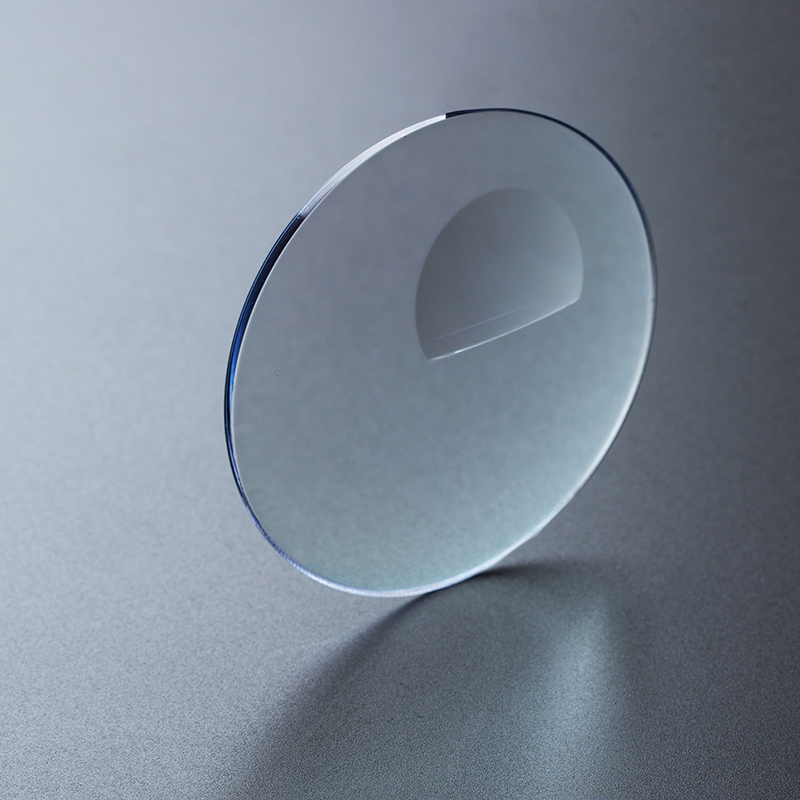
The 1.56 Bifocal lenses combine advanced optical t...
Contact
Let’s Work Together
© Thinkey Optical Co., Ltd.
Quick Links
Stay In Touch
Address:
611# Paimen Road DuQiao Town Linhai City Zhejiang China.
Phone:
0086-13788990737
Email:
Website

China Lenses and Eyeglass Factory
 Previous