 English
 русский
 Français
 Español
 Deutsch
 عربى
Industry News

Content
Progressive lens surfaces provide continuous power change from distance through intermediate to near zones, allowing a single pair of glasses to cover the main viewing distances of daily life. Photochromic compounds within the lens respond to changes in ambient light by darkening outdoors and clearing again indoors. Blue-light filtering layers reduce a portion of the shorter-wavelength light emitted by many digital screens. When these three functions are combined in one lens, the resulting design addresses varied visual tasks without requiring separate pairs for reading, screen work and outdoor movement. A Progressive Blue Cut Lens that also incorporates photochromic behavior therefore serves as a practical multifunctional option for ordinary daytime routines.
Reading, computer work and distance viewing each demand a different focal power. A progressive design places the distance zone in the upper portion of the lens, the intermediate zone in the middle corridor and the near zone in the lower portion. The transition between these zones is continuous, so no visible line interrupts the field of view. Accurate prescription data, correct positioning of the lens relative to the pupil and a frame that holds the lens at the proper height and angle are all required for the intended zones to align with the wearer's natural gaze. Matching the progressive design to the actual range of daily visual tasks determines how comfortably the lens can be used across a full day.
Photochromic molecules darken when exposed to sufficient ultraviolet or short-wavelength light and return toward clear when that exposure decreases. The change allows the same lenses to serve both indoor and outdoor portions of a routine without the need to switch pairs. Activation speed, darkest tint level and the rate at which the lenses clear again depend on the specific formulation, ambient temperature and the intensity of the activating light. Performance therefore varies with real-world conditions and should be evaluated against the expected pattern of indoor and outdoor movement.
Many digital displays emit a higher proportion of blue-wavelength light than traditional indoor lighting. Filtering layers incorporated into the lens reduce transmission of a selected band of these wavelengths. The feature is considered when eyewear is selected for extended computer, tablet or smartphone use. The degree of filtration and the visual effect on color perception differ among products; claims of specific benefits for digital eye comfort remain dependent on the individual lens specification and should not be treated as universal.
A single lens that carries progressive power change, light-adaptive tinting and blue-light filtration addresses three separate requirements that would otherwise call for multiple pairs. The convenience of one pair for varied tasks is balanced by the need to verify that each function meets the required optical and environmental performance. Comparing the progressive corridor design, the measured photochromic response and the documented blue-light transmission data allows the combined product to be assessed rather than assumed suitable on the basis of feature names alone.
Lens index influences the finished thickness for a given prescription strength and lens diameter. Higher-index materials generally produce thinner edges for stronger prescriptions, while mid-range indices balance thickness, weight and optical performance for common power ranges. Frame size, prescription magnitude and the chosen progressive design all interact with index to determine the final appearance and weight of the mounted lenses. Selecting an index that keeps thickness acceptable within the intended frame supports both optical clarity and wearing comfort.
Office work relies on the intermediate and near zones for documents and screen distance. Prolonged reading uses the near zone when the prescription and fitting height place that zone at the correct position. Outdoor intervals benefit from the photochromic darkening that occurs under suitable light. Movement between indoor and outdoor environments throughout the day is accommodated by the same pair without interruption. Suitability in each case still depends on the accuracy of the prescription, the precision of the fitting and the measured performance of the specific lens.
The required prescription range and the progressive design parameters are confirmed against the available product. Photochromic activation, clearing behavior and light-transmission values are reviewed from the supplier's data. Blue-light filtering characteristics and any accompanying optical documentation are examined. Coating options, base material, surface quality and compatibility with the chosen frame are assessed. Adaptation time and professional fitting guidance are taken into account so that the finished spectacles align with the wearer's visual needs.
Optical accuracy across the progressive surface and consistency from lens to lens determine whether successive pairs perform equally. Photochromic response, coating uniformity and overall appearance are subject to defined inspection steps. Product specifications and supporting test records provide the basis for comparing candidate lenses. For larger volume requirements, sample evaluation, batch consistency, packaging standards and any available customization options are reviewed before quantities are finalized.
Combining progressive power change, adaptive tinting and blue-light filtration produces a lens suited to varied daily visual demands when each function meets its stated performance. Review of the progressive design, photochromic data and filtering specifications against the intended pattern of use supports a more informed selection. Retailers, distributors and optical buyers can therefore treat these lenses as one option among several, evaluated on documented characteristics rather than on feature lists alone.
| Function | Contribution to Daily Vision | Points to Confirm Before Selection |
|---|---|---|
| Progressive power change | Continuous near, intermediate and distance zones | Corridor design, prescription range, fitting height |
| Photochromic tinting | Darkens outdoors, clears indoors | Activation and fading behavior under expected light |
| Blue-light filtration | Reduces selected short-wavelength transmission | Documented transmission data for the specific lens |
| Refractive index and thickness | Influences finished edge profile and weight | Compatibility with frame size and prescription |
| Surface coatings | Affects reflections, durability and ease of cleaning | Available options and their optical impact |
| Production consistency | Ensures successive lenses perform similarly | Inspection records and sample evaluation |
Progressive design, photochromic response and blue-light filtration each address a distinct aspect of everyday vision. When these functions are combined and each is verified against the required prescription, lifestyle pattern and optical data, the resulting lenses can serve a wide range of ordinary tasks. Thinkey Optical Co., Ltd. produces progressive lenses that incorporate photochromic and blue-light filtering features. Review of available progressive designs, photochromic performance data, filtering specifications and frame compatibility against the intended visual requirements allows selection of lenses suited to consistent daily use.
If you have any questions, please fill out the contact form at the bottom of the page and contact us.
Best selling Products
Best sellers, Globally Chosen
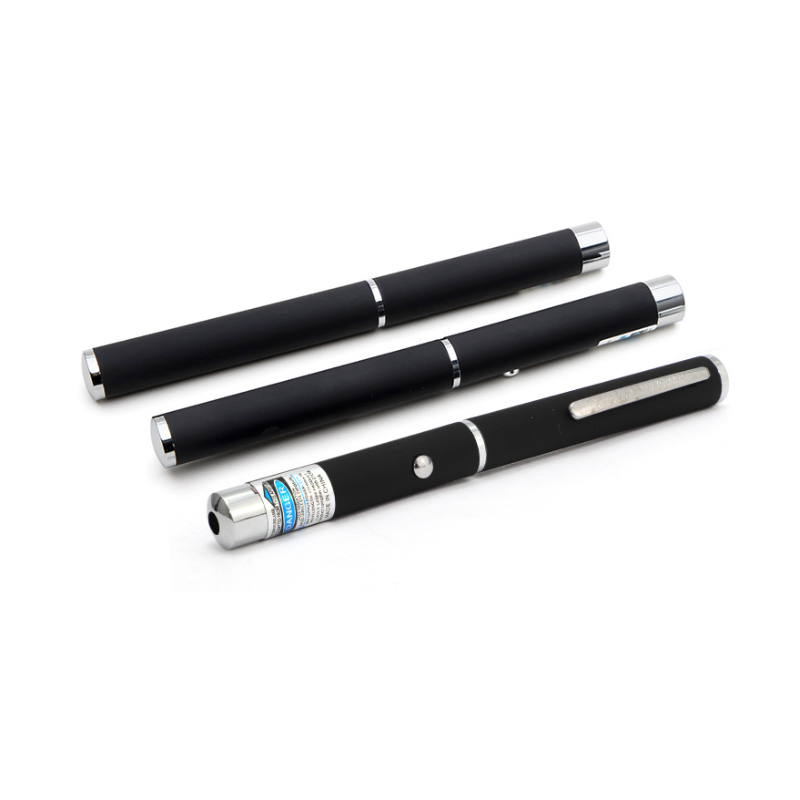
The multifunctional blue light test pen adopts hig...
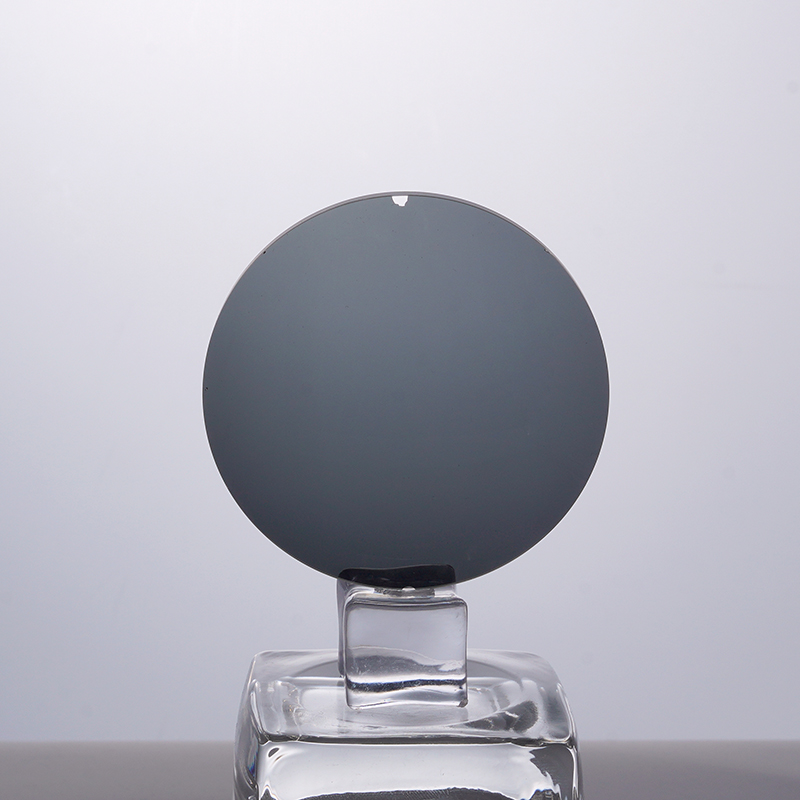
Driving glasses incorporate a special polarizing f...
Contact
Let’s Work Together
© Thinkey Optical Co., Ltd.
Quick Links
Stay In Touch
Address:
611# Paimen Road DuQiao Town Linhai City Zhejiang China.
Phone:
0086-13788990737
Email:
Website

China Lenses and Eyeglass Factory
 Previous