 English
 русский
 Français
 Español
 Deutsch
 عربى
عربى
Industry News

Content
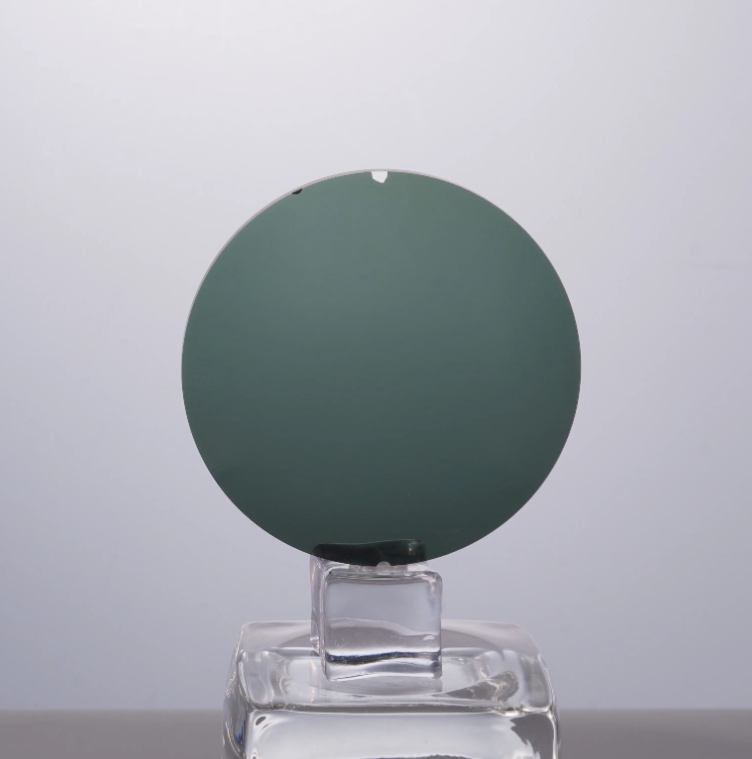
In optical workshops and retail counters, small habits often shape how long a pair of lenses stays clear and comfortable. Green HMC Eye Glasses , known for their layered surface treatment, are widely used in everyday eyewear. Their appearance may look simple, yet the surface is more sensitive than it seems. A careless wipe can leave marks that stay longer than expected. A thoughtful routine, on the other hand, keeps the surface clean and the view steady.
People tend to focus on how lenses perform when new. Less attention is given to how they are handled over time. In many cases, the difference between a lens that lasts and one that quickly loses clarity comes down to daily care. Cleaning is not only about removing dust. It is also about protecting the thin coating that sits on the lens.
Green HMC lenses have a coated surface that interacts with light in a subtle way. This layer helps reduce reflections and improves visual comfort. It also means the surface is more delicate than untreated lenses. The coating is not something that can be restored once damaged. That is why cleaning methods matter.
Unlike plain glass or basic plastic lenses, these lenses respond better to gentle handling. Rubbing them with rough fabric or dry tissue may seem harmless, but over time it can dull the surface. Even small particles trapped in cloth can create fine scratches.
Another point often overlooked is how oils behave on coated lenses. Fingerprints do not just sit on the surface; they spread and cling. This makes proper cleaning essential, rather than occasional.
Many lens issues begin with simple routines. Wiping lenses with a shirt corner is common. It feels quick and convenient. Yet fabric fibers can carry dust from the air or from previous use. When this dust meets the lens, it acts like a fine abrasive.
Using paper products can also create problems. Some tissues are rough at a microscopic level. They may leave behind faint lines that build up over time. These marks are not always visible at once, but they slowly affect clarity.
There is also the issue of pressure. Pressing too hard while cleaning does not remove dirt more effectively. Instead, it increases the chance of grinding particles into the surface. A light touch often works better.Exposure to unsuitable liquids is another factor. Household cleaners, even mild ones, may contain elements that react with coatings. Once the surface is altered, the change is difficult to reverse.
A simple method often works best. It begins with rinsing. Running water helps carry away loose particles before any wiping begins. This step reduces the risk of scratching.
After rinsing, a small amount of mild cleaning solution can be applied. The key is to use something designed for lenses or a gentle alternative that does not leave residue. Spread it lightly with clean fingers, avoiding nails.Rinse again to remove the solution. Let the water flow over both sides. This step ensures that no film remains on the surface.
Drying is where care is often tested. A clean, soft cloth made for lenses works well. It should be free from dust and used only for this purpose. Patting the lens dry can be safer than rubbing, especially when unsure about remaining particles.
The choice of tools shapes the outcome of cleaning. Some items are safe and consistent, while others bring hidden risks.
| Cleaning Tool | Suitability for Green HMC Lenses | Notes on Use |
|---|---|---|
| Microfiber cloth | Suitable | Keep clean and store in a case |
| Lens cleaning solution | Suitable | Use small amounts |
| Running water | Suitable | Helps remove loose particles |
| Paper tissues | Less suitable | May cause fine scratches |
| Clothing fabric | Less suitable | Often carries dust or fibers |
| Household cleaners | Not suitable | May affect coating |
A clean microfiber cloth is often seen as a basic tool, yet its condition matters. When it becomes dirty, it no longer protects the lens. Washing the cloth regularly and letting it dry naturally can extend its usefulness.
Cleaning frequency depends on daily use. Lenses worn throughout the day collect dust, oils, and environmental particles. Light cleaning once or twice a day is often enough to keep them clear.There is no need to clean constantly. Over-cleaning can introduce unnecessary handling. Instead, focus on moments when visibility is affected or when smudges become noticeable.At the same time, leaving lenses dirty for long periods is not helpful. Oils can spread and become harder to remove. A simple routine, done gently, tends to work better than frequent, hurried cleaning.
Maintenance goes beyond cleaning. It includes how lenses are handled and stored. Small actions can reduce the need for frequent cleaning.Placing glasses on surfaces with the lenses facing down can Find to scratches. Even a smooth table may hold particles that are not visible. Setting them with the lenses facing up is a safer habit.
Using a protective case when glasses are not in use helps shield them from dust and accidental contact. Cases also reduce exposure to air particles during storage.Handling glasses by the frame instead of the lenses keeps fingerprints away. This simple habit reduces the need for repeated cleaning.Temperature is another factor. Leaving glasses in very hot places can affect the coating over time. Keeping them in moderate conditions helps preserve the surface.
Daily environments play a role in how lenses age. Dusty settings introduce more particles, making careful cleaning more important. Wind can carry fine debris that settles on the surface.Humidity also has an effect. In moist conditions, lenses may collect more smudges and require gentle drying. In dry environments, static can attract dust more easily.
Urban settings bring their own challenges. Airborne particles from traffic and construction can settle on lenses quickly. Regular rinsing becomes more useful in such conditions.Indoor environments are not always neutral. Air conditioning systems can circulate fine dust. Screens and lighting can highlight smudges that might otherwise go unnoticed.
Many issues come from habits that seem harmless. Avoiding these can extend the life of the lenses.
Cleaning lenses while they are dry is one of the common mistakes. Without moisture, particles are more likely to scratch the surface.
Using the same cloth for different purposes can introduce unwanted debris. A cloth used for other items may carry particles that are not suitable for lenses.
Storing glasses without protection exposes them to accidental contact. Even placing them in a bag without a case can Find to scratches from other objects.
Another mistake is using breath alone to clean lenses. While it adds slight moisture, it does not remove particles effectively. It may also leave streaks.
Applying too much pressure during cleaning is also unnecessary. Gentle movements are often enough to remove smudges.
Consistency matters more than complexity. A simple routine, followed regularly, helps maintain the surface without stress. Rinse when needed, clean gently, dry with care, and store properly.
Over time, these habits become automatic. They reduce the need for deeper cleaning and help preserve clarity. Lenses that are treated with care tend to remain comfortable to use, even after long periods.
In professional settings, similar practices are often recommended to users. Not because they are complicated, but because they are reliable. The goal is not to make cleaning a task, but to make it a natural part of daily use.
If you have any questions, please fill out the contact form at the bottom of the page and contact us.
Best selling Products
Best sellers, Globally Chosen
Contact
Let’s Work Together
© Thinkey Optical Co., Ltd.
Quick Links
Stay In Touch
Address:
611# Paimen Road DuQiao Town Linhai City Zhejiang China.
Phone:
0086-13788990737
Email:
Website

China Lenses and Eyeglass Factory
 Previous