 English
 русский
 Français
 Español
 Deutsch
 عربى
عربى
Custom Plastic Anti-Blue Light Reading Glasses for Men and Women
Home / Product / Reading Glasses / PC Reading Glasses / Plastic Anti-Blue Light Reading Glasses for Men and Women

Color: black
Description
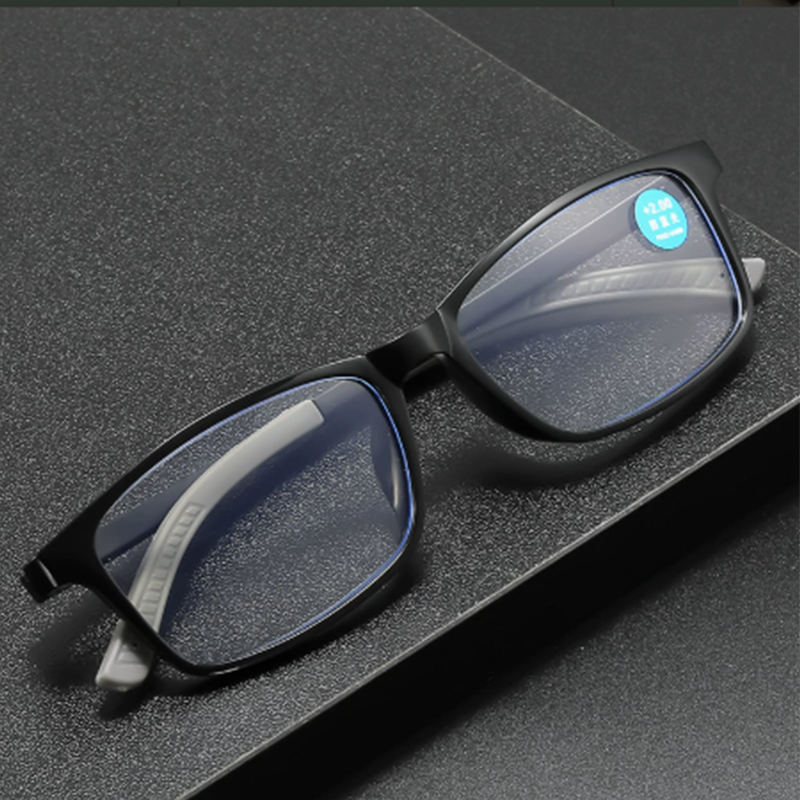
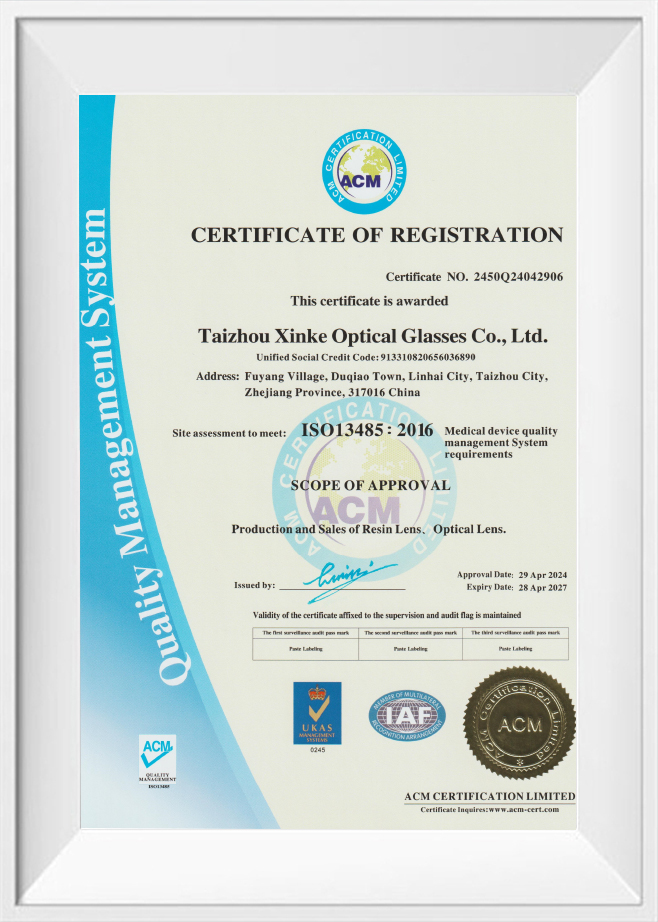
These practical reading glasses combine clear vision with blue light protection. The lightweight black square frame is comfortable for all-day wear, ideal for reading, screen use, or as a backup pair.
Key Highlights
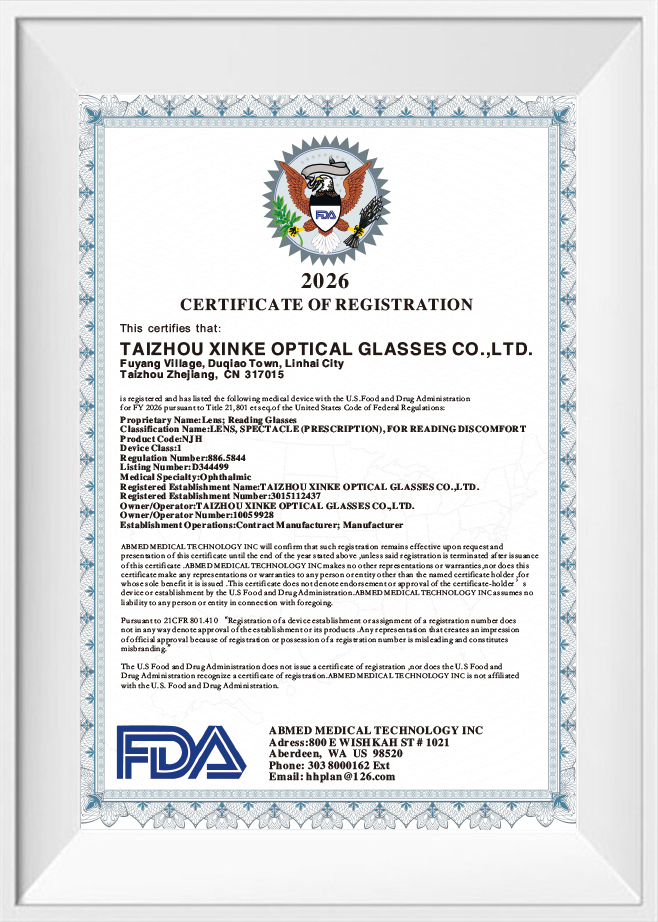
Clear Fixed Diopter Lenses
Optically compliant diopters instantly relieve blurred near vision, great for reading books, phones, and newspapers.
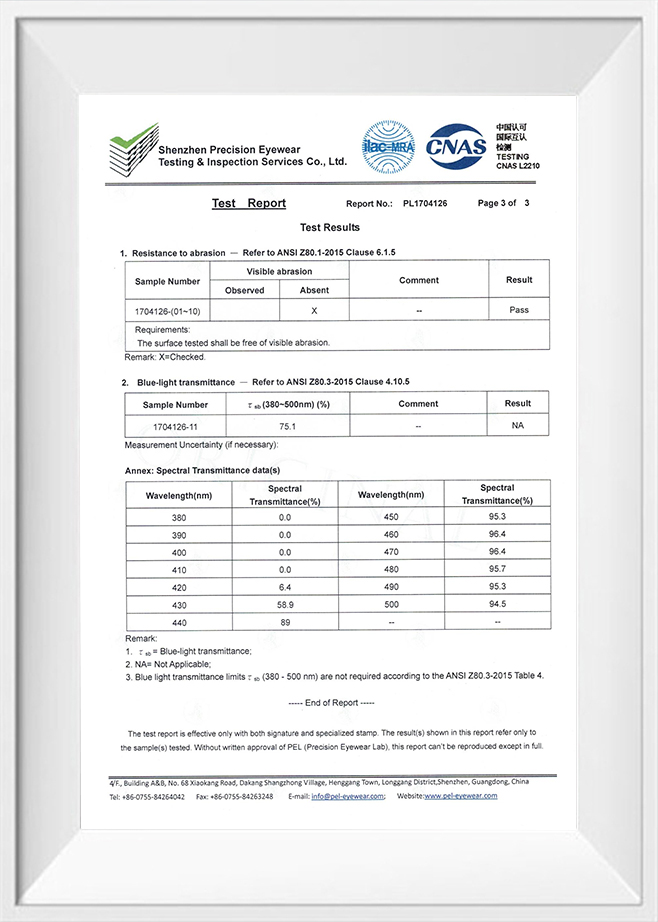
Anti-Blue Light Protection
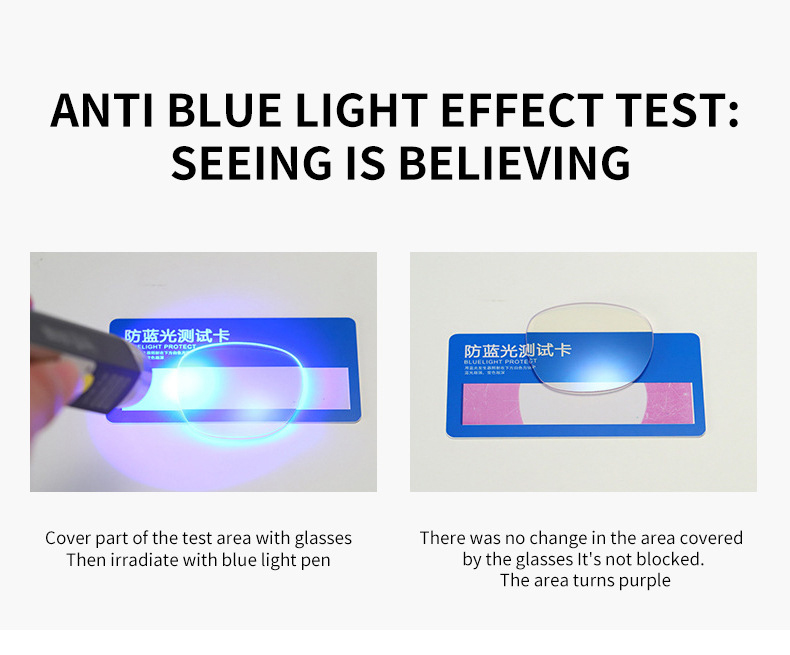
Filters harmful blue light from screens, reducing eye strain and fatigue during long digital use.
Lightweight & Durable Build
Sturdy, deformation-resistant plastic frame stays comfortable without pinching your nose or ears.
Unisex Versatile Design
Simple black square style fits both men and women, easy to match with daily outfits.
Budget-Friendly & Practical
Ideal for daily home use, office backup, travel carry, or temporary use.
| Frame Style | Unisex full-rim small square |
| Material | Lightweight durable plastic |
| Lens Type | Anti-blue light reading lenses (fixed diopters) |
| Fit | One size fits most adults |
| Use Case | Reading, screen time, home/office use, backup eyewear |
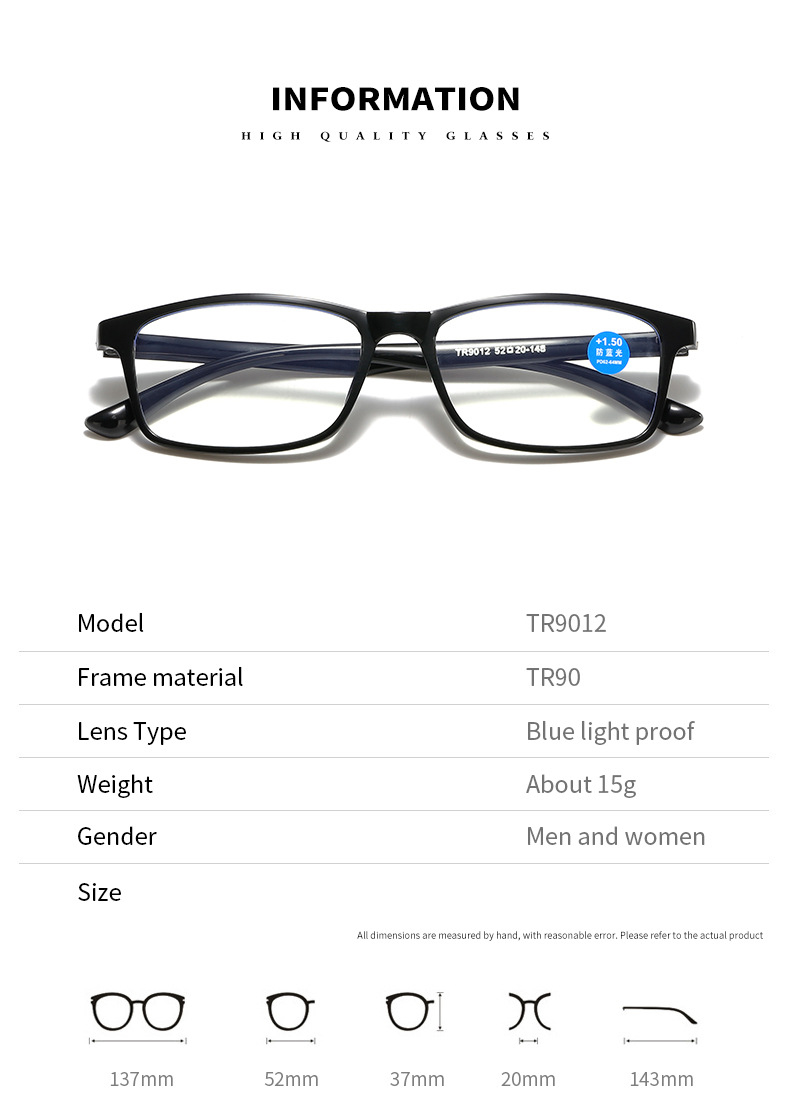
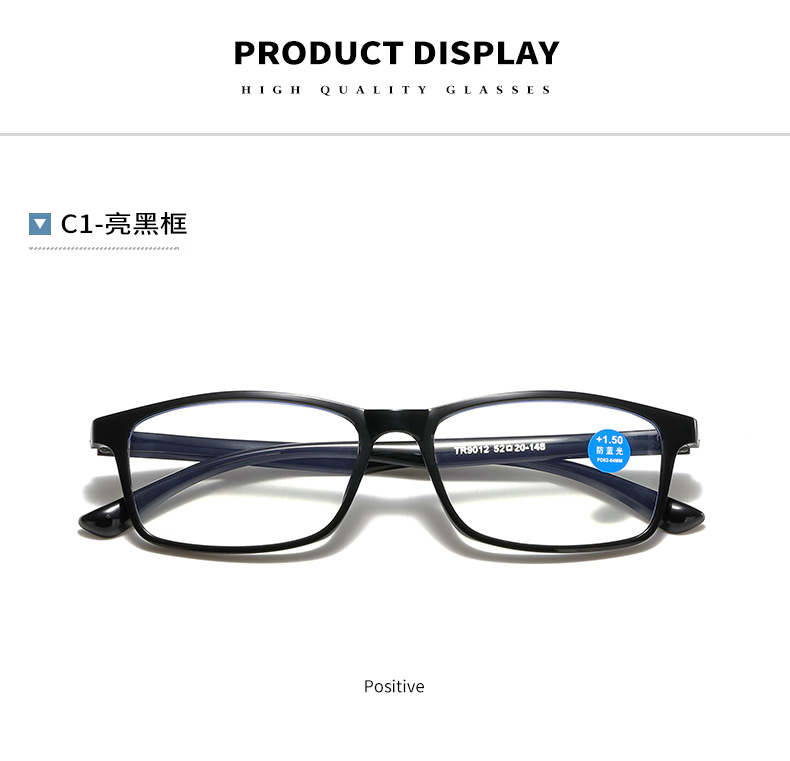
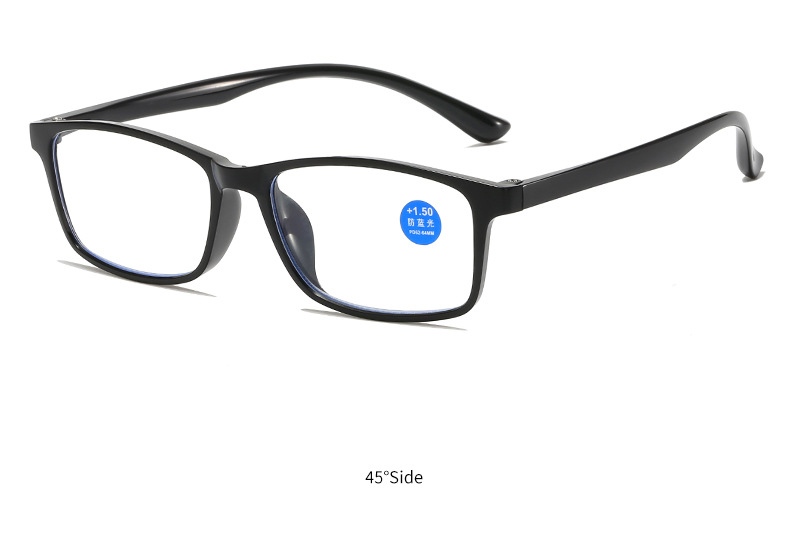
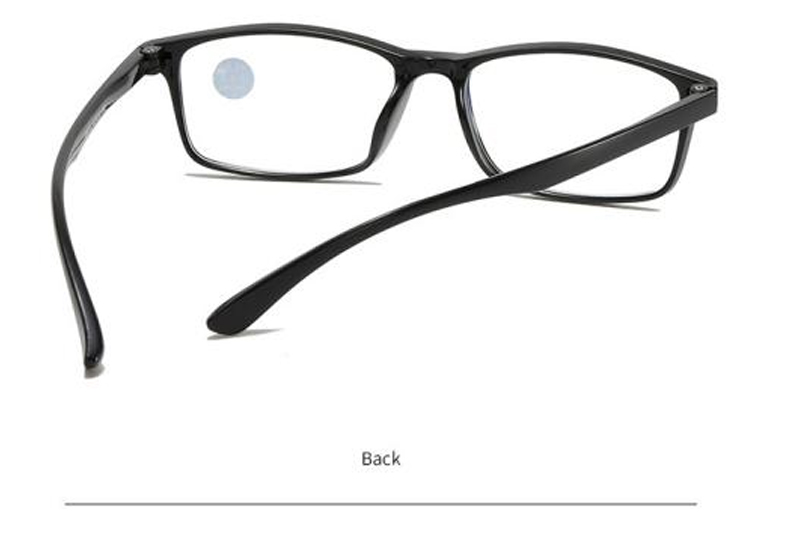
1. Frames are made of lightweight plastic, with a simple, small square shape that is suitable for both men and women.
2. Ready-made lenses have fixed, optically compliant diopters, which quickly relieve blurred near vision.
3. The material is tough and not easy to deform, with a reasonable price, ideal for daily backup or temporary use.

Photochromic cycling eyewear adjusts lens tint according to surrounding light. Clear vision remains essential when riding through dusk, shad...
READ MOREA supplier tells you their blue light protection lenses block 45% of blue light. Another offers 30%. The first quote looks more attract...
READ MOREA pair of sunglasses may look simple when it's sitting on a table, but its structure becomes genuinely more interesting once the frames ge...
READ MOREEyewear has always had two important roles. It needs to support vision, but it is also something people wear every day. This makes appeara...
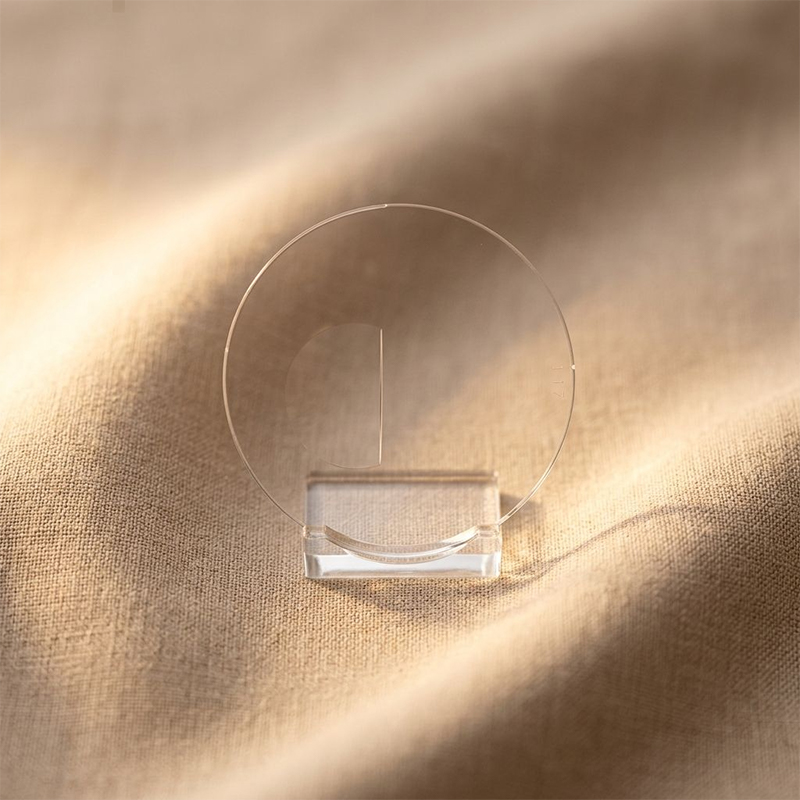
READ MOREEyeglasses have changed in a quiet way. Older users often remember bifocal lenses with a visible line across the lens. That line separated...
READ MOREPhotochromic blue light blocking glasses combine two distinct technologies: the ability to darken in response to ultraviolet light and the capacity to filter specific wavelengths of blue light. The integration of these features creates a lens that adapts to lighting conditions while providing spectral protection.
Photochromic Mechanism
Photochromic molecules, often naphthopyrans or other organic compounds, are embedded within the lens material or applied as a coating.
These molecules undergo a structural change when exposed to ultraviolet radiation. The molecular rearrangement causes them to absorb more visible light, darkening the lens.
In the absence of UV light, the molecules return to their original configuration, allowing more light to pass through and the lens to become clear.
The rate of change and the final darkness depend on temperature, with warmer conditions slightly reducing the darkening effect.
The photochromic response is activated by UV light, not by visible brightness. This is why the lenses may not darken significantly behind car windshields that block UV.
Blue Light Filtering Technology
Blue light filtering is achieved through either lens material additives or surface coatings.
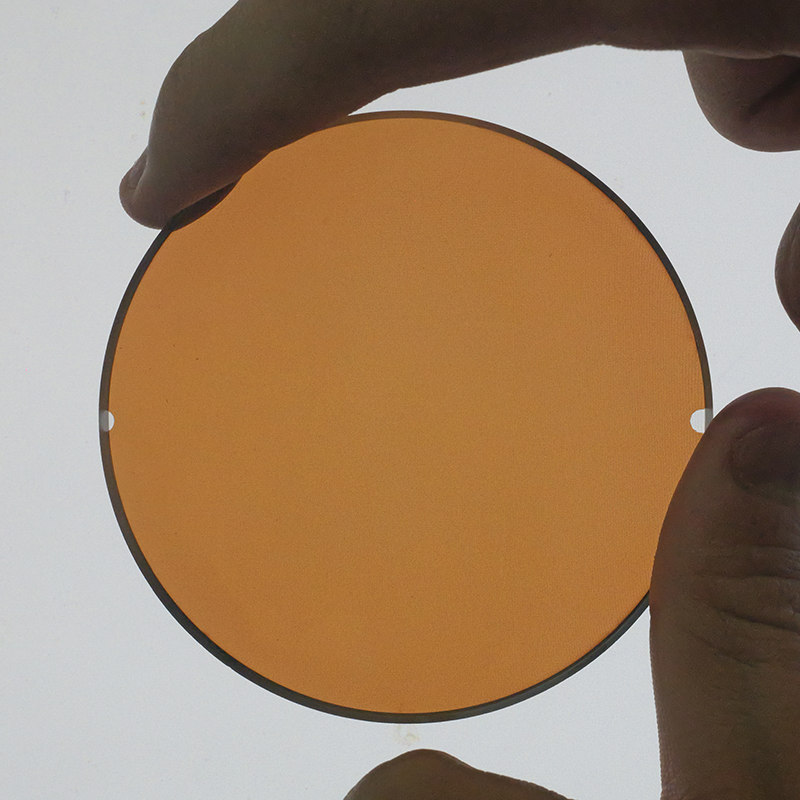
Some lenses incorporate yellow-tinted compounds that absorb blue light in the 400nm to 455nm range, reducing transmission of these wavelengths.
Other designs use reflective coatings that bounce a portion of blue light away from the lens surface.
The filtering may be consistent across all lighting conditions or may vary with the photochromic response, depending on the specific product design.
Integration of Both Functions
In combined designs, the photochromic molecules and blue-filtering elements coexist within the same lens structure.
The blue light filtering operates continuously, regardless of whether the lens is in its clear or darkened state.
When the lens darkens in sunlight, it provides additional visible light protection while maintaining the specific blue wavelength filtering.
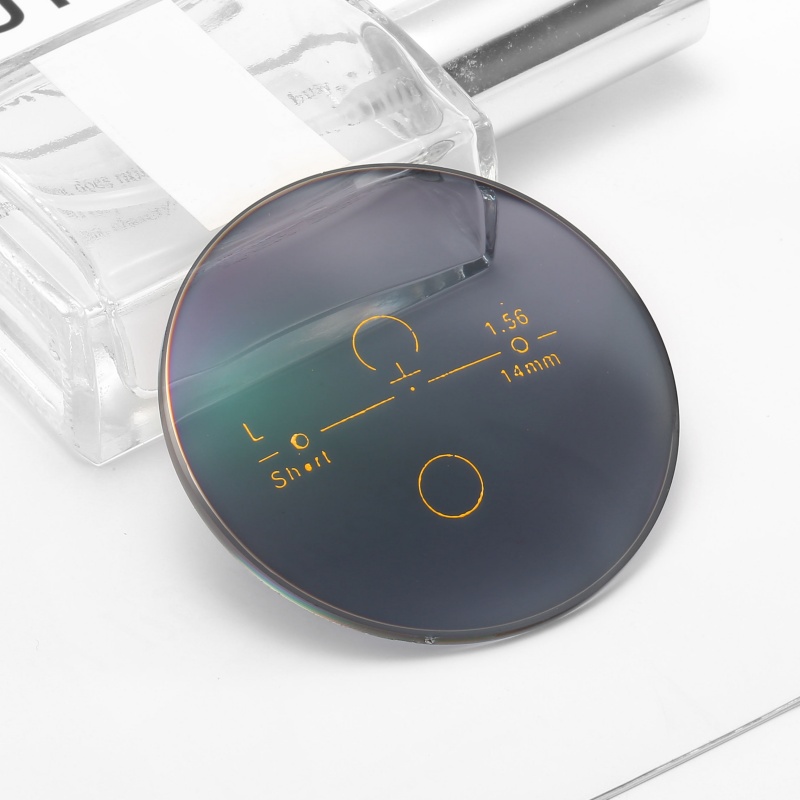
Progressive lenses offer a solution for individuals who require correction at multiple distances, but their suitability depends on several personal factors and lifestyle considerations.
Presbyopia Onset and Progression
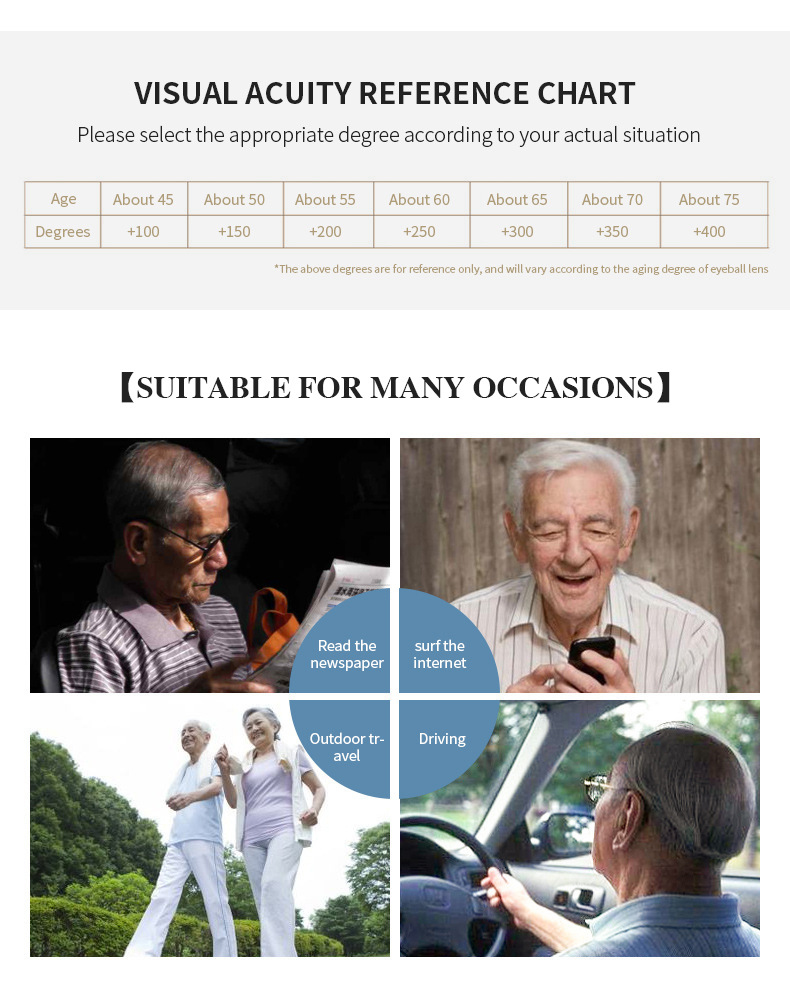
Progressive lenses are typically considered when an individual begins to experience difficulty focusing on near objects while maintaining clear distance vision. This condition, presbyopia, usually becomes noticeable around age forty. The need manifests as holding reading materials farther away to see them clearly or experiencing eye strain during close work. Individuals who already use separate distance and reading glasses may find progressives consolidate two pairs into one.
Visual Demands and Task Requirements
The suitability of progressives relates to how vision is used throughout the day. Those who frequently shift gaze between distances—such as looking at a road, then a dashboard, then a phone—may benefit from the continuous range of correction progressives provide. Occupations requiring sustained work at a single distance, such as hours of close assembly or constant distance monitoring, might be better served by single-vision lenses optimized for that specific range.
Adaptation Willingness and Previous Experience
Progressives require a period of adjustment. Individuals who have previously worn multifocal lenses may adapt more readily. Multifocal wearers need to be prepared for the learning process involved in locating the correct lens zone for each viewing distance. Those who prefer a simple visual experience without head movement adjustments may find the adaptation less appealing.
The time required to adjust to progressive lenses varies among individuals, but general patterns of adaptation have been observed across wearers.
Contact
Let’s Work Together
© Thinkey Optical Co., Ltd.
Quick Links
Stay In Touch
Address:
611# Paimen Road DuQiao Town Linhai City Zhejiang China.
Phone:
0086-13788990737
Email:
Website

China Lenses and Eyeglass Factory