
 English
 русский
 Français
 Español
 Deutsch
 عربى
عربى
Industry News

Content
Screens are part of daily life now. Phones, computers, tablets, and even large displays in public spaces are used for long hours. This shift has quietly changed how eyes are used during the day.
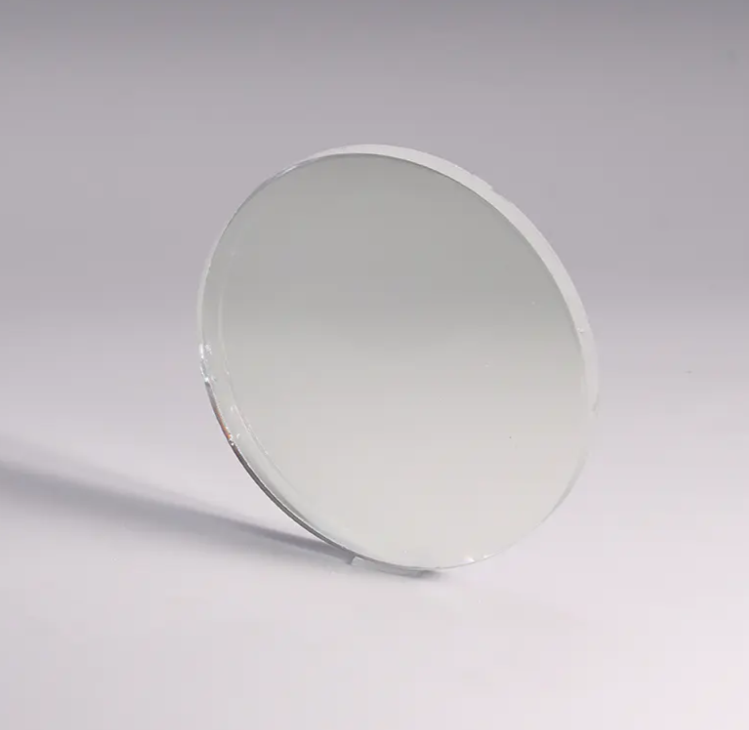
Spectacle Lens Blue Light are often discussed in this context. They are designed for people who spend extended time in front of digital screens. But not everyone experiences screen use in the same way. Some people look at screens briefly. Others stay in front of them for most of the day.
That difference is where the real need begins to appear.
Human eyes are used to natural light variation. Outdoor environments shift gently between brightness, shadow, and distance.
Screen environments are different. Light is steady, close, and focused in one direction. The eyes stay fixed for long periods without much change in focus distance.
Over time, this can create a feeling of visual fatigue. Not everyone notices it in the same way. Some feel dryness. Some feel heaviness around the eyes. Others simply notice that focusing takes more effort after long screen sessions.
Blue light spectacle lenses are designed to reduce part of this visual load by filtering certain light components from digital sources.
Office environments are one of the common settings where screen exposure is continuous.
People in office-based roles often move between documents, software interfaces, video calls, and data screens. The gaze rarely leaves digital surfaces for long.
This group often experiences:
Over time, the eyes remain in a fixed working pattern. Blue light spectacle lenses may support visual comfort in these conditions by softening the intensity of screen light exposure.
Students often move between reading, typing, and digital learning platforms. Study sessions can extend for long periods, especially during exam preparation or project work.
In these situations, screen exposure is not always obvious, because it is mixed with reading and writing tasks. But the eyes still remain focused at close distance for long durations.
Common patterns include:
Blue light spectacle lenses are often considered by this group for maintaining visual comfort during long study cycles.
Creative work often involves more visual detail. Designers, editors, and digital artists spend time adjusting small elements on screens. The focus is not only long, but also precise.
Unlike general office use, visual attention in this group is often continuous and highly concentrated.
This may include:
Even small changes in eye comfort can influence how long they can maintain focus. Blue light spectacle lenses are sometimes used as part of a broader visual comfort routine in this environment.
Gaming and digital entertainment create a different type of screen exposure. The visual field changes quickly. Brightness shifts often. Focus moves rapidly across the screen.
This creates a more dynamic form of eye activity compared to static reading or office work.
Common experiences include:
In these conditions, blue light spectacle lenses are often considered for reducing visual intensity during extended sessions.
Remote work has increased screen exposure for many people. Home environments often combine work and personal device use in the same space.
This means screen time is no longer limited to working hours alone.
Typical patterns include:
Because of this overlap, eyes may remain in a screen-focused state for longer parts of the day. Blue light spectacle lenses are sometimes used as part of daily screen routines in such settings.
Evening screen use feels different from daytime use. Lighting conditions are lower, and screens become a stronger light source in the visual field.
In these situations, the contrast between screen light and surrounding environment becomes more noticeable.
This group often includes:
Blue light spectacle lenses are often associated with reducing visual stimulation during late-day screen exposure, when eyes may already be more sensitive.
Not all users fall into long-hour screen categories. Some people only use devices for short periods during the day.
Even so, there are situations where visual comfort still matters:
In these cases, the need is not about duration alone. It is more about how the eyes respond to repeated screen contact.
Blue light spectacle lenses may still be considered depending on personal comfort preferences.
Although each group uses screens differently, a shared pattern appears.
The eyes are spending more time in close-range focus, often under artificial light, with limited natural variation in visual distance.
This shared condition creates similar visual demands across different lifestyles:
Blue light spectacle lenses are positioned around this shared pattern rather than a single occupation or user type.
The increase in digital dependence is gradual but consistent. Screen interaction is now part of work, study, communication, and entertainment.
This means exposure is no longer limited to specific professions. It spreads across age groups and daily routines.
As usage patterns continue to shift, more people notice small visual changes during long screen periods. That is where interest in blue light spectacle lenses continues to grow, not as a niche product, but as part of everyday visual habits.
If you have any questions, please fill out the contact form at the bottom of the page and contact us.
Best selling Products
Best sellers, Globally Chosen
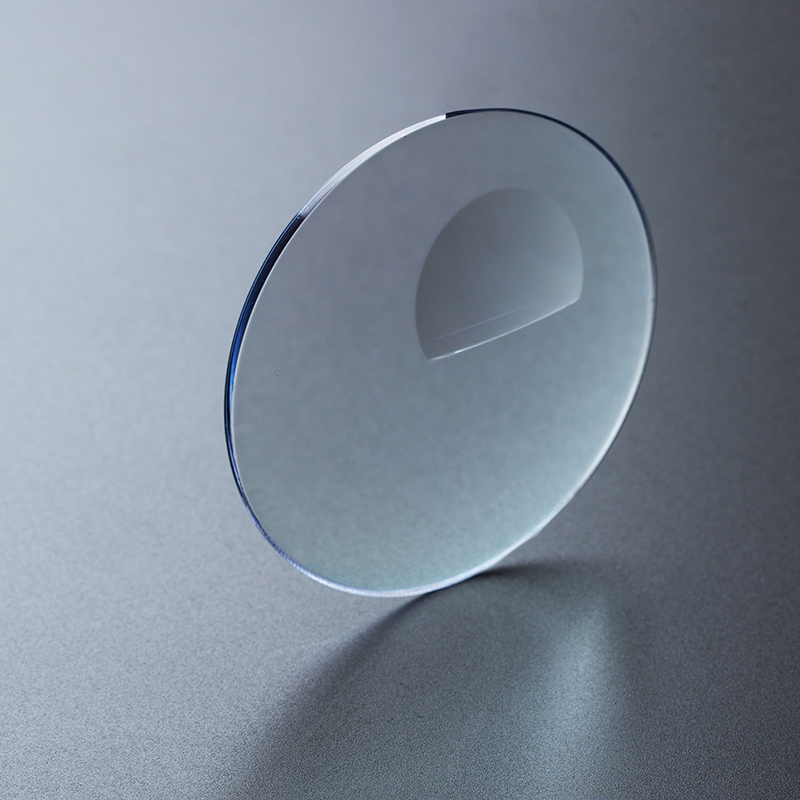
The 1.56 Bifocal lenses combine advanced optical t...
This Photochromic Single Vision Lens series is ava...
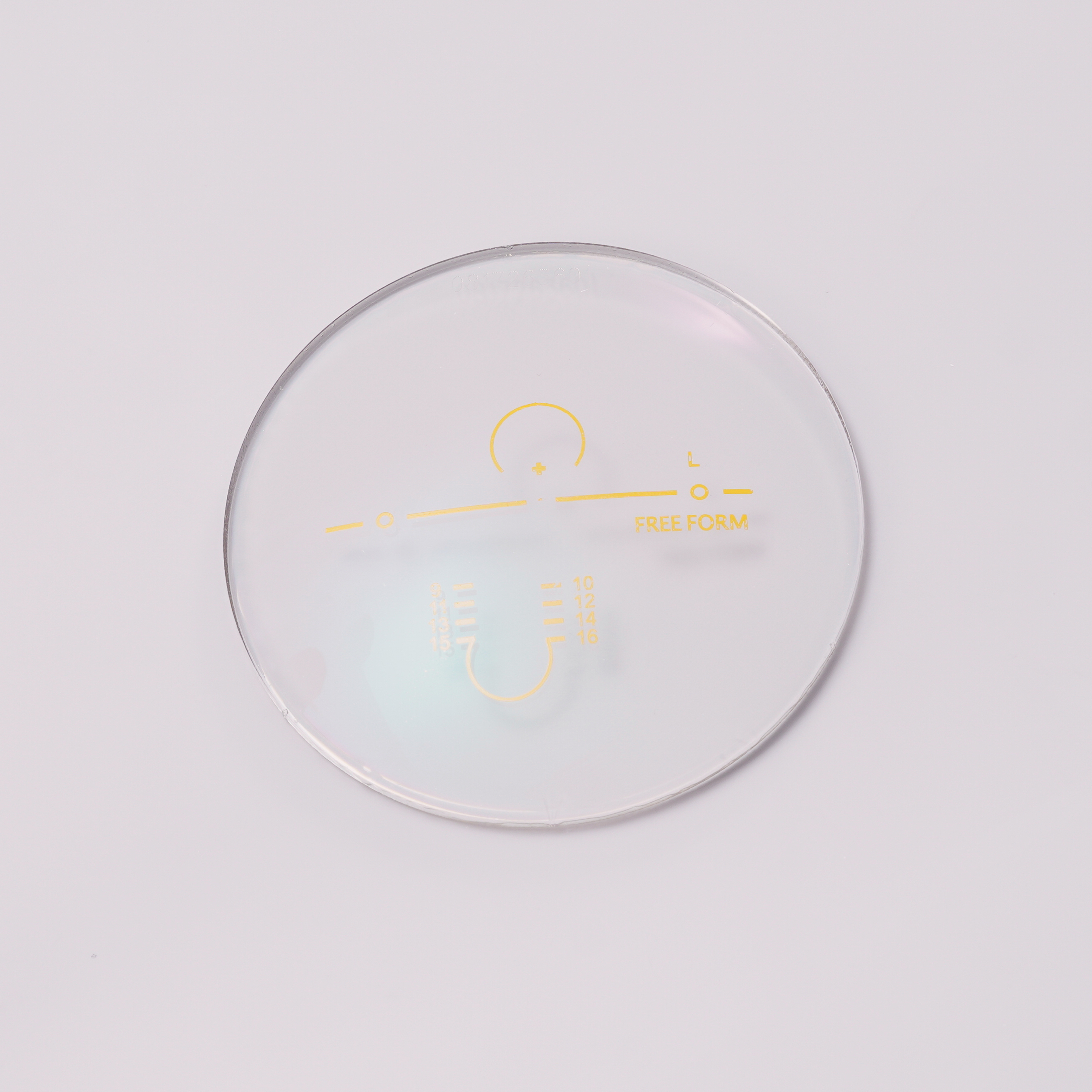
These lenses adapt to changing light conditions, t...
Contact
Let’s Work Together
© Thinkey Optical Co., Ltd.
Quick Links
Stay In Touch
Address:
611# Paimen Road DuQiao Town Linhai City Zhejiang China.
Phone:
0086-13788990737
Email:
Website

China Lenses and Eyeglass Factory
 Previous