 English
 русский
 Français
 Español
 Deutsch
 عربى
عربى
Industry News
Home / News / Industry News / Why Are Blue Cut With Photochromic Lenses Becoming Popular in Modern Eyewear?

Content
Blue cut with photochromic lenses combines two functional technologies in one optical product: blue-light filtering and photochromic light adaptation. This combination has contributed to their growing acceptance among eyeglass wearers, particularly people who frequently transition between digital screens and outdoor environments.
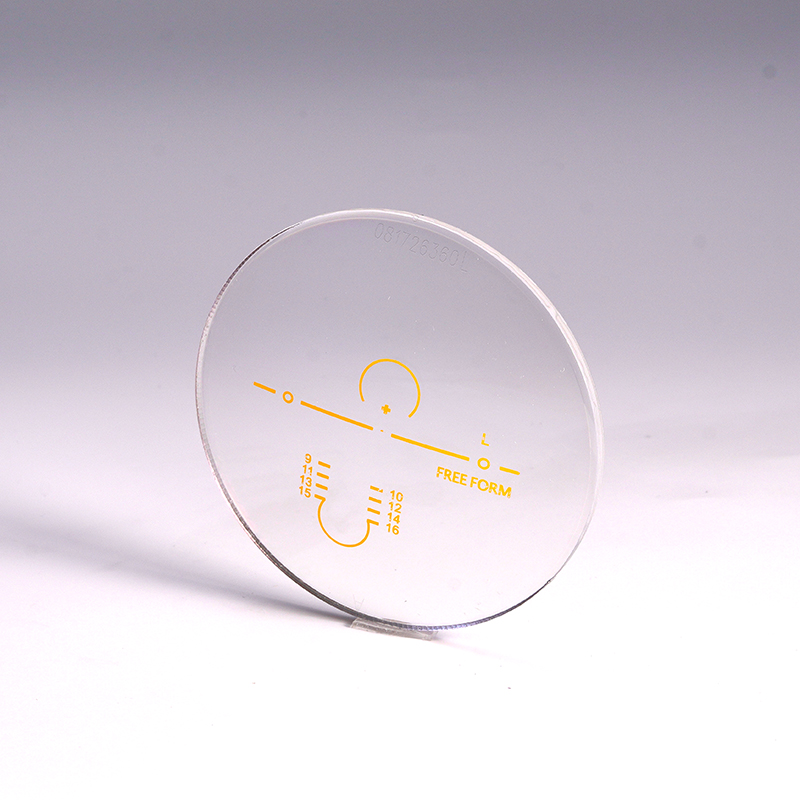
These lenses help reduce exposure to high-energy visible (HEV) blue light. Blue light is emitted from digital screens such as smartphones, computers, and LED lighting. Extended exposure can contribute to digital eye strain, which may include symptoms such as eye fatigue, blurred vision, and headaches. Blue-cut coatings or materials filter part of this spectrum, helping to reduce glare and visual discomfort during prolonged screen use.
Second, the photochromic function allows the lenses to darken automatically when exposed to ultraviolet radiation outdoors and return to a clearer state indoors. The effect is produced by photochromic molecules embedded in the lens material. When exposed to UV light, these molecules change structure and absorb more light, causing the lenses to darken. When UV exposure decreases, the molecules revert to their original form and the lenses become clear again.
Another factor behind their popularity is convenience. Traditionally, people who needed prescription eyewear often carried two pairs of glasses—regular prescription glasses for indoor use and sunglasses for outdoor activities. Photochromic lenses combine these functions into one product, eliminating the need to switch between eyewear during daily routines.
In addition, these lenses provide ultraviolet protection. Photochromic lenses typically block UVA and UVB radiation even when they are clear, helping reduce cumulative exposure to sunlight that may contribute to certain eye conditions over time.
Another reason for their acceptance is improved visual comfort. By reducing glare and balancing brightness levels, the lenses can make it easier for wearers to adapt to changing lighting conditions, such as moving from a bright outdoor area to an indoor office environment.
1. Do these lenses replace sunglasses completely?
They can serve as an alternative for many daily situations because they darken outdoors. However, in bright environments, some users still prefer dedicated sunglasses.
2. How long do photochromic lenses last?
Many photochromic lenses function effectively for about two to three years before the darkening response gradually weakens.
3. Do they work inside vehicles?
Standard photochromic lenses may darken less inside a car because windshields block part of the ultraviolet radiation needed to activate the reaction.
4. Are they suitable for digital device users?
Yes. The blue-cut feature helps filter a portion of the blue light emitted by digital screens, which may reduce visual fatigue during extended screen exposure.
The eyewear industry has seen gradual growth in the demand for functional lenses. Photochromic blue lenses, which integrate blue-light filtering with light-adaptive technology, align with several broader market trends related to digital lifestyles and health awareness.
• Growth Driven by Digital Screen Usage
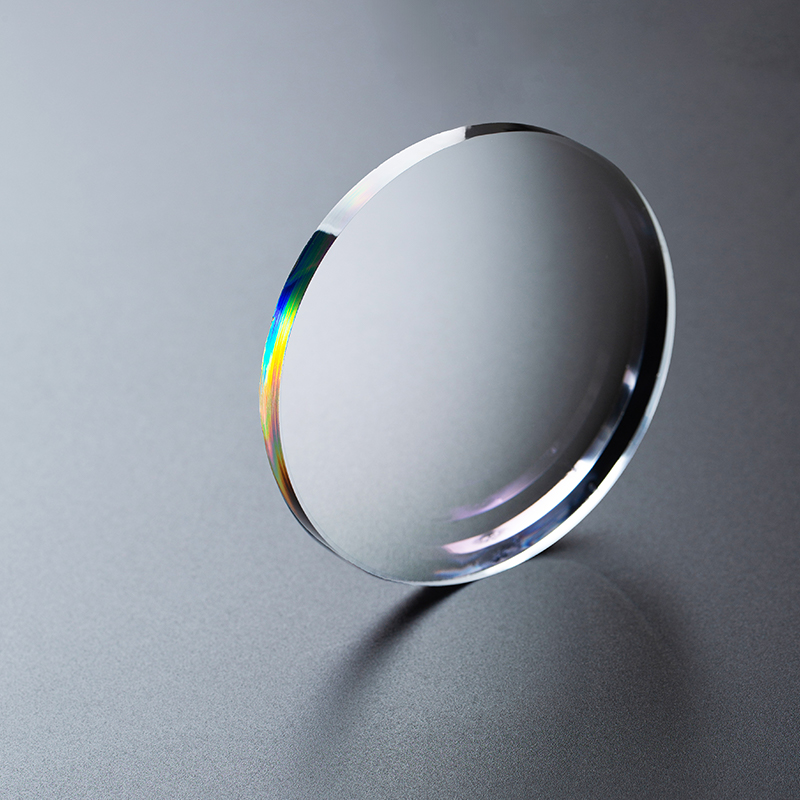
The widespread use of computers, tablets, and smartphones has increased concern about digital eye strain.
Consumers increasingly seek eyewear that filters blue light from electronic devices while maintaining normal visual clarity.
Photochromic blue lenses respond to this demand by combining screen protection with outdoor light adaptation.
• Increasing Awareness of Eye Protection
Consumers today are more aware of ultraviolet exposure and its potential impact on eye health.
Lenses that provide both UV protection and blue-light filtering are marketed as protective solutions for daily use.
Educational campaigns by optical brands and eye-care professionals have also helped expand awareness of these lens features.
• Development of Multi-Functional Lens Technologies
Modern eyewear design often focuses on integrating multiple features into a single lens.
Manufacturers now produce lenses that combine coatings such as anti-reflective layers, scratch resistance, blue-light filters, and photochromic materials.
This multifunctional design reduces the need for separate specialty lenses and simplifies purchasing decisions.
• Growth of Online Eyewear Retail
Online eyewear retailers allow consumers to customize lenses with optional coatings and technologies.
The availability of configurable options has increased consumer exposure to features like photochromic and blue-light filtering lenses.
As a result, these lenses are increasingly included in mid-range and premium prescription eyewear packages.
The market trend suggests that photochromic blue lenses are positioned within a broader movement toward functional eyewear that addresses both environmental light exposure and digital device use.
Plastic photosensitive lenses are among the widely used lens types in modern eyewear. These lenses combine lightweight plastic materials with photochromic compounds that react to ultraviolet light. However, whether they are “better” than other materials depends on several performance factors such as weight, durability, optical clarity, and cost.
Comparison of Plastic Photochromic Lenses and Other Lens Materials
|
Feature |
Plastic Photochromic Lenses |
Glass Photochromic Lenses |
High-Index Lenses |
|
Weight |
Lightweight and comfortable for daily wear |
Heavier than plastic |
Moderate weight depending on index |
|
Impact Resistance |
Higher impact resistance than glass |
Lower impact resistance |
Generally durable |
|
Optical Clarity |
Good clarity suitable for prescriptions |
Often provides very clear optics |
High clarity for strong prescriptions |
|
Scratch Resistance |
Moderate; often requires coating |
Naturally more scratch resistant |
Usually coated for durability |
|
Lens Thickness |
Moderate thickness |
Thicker in strong prescriptions |
Designed to be thinner |
|
Cost |
Generally affordable |
Higher production cost |
Often more expensive |
Plastic lenses are widely adopted because they are lighter and more resistant to impact than glass lenses. This makes them suitable for everyday use, including for children or active individuals.
Glass lenses, while known for optical clarity and scratch resistance, are heavier and more fragile, which limits their use in many modern frames.
High-index lenses are designed for people with stronger prescriptions. They can be thinner and lighter than standard plastic lenses, although they may cost more.
Plastic photosensitive lenses also integrate photochromic compounds easily during manufacturing. This compatibility allows manufacturers to produce lenses that darken and lighten in response to UV exposure while maintaining relatively low weight and cost.
However, plastic lenses typically require protective coatings such as anti-scratch or anti-reflective layers to improve durability and optical performance. Without these coatings, they may scratch more easily than glass lenses.
Plastic photochromic lenses offer a balanced combination of comfort, safety, and functionality. For many users, they provide a practical option that combines prescription correction, UV protection, and adaptive tinting in a single lens design.
If you have any questions, please fill out the contact form at the bottom of the page and contact us.
Best selling Products
Best sellers, Globally Chosen
The Tinted Progressive lenses blend eye comfort, s...
The 1.56 Bifocal lenses combine advanced optical t...
Contact
Let’s Work Together
© Thinkey Optical Co., Ltd.
Quick Links
Stay In Touch
Address:
611# Paimen Road DuQiao Town Linhai City Zhejiang China.
Phone:
0086-13788990737
Email:
Website

China Lenses and Eyeglass Factory
 Previous