 English
 русский
 Français
 Español
 Deutsch
 عربى
عربى
Industry News

Content
Blue light lenses are designed to reduce eye strain caused by exposure to digital screens, but how can you make sure you're using them correctly for benefit? Here's a breakdown of how to use these lenses effectively:
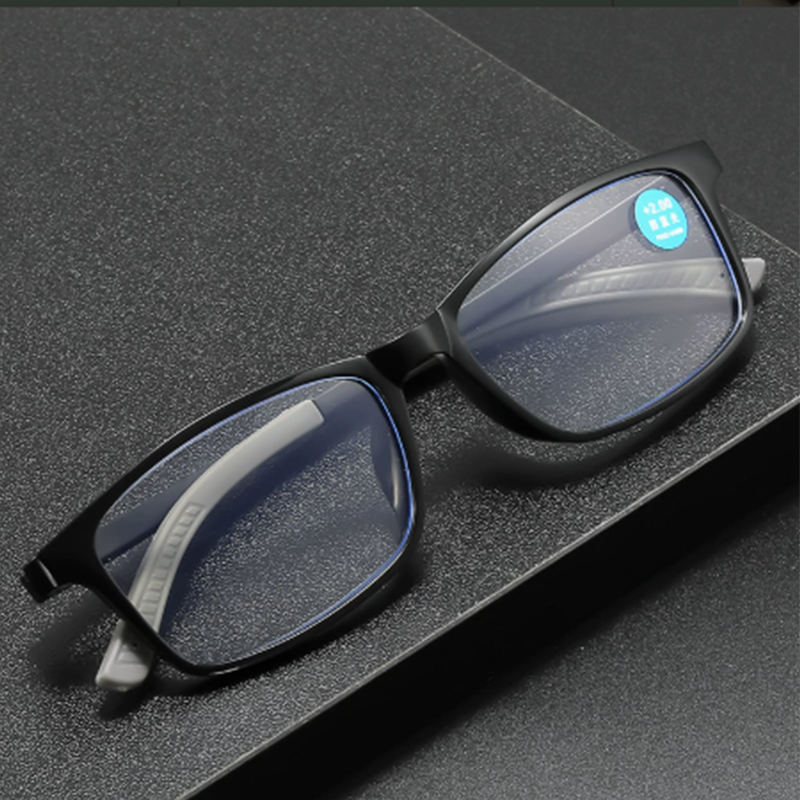
Anti-blue light lenses should be worn whenever you're using digital devices, especially for extended periods. This includes activities like working on computers, using smartphones, watching TV, or playing video games. These lenses work when you're exposed to high levels of blue light, which is emitted from screens and artificial lighting.
What About When You're Outdoors?
While some lenses are equipped with photochromic technology, which adapts to outdoor light conditions, it's still essential to consider your environment. Blue light from the sun is prominent in the morning and late afternoon. For individuals who are sensitive to this light, wearing anti-blue light lenses outdoors can offer additional protection, but only if the lenses are designed for UV protection and outdoor use.
How to Maintain Your Lenses for Long-Term Effectiveness?
Proper maintenance ensures the lenses continue to function effectively. Clean your lenses regularly using a microfiber cloth to remove dust and fingerprints. Avoid using paper towels or tissues, as they may scratch the lens surface. Store your glasses in a protective case when not in use, and avoid leaving them in direct sunlight or hot environments, as conditions can damage the coatings.
Can Anti-Blue Light Lenses Be Used for Other Purposes?
Some users wonder whether they can wear their anti-blue light glasses all the time, even when they aren't looking at a screen. While the lenses can generally be worn continuously without harm, it's good practice to remove them occasionally to avoid unnecessary dependency. Also, for users who wear prescription lenses, blue light filtering coatings can be applied to regular prescription lenses, offering a dual purpose without needing a separate pair of glasses.
How are anti-fatigue blue light glasses made, and what processes are involved in creating a product that reduces eye strain and helps improve visual comfort? Let's break down the steps involved:
1. Selection of Lens Materials
The step in the formation of anti-fatigue blue light glasses is selecting the right lens materials. Materials such as polycarbonate and high-index plastics are commonly used because they are lightweight, durable, and offer better optical clarity. The choice of material is critical because it affects the weight, durability, and comfort of the glasses.
Why Does Material Matter?
The materials used for the lens must not only be able to support the blue light filtering coatings but also offer clear vision and resist impact. Polycarbonate lenses, for example, are often used because they are less likely to shatter compared to regular lenses, making them safer and more practical for everyday wear.
2. Applying the Blue Light Filter Coating
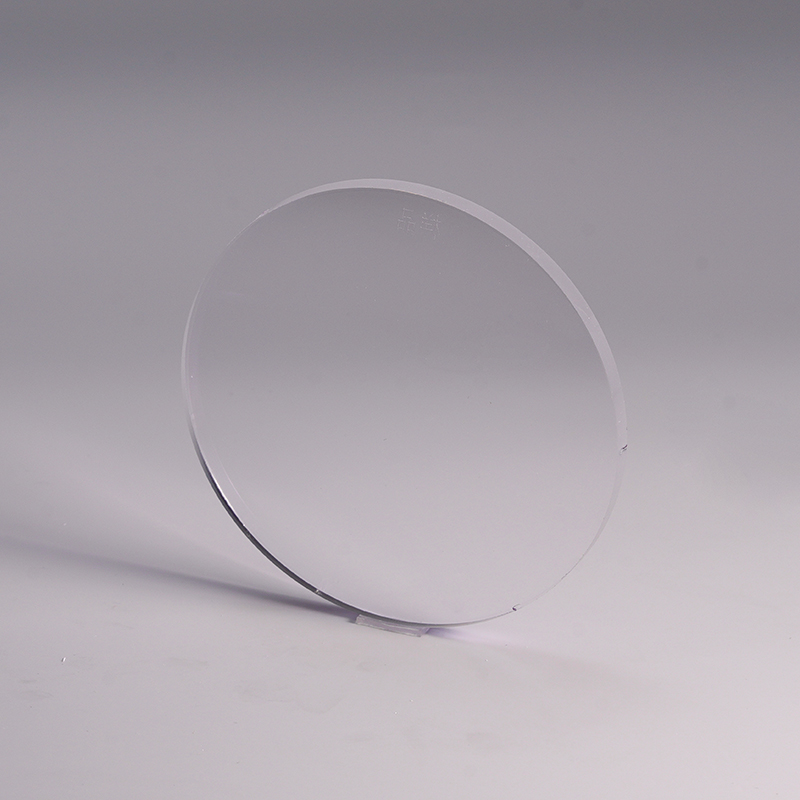
Once the base lenses are selected, the next step is the application of the blue light filtering coating. This coating is designed to selectively block a portion of the blue light spectrum emitted by digital devices and artificial lighting. The coating may be applied in layers, and the amount of blue light blocked can vary depending on the technology used.
What Is the Technology Behind the Filter?
Anti-fatigue blue light lenses often feature coatings that filter out blue light in the range of 380-500 nm, which is typically the part of the blue light spectrum responsible for eye strain and potential long-term damage. The coating usually has a yellowish or amber tint, which can help counteract the glare and harshness associated with digital screens.
3. Integrating Additional Comfort Features
To further enhance comfort, manufacturers often add additional coatings to the lenses, such as anti-glare or anti-reflective coatings. These coatings help reduce the amount of light that reflects off the surface of the lens, which can bring about visual discomfort. The addition of anti-scratch and anti-smudge coatings also ensures the glasses remain clean and functional over time.
Why Add These Additional Layers?
By reducing reflections, glare, and smudges, the overall visual experience is improved, distractions and comfort. This is particularly beneficial for people who work long hours in front of screens. Some lenses are also treated to be UV-protective, offering a comprehensive solution for digital eye strain and overall eye health.
4. Final Testing and Quality Control
Once the lenses are finished with their coatings, they undergo a quality control process to ensure that they meet optical standards. The lenses are inspected for clarity, proper blue light filtration, and consistency in coating thickness. They may also be tested for durability to ensure that they will last through regular use without degrading over time.
Why Is Testing Crucial?
Testing ensures that the glasses will provide the intended benefits without compromising on vision clarity or comfort. Without this final step, there could be inconsistencies in the lens performance, bring about a suboptimal experience for the wearer.
How do you know when it's time to replace your Blue Cut anti-glare lenses? Several factors can influence the lifespan of your lenses, and understanding when replacement is necessary can help you maintain eye protection and visual clarity.
What Is the Lifespan of Anti-Glare Lenses?
The lifespan of Blue Cut anti-glare lenses depends on the quality of the lenses, the coatings, and how often they are used. High-quality lenses with robust coatings may last several years with proper care, while lenses with inferior coatings or excessive use may show signs of wear and tear more quickly. On average, it's advisable to replace lenses every 1-2 years, particularly if they begin to show signs of damage or reduced effectiveness.
How Does Wear and Tear Affect Lens Functionality?
Over time, the blue light filtering and anti-glare coatings on the lenses can degrade due to daily wear, exposure to sunlight, and cleaning. If you notice that the lenses have become increasingly difficult to clean, have visible scratches, or no longer reduce glare effectively, this is a clear indication that the lenses should be replaced.
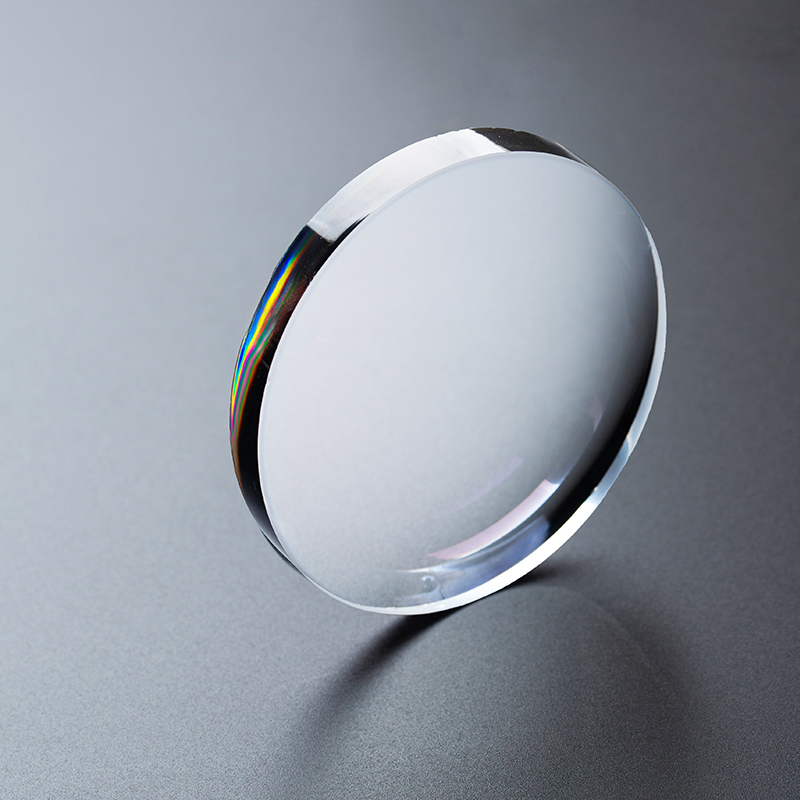
Another reason to replace your Blue Cut lenses is if your vision has changed. For example, if you've noticed a decrease in clarity or if you require a new prescription for your eye health, it may be necessary to replace both your lenses and the frame. The blue light filtering effect of the lenses may also be less effective if the prescription has changed, which could compromise the overall purpose of the glasses.
In addition to wear and tear, other signs might indicate that it's time to replace your lenses. If the lenses are cracked or damaged in a way that impacts your vision, it's essential to replace them immediately. Additionally, if the lenses are no longer providing the expected protection from digital eye strain, replacement is recommended. Prolonged discomfort or worsening symptoms of eye strain (like headaches or blurred vision) could signal that your lenses are no longer effective.
The proper use, formation, and replacement of Blue Cut anti-glare lenses are essential for maintaining eye health and reducing digital strain. By understanding how to effectively use your lenses, how they are formed, and when to replace them, you can ensure that your glasses continue to provide the protection and comfort needed for long-term screen usage. Whether you're working, gaming, or simply relaxing in front of a screen, understanding these essential aspects will help you get the out of your anti-blue light lenses.
If you have any questions, please fill out the contact form at the bottom of the page and contact us.
Best selling Products
Best sellers, Globally Chosen
Contact
Let’s Work Together
© Thinkey Optical Co., Ltd.
Quick Links
Stay In Touch
Address:
611# Paimen Road DuQiao Town Linhai City Zhejiang China.
Phone:
0086-13788990737
Email:
Website

China Lenses and Eyeglass Factory
 Previous