 English
 русский
 Français
 Español
 Deutsch
 عربى
عربى
Industry News

Content
Photochromic lenses are typically made from high-quality plastic, polycarbonate, or glass with embedded photochromic molecules. These molecules undergo a chemical reaction when exposed to UV light, causing the lens to darken. Modern lenses may also feature additional coatings, such as anti-reflective, scratch-resistant, or hydrophobic layers, to improve durability and visual clarity.
Applications
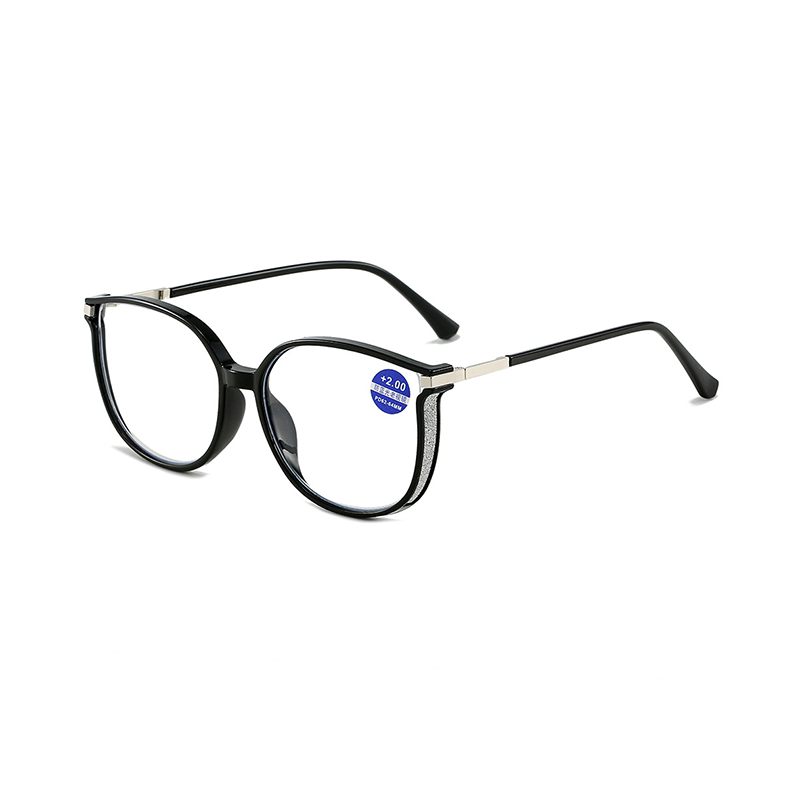
Photochromic lenses combine convenience, eye protection, and comfort, making them a popular choice for individuals who spend time in varying light conditions throughout the day.
When considering the purchase of Blue Cut photochromic lenses, how can one expect the price to vary? The price of Blue Cut photochromic lenses is influenced by several factors, including brand, lens materials, coating technology, and the specific region of purchase.
What Makes the Price Variable?
The price of these lenses can vary depending on the level of customization, whether the lenses are paired with specialized coatings such as anti-reflective or scratch-resistant layers, and whether they are made from high-quality materials like polycarbonate or high-index plastics. Additionally, lenses designed for specific frame types or prescriptions can alter the overall cost.
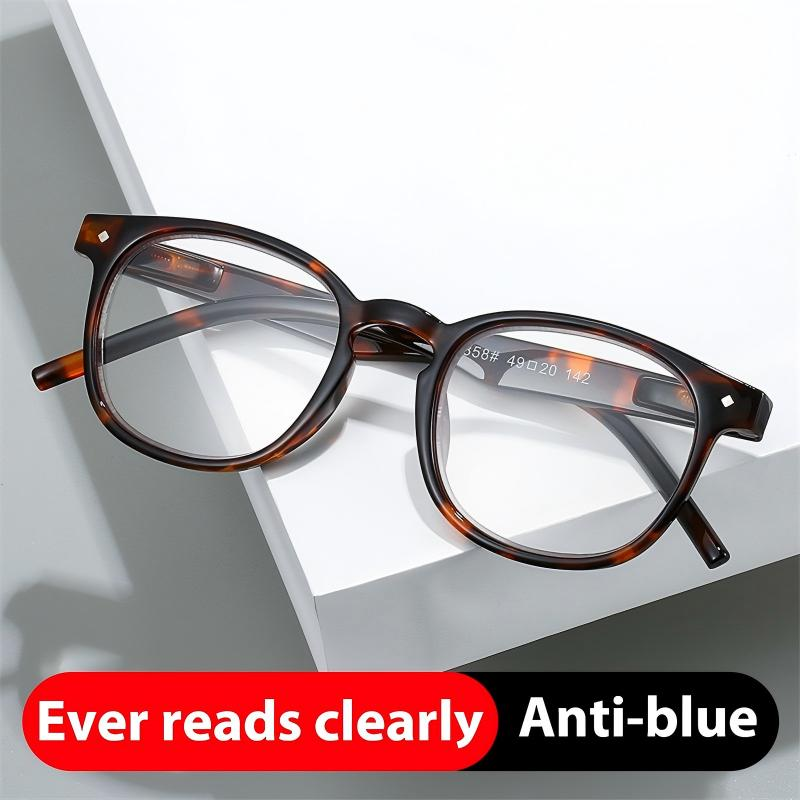
Brands that have a strong reputation for optical products, such as Essilor, Hoya, or Zeiss, tend to price their Blue Cut lenses on the higher end. However, there are also many lesser-known brands offering Blue Cut photochromic lenses at more affordable prices. While these lenses may not have the same level of advanced technology, they can still offer adequate protection from blue light.
What is the General Price Range?
In terms of ballpark figures, the price of Blue Cut photochromic lenses typically ranges from $100 to $500. Lower-end options are often priced between $100 and $200, while lenses from well-known brands with additional features, such as progressive lenses or enhanced blue light protection, could cost upwards of $300 or more.
Where are Blue Cut photochromic lenses seen in widespread use? These lenses are becoming increasingly popular worldwide due to growing concerns about blue light exposure from digital screens. However, regional usage varies based on lifestyle, environmental factors, and technological adoption.
North America: High Demand in Digital-Heavy Environments
In regions like North America, where digital screen use is widespread, Blue Cut photochromic lenses are commonly used by individuals who spend long hours in front of computers, smartphones, or televisions. The demand for these lenses is especially high among office workers, students, and gamers. As screen-related eye strain becomes a prevalent issue, more people are turning to lenses that filter blue light, bringing about an increase in Blue Cut photochromic lens adoption.
Europe: Growing Popularity Among Outdoor Enthusiasts
In Europe, Blue Cut lenses are gaining traction, particularly in countries with significant outdoor lifestyles. Individuals in regions like Scandinavia, where daylight hours vary drastically due to latitude, may use these lenses to combat eye strain caused by changing natural lighting conditions. In addition to blue light protection, the photochromic nature of these lenses is appreciated for its adaptability to outdoor environments, allowing users to enjoy the benefits of UV protection and enhanced visual clarity in fluctuating light conditions.
Asia: A Surge in Tech-Savvy Urban Centers
In countries like Japan, South Korea, and China, where technological advancements are embraced rapidly, Blue Cut photochromic lenses are becoming a standard for digital device users. In urban areas, where heavy reliance on smartphones and computers is common, these lenses are seen as a necessary accessory for digital eye strain. In addition, the increasing number of tech-savvy young people and professionals ensures that the demand for such lenses continues to grow.
Emerging Markets: Potential for Growth
In emerging markets like India and Southeast Asia, Blue Cut lenses are still a relatively new concept, but as awareness grows about digital eye strain and blue light exposure, these lenses are expected to see significant growth. With the increasing accessibility to smartphones and computers, particularly in metropolitan areas, the need for blue light-blocking lenses is expected to rise. However, regional price sensitivity may delay widespread adoption in some areas.
What technologies are behind Blue Block photochromic lenses, and how do they enhance vision and protection?
Photochromic Technology
Blue Block photochromic lenses use photochromic technology that allows them to darken when exposed to UV light, making them ideal for both indoor and outdoor use. The lenses transition between a clear state indoors to a darker tint outdoors, providing protection from both blue light and UV rays. The photochromic technology ensures that the lenses adapt to the environment, offering users a versatile and functional optical solution.
Blue Light Filtering Technology
These lenses are equipped with specialized coatings or built-in filters designed to block harmful blue light emitted from digital screens, artificial lighting, and the sun. The coatings selectively block the shorter wavelengths of blue light, which are known to cause eye strain, fatigue, and disruption of sleep patterns. This protective layer helps mitigate the negative effects of prolonged exposure to screens and other digital devices.
Anti-Reflective Coating
Anti-reflective (AR) coatings are commonly applied to Blue Block photochromic lenses to reduce glare and reflections that can impair vision. This coating ensures that light passes through the lens with minimal reflection, improving clarity and reducing distractions. By glare from computer screens and overhead lighting, the AR coating makes the lenses ideal for individuals who work in environments with high artificial lighting or during long screen sessions.
Scratch-Resistant and Anti-Smudge Coating
Many Blue Block lenses also feature scratch-resistant coatings that increase durability. These lenses are often treated to resist scratches, helping to preserve the lens quality over time. Anti-smudge coatings also ensure that fingerprints, dust, and oil marks are less likely to impact the lens, offering a clearer view throughout the day.
Enhanced UV Protection
While Blue Block lenses are designed primarily for blue light protection, they also provide UV protection. UV radiation is a major factor in long-term eye health, and many Blue Block lenses are equipped with coatings that shield the eyes from harmful UV rays. This additional layer of protection makes them suitable for all-day wear, whether indoors or outdoors.
If you have any questions, please fill out the contact form at the bottom of the page and contact us.
Best selling Products
Best sellers, Globally Chosen
Contact
Let’s Work Together
© Thinkey Optical Co., Ltd.
Quick Links
Stay In Touch
Address:
611# Paimen Road DuQiao Town Linhai City Zhejiang China.
Phone:
0086-13788990737
Email:
Website

China Lenses and Eyeglass Factory
 Previous