
 English
 русский
 Français
 Español
 Deutsch
 عربى
Industry News

Content
Lens index, or refractive index, describes how strongly a lens material bends light. Higher index materials can achieve the same optical power with less thickness than lower index materials, which influences the finished look and the mass of the lens in the frame. Index is therefore a practical specification when comparing options for a given prescription.
Different index families suit different prescription ranges and frame choices. The 1.56 index is a widely used mid-range option for everyday prescription eyewear when a balance between thickness, cost structure and optical performance is required. The 1.56 Progressive Blue Cut & Block Lens combines that index with progressive multifocal design and blue light filtering features. Knowing what the index number represents helps buyers read product descriptions more accurately.
Prescription strength drives how much material is needed at the centre or edge of a lens. For a given power, a higher refractive index generally allows a thinner finished lens than a lower index, though frame size, decentration and lens form still matter. A 1.56 index often sits between basic and higher-index plastics as a workable compromise for many common prescriptions.
Thickness affects how the lens sits in the frame and how noticeable the edge appears from the side. Large frames and stronger prescriptions amplify thickness differences; small, well-centred frames reduce them. When comparing progressive options, the 1.56 index of this product is one specification among several, not the only factor that decides appearance.
Single-vision lenses carry one prescribed power across the useful area. Progressive lenses incorporate a distance zone, an intermediate corridor and a near zone in one continuous surface, without a visible dividing line. The upper area supports distance viewing, the middle supports arm's-length tasks and the lower area supports close work such as reading.
That arrangement allows different working distances without changing spectacles. Smooth transitions between zones reduce abrupt image jumps, though adaptation time varies by wearer and by the specific progressive design. Combining a 1.56 index material with progressive functionality addresses both material choice and multifocal need in one product.
Blue light forms part of the visible spectrum and is present in daylight as well as in light from many digital screens and artificial sources. UV420 blue light filtering refers to lens treatments or materials designed to reduce transmission of certain shorter visible wavelengths, according to the product's stated spectral behaviour. Interest in such filtering has grown alongside heavy screen use, though individual priorities differ.
Filtering can be built into prescription lenses, including progressive designs, so that multifocal correction and wavelength management sit in the same pair. The Blue Cut & Block aspect of the product adds that functional layer beside progressive power distribution. UV420 Blue Cut Lens features should always be read against the supplier's transmission data rather than assumed to be identical across brands.
Buyers increasingly evaluate several lens traits at once: material index, multifocal layout and optional filtering or coatings. The 1.56 index addresses refractive and thickness considerations. Progressive design serves wearers who need more than one working distance. UV420-oriented filtering adds a further option for those who want that spectral behaviour in daily glasses.
When these elements are integrated, one lens product can cover material, multifocal and filtering requirements instead of forcing separate pairs or aftermarket add-ons. The 1.56 Progressive Blue Cut & Block Lens is positioned as that kind of combined configuration for everyday prescription use.
The written prescription remains the foundation; lens type must match the prescribed powers and any prism or fitting data. Index choice, including 1.56, should be discussed in light of power level and preferred frame size. Progressive design must suit the wearer's near, intermediate and distance tasks and the frame's fitting height. Blue light filtering is an optional functional preference, not a substitute for correct refraction. Frame shape and size affect both progressive corridor placement and cosmetic thickness. Reading, screen work, outdoor time and commuting all influence which features are particularly important. Professional refraction and fitting remain essential for progressive success.
Near zones support reading and other close tasks. Intermediate zones help with monitor distance and desk work. Distance zones support driving views and general far vision. Some users prefer blue light filtering for extended screen sessions; that preference is separate from the multifocal geometry. Outdoor activity still benefits from progressive distance and intermediate zones, while dedicated sun protection remains a distinct requirement from blue-filter claims. The product's mix of progressive correction and UV420-oriented filtering is aimed at varied daily eyewear needs rather than at a single task only.
Index alone does not define a lens. Other refractive indices may yield thinner or thicker results depending on power. Material families differ in weight, impact behaviour and coating compatibility. Progressive designs differ from single-vision solutions whenever more than one distance must be corrected in one pair. Standard clear lenses differ from those that include blue-filtering functions. Prescription match, progressive design quality, coatings and intended use should be weighed together. Ideal Advanced Progressive Lenses in this sense means matching the full configuration—not a single headline number—to the wearer's real visual demands.
| Aspect | What it influences | Selection note |
|---|---|---|
| 1.56 refractive index | Thickness and material behaviour for a given power | Compare with prescription and frame size |
| Progressive zone layout | Distance, intermediate and near usability | Needs adequate frame depth and accurate fitting |
| Blue light filtering | Transmission of selected short visible wavelengths | Review stated spectral performance |
| Frame size and shape | Cosmetic thickness and corridor length | Smaller, suitable frames often look cleaner |
| Daily task mix | Which zones and additional features are particularly important | Screen, reading and distance habits guide choice |
| Professional fitting | Comfort and usable progressive performance | Refraction and dispensing should align |
A suitable progressive lens is the result of prescription accuracy, design choice, index selection, frame geometry and optional functions such as filtering. Evaluating the complete package reduces the risk of ordering on index or marketing phrases alone. Follow-up after dispensing helps confirm that the zones are used as intended.
The 1.56 index describes a mid-range refractive material choice that affects thickness for a given prescription, and when paired with progressive design and UV420-oriented blue filtering it forms a multifunctional everyday lens option. Thinkey Optical Co., Ltd. produces progressive and functional prescription lenses including 1.56 Progressive Blue Cut & Block configurations. Review of prescription data, frame choice and daily visual tasks against lens specifications supports selection of progressive eyewear that fits both optical and practical needs.
If you have any questions, please fill out the contact form at the bottom of the page and contact us.
Best selling Products
Best sellers, Globally Chosen
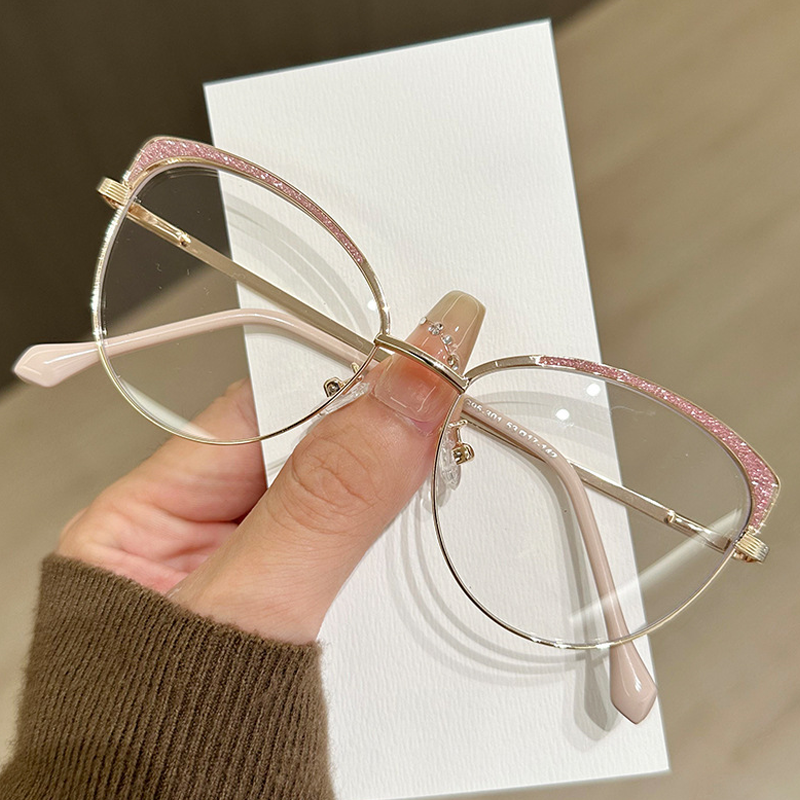
The metal cat-eye frame features a sparkling inla...
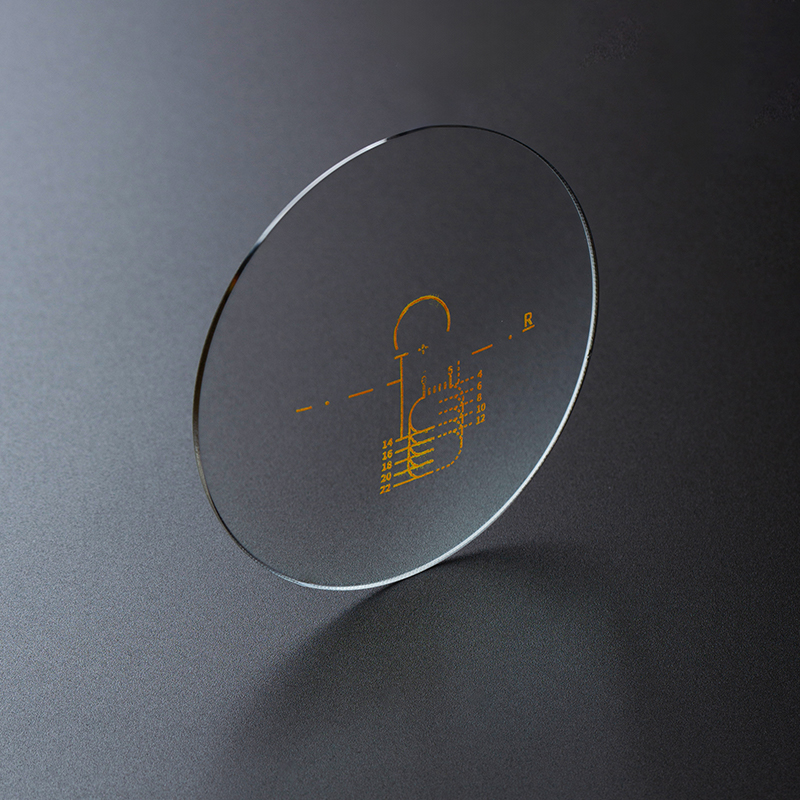
Introducing our Photo Purple/Pink/Blue Progressive...
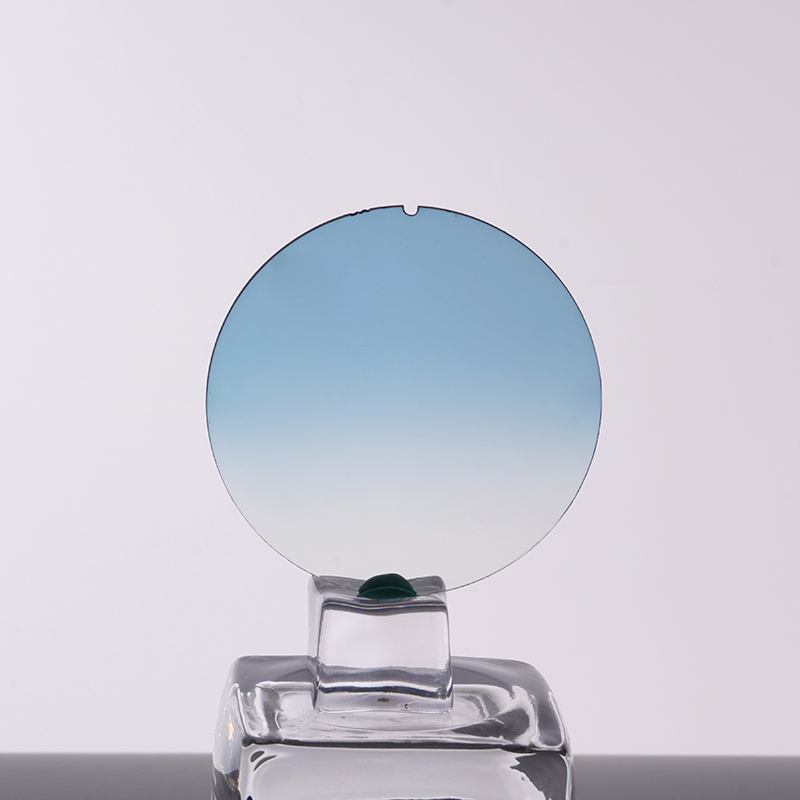
The 1.499 Gradient Single Vision Lens is designed ...
Contact
Let’s Work Together
© Thinkey Optical Co., Ltd.
Quick Links
Stay In Touch
Address:
611# Paimen Road DuQiao Town Linhai City Zhejiang China.
Phone:
0086-13788990737
Email:
Website

China Lenses and Eyeglass Factory
 Previous