 English
 русский
 Français
 Español
 Deutsch
 عربى
عربى
Eyeglasses have changed in a quiet way. Older users often remember bifocal lenses with a visible line across the lens. That line separated the areas used for different viewing distances. It was practical, but it also made the design easy to recognize.
No Line Bifocal Transition Lenses take a different approach. They combine vision correction for different distances with a lens surface that does not show the traditional dividing line. The lens can also change its appearance when exposed to changing light conditions. This creates a combination of functions within one pair of glasses.
The idea sounds simple, but several parts of the lens have to work together. The viewing areas need to be placed in useful positions. The change between them needs to feel natural. The light-responsive feature also needs to react as the wearer moves between different environments.
For buyers, understanding this process can make lens selection easier. It also explains why no-line designs have become an interesting option in the modern eyewear market.
What Are No Line Bifocal Transition Lenses?
Lenses are designed to provide different vision zones without the obvious dividing line found on traditional bifocal lenses. The lens can support more than one viewing need while maintaining a continuous appearance across its surface.
A traditional bifocal has a clearly defined boundary between its viewing areas. When someone looks through one part of the lens, it is intended for one distance. Another part serves a different distance. The transition between these areas can be seen on the front of the lens.
A no-line design removes that visible boundary. The change between viewing areas is blended into the lens rather than marked by a distinct line. This gives the glasses a more conventional appearance when someone looks at the wearer.
The word "Transition" refers to the lens's ability to respond to changes in light. Depending on the lens design, it can become darker outdoors and return toward a clearer appearance indoors. The two functions are therefore related but separate. One addresses changing viewing needs, while the other responds to the surrounding light.
This combination makes the product relevant to people who want multiple vision functions without having to switch between different pairs of glasses during ordinary activities.
How Does the Lens Provide Different Viewing Areas?
The basic idea is that different parts of the lens are intended to support different distances. The wearer does not need to move between separate pieces of glass. Instead, the viewing zones are formed within the same lens.
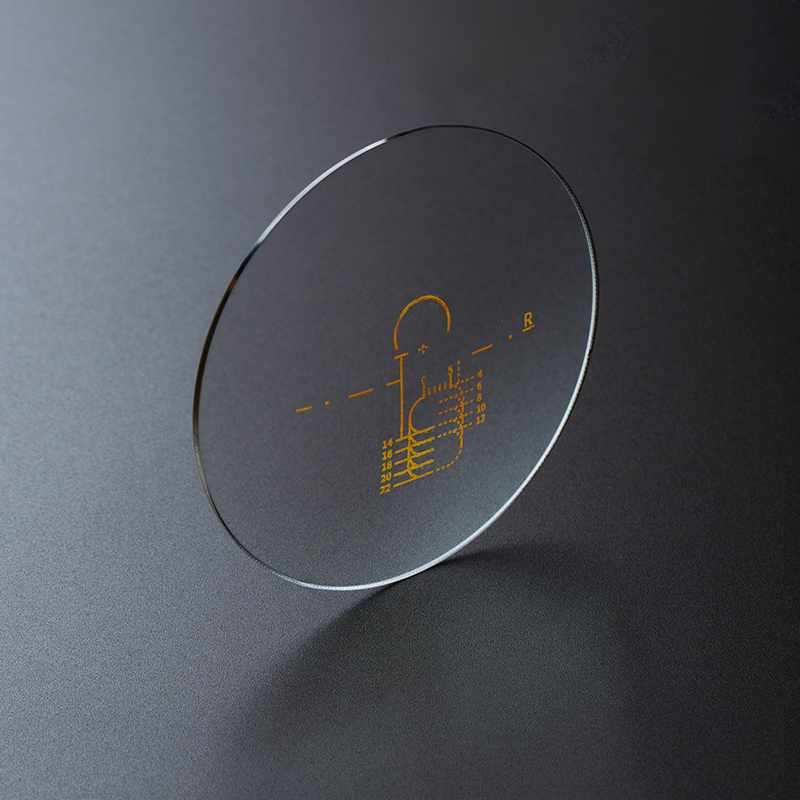
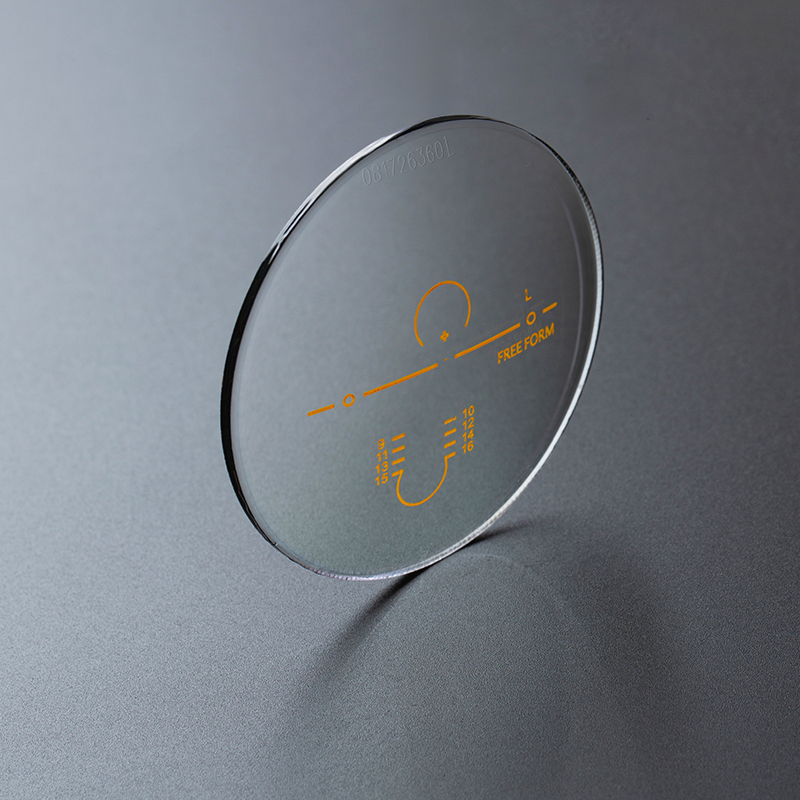
The upper area is generally used for looking farther away. The lower area is commonly associated with closer tasks, such as reading. Between these areas, the lens can provide a gradual change rather than a hard dividing line.
This is what makes the design visually different from traditional bifocals. The viewing zones are not separated by an obvious mark. The wearer moves their eyes naturally and finds the area that supports the task at hand.
The exact experience depends on the prescription, frame, lens design, and individual visual habits. Someone who spends much of the day reading may use the lower portion more often. Someone who regularly looks between a room and a nearby screen may move through several areas of the lens during normal activity.
The lens is therefore more than a simple piece of transparent material. Its surface is carefully shaped to provide different visual functions in different locations.
| Lens Area | Common Viewing Purpose | Typical Use |
|---|---|---|
| Upper area | Farther vision | Walking, conversation, outdoor viewing |
| Middle area | Intermediate viewing | Screens, counters, general indoor tasks |
| Lower area | Nearer vision | Reading, writing, close work |
The transition between these areas is an important part of the overall design. A well-matched lens should fit the wearer's normal habits rather than simply provide separate viewing zones without considering how the glasses will actually be used.
How Does the Transition Feature Respond to Light?
The light-responsive part of the lens works separately from the vision correction areas. Certain lens materials contain light-sensitive components that react when the surrounding light changes.
In brighter outdoor conditions, the lens can become darker. When the wearer returns to a less bright environment, the lens gradually becomes clearer again. The process is automatic, so the wearer does not need to manually change the lenses.
This feature can be useful for people who move between indoor and outdoor spaces throughout the day. Instead of carrying another pair of glasses for changing light conditions, they can use one pair for a wider range of ordinary situations.
The response is not simply an on-and-off process. The appearance of the lens can change gradually as the surrounding conditions change. The result is different from wearing a permanently tinted lens because the lens is designed to adjust according to its environment.
The transition feature also explains why these lenses should not be viewed as ordinary bifocals with a darker coating. The light-responsive function is part of the lens material or lens construction, while the different vision zones are created through the optical design.
Why Is the No-Line Design Different From Traditional Bifocals?
The obvious difference is appearance. Traditional bifocals usually have a visible line that shows where the near viewing area begins. A no-line lens does not display that same dividing mark.
The difference can also be noticed while using the glasses. With a traditional bifocal, the wearer may look directly through a defined near area. With a no-line design, the change between viewing areas is more gradual.
This can make the lens feel more integrated into everyday vision. The wearer can look across a room, glance at something nearby, and move toward a reading task without the lens itself showing a clear boundary.
There is another practical difference. No-line lenses can be easier to pair with contemporary eyewear styles because their appearance is closer to that of a standard clear lens. This matters to buyers who care about how their glasses look as well as how they function.
Still, no-line does not mean that every part of the lens provides exactly the same visual experience. Different areas are designed for different purposes. New wearers may need some time to become familiar with where to look for each task.
The adjustment experience can vary from person to person. Personal prescription needs, previous eyewear experience, daily activities, and frame choice can all affect how naturally someone adapts to the lens.
How Do the Different Lens Functions Work Together?
The interesting part of No Line Bifocal Transition Lenses is that several functions occupy the same lens.
One function handles different viewing distances. Another responds to changes in light. The lens surface also has to remain suitable for normal use. These features are combined without requiring the wearer to operate a switch or change glasses manually.
Imagine moving through an ordinary day. A person may leave home in bright outdoor conditions, enter a building, check a phone, read a document, and later walk outside again. Each activity places a different demand on the eyes.
The lens remains in place throughout these changes. The wearer looks through different parts of the lens depending on the task. At the same time, the light-responsive portion reacts to the surrounding environment.
| User Situation | Lens Function Involved |
|---|---|
| Looking across a room | Far-viewing area |
| Checking a nearby screen | Intermediate area |
| Reading printed material | Near-viewing area |
| Moving into brighter outdoor light | Light-responsive feature |
| Returning indoors | Gradual return toward a clearer appearance |
This combined design is one reason the product category continues to attract attention in the eyewear market. It reflects a broader preference for products that can support several everyday needs without adding extra steps to a routine.
What Factors Affect the Experience of Wearing These Lenses?
The lens itself is only one part of the final eyewear experience. The frame also matters. Its shape, position, and fit can influence how easily the wearer finds the different viewing areas.
The wearer's normal activities matter as well. Someone who spends most of the day looking at distant objects may have different expectations from someone who frequently reads, writes, or works with a screen.
Personal adaptation is another consideration. People who are already familiar with multi-distance lenses may find the change easier to understand. New users may need time to learn how small changes in eye or head position affect what they see.
Clear communication during the lens selection process can help. Buyers should explain how they normally use their glasses. Reading habits, screen use, outdoor activities, work conditions, and general daily movement can all provide useful information.
The goal is not simply to select a lens with many features. The more important question is whether those features match the user's routine.
For optical businesses and lens buyers, this makes product consultation an important part of the purchasing process. A lens can have several functions, but those functions still need to fit the person who will wear it.
What Should Buyers Consider When Choosing No Line Bifocal Transition Lenses?
Consider the viewing needs.
Think about the distances that matter most during a normal day. Reading, computer work, walking, driving, shopping, and outdoor activities may require different visual priorities.
Consider the light conditions.
Someone who frequently moves between indoor and outdoor environments may place more value on the light-responsive feature. A person who spends most of the day indoors may have different expectations.
Consider the frame.
The frame should work comfortably with the lens design. Its shape and fit can influence how easily the wearer uses different parts of the lens.
Consider the adjustment period.
A no-line design can feel different from a traditional bifocal. Buyers should allow themselves time to become familiar with the viewing areas.
Consider lens care.
The lens should be handled carefully and cleaned with suitable materials. Scratches, dirt, and poor cleaning habits can affect the everyday viewing experience.
Consider professional guidance.
Vision correction is personal. An eye care professional can help determine whether this type of lens fits the wearer's prescription and daily needs.
These points can also help optical retailers explain the product more clearly. Instead of focusing only on the phrase "no line" or "transition," they can describe how the different functions relate to real activities.
Why Are No Line Bifocal Transition Lenses Attracting Attention in Eyewear?
The appeal of this lens design comes from convenience and appearance working together. People often want eyewear that fits naturally into daily life. They may not want a visible bifocal line, and they may prefer not to change glasses whenever lighting or viewing distance changes.
No Line Bifocal Transition Lenses address these preferences through a combined design. The lens supports different viewing distances while maintaining a continuous appearance. Its light-responsive feature adds another layer of convenience for changing environments.
The concept also fits the way people use their eyes today. A normal day may involve frequent shifts between distant objects, nearby screens, printed material, indoor spaces, and outdoor environments. Eyewear therefore needs to accommodate movement rather than a single fixed activity.
For the eyewear industry, this creates room for continued product development. Lens makers can focus on how different viewing areas are arranged, how smoothly they connect, and how light-responsive materials behave during everyday use.
For buyers, the growing interest is less about adding features for their own sake. It is about finding eyewear that feels appropriate for the way they actually live and work.
That distinction is important. A lens may offer several functions, but its value depends on how comfortably those functions fit into the wearer's daily routine.
 Previous