 English
 русский
 Français
 Español
 Deutsch
 عربى
عربى
Industry News

Content
Reading glasses have moved beyond the simple idea of helping people see small text. As daily routines change, eyewear is increasingly expected to fit different situations, from reading books and paperwork to checking messages and working in front of a screen.
Anti Blue Eyewear Ultralight Reading Glasses bring two product ideas into one category. The first is a reading-focused design intended for close-up tasks. The second is a lightweight frame and lens approach aimed at making the glasses easier to wear and carry.
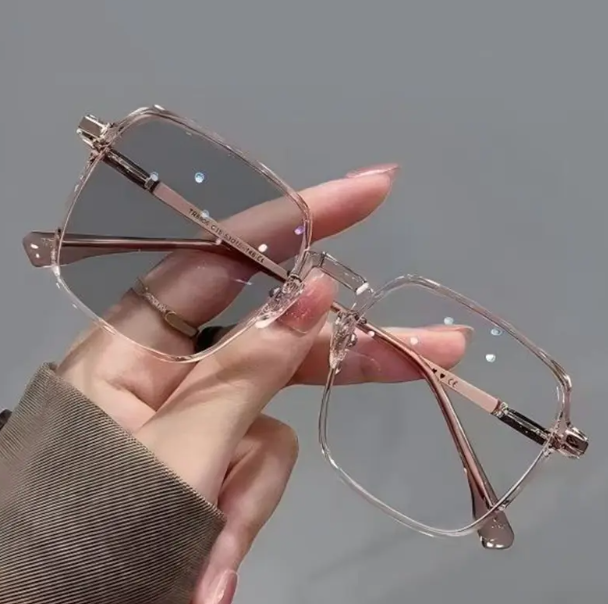
The term "anti blue" is often used in eyewear to describe lenses designed to filter some blue light. It is important to keep the claim realistic. Blue-light filtering should not automatically be presented as a way to prevent eye disease or guarantee relief from digital eye strain. Evidence about whether blue-light filtering lenses reduce short-term eye discomfort remains mixed.
The lightweight side of the product has a different appeal. Glasses that feel easy to carry and comfortable on the face may fit naturally into routines where reading support is needed only for certain tasks.
This combination is helping create a broader conversation around what people actually expect from everyday reading eyewear.
At their basic level, these glasses are designed for people who need reading assistance during close-up activities and prefer a lightweight eyewear experience.
Reading tasks can appear throughout the day. Someone may read a printed document in the morning, check a product label later, look at a menu during lunch, and read a book before bed. The need for close-up vision support does not always happen in one fixed location.
This makes portability useful.
A lightweight pair can be kept in a bag, desk drawer, vehicle, or other convenient place. The user does not necessarily need to wear it throughout the day. It can simply be available when a particular task calls for it.
The "anti blue" feature adds another layer to the product concept. Many people now divide their reading time between printed materials and digital displays. A pair of glasses designed with both situations in mind may appeal to users who want one reading-oriented option for several everyday activities.
The intended purpose can therefore be understood through three simple ideas:
The actual optical suitability still depends on the user's vision needs. Reading glasses are not interchangeable with every type of prescription eyewear.
Weight may seem like a small design detail until glasses are worn repeatedly.
A frame rests on the nose and around the ears. If the overall design feels uncomfortable, people may be less willing to keep the glasses on during a long reading session.
This is why ultralight reading glasses are often discussed in terms of daily convenience rather than appearance alone.
A lightweight design can be useful when glasses are carried throughout the day. It may also make them easier to put on and remove as different tasks arise.
There is another practical consideration. Reading glasses are often used intermittently. A person may not need them while walking around but may want them when looking at small print.
That creates a simple user habit:
Carry → Read → Remove → Store → Use Again
If the glasses are easy to carry, they can become part of this routine without requiring much planning.
Still, low weight is not the only factor behind comfort. The shape of the frame, fit around the nose, position of the temples, lens design, and overall balance all matter.
A lighter frame can support comfort, but "lighter" should not automatically be treated as a guarantee of a better wearing experience.
The obvious use is reading printed material.
Books, newspapers, documents, receipts, packaging labels, menus, and instructions can all involve small text. These situations may happen at home, in an office, or while traveling.
Reading glasses can provide a convenient option for close-up work when the user has an appropriate reading prescription.
The portability of ultralight eyewear also makes it suitable for situations where people move between different environments.
| Everyday Situation | Why Lightweight Reading Eyewear May Be Useful |
|---|---|
| Reading books | Easy to keep nearby during reading sessions |
| Checking documents | Convenient for short periods of close-up work |
| Looking at menus | Can be carried without much effort |
| Reading labels | Useful when small print needs closer attention |
| Writing notes | Supports close-range visual tasks |
| Digital reading | May suit users who switch between print and screens |
| Home activities | Easy to store in a familiar location |
The glasses do not change the size of the text itself. Their role is to provide the optical assistance appropriate for the user's reading needs.
That distinction is important. Eyewear should be selected according to vision requirements rather than appearance alone.
"Anti blue" is commonly used as a product term for eyewear that filters some blue light from incoming light.
The subject has attracted considerable attention because digital screens have become part of ordinary life. Phones, computers, tablets, and other displays can occupy a significant portion of a person's day.
However, the meaning of blue-light filtering should be kept clear.
It does not mean that every blue wavelength is removed. It also does not mean that the glasses can prevent all discomfort associated with screen use.
Research has not established a simple link between blue-light filtering glasses and guaranteed protection from eye strain or eye health problems. The College of Optometrists notes that there is currently insufficient evidence to recommend blue-blocking spectacle lenses for the general population for improving visual performance or sleep quality.
For this reason, responsible product communication should avoid statements such as "prevents eye damage" or "eliminates digital eye strain."
A more practical way to discuss these products is to describe their intended lens feature and let users decide whether it fits their preferences.
Screen habits themselves also matter. Taking breaks, adjusting the viewing distance, keeping the display clean, and using suitable lighting can all contribute to a more comfortable reading environment.
The glasses are only one part of that environment.
Digital reading has become a normal part of many people's routines.
Someone may move from a printed report to a laptop, then check a phone. The visual task remains close-up, but the surface changes.
This is one reason reading eyewear is increasingly discussed beyond traditional books.
An ultralight design can be convenient for people who frequently switch between tasks. The glasses can remain nearby rather than being worn continuously.
However, reading glasses are not automatically suitable for every screen-related situation. Viewing distance varies. A phone is often held closer than a computer monitor. A person may also have different visual requirements for intermediate or longer distances.
This means that a pair designed for close reading should not be assumed to replace prescription eyewear designed for other distances.
The product category is more useful when viewed as a tool for specific visual tasks.
The question is not simply, "Can these glasses be used with a screen?"
A better question is:
Does the lens strength and design suit the distance at which the screen is being viewed?
That distinction can help consumers make more sensible choices.
The frame is easy to overlook because attention often goes directly to the lens.
Yet the frame determines how the glasses sit on the face.
A practical reading frame needs to remain stable while the user looks down at a book or document. If it slides easily, the user may need to adjust it repeatedly.
The temples also need to sit comfortably around the ears. The nose area matters as well.
Several design details can influence the experience:
Ultralight construction can make the frame easier to wear, but comfort remains a combination of factors.
This is especially relevant for reading glasses because users may look downward for extended periods. A frame that shifts easily can become distracting.
Good eyewear design therefore considers the whole face, not just the number shown on a scale.
The product category can appeal to several types of users, although individual vision needs vary.
People who regularly read small printed text may appreciate having reading glasses within easy reach. Users who switch between books and digital devices may also find the combination of reading support and lightweight design convenient.
Frequent travelers represent another possible group. A compact and lightweight pair can take up little room in a personal bag.
Office workers may also use reading glasses for documents, notes, or other close-up tasks. The same pair might be stored at a desk and used only when needed.
Potential users include:
Occasional readers
People who need reading support for specific tasks rather than throughout the day.
Frequent readers
People who spend regular time with books, documents, or other printed materials.
Digital readers
People whose close-up tasks often involve phones, tablets, or computers.
Mobile users
People who want reading eyewear that is easy to carry between locations.
Office users
People who move between paperwork and other close-range activities.
These descriptions are about use patterns, not medical recommendations. Anyone with changing vision, persistent discomfort, headaches, or other concerns should seek appropriate professional eye care.
Lightweight design may attract attention, but it should not be the only consideration.
A pair of reading glasses needs to match the user's actual visual needs. Lens strength is particularly important. Choosing glasses simply because the frame looks attractive or feels light may lead to an unsuitable reading experience.
Fit should also be considered.
A frame can be lightweight but still feel uncomfortable if it does not sit correctly. The bridge, temples, lens position, and overall shape all contribute to how the glasses feel.
Buyers can consider:
| Consideration | Practical Question |
|---|---|
| Reading strength | Does it match the user's close-up vision needs? |
| Frame fit | Does it sit securely without constant adjustment? |
| Weight | Does it feel comfortable during normal use? |
| Lens appearance | Is the visual effect suitable for the user's preference? |
| Daily use | Will the glasses fit the user's usual reading routine? |
| Storage | Are they easy to carry and protect when not in use? |
| Durability | Can the frame handle normal everyday handling? |
| Optical needs | Is professional advice needed for a more specific vision requirement? |
The "anti blue" feature should also be viewed realistically. It can be a lens characteristic that some users prefer, but it should not become the sole reason for choosing eyewear.
Comfort, fit, visual clarity, and suitability for the intended task remain important.
Reading is no longer tied to one location or one type of material.
People read on buses, at desks, in kitchens, in waiting rooms, at home, and while traveling. They read printed pages and digital displays within the same day.
This change creates room for eyewear that is easy to move with the user.
The development of Anti Blue Eyewear Ultralight Reading Glasses reflects that broader shift. The product is not simply about adding a feature to a pair of reading glasses. It is about combining optical assistance with a lifestyle built around frequent changes in reading environments.
For manufacturers, that places more attention on everyday usability.
A successful design needs to consider how the glasses are carried, worn, removed, cleaned, stored, and used across different tasks. The frame needs to balance lightness with practical strength. The lenses need to suit their intended reading purpose. The "anti blue" positioning needs to remain within reasonable, evidence-based claims.
For users, the appeal may be much simpler. A pair of glasses that is easy to keep nearby, comfortable to wear, and suitable for ordinary close-up tasks can become a small but useful part of the daily routine.
If you have any questions, please fill out the contact form at the bottom of the page and contact us.
Best selling Products
Best sellers, Globally Chosen
Contact
Let’s Work Together
© Thinkey Optical Co., Ltd.
Quick Links
Stay In Touch
Address:
611# Paimen Road DuQiao Town Linhai City Zhejiang China.
Phone:
0086-13788990737
Email:
Website

China Lenses and Eyeglass Factory
 Previous