 English
 русский
 Français
 Español
 Deutsch
 عربى
عربى
Industry News

Content
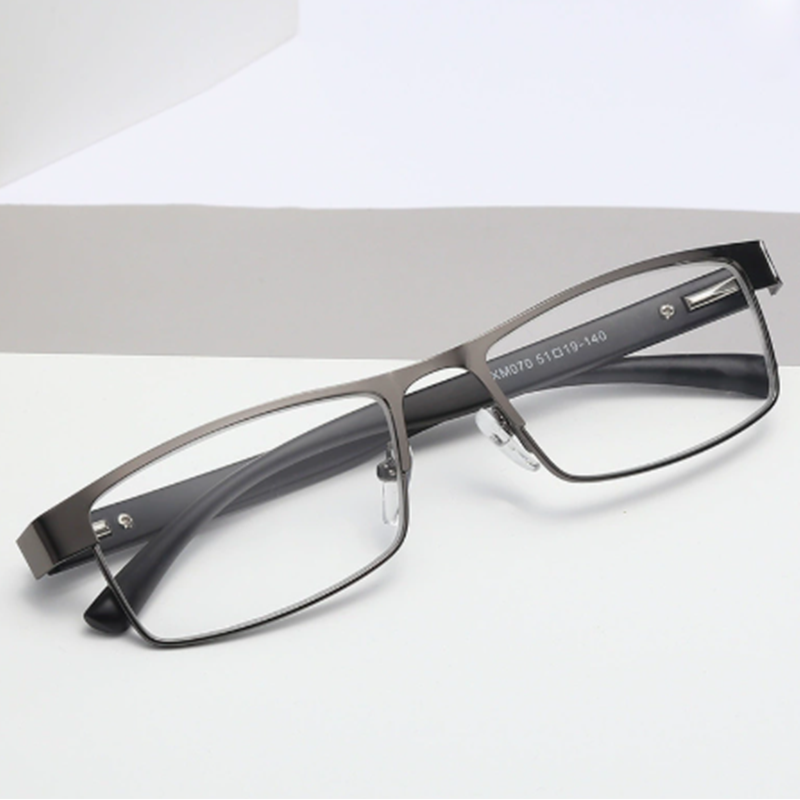
Reading glasses are no longer viewed as a simple tool that is taken out only when small text becomes difficult to see. For many users, they are part of daily life. They may stay beside a computer, travel in a handbag, sit on a desk, or remain in a pocket throughout the day.
This change has influenced the way reading glasses are designed.
TR90 flexible reading glasses have attracted attention because they combine a reading function with a frame material known for flexibility and a lightweight feel. The appeal is not simply about the material itself. Consumers are also looking at comfort, frame shape, lens quality, fit, durability, and appearance.
Choosing a pair therefore involves more than selecting a reading strength.
A comfortable pair should fit the way the user actually lives. Someone who reads at a desk may have different needs from someone who frequently moves between work, travel, and outdoor activities.
The growing interest in flexible reading glasses reflects this shift. Consumers want eyewear that can keep up with daily routines while remaining practical and visually appealing.
The frame is the part of reading glasses that stays in contact with the face for long periods. Its material can affect how the glasses feel, how they respond to everyday movement, and how they fit into a user's routine.
TR90 is often associated with lightweight and flexible frame construction. This makes it attractive for reading glasses that may be worn frequently.
Flexibility can be useful in ordinary situations. Glasses may be placed into a bag, picked up from a desk, or handled repeatedly throughout the day. A frame that has some flexibility may feel more forgiving during normal use.
However, flexibility should not be viewed as the only consideration.
A frame still needs to hold its shape properly. It should sit comfortably on the face and maintain a suitable relationship with the lenses.
The material should therefore be considered together with the overall frame design.
| Frame Feature | Why It Matters |
|---|---|
| Flexibility | Can make the frame more comfortable during everyday handling. |
| Lightweight Feel | May support longer periods of wear. |
| Frame Stability | Helps keep the glasses positioned during use. |
| Shape Retention | Supports a consistent fit over time. |
| Surface Feel | Can influence everyday comfort and handling. |
The right balance depends on the user.
A frame that feels comfortable to one person may not feel the same to another. Face shape, wearing habits, and personal preferences all affect the experience.
Comfort is one of the important features of reading glasses because reading can involve long periods of continuous wear.
Users may read books, work on computers, check documents, use mobile devices, or complete household tasks. If the glasses feel uncomfortable after a short period, the reading experience can become frustrating.
Frame weight is one factor.
The shape of the nose area and the fit around the ears also matter. A well-designed frame should sit naturally without creating unnecessary pressure.
Flexibility can contribute to this experience, but it does not automatically guarantee comfort.
A flexible frame can still feel uncomfortable if its shape does not suit the wearer.
This is why consumers should look beyond the word "flexible." They should consider how the complete frame interacts with the face.
For manufacturers, this creates an interesting design challenge. The goal is not simply to make a frame that bends. The frame also needs to feel natural during everyday use.
This is especially relevant for reading glasses because they may be worn repeatedly throughout the day.
A user might put them on for a few minutes, remove them, and put them back on later. The glasses need to fit this pattern of use.
The frame may attract attention, but the lens remains central to the purpose of reading glasses.
Reading glasses are designed to help users view nearby text and objects more clearly. Lens quality can therefore influence how comfortable reading feels.
Clarity is important.
The lens should provide a clean visual field without unnecessary distortion. The surface should also be suitable for the intended environment.
Different users have different reading habits.
Someone who mainly reads printed books may have different preferences from someone who spends much of the day looking at digital screens. Another user may need glasses mainly for short tasks such as checking labels, menus, or instructions.
This makes lens selection a personal decision.
Consumers should also pay attention to whether the reading glasses are designed for their particular visual needs. Ready-made reading glasses may be convenient for some users, while others may need eyewear selected with professional guidance.
A good frame cannot compensate for an unsuitable lens.
The two components need to work together.
Fit is easy to overlook when consumers focus on appearance.
A frame can look attractive but still feel uncomfortable if it does not sit correctly. Glasses that slide down frequently can become distracting. A frame that presses against the temples or behind the ears can also reduce comfort.
TR90 frames can provide design flexibility, but the final fit still depends on the shape of the frame.
Several areas deserve attention:
Face shape also matters.
A frame that works well for one person may not provide the same experience for another. This is why consumers should consider both frame dimensions and personal fit rather than choosing based only on appearance.
For online shoppers, product information becomes especially important.
Clear descriptions and visual references can help users understand the frame shape before purchasing. For businesses selling reading glasses online, providing useful fit information can make the buying process more transparent.
Flexible frames can offer a practical advantage in everyday situations.
Reading glasses are often handled frequently. They may be placed on tables, carried in bags, or stored in cases. They can also be taken on and off many times during the day.
A frame with some flexibility may be better suited to this kind of routine than a very rigid design.
This does not mean flexible frames are impossible to damage.
Users should still handle their glasses carefully and store them properly. Flexibility is a design feature, not a guarantee against breakage.
The important point is that flexibility can influence how a pair of glasses responds to ordinary handling.
This feature may be particularly attractive to people who want reading glasses that are easy to carry.
Travel is another example.
A pair of reading glasses may spend much of its time in a handbag, backpack, or small case. A flexible frame can provide a different handling experience from a rigid frame.
These small daily details help explain why flexible eyewear has become an interesting area of product development.
Reading glasses are functional products, but appearance still matters.
Consumers wear them on their faces. The frame therefore becomes part of personal style.
Modern reading glasses are available in many shapes and visual styles. Some have a simple appearance. Others use more distinctive frame designs.
TR90 can support a variety of frame shapes, giving manufacturers room to explore different styles.
This can make flexible reading glasses suitable for different users.
A person who prefers a professional appearance may choose a simple frame. Someone looking for a more casual style may prefer a softer shape or a different color.
Appearance can also affect how frequently people use their reading glasses.
If users feel comfortable wearing their glasses in public, they may be more willing to keep them available throughout the day.
For manufacturers and retailers, this creates an opportunity to treat design as part of the user experience rather than an afterthought.
Not every consumer has the same priorities.
A frequent reader may focus heavily on comfort and lens clarity. A mobile worker may care more about portability and frame flexibility. A user who wears reading glasses in social settings may place greater emphasis on appearance.
The following comparison shows how priorities can vary:
| User Type | Features That May Matter |
|---|---|
| Frequent Reader | Comfort, lens clarity, stable fit |
| Office User | Comfort, screen-friendly use, appearance |
| Traveler | Flexibility, portability, easy storage |
| Casual Reader | Convenience, appearance, comfortable fit |
| Active User | Flexible frame, stable fit, easy handling |
| Style-Conscious User | Frame shape, appearance, comfort |
These categories are not strict.
A single person may fall into several groups.
Someone may read at work, travel regularly, and care about appearance. In that case, the ideal reading glasses need to balance several features rather than focusing on one.
This is why product selection has become more personal.
A simple comparison process can make the choice easier.
1. Consider the main use
Think about where and when the glasses will be worn.
Will they stay at home? Will they be carried every day? Will they mainly be used for books, documents, or digital devices?
The answer can influence the importance of different features.
2. Check the frame fit
Look at the shape of the frame and consider whether it suits the face.
A comfortable fit is more useful than a fashionable appearance that becomes uncomfortable after extended wear.
3. Look at the lens information
Make sure the reading glasses are suitable for the intended visual task. If there are concerns about vision or eye comfort, professional advice may be appropriate.
4. Consider flexibility realistically
Flexibility can be useful for everyday handling, but it should not be treated as a substitute for careful storage and use.
5. Think about long-term use
Reading glasses may become an everyday item.
The frame should suit repeated handling, while the lenses should remain appropriate for the user's reading needs.
This approach shifts attention away from isolated product claims.
Instead of asking whether one feature is "better," buyers can ask whether the complete pair fits their own routine.
TR90 flexible reading glasses sit at an interesting point in the eyewear market. They combine the traditional function of reading glasses with a frame concept built around flexibility and everyday convenience.
The important features are not necessarily the ones that sound impressive in a product description. Comfort, fit, lens clarity, flexibility, handling, and appearance all contribute to the actual wearing experience.
As reading habits continue to change, eyewear design is also adapting. Reading glasses are being considered not only as vision aids but as everyday products that need to fit naturally into work, travel, leisure, and personal style.
If you have any questions, please fill out the contact form at the bottom of the page and contact us.
Best selling Products
Best sellers, Globally Chosen
Accurate measurements of the distance between the...
Anti-fog glasses cleaning wipes clean instantly, e...
Contact
Let’s Work Together
© Thinkey Optical Co., Ltd.
Quick Links
Stay In Touch
Address:
611# Paimen Road DuQiao Town Linhai City Zhejiang China.
Phone:
0086-13788990737
Email:
Website

China Lenses and Eyeglass Factory
 Previous