
 English
 русский
 Français
 Español
 Deutsch
 عربى
عربى
Industry News
Home / News / Industry News / Progressive Lens With Photochromic: Combining Vision Correction and Light Adaptation

Content
The way people use eyewear is changing. Glasses are no longer viewed only as a tool for correcting vision. Many users now expect their lenses to fit into different parts of daily life, from working indoors to spending time outside.
A person may check a phone in the morning, work in front of a screen, walk outdoors during the day, and drive home in the evening. Each activity creates different visual demands. Traditional glasses may handle one situation well but feel less convenient when the environment changes.
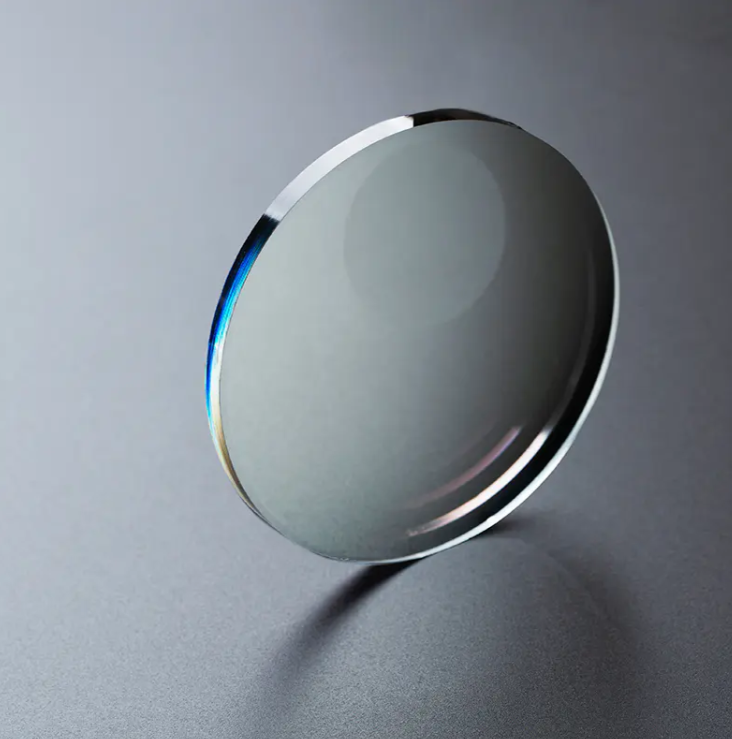
This has encouraged more attention toward adaptive eyewear. Progressive Lens With Photochromic combines two functions that respond to different needs. Progressive lens design helps manage different viewing distances, while photochromic features allow the lens to react to changing light conditions.
The combination reflects a wider movement in the optical industry. Consumers are looking for eyewear that feels more natural during everyday use.
People's daily schedules are far less fixed these days. Hardly anyone stays in a single place all day long. Most folks bounce back and forth between offices, open-air spaces, transit stops and indoor rooms as part of their regular routine.
This shift has altered what people expect from their glasses. A single set of lenses now has to suit far more different surroundings than it used to.
Progressive lenses have grown popular for this exact reason. They let wearers see clearly at close, medium and far distances with just one frame. There's no need to switch between multiple pairs when shifting tasks, and vision transitions feel seamless.
Photochromic lenses bring extra ease too. Light levels shift fast when you walk in and out of buildings, and these lenses automatically adjust tint to match ambient brightness, making those transitions much less jarring.
All these eyewear styles are sought after for one simple practical benefit: people don't want constant disruptions to their everyday rhythm.
The two lens functions focus on different parts of the visual experience.
Progressive design is mainly related to distance. It creates different visual areas within the same lens, allowing users to view nearby objects, intermediate distances, and farther objects more comfortably.
Photochromic technology focuses on environmental changes. The lens responds when surrounding light conditions change, creating a different appearance between indoor and outdoor settings.
When combined, these functions create a more adaptable wearing experience.
For example, someone reading documents indoors may not need the same visual support when walking outside. Instead of changing glasses, the same pair can adjust to different situations.
| Feature | Main Purpose | Everyday Application |
|---|---|---|
| Progressive lens design | Supports different viewing distances | Reading, working, and looking across spaces |
| Photochromic function | Responds to changing light | Moving between indoor and outdoor environments |
| Combined design | Brings multiple functions together | Daily activities with fewer adjustments |
The value of this combination comes from convenience rather than complexity.
The need for adaptable eyewear often appears in simple daily moments.
A person may leave a bright office and step into sunlight. Someone may move from a computer screen to a conversation across the room. Another person may spend the morning indoors and the afternoon outside.
These small changes happen frequently.
Progressive Lens With Photochromic can be useful in situations such as:
The benefit is not about one specific activity. It is about handling many small changes that happen naturally.
Modern eyewear design increasingly focuses on these everyday details.
There is no single lens choice that suits every user. Lifestyle plays an important role.
Someone who spends most of the day indoors may have different expectations compared with someone who frequently travels between different environments.
For office workers, comfortable viewing during screen use and meetings may be important. For outdoor-focused users, adapting to changing brightness may become a bigger consideration.
A simple comparison shows how different routines influence preferences:
| Daily Lifestyle | Possible Consideration |
|---|---|
| Mostly indoor activities | Comfortable vision transition |
| Frequent outdoor movement | Light adaptation ability |
| Mixed work and travel schedule | Flexible everyday use |
| Multiple visual tasks | Balanced lens design |
The better match depends on how the glasses will be used. Understanding personal habits often helps create a more suitable choice.
Light greatly impacts how comfortable our eyes feel. Brightness, glare and surrounding surroundings all change how we see even in the same spot.
Outdoors always has far stronger light than indoor rooms. Walking back and forth between the two forces your eyes to constantly readjust for a moment.
Photochromic lenses fix this issue by darkening and lightening based on ambient light. No more separating indoor and outdoor glasses into two totally separate items—they make switching spaces feel effortless.
This design matches what regular buyers want today. Shoppers now lean toward gear that reacts to their real-time surroundings automatically.
Glasses are no longer just static vision aids. The whole industry is shifting toward lenses that adapt alongside daily life.
Selecting lenses involves more than looking at features. Comfort and daily habits should also be considered.
Vision requirements remain an important factor. Different users have different correction needs, and the lens design should match those requirements.
The environment where glasses are used also matters. Someone who spends most of the day outdoors may value light adaptation more than someone working inside.
Other points include:
A suitable lens should fit naturally into daily routines.
The goal is not to add unnecessary functions. It is to create an experience that feels simple and convenient.
The optical industry is moving toward more individual solutions. Consumers are becoming more aware that eyewear can be designed around personal needs.
This change is influencing product development. Instead of focusing only on basic correction, manufacturers and optical professionals are paying more attention to comfort, adaptability, and daily experiences.
Progressive Lens With Photochromic reflects this direction.
It combines different functions without requiring users to manage multiple pairs of glasses. This approach matches a lifestyle where people expect products to work across different situations.
Personalization is becoming an important part of eyewear choices. Users want solutions that connect with their own routines rather than general recommendations.
The demand for flexible products continues to grow across many industries, and eyewear is part of this change.
People are looking for items that save time, reduce inconvenience, and fit naturally into everyday activities. Adaptive lenses follow this idea by combining vision support with environmental response.
Progressive Lens With Photochromic brings together two important aspects of modern eyewear. One addresses changing viewing distances. The other responds to changing light.
As lifestyles continue to evolve, eyewear choices will likely become more connected with personal habits and daily environments. The relationship between users and lenses will continue to influence how future optical products are designed.
If you have any questions, please fill out the contact form at the bottom of the page and contact us.
Best selling Products
Best sellers, Globally Chosen
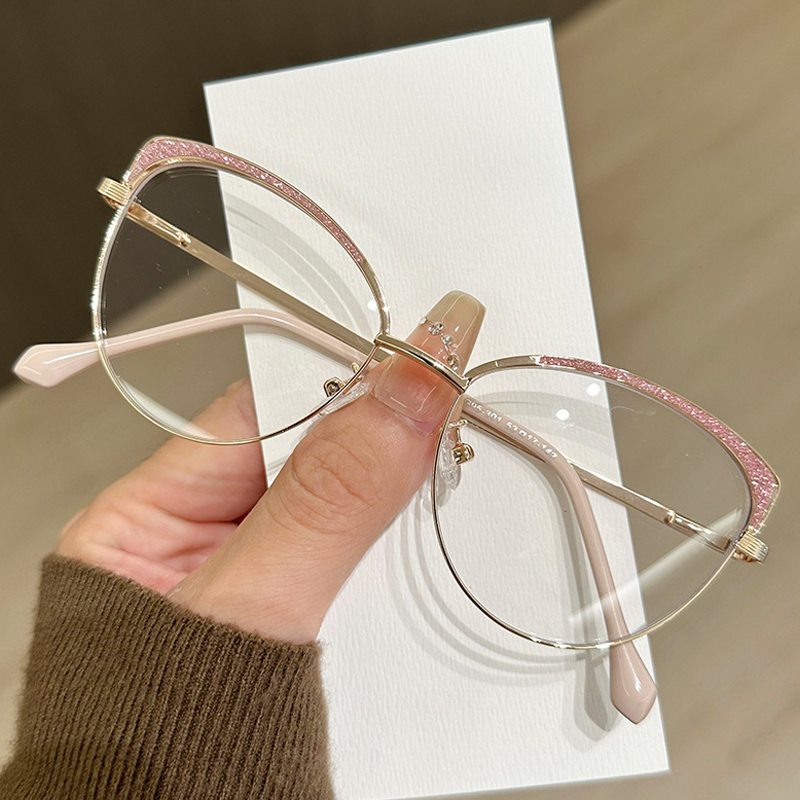
The metal cat-eye frame features a sparkling inla...
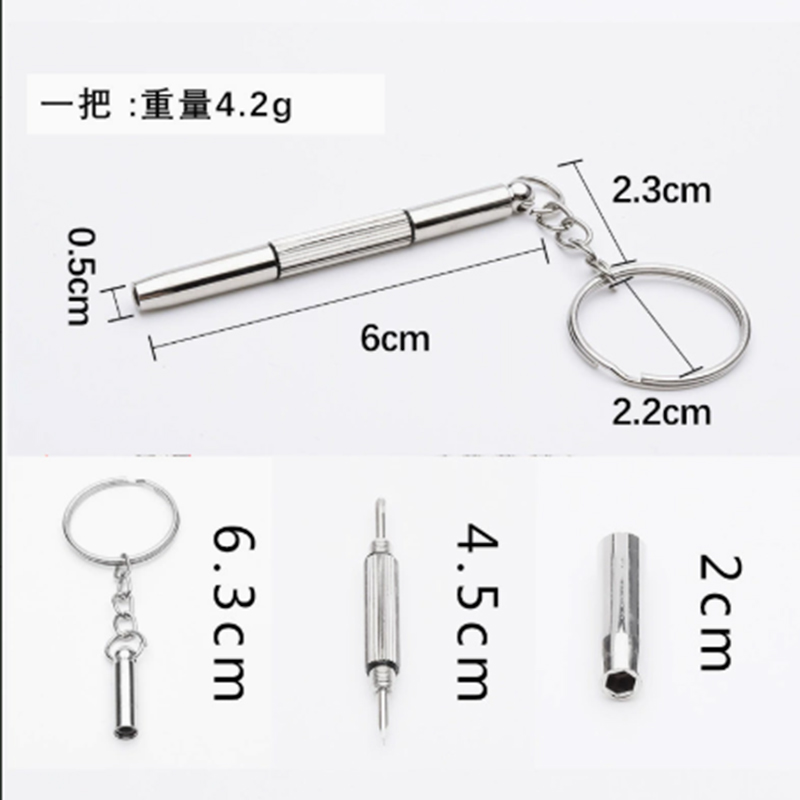
1. 3-in-1 function, easily fix minor glasses probl...
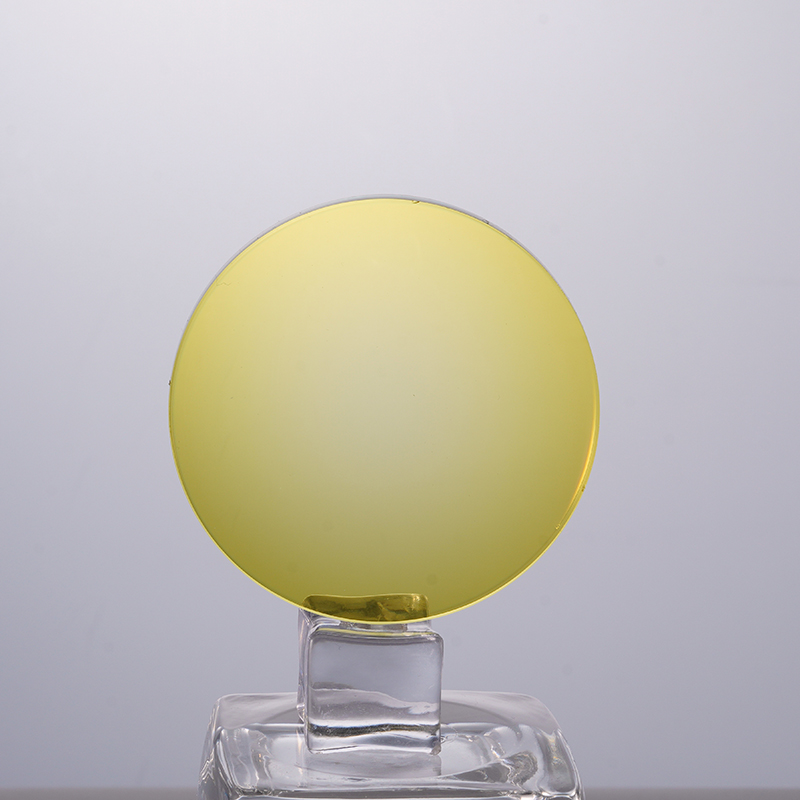
The single vision design provides precise correcti...
Contact
Let’s Work Together
© Thinkey Optical Co., Ltd.
Quick Links
Stay In Touch
Address:
611# Paimen Road DuQiao Town Linhai City Zhejiang China.
Phone:
0086-13788990737
Email:
Website

China Lenses and Eyeglass Factory
 Previous