 English
 русский
 Français
 Español
 Deutsch
 عربى
عربى
Industry News

Content
Eyewear design has moved far beyond simple vision correction. Lenses today respond to light, adapt to different distances, and aim to fit into everyday routines without drawing too much attention. Among these options, progressive photochromic lenses bring together two functions in a single product. They offer a gradual shift in focus from near to far, while also adjusting their tint depending on light conditions.
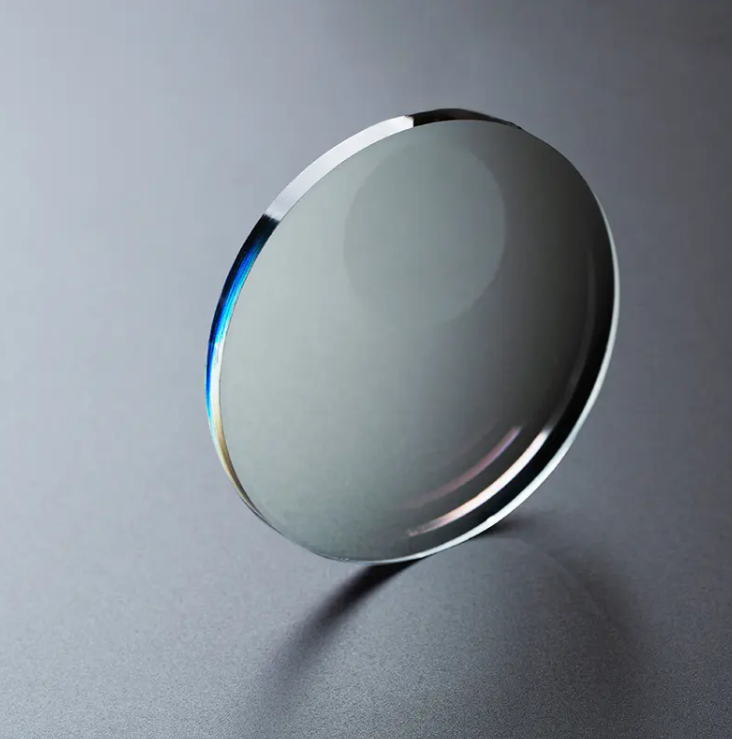
This combination has sparked ongoing discussion across the optical field. A common question appears again and again. Can one type of lens truly meet the needs of people at different stages of life? The answer is not fixed. It depends on how visual habits, environments, and expectations change over time.
To understand their suitability, it helps to look at what sets them apart. Progressive lenses are designed to support vision at multiple distances without visible lines. The wearer can look down for near tasks, look ahead for mid-range activities, and shift focus naturally for distance.
Photochromic lenses add another layer. They react to changes in light, becoming darker outdoors and clearer indoors. This transition is gradual and often goes unnoticed during daily use.
When these features are combined, the lens becomes more than a vision aid. It turns into a flexible tool that adapts to both visual range and lighting conditions. That idea sounds universal, but real-world use tells a more detailed story.
Younger people usually have strong natural focusing ability. Their eyes adjust quickly between distances without external support. Because of this, the need for progressive correction is not always present.
Still, daily habits have changed. Screens are used for long periods, and indoor lighting dominates many routines. Some younger users begin to notice visual fatigue or shifting comfort during close work.
In such cases, progressive photochromic lenses may offer a form of support. They can ease transitions between screen use and looking into the distance, especially during long sessions. The light-adjusting feature may also help reduce the contrast between indoor and outdoor environments.
Even so, adaptation can take time. Younger users who are not used to progressive designs may need a period of adjustment. The experience depends on how often they switch between tasks and how sensitive they are to visual changes.
For many in this group, the choice is not about necessity. It is more about lifestyle alignment.
As people move into middle age, visual needs often shift. Close work may become less comfortable, and switching between distances can feel less smooth than before. This is where progressive lenses become more relevant.
The addition of photochromic features brings extra convenience. Instead of changing glasses when moving between indoor and outdoor settings, the lens adapts on its own. This can be helpful for those with busy routines that include commuting, office work, and time outside.
Users in this group often look for balance. They want clear vision across tasks without managing multiple pairs of glasses. Progressive photochromic lenses aim to meet that expectation.
There is also a practical side. Carrying fewer items and reducing the need for constant adjustments can simplify daily routines. For many, this simplicity becomes part of the appeal.
Still, not everyone adjusts at the same pace. Some may need time to get used to the gradual change in focus. Others may prefer separate solutions for different tasks. Personal preference plays a strong role.
Older adults often rely more on vision correction. Reading, walking outdoors, and navigating different environments require steady visual support.
Progressive lenses can provide a continuous field of vision across distances. This reduces the need to switch between reading glasses and distance glasses. The smooth transition can feel more natural once the user becomes familiar with it.
Photochromic features can also support comfort in changing light. Moving from indoor spaces to outdoor areas becomes easier without needing separate sunglasses.
At the same time, adaptation may require patience. Some users need time to adjust to the way progressive lenses guide eye movement. Lighting conditions can also influence how quickly the lens changes.
For older adults, comfort and clarity are closely linked. The success of this type of lens depends on how well it matches daily routines and expectations.
Age provides a general framework, but lifestyle often tells a more accurate story. Two people of the same age may have very different visual needs depending on how they spend their day.
Someone who works indoors of the time may value the light-adjusting feature differently from someone who moves between indoor and outdoor spaces frequently. A person who reads often may focus on near vision comfort, while another may prioritize distance clarity.
Progressive photochromic lenses aim to bridge these needs, but they cannot replace individual habits. The way a person uses their eyes throughout the day shapes how useful the lens becomes.
In this sense, lifestyle acts as a guide. Age sets the stage, but daily routines define the details.
Despite differences, some benefits are shared across age groups. These lenses combine multiple functions into a single design. This reduces the need for switching between different pairs of glasses.
They also support a smoother visual experience. The gradual shift between distances can feel more natural than abrupt changes. Over time, many users become comfortable with this approach.
The light-adjusting feature adds another layer of convenience. It responds to the environment without requiring manual changes. For people who move between different lighting conditions, this can simplify daily use.
Below is a simple comparison of how different groups may relate to these features:
| Age Group | Visual Needs | Potential Benefits | Considerations |
|---|---|---|---|
| Younger users | Flexible focusing, screen use | Support during long near tasks | May require adaptation |
| Middle-aged users | Mixed distance viewing | All-in-one convenience | Adjustment period varies |
| Older adults | Consistent correction | Reduced need for multiple glasses | Comfort depends on habits |
This table does not define strict rules. It highlights general patterns that can shift depending on individual situations.
No lens design fits every situation. Progressive photochromic lenses come with their own set of challenges.
Adaptation is one of them. Some users adjust quickly, while others need more time. The way the eye moves through different zones of the lens may feel unfamiliar at first.
Lighting response is another factor. The speed and degree of tint change can vary depending on the environment. Users may notice differences between bright sunlight and shaded areas.
There is also the question of expectations. Some people expect a single solution to cover all situations. In reality, personal comfort can vary, and some users may still prefer separate glasses for specific tasks.Understanding these points helps set realistic expectations.
The decision often comes down to daily experience. People consider how often they switch between tasks, how sensitive they are to light, and how comfortable they feel with visual changes.
Trying the lenses in real-life situations can provide useful insight. Short-term impressions may differ from long-term use, so time plays a role in forming an opinion.
Conversations with optical professionals can also guide the choice. They can help match lens features with individual habits and preferences.
In the end, the decision is not defined by age alone. It reflects a mix of visual needs, routines, and personal comfort.
If you have any questions, please fill out the contact form at the bottom of the page and contact us.
Best selling Products
Best sellers, Globally Chosen
Contact
Let’s Work Together
© Thinkey Optical Co., Ltd.
Quick Links
Stay In Touch
Address:
611# Paimen Road DuQiao Town Linhai City Zhejiang China.
Phone:
0086-13788990737
Email:
Website

China Lenses and Eyeglass Factory
 Previous