
 English
 русский
 Français
 Español
 Deutsch
 عربى
عربى
Industry News

Content
Digital screens have become part of daily life. Phones, laptops, and tablets are used for work, study, and leisure. Along with this shift, more attention has been given to how light from screens may affect visual comfort. One response from the eyewear industry is the development of Blue Light Blocking RX Glasses Lens .
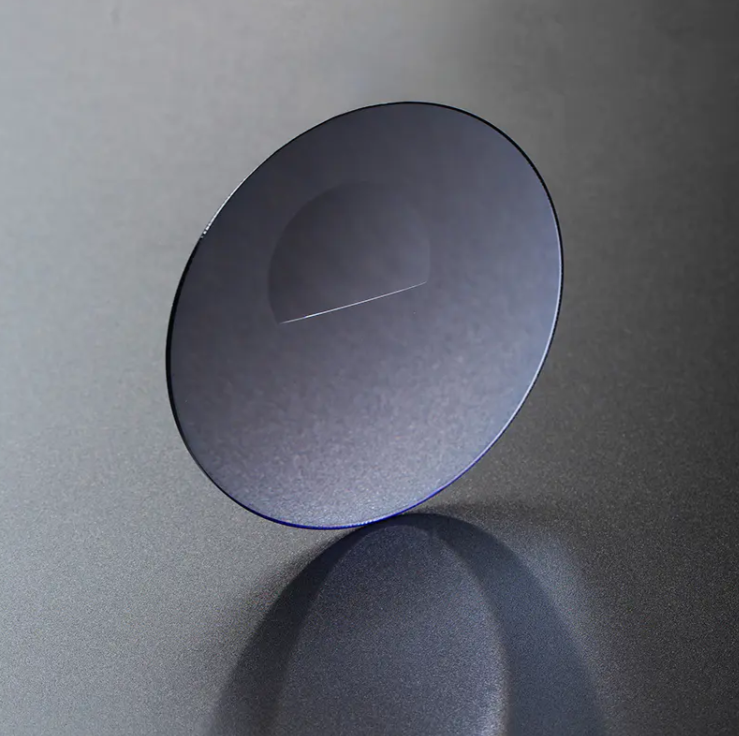
These lenses are not a separate category of eyewear on their own. They are prescription lenses that include an added feature designed to manage certain parts of light exposure during daily use. They are often discussed in the context of screen use, but their role is broader than a single scenario.
The term "RX" refers to prescription. It means the lenses are made to match an individual's vision needs. This may include correction for distance, near tasks, or a combination of both.
When blue light blocking is added to RX lenses, it becomes part of a personalized optical solution. The visual correction remains the primary function. The light filtering feature works alongside it without replacing it.
This combination allows users to address vision clarity while also managing how certain light sources are handled.
Light is made up of different wavelengths. Some are visible to the human eye, and each type behaves slightly differently.
Blue light is one part of this visible range. It is present in natural daylight and also emitted by digital screens and artificial lighting.
In everyday life, exposure to this type of light is normal. The discussion around blue light lenses is not about removing it entirely, but about adjusting how much reaches the eyes during extended use.
These lenses are designed to manage the amount of blue light that passes through them. This is usually done by applying a special layer or integrating a filtering feature into the lens material.
Instead of blocking all blue light, the lens changes how part of it travels through the surface. Some light is reduced or altered before reaching the eyes.
The effect is subtle. The lens still allows clear vision, while adjusting the intensity of certain light components.
Yes, but the difference is not in the core vision correction. Both types provide the same level of prescription support based on individual needs.
The distinction lies in the added feature. Regular prescription lenses focus only on correcting vision. Blue light blocking RX lenses include an additional layer that manages light exposure.
From a user's point of view, the change is often related to comfort during specific activities, rather than basic visual clarity.
These lenses are often associated with screen-based environments. Many people use them while working on computers or using mobile devices for long periods.
They are also worn in general daily settings. Indoor lighting, office work, and evening device use are common situations where these lenses are used.
Some users choose to wear them throughout the day, while others use them only during screen-heavy tasks.
In cases, the visual experience remains natural. The goal of the lens design is to maintain clarity while adjusting light exposure.
Some lenses may create a slight difference in how colors appear, but this effect is usually subtle. It depends on how the filtering feature is applied.
For everyday use, the aim is to keep vision comfortable without noticeable distortion.
The design of blue light blocking RX lenses can vary depending on how the filtering function is built into the lens.
Factors may include:
These elements are adjusted to suit different user preferences and usage habits.
Production involves combining standard prescription lens shaping with additional treatment processes.
After the lens is formed to match the prescription, a light management feature is added. This may be done through surface application or integrated during material preparation.
The process aims to maintain optical accuracy while introducing the filtering function in a stable and consistent way.
There are two general approaches to creating blue light blocking effects.
One approach uses a surface coating. This is applied after the lens is shaped. It sits on the outer layer and modifies how light passes through.
The other approach integrates the filtering feature into the lens material itself. In this case, the effect is part of the lens structure rather than a separate layer.
Each method influences how the lens behaves over time and how it interacts with light during use.
Modern routines often involve long hours in front of screens. Work, communication, and entertainment all rely on digital devices.
Blue light blocking RX lenses are one response to this shift. They are designed to support visual comfort in environments where screen exposure is common.
They are not limited to one type of user. Students, office workers, and casual device users may all consider them depending on their habits.
Eye comfort can be influenced by many factors, including lighting conditions, screen brightness, and duration of use.
These lenses are designed to help manage one part of that environment. By adjusting how certain light reaches the eyes, they aim to create a more balanced visual experience.
They do not change the need for good viewing habits, such as taking breaks or adjusting screen settings. They work as part of a broader approach to visual care.
The choice often depends on daily habits. People who spend long hours on digital devices may look for ways to improve visual comfort.
Some users try blue light blocking RX lenses as part of their regular eyewear. Others use them only during specific tasks.
The decision is usually based on personal experience rather than a single standard rule.
The range of blue light blocking RX lenses has expanded over time. Factories produce different variations to meet diverse needs.
A simple overview of product types can be seen below:
| Lens Type | Main Feature | Typical Use Scenario |
|---|---|---|
| Standard RX lenses | Vision correction only | General daily use |
| Blue light coated RX lenses | Surface light filtering | Screen-focused tasks |
| Integrated filtering RX lenses | Built-in light management | Mixed daily environments |
| Multifunction RX lenses | Combined features | Flexible usage patterns |
This variety reflects the growing interest in lenses that adapt to different lifestyles.
Eyewear is no longer only about correcting vision. It is also connected to comfort, lifestyle, and daily habits.
Blue light blocking RX lenses are part of this broader shift. They combine traditional optical correction with added features that respond to modern environments.
As digital use continues to shape daily routines, lens design continues to adapt in response.
The conversation around these lenses is linked to how people interact with technology. Screen exposure is no longer occasional. It is continuous for many users.
This change has brought attention to how light affects visual experience. Blue light blocking RX lenses are one way the industry addresses this topic.
They are not a complete solution on their own, but they represent a growing area of interest in eyewear design and usage.
If you have any questions, please fill out the contact form at the bottom of the page and contact us.
Best selling Products
Best sellers, Globally Chosen
1. Made of metal material, with delicate luster an...
Our Single Vision lenses, designed for everyday we...
Tinted lenses refer to lenses produced using an im...
Contact
Let’s Work Together
© Thinkey Optical Co., Ltd.
Quick Links
Stay In Touch
Address:
611# Paimen Road DuQiao Town Linhai City Zhejiang China.
Phone:
0086-13788990737
Email:
Website

China Lenses and Eyeglass Factory
 Previous