
 English
OEM/ODM Eyewear Accessories


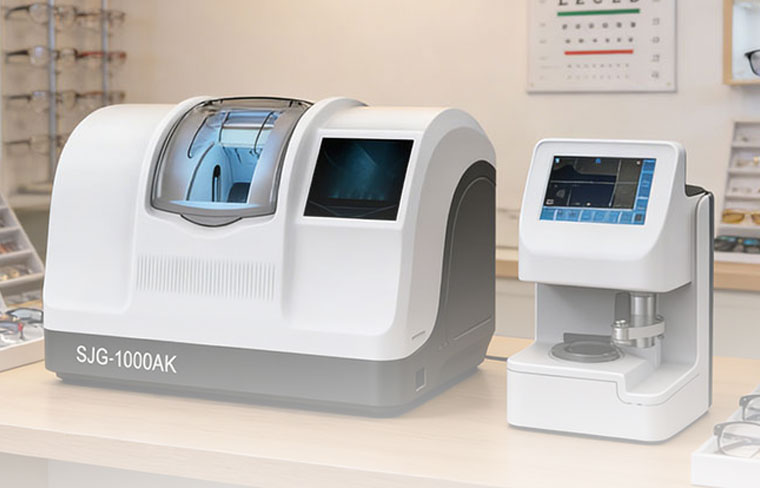
What are the features and limitations of Anti-Blue Light Lenses? Anti-blue light lenses are designed to filter part of t...
READ MORE

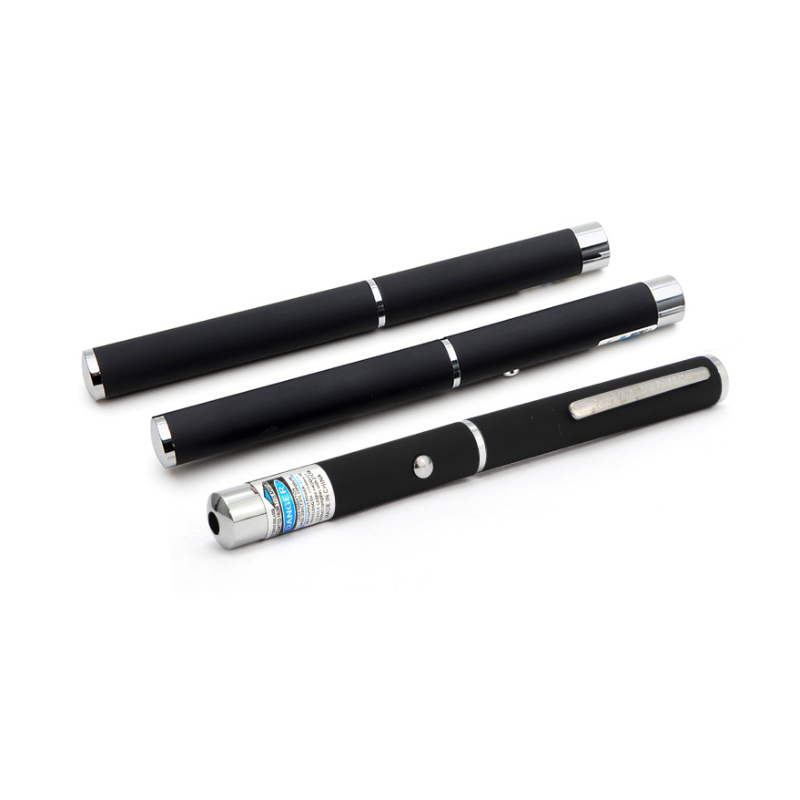 Anti Blue Light Pens for Lens Test
 Anti Fog Wet Lens Wipes Non-trace Quick Drying
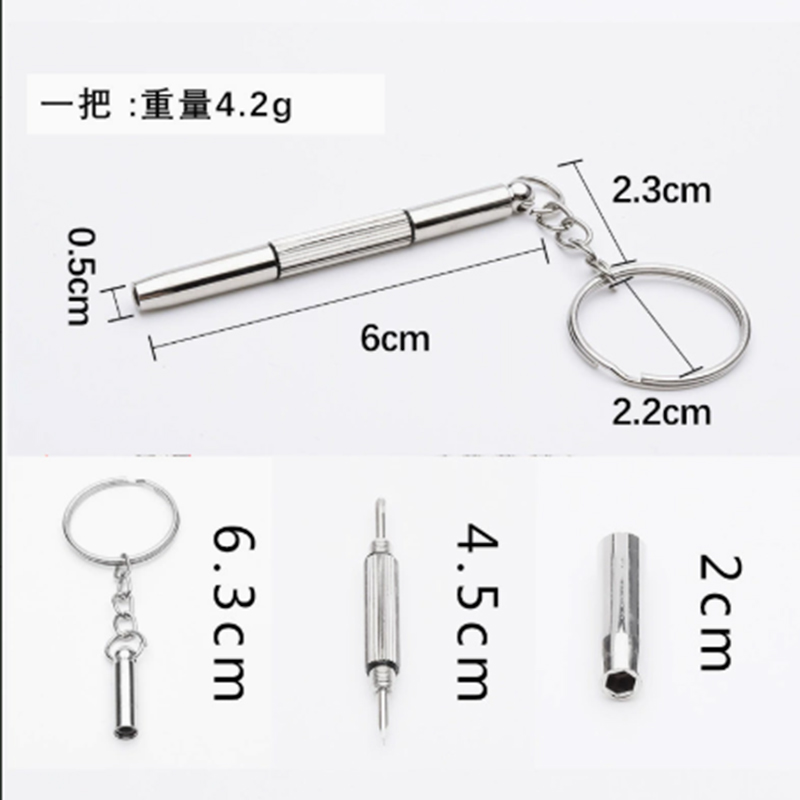 3 in 1 Precision Eyeglass Eyewear Repair Tool
Each accessory is carefully designed with quality, durability, and convenience in mind. Whether you need to maintain your glasses, protect your lenses, or enhance your daily eyewear experience, our range of accessories has you covered.

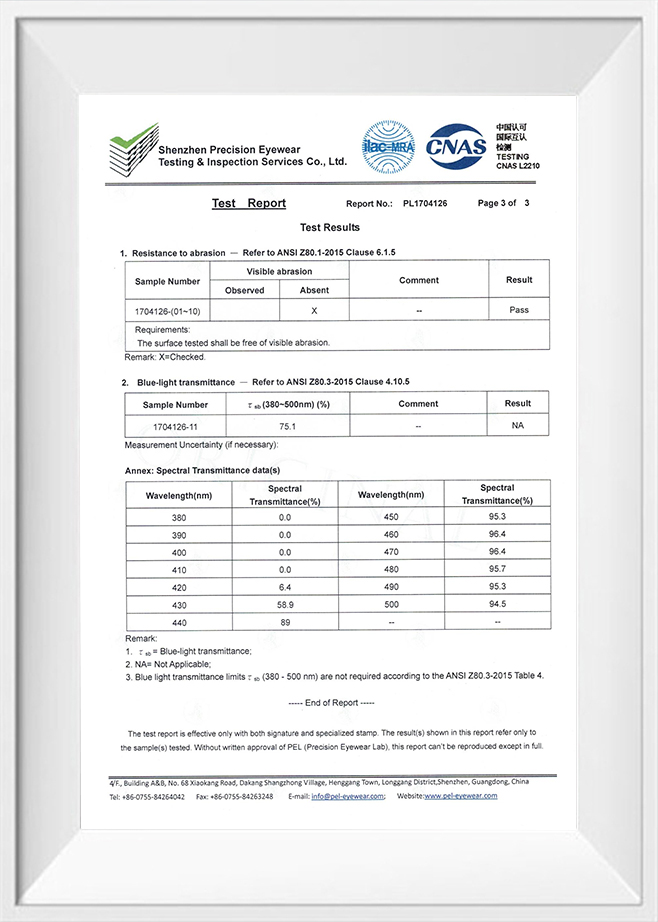
What are the features and limitations of Anti-Blue Light Lenses? Anti-blue light lenses are designed to filter part of t...
READ MOREWhy are Blue Cut With Photochromic Lenses so well-received? Blue cut with photochromic lenses combines two functional te...
READ MOREBlue light lenses are designed to reduce eye strain caused by exposure to digital screens, but how can you make sure you...
READ MOREPhotochromic lenses are typically made from high-quality plastic, polycarbonate, or glass with embedded photochromic mol...
READ MOREThe range of eyeglass accessories encompasses items designed for care, retention, fit modification, and display. Each category serves a distinct purpose in the ownership experience.
Cleaning and Maintenance Accessories
Microfiber cloths in various sizes for lens cleaning without scratching.
Spray bottles containing lens cleaning solutions, typically alcohol-free to preserve coatings.
Pre-moistened lens cleaning wipes for portable use.
Ultrasonic cleaning devices for home use, using sound waves to dislodge debris from frame crevices.
Air blowers for removing dust particles before wiping.
Retention and Security Accessories
Eyeglass retainers, also called straps or cords, attach to temple tips and rest behind the neck.
Decorative chains available in metal links, beads, or fabric materials.
Temple grips or hooks that secure glasses to clothing when not in use.
Adhesive nose pad grips that provide a temporary anti-slip surface.
Fit Modification Accessories
Silicone temple tips that slide over existing temple ends for cushioning.
Replacement nose pads in various sizes and materials.
Nose pad cushions that adhere to existing pads for additional comfort.
Adjustable cable temples that convert standard temples to wrap-around styles.
Storage and Organization Accessories
Rigid cases for impact protection during transport.
Soft pouches for scratch prevention within bags.
Multi-slot holders for storing several pairs.
Display stands for single pairs at bedside or desk.
Wall-mounted racks for multiple pairs.
Repair and Adjustment Accessories
Small screwdrivers with multiple head types for hinge tightening.
Assorted replacement screws in common sizes.
Nose pad replacement tools, including tweezers and small wrenches.
Magnifying devices for viewing small components during repair.
The accessories available for eyewear are functionally identical regardless of user gender, yet marketing and design variations create distinctions in how these products are presented and selected.
Design Language and Visual Presentation
Accessories marketed toward women frequently incorporate patterns, varied color palettes, and decorative elements. Printed fabrics, textured materials, and metallic accents in gold or rose gold appear in cases, chains, and retainers. Accessories marketed toward men tend toward neutral colors such as black, gray, navy, and brown. Materials like carbon fiber, matte metals, and leather in simpler constructions are common. These design differences reflect broader retail categorization rather than functional requirements.
Scale and Proportion Considerations
Chains and retainers for women may feature finer links or smaller decorative elements. Cases might be slightly more contoured, assuming smaller frame sizes commonly associated with women's styles. Accessories for men often use thicker cords, larger hardware, and more substantial case constructions. These proportional differences accommodate the range of frame sizes typically found in each market segment but are not absolute requirements.
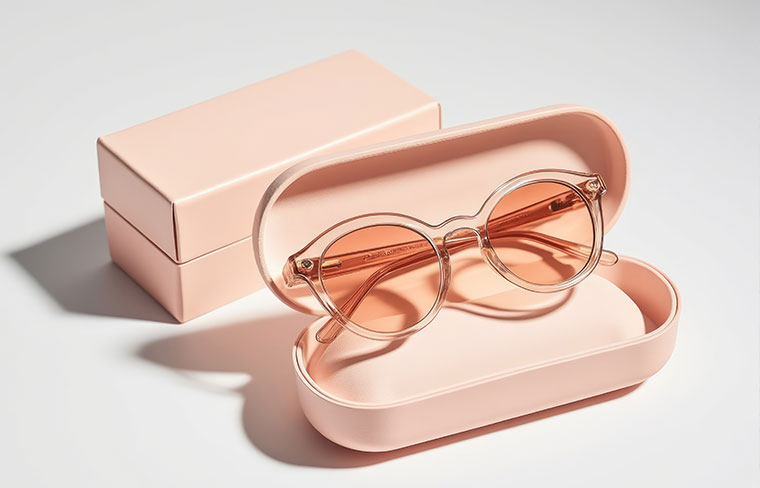
Eyeglass cases vary in construction, materials, and protection levels to suit different storage needs and transport conditions.
Eyeglass chains serve practical functions while also offering aesthetic possibilities. The primary benefit is security; glasses hung around the neck are less likely to be misplaced or dropped during removal. This is particularly useful when frequently taking glasses on and off, such as when transitioning between reading and conversation. Chains distribute the weight of the glasses across the neck and shoulders rather than concentrating pressure on the nose and ears during wear. For individuals who remove glasses briefly while keeping them accessible, chains eliminate the need to search for a storage surface or case. The accessory also allows glasses to be worn as a decorative element when not in use for vision.
Contact
Let’s Work Together
© Thinkey Optical Co.,Ltd.
Quick Links
Stay In Touch
Address:
611# Paimen Road DuQiao Town Linhai City Zhejiang China.
Phone:
0086-13788990737
Email:
Website

China Eyewear Accessories