
 English
OEM/ODM Glasses Cases & Cleaning Cloths
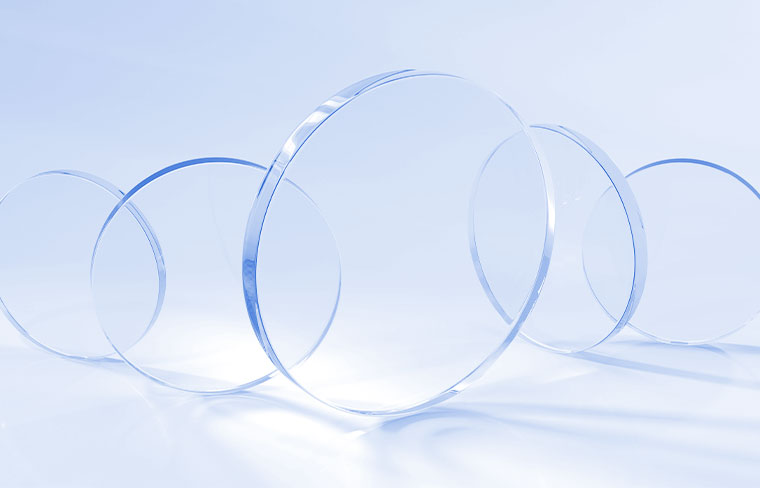

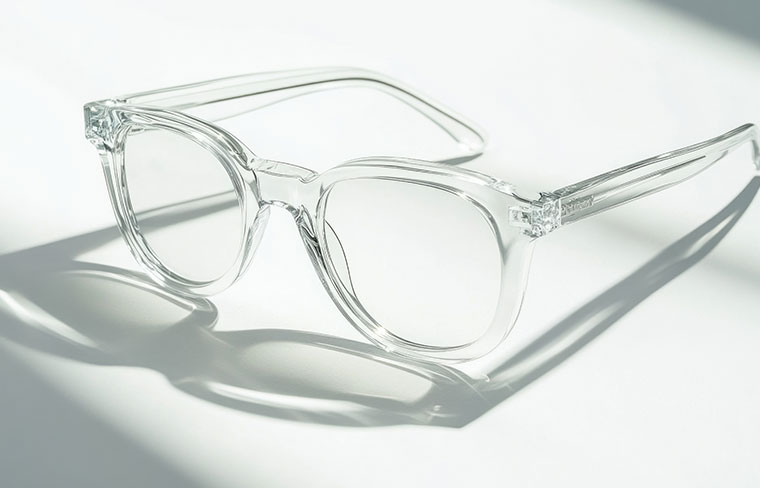

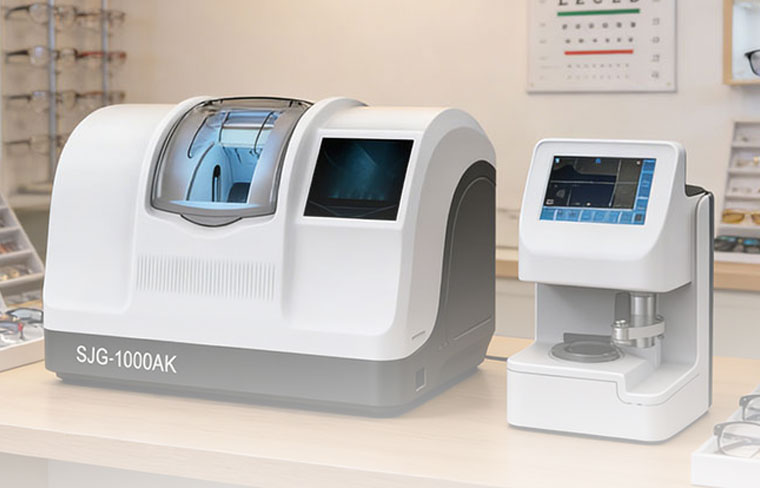
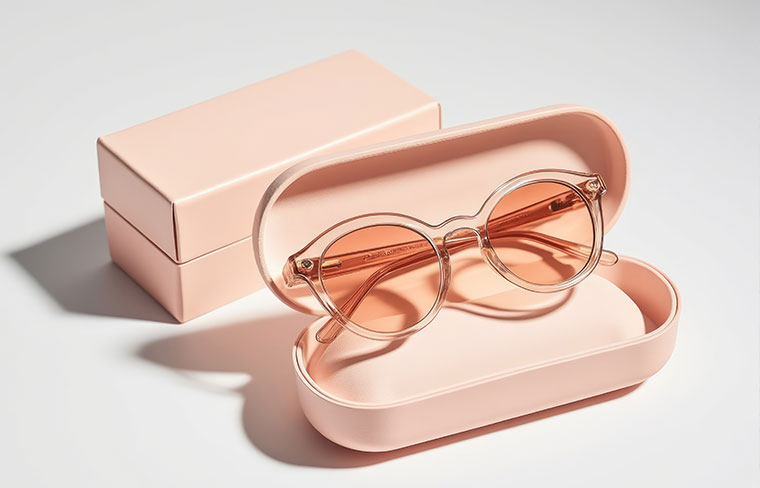
What are the features and limitations of Anti-Blue Light Lenses? Anti-blue light lenses are designed to filter part of t...
READ MORE

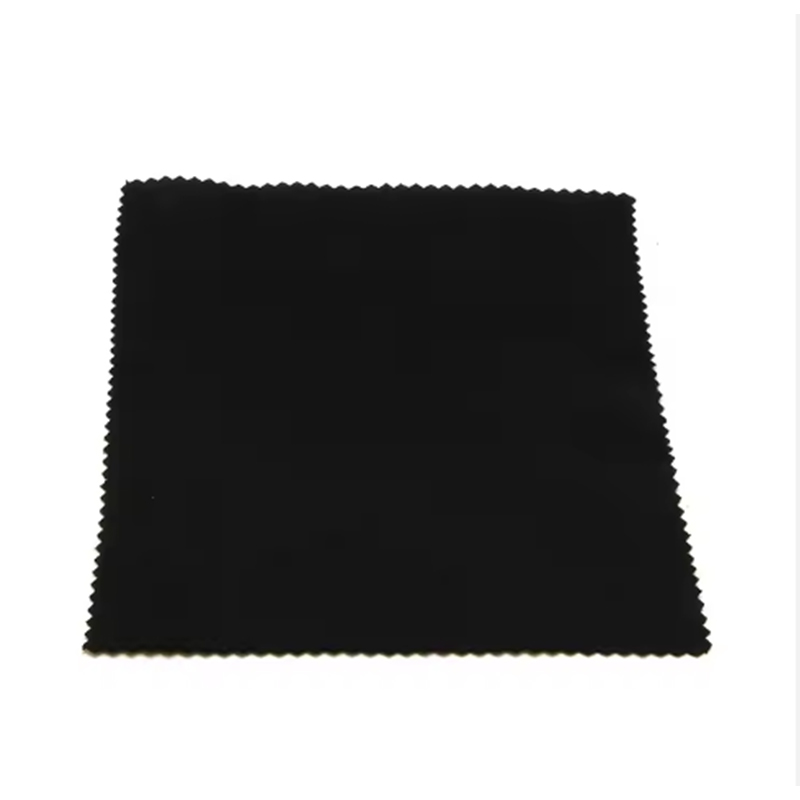 Microfiber Glasses Cleaning Cloth
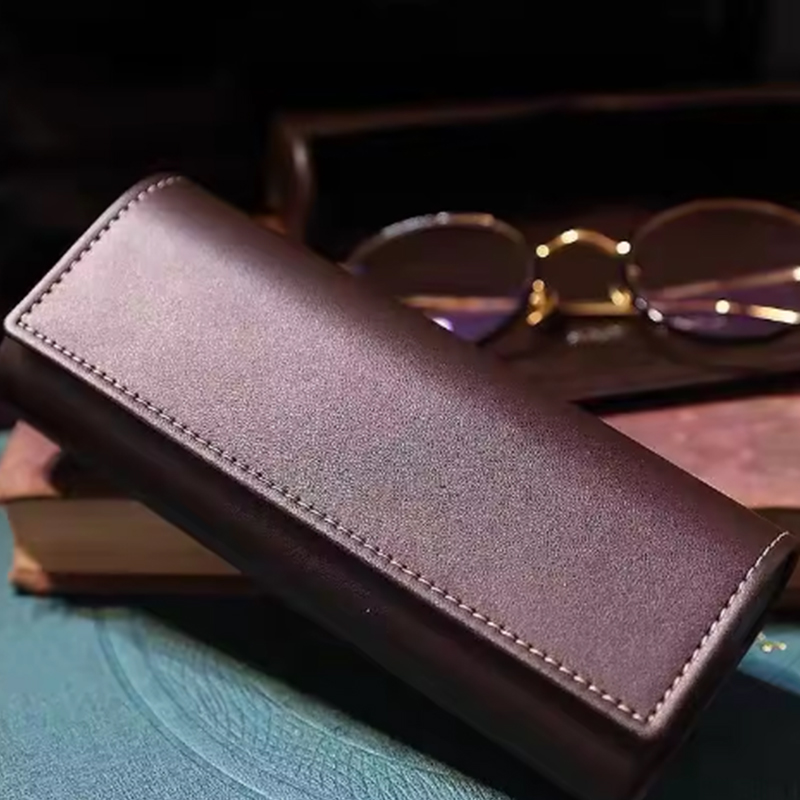 Leather Glasses Case with Magnetic Clasp
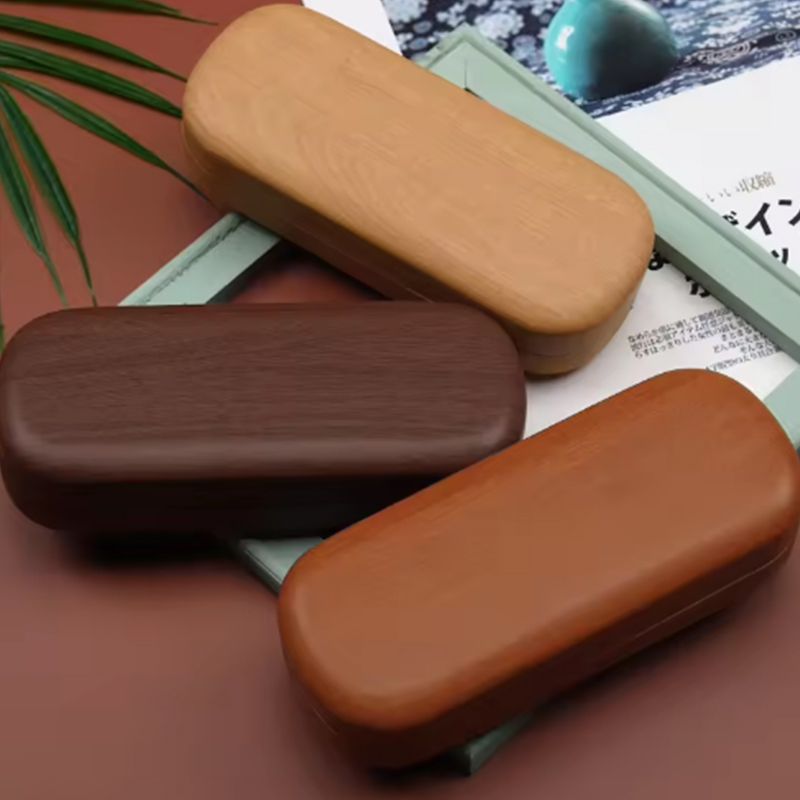 Glasses Storage Case Wood Box for Eyeglasses Optical Glasses
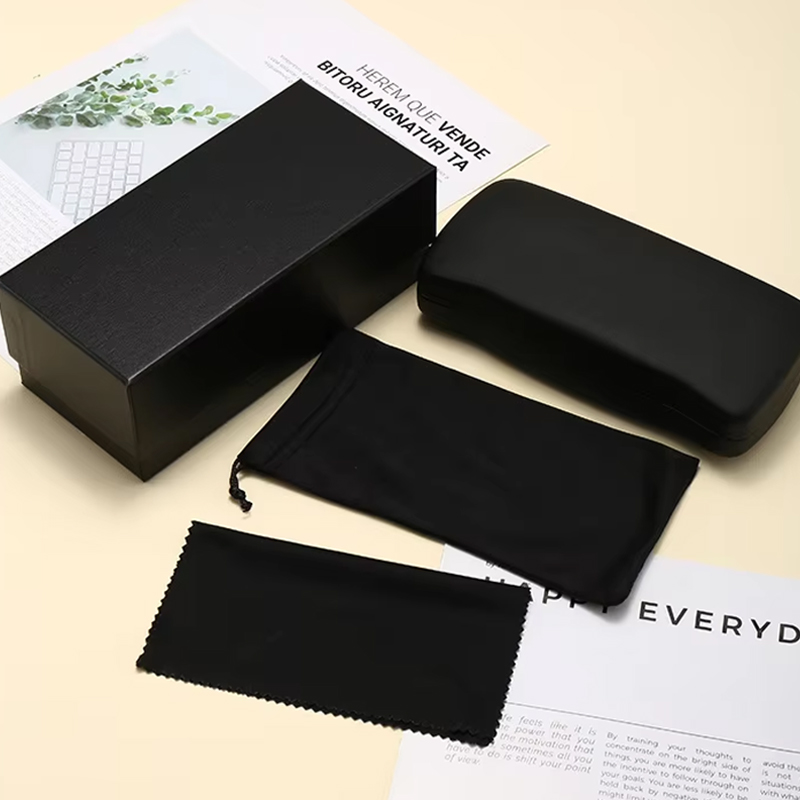 Sunglasses Case Set Leather Glasses Boxes Packaging Eyeglasses
Eyeglasses case: Pressure-resistant and scratch-proof protection compartment.
Eyeglasses cloth: Wrapping protection for the lens safety pad.
Used together: Double protection extends eyeglasses' lifespan

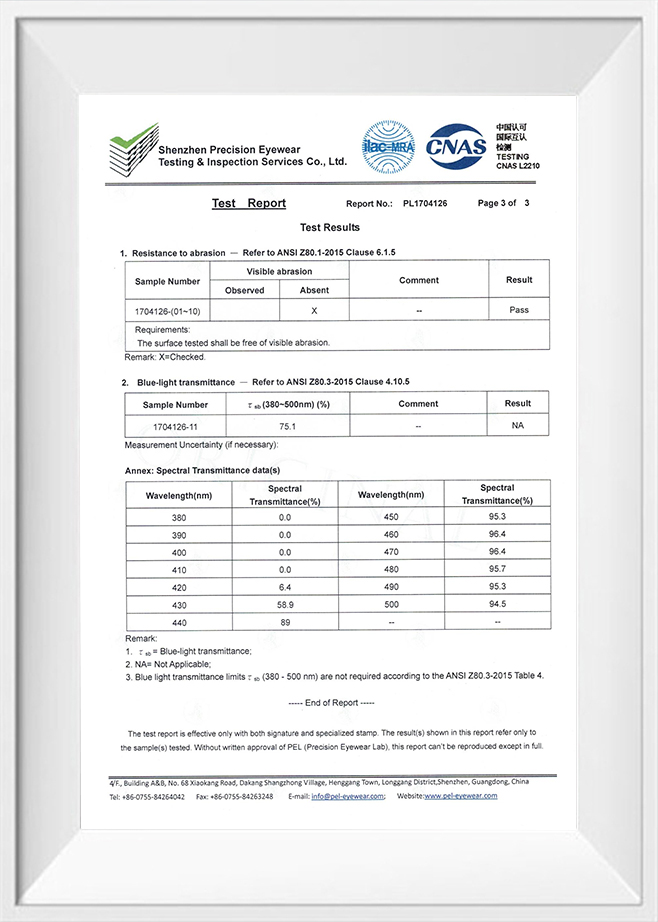
What are the features and limitations of Anti-Blue Light Lenses? Anti-blue light lenses are designed to filter part of t...
READ MOREWhy are Blue Cut With Photochromic Lenses so well-received? Blue cut with photochromic lenses combines two functional te...
READ MOREBlue light lenses are designed to reduce eye strain caused by exposure to digital screens, but how can you make sure you...
READ MOREPhotochromic lenses are typically made from high-quality plastic, polycarbonate, or glass with embedded photochromic mol...
READ MOREWhen it comes to caring for eyeglasses, the right glasses cases and cleaning cloths can extend the lifespan of your frames and lenses. There is a variety of options available, each serving different needs and preferences.
1. Types of Glasses Cases
2. Types of Cleaning Cloths
Glasses cloth pouches serve a dual purpose by offering a convenient carrying case and a cleaning tool for your lenses. They come in various materials and price points depending on the material used and the level of customization.
1. Materials Used in Glasses Cloth Pouches
Microfiber: Microfiber pouches are the common type and are valued for their softness and cleaning properties. Microfiber can gently clean lenses while protecting them from scratches. It is also easy to clean and maintain, making it a popular option for daily use.
Cotton: Cotton pouches are a softer, more natural alternative to microfiber. They are comfortable to the touch and provide protection, but they are not as effective at cleaning lenses as microfiber. Cotton pouches are often used for more casual or fashion-forward purposes.
Polyester: Polyester cloth pouches are durable and affordable. While not as soft as microfiber, they can still provide basic protection for eyeglasses and are available in a wide range of colors and designs. Polyester pouches are often machine washable and come in bulk packs, making them a budget-friendly option.
2. Prices of Glasses Cloth Pouches
Microfiber Pouches: Typically priced between $1 and $5 per pouch, microfiber cloth pouches offer an affordable solution for daily use. Bulk purchasing can reduce the price per unit, making them highly cost-effective.
Cotton Pouches: Cotton cloth pouches usually range from $2 to $8, depending on factors such as size and design. Basic cotton pouches are affordable, while premium options with intricate designs can be more expensive.
Velvet or Suede Pouches: Velvet or suede pouches tend to be expensive, ranging from $5 to $15 per pouch. The cost is influenced by the material quality, design, and brand.
Eyeglass cases and cleaning cloths are essential accessories for anyone who wears glasses regularly. They provide protection, convenience, and cleanliness, all of which contribute to the longevity of the eyewear. Below are the reasons why these items are necessary:
1. Protection for Lenses and Frames
Prevents Scratches: Eyeglass cases protect lenses from scratches, which can degrade optical clarity over time. Storing glasses in a case when not in use is a simple way to prevent damage from dust, dirt, and other abrasive materials.
Avoids Bending or Warping: Frames, especially those made from lightweight materials like plastic or metal, can bend or warp if mishandled. A sturdy case helps maintain the shape and alignment of both frames and lenses.
Safeguards Against Breakage: Accidental drops can cause glasses to crack or shatter. Using a hard case significantly reduces the risk of breakage, particularly when transporting glasses in bags or pockets.
2. Cleaning and Maintaining Lenses
Removes Dirt and Smudges: Cleaning cloths, especially microfiber ones, are designed to remove dirt, oil, and smudges without leaving streaks or scratches. Regular cleaning helps maintain the optical performance of the lenses.
Prevents Lens Coating Damage: Lenses with special coatings, such as anti-reflective or UV-protective coatings, can be damaged by improper cleaning. Microfiber cloths are gentle and effective at cleaning lenses without harming the coatings.
Contact
Let’s Work Together
© Thinkey Optical Co.,Ltd.
Quick Links
Stay In Touch
Address:
611# Paimen Road DuQiao Town Linhai City Zhejiang China.
Phone:
0086-13788990737
Email:
Website

China Glasses Cases & Cleaning Cloths