
 English
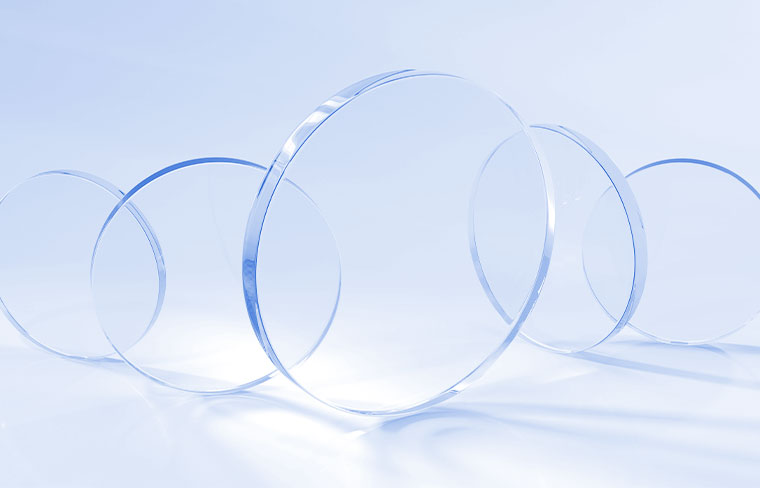

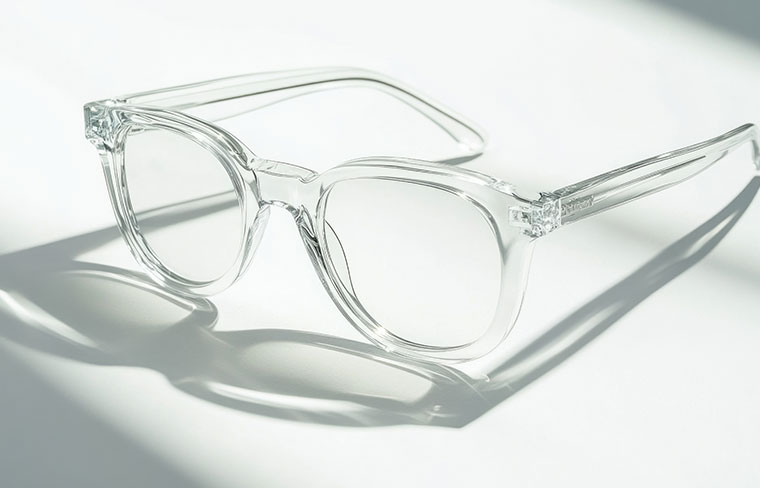
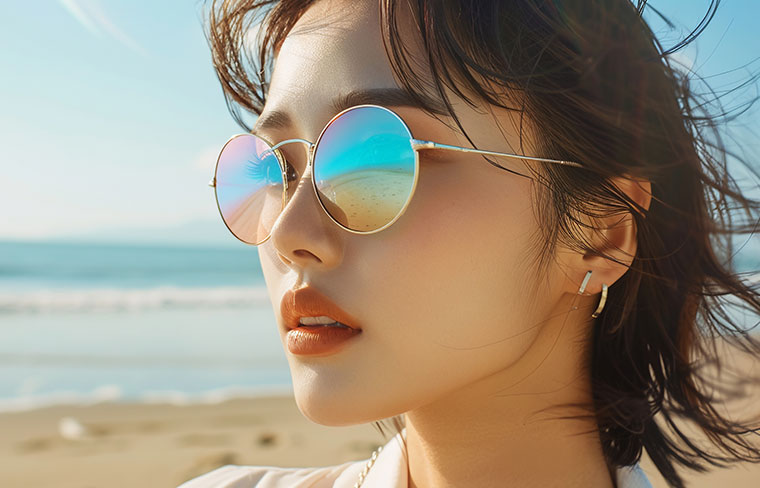
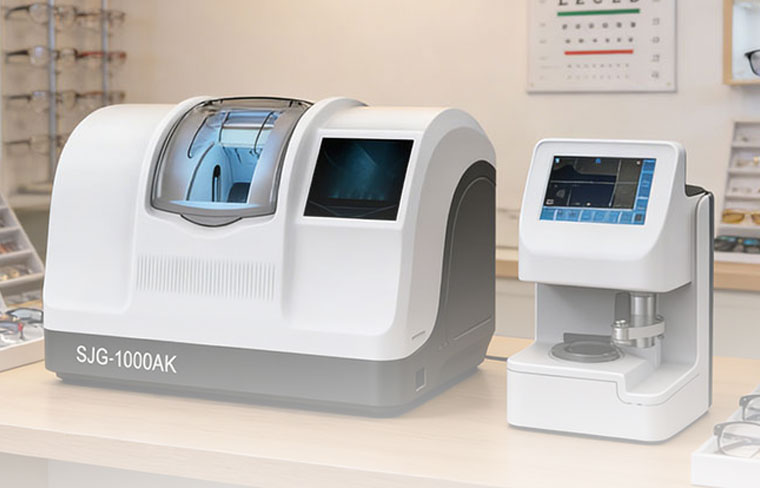
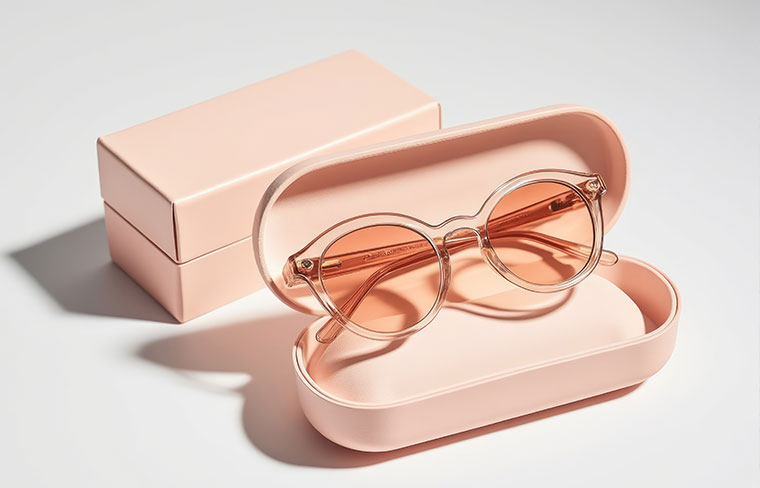
What are the features and limitations of Anti-Blue Light Lenses? Anti-blue light lenses are designed to filter part of t...
READ MORE

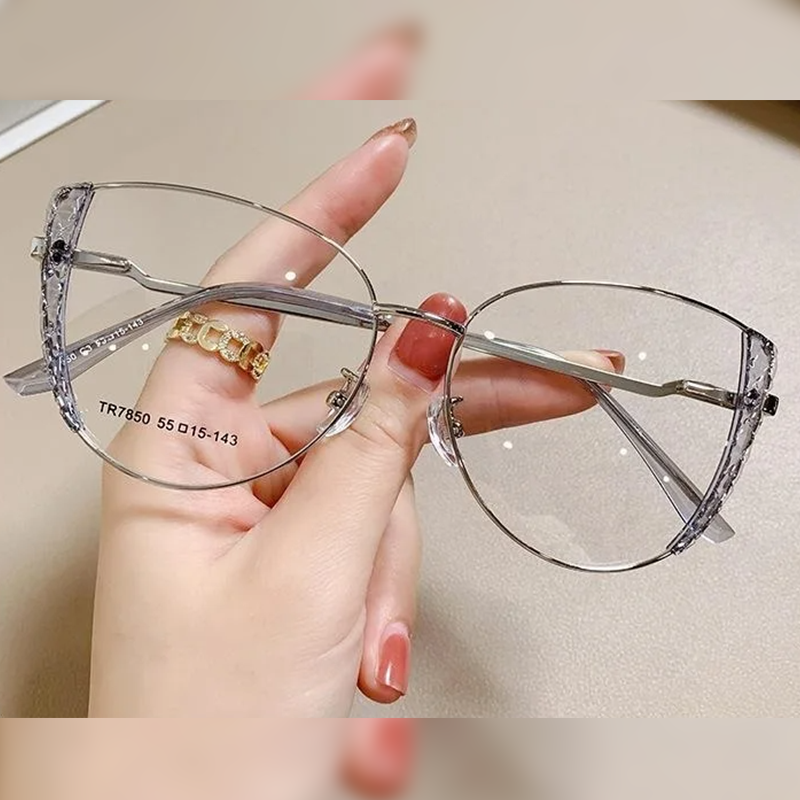 Cat EyeTR90 Eyeglasses Frame Spring Hinges
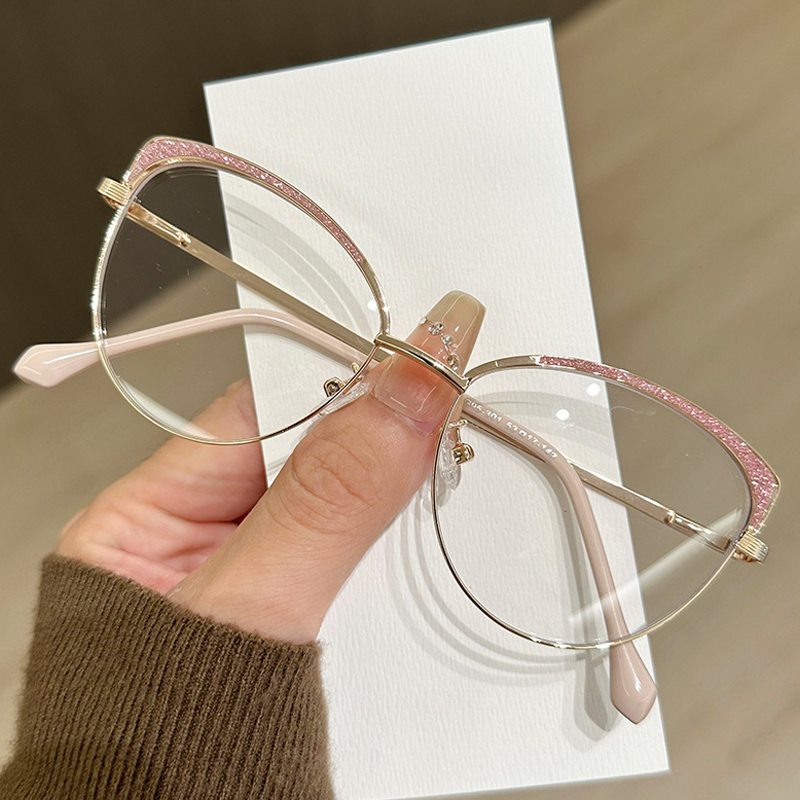 Metal Optical Spectacle Cat Eye Eyeglass
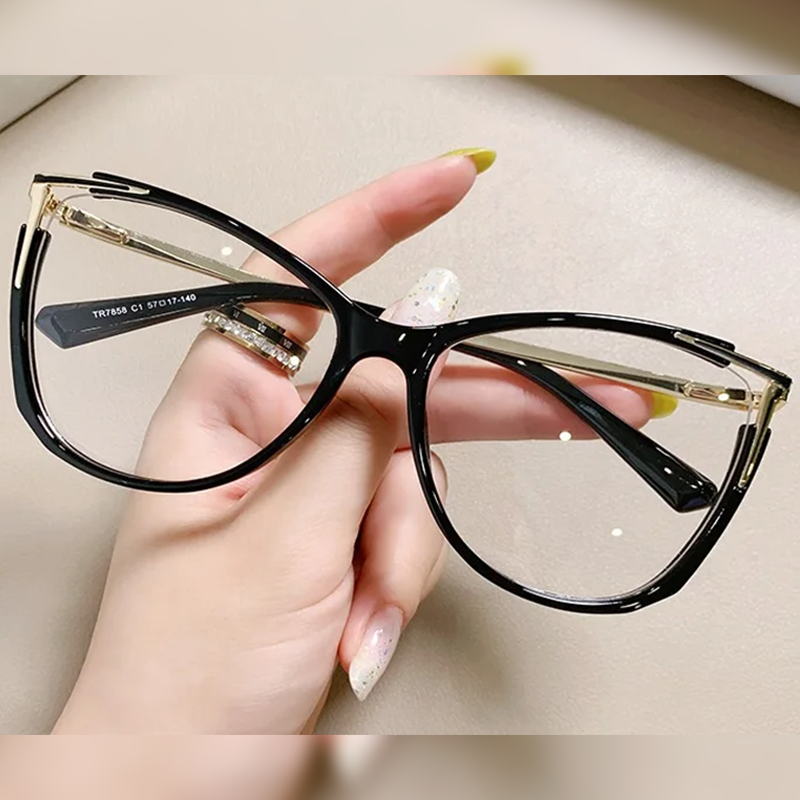 TR90 Cat Eye Optical Glasses Eyewear for Ladies
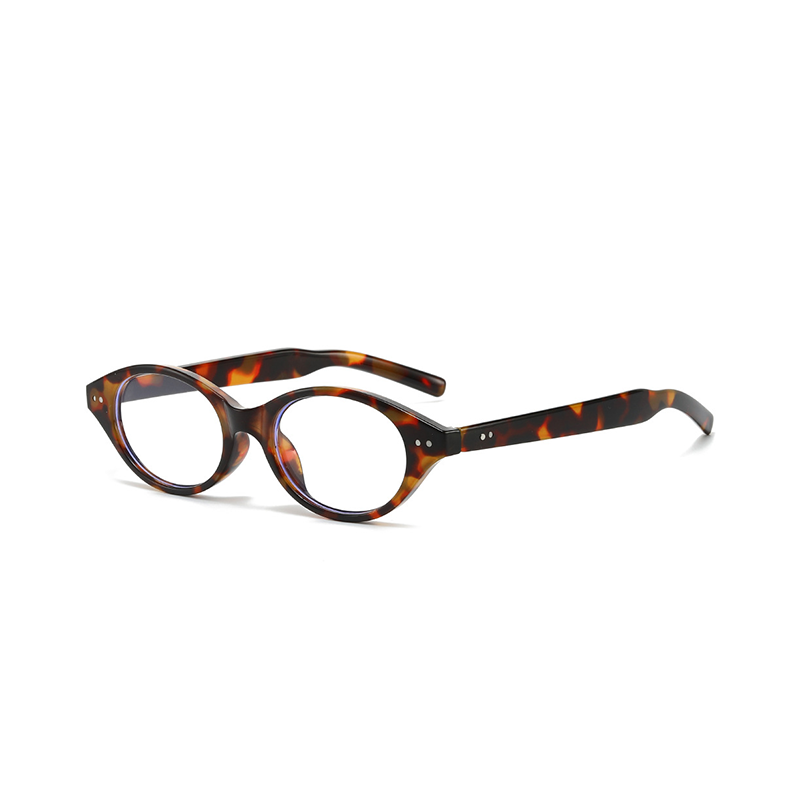 Small Frame Oval Optical Frame for Men and Women
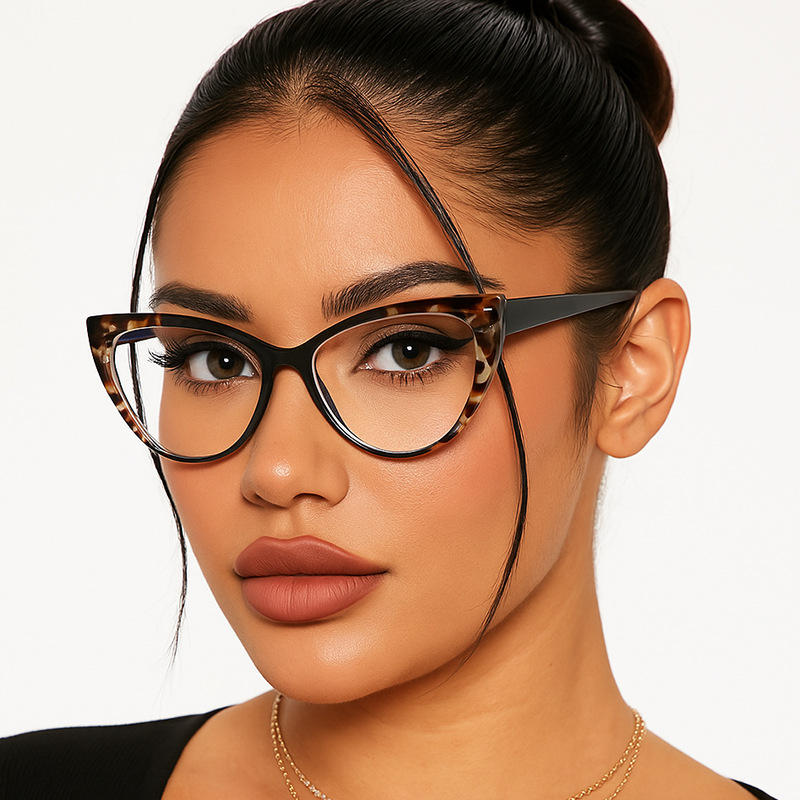 Cat-Eye Glasses Women's Blue Light Blocking Optical Frames
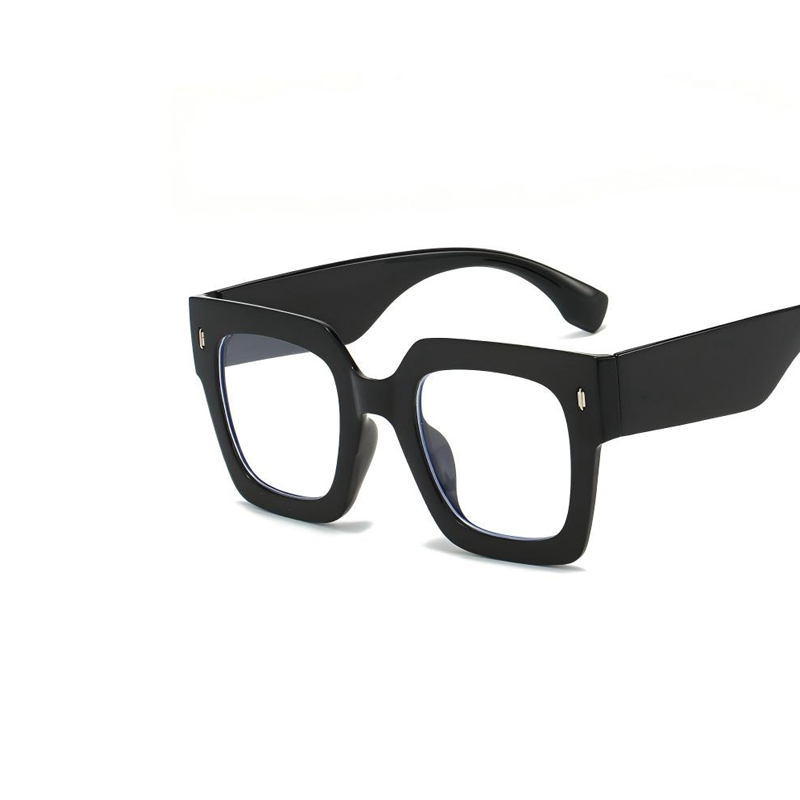 Big Square Vintage Anti-blue Light Unisex Glasses Frame
Optical frames play an important role in both visual comfort and personal style, serving as the structural foundation of prescription eyewear. Our optical frames are designed to balance durability, flexibility, and everyday usability for a wide range of lens types.
Manufactured using carefully selected materials, the frames offer stable support while maintaining a comfortable fit on different face shapes. Attention is given to details such as hinge strength, nose pad positioning, and overall weight distribution, helping reduce pressure during long-term wear.
A variety of shapes and finishes are available, allowing optical professionals to match frames with different lenses and consumer preferences. The frame designs are suitable for daily wear, office environments, and casual use, combining functionality with clean aesthetics.

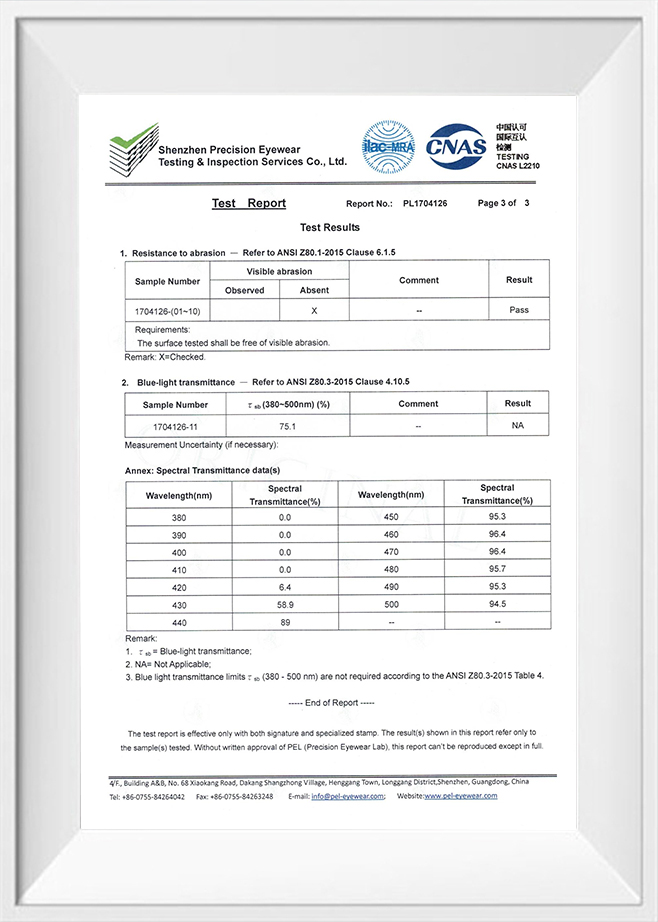
What are the features and limitations of Anti-Blue Light Lenses? Anti-blue light lenses are designed to filter part of t...
READ MOREWhy are Blue Cut With Photochromic Lenses so well-received? Blue cut with photochromic lenses combines two functional te...
READ MOREBlue light lenses are designed to reduce eye strain caused by exposure to digital screens, but how can you make sure you...
READ MOREPhotochromic lenses are typically made from high-quality plastic, polycarbonate, or glass with embedded photochromic mol...
READ MOREPrescription eyeglasses are optical devices designed to correct vision problems such as nearsightedness, farsightedness, astigmatism, or presbyopia. The prescription lenses are produced according to measurements determined by an eye examination. These lenses are mounted within frames that hold them in position in front of the eyes.
Prescription eyeglasses generally consist of two main components: the lenses and the frames. The lenses are manufactured using materials such as plastic, polycarbonate, or high-index resins. Each material offers specific characteristics, including weight differences, impact resistance, and optical clarity. The lenses may also include coatings such as anti-reflective layers, scratch-resistant surfaces, or blue light filtering treatments.
The frames play a structural role by securing the lenses and maintaining their alignment with the wearer's eyes. Frames are produced using materials such as metal alloys, stainless steel, acetate, or lightweight plastic composites. Each material influences the weight, flexibility, and durability of the glasses.
A typical frame includes several components: the bridge, which rests on the nose; the temples, which extend over the ears; and the rims, which surround the lenses. Some frames include adjustable nose pads to improve comfort and positioning. Hinges connect the temples to the front of the frame and allow the glasses to fold when not in use.
Prescription eyeglasses are available in a wide range of shapes and sizes to accommodate different facial structures and lens types. Frame design must also consider optical requirements, as the position of the lenses affects how accurately the prescription functions.
One common issue associated with optical frames involves maintaining a proper balance between durability, comfort, and structural stability. Frames must hold the lenses securely while also remaining comfortable for extended wear. Achieving this balance can be challenging because various materials and structural elements influence how the frames perform over time.
Frame deformation is one problem that can occur with frequent use. Repeated opening and closing of the temples places stress on the hinges, which may gradually loosen. When this happens, the glasses may no longer sit evenly on the face. Misalignment can affect both comfort and visual accuracy because the lenses may shift away from their intended optical position.
Another issue relates to material fatigue. Some lightweight materials may bend when subjected to pressure, such as when the glasses are placed in a bag without protection. Although flexible frames can tolerate minor bending, repeated stress may eventually alter their shape. This can cause uneven pressure on the nose or ears.
Fit and ergonomic compatibility also present challenges. Faces vary widely in width, nose shape, and ear position. A frame that fits one person comfortably may feel unstable or tight for another wearer. Manufacturers address this issue by offering adjustable components such as flexible nose pads or spring hinges, but achieving universal fit remains difficult.
Lens thickness can also influence frame performance. Higher prescription lenses may be thicker and heavier, which increases the load placed on the frame. If the frame structure is not sufficiently strong, the added weight can contribute to distortion or imbalance.
Regular maintenance helps reduce these issues. Adjustments by optical professionals, careful storage, and periodic inspection of screws and hinges can help keep optical frames functioning properly. While frame problems are not uncommon, appropriate design and maintenance practices can reduce their impact.
Luxury women's glasses and optical frames often emphasize both craftsmanship and visual design. The development of these frames involves combining functional requirements with aesthetic elements that reflect fashion trends, materials, and manufacturing techniques.
One design method focuses on material selection. Luxury frames frequently incorporate materials such as acetate, stainless steel, titanium alloys, or decorative composites. These materials allow designers to create frames with distinctive textures, surface finishes, or color combinations. Acetate frames, for example, can be produced in layered color patterns that create visual depth.
Another design approach involves detailed frame shaping. Designers may experiment with lens shapes such as cat-eye, oval, square, or geometric styles. These shapes are often selected to complement facial contours while also expressing a particular fashion style. Subtle curves, bevel edges, or sculpted frame fronts can give the glasses a distinctive appearance without changing their optical function.
Surface decoration is also a common method used in luxury eyewear. Frames may include engraved metal patterns, enamel coatings, or embedded decorative elements. Some designs incorporate small metal accents near the hinges or temples, adding visual detail while maintaining structural integrity.
Color coordination plays an important role as well. Luxury women's glasses often use coordinated color palettes between the frame front, temples, and decorative elements. Transparent acetate layers, gradient tones, and polished metal finishes can be combined to create visually balanced designs.
Ergonomic design remains an important technical consideration. Even in fashion-oriented frames, the placement of hinges, nose pads, and temple curvature must support comfortable wear. Designers typically test prototypes to ensure that the glasses maintain proper alignment and weight distribution.
Contact
Let’s Work Together
© Thinkey Optical Co.,Ltd.
Quick Links
Stay In Touch
Address:
611# Paimen Road DuQiao Town Linhai City Zhejiang China.
Phone:
0086-13788990737
Email:
Website

China Optical Frames