
 English
OEM/ODM Metal Optical Frames



What are the features and limitations of Anti-Blue Light Lenses? Anti-blue light lenses are designed to filter part of t...
READ MORE

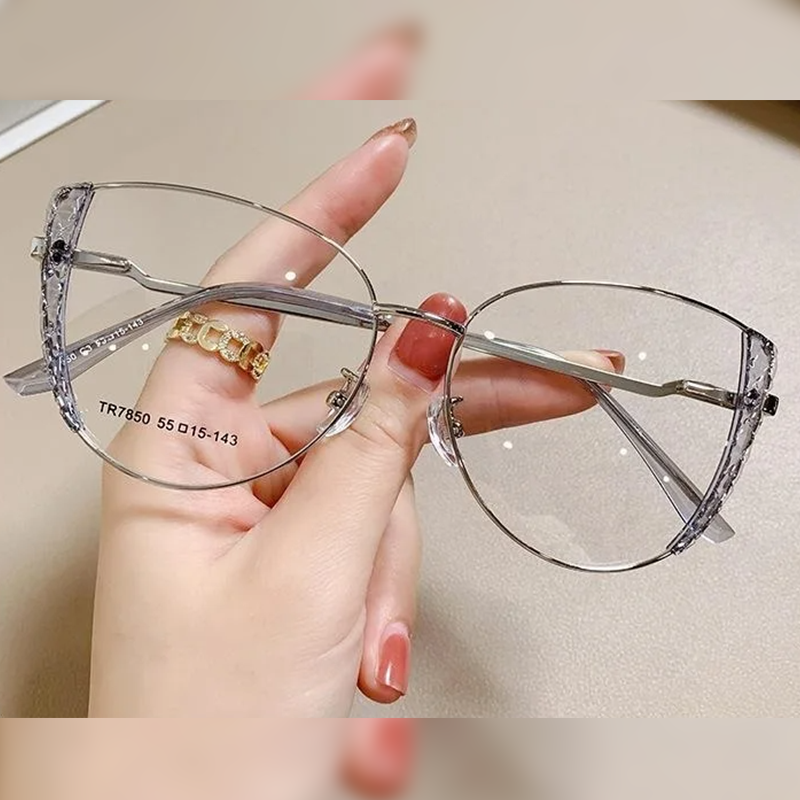
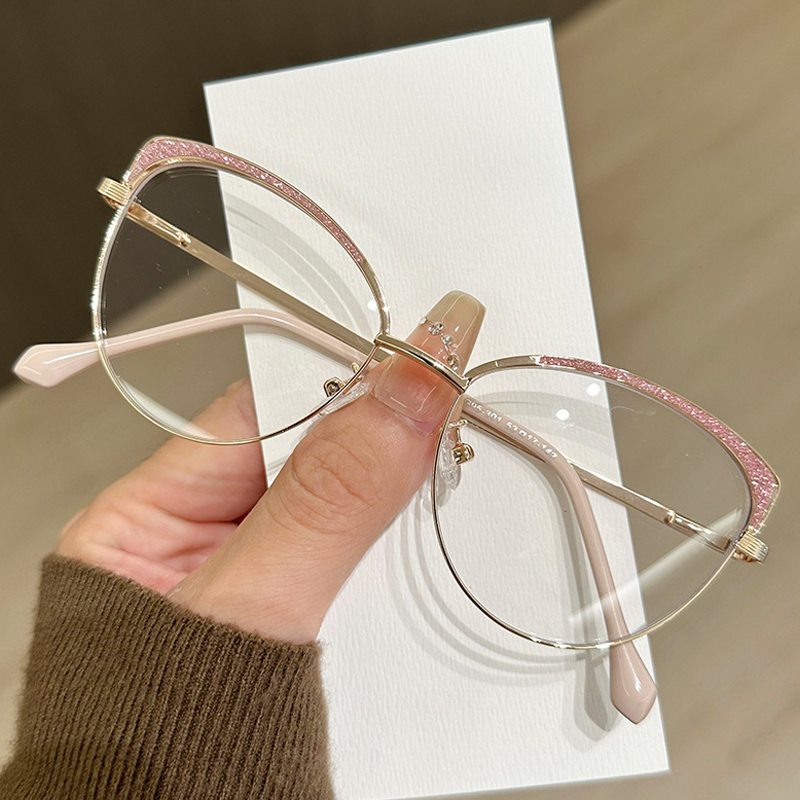
Made of metal material, with delicate luster and high-grade texture, suitable for all frame shapes to show elegance. Sturdy structure, not easy to deform, lightweight thin frame design without nose pressure, comfortable for long wear. Abrasion-resistant and oxidation-resistant, compatible with myopia, blue light-blocking, and other lenses, unisex

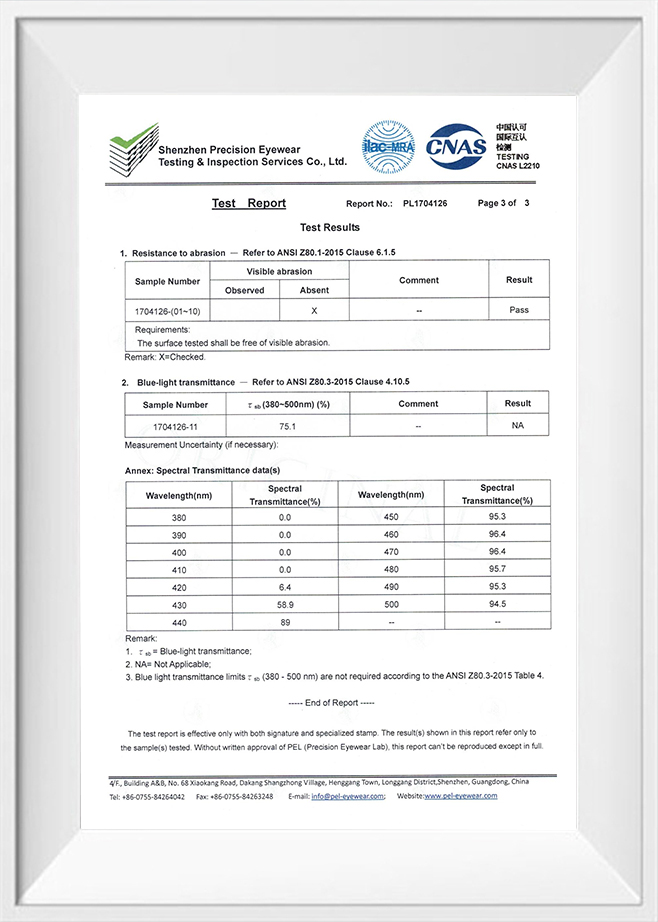
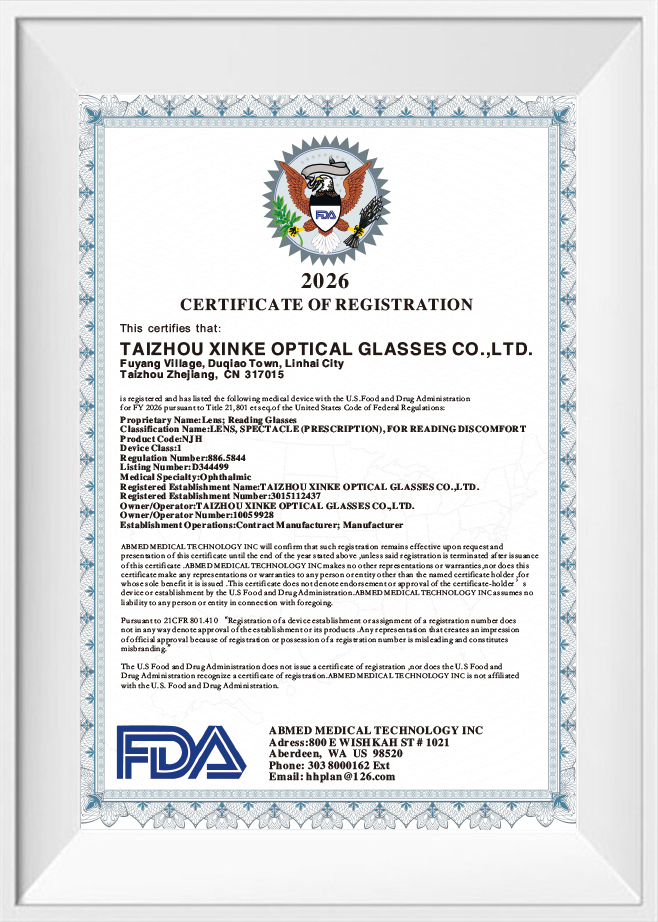
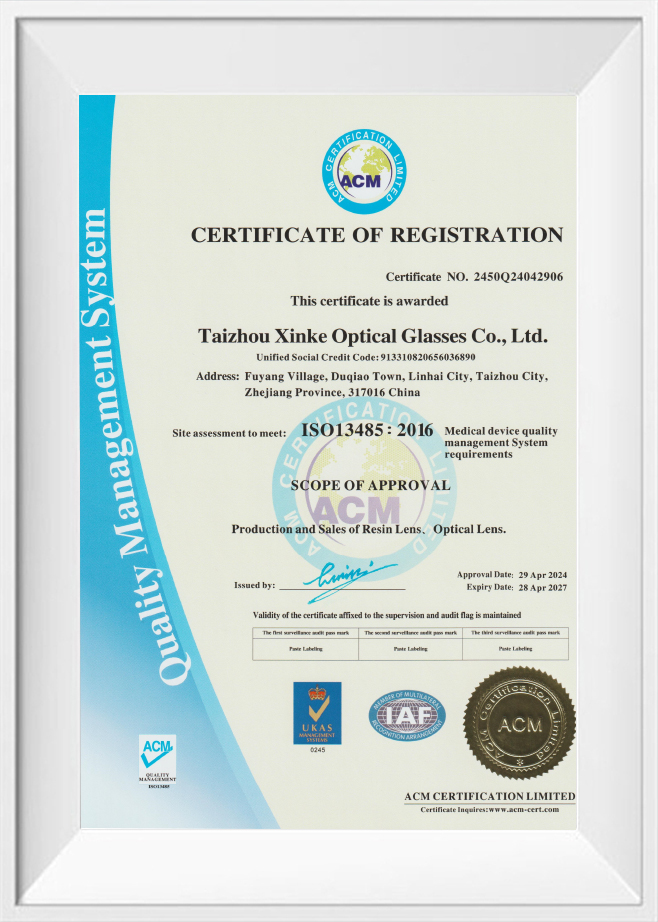
What are the features and limitations of Anti-Blue Light Lenses? Anti-blue light lenses are designed to filter part of t...
READ MOREWhy are Blue Cut With Photochromic Lenses so well-received? Blue cut with photochromic lenses combines two functional te...
READ MOREBlue light lenses are designed to reduce eye strain caused by exposure to digital screens, but how can you make sure you...
READ MOREPhotochromic lenses are typically made from high-quality plastic, polycarbonate, or glass with embedded photochromic mol...
READ MOREThe performance of metal frames is largely determined by the alloys from which they are made. Different metals offer varying combinations of strength, weight, corrosion resistance, and flexibility.
Stainless Steel
Titanium and Titanium Alloys
Monel
Beryllium Copper
Aluminum
Metal Sunglasses & Glasses Frames
Metal frames for both prescription glasses and sunglasses share common characteristics but also present specific considerations depending on their intended use.
Metal frames typically use adjustable nose pads, allowing for customized fit at the bridge. The temples often incorporate spring hinges or flexible mechanisms. The thinner profile of metal can create a less conspicuous appearance on the face compared to broader plastic styles.
Are metal frames durable for daily use?
Durability depends on the specific metal and construction quality. Titanium and stainless steel resist corrosion and maintain their shape well. Frames with reinforced hinges and welded joints tend to withstand regular opening and closing. Softer metals may bend more easily under stress.
Do metal frames cause allergic reactions?
Some individuals react to nickel content in certain alloys. Frames made from titanium, stainless steel, or those with complete coating coverage typically minimize this risk. Manufacturers may apply clear barriers over skin-contact areas to reduce exposure.
How are metal frames adjusted?
Opticians use specialized tools to bend the temples and adjust nose pads. Titanium frames require specific techniques due to their spring properties. Softer metals can be adjusted more easily but may not hold adjustments as firmly under stress.
Can metal frames be repaired?
Minor adjustments are routine. Broken solder joints can sometimes be repaired by skilled technicians, though the frame's finish may be affected. Lost screws can be replaced from repair kits. Significant structural damage often requires frame replacement.
Regular cleaning with mild soap and water removes skin oils and debris. Drying with a soft cloth prevents water spots. Coated frames benefit from gentle handling to preserve the surface finish over time.
Do metal frames work with all prescription types?
Metal frames accommodate prescriptions. Heavier prescriptions may require thicker lens edges, which can be more visible in thinner metal frames. Rimless and semi-rimless metal styles expose the lens edge completely, making lens thickness a cosmetic consideration.
Metal Frame Prescription Eyeglasses
Selecting metal frames for prescription eyewear involves considerations that extend beyond material choice to include fitting, lens mounting, and long-term wear characteristics.
Bridge fit and nose pad adjustability: Metal frames typically feature adjustable silicone or plastic nose pads. These can be moved closer together or farther apart to accommodate different nose shapes. The pads themselves can be replaced if they become hard or discolored over time. Proper bridge fit distributes the weight of the lenses and prevents slipping.
Temple style and endpiece design: Temple options include skull temples that follow the contour of the ear and cable temples that curve completely around the ear for security. The endpiece connects the temple to the frame front; reinforced endpieces with extra metal thickness at solder points tend to maintain alignment longer.
Hinge mechanisms: Standard hinges allow basic opening and closing. Spring hinges incorporate a mechanism that allows the temples to flex outward beyond their normal position, reducing stress on the frame during handling. Both types are available across metal frame price ranges.
Lens mounting options: Full-rim metal frames encircle the lens completely, offering protection for the lens edge. Semi-rimless styles use a nylon cord to hold the lower portion of the lens, requiring a groove cut into the lens edge. Rimless designs mount lenses directly to the bridge and temples with screws through the lens material.
Contact
Let’s Work Together
© Thinkey Optical Co.,Ltd.
Quick Links
Stay In Touch
Address:
611# Paimen Road DuQiao Town Linhai City Zhejiang China.
Phone:
0086-13788990737
Email:
Website

China Metal Optical Frames