
 English
Progressive Glasses Design



What are the features and limitations of Anti-Blue Light Lenses? Anti-blue light lenses are designed to filter part of t...
READ MORE
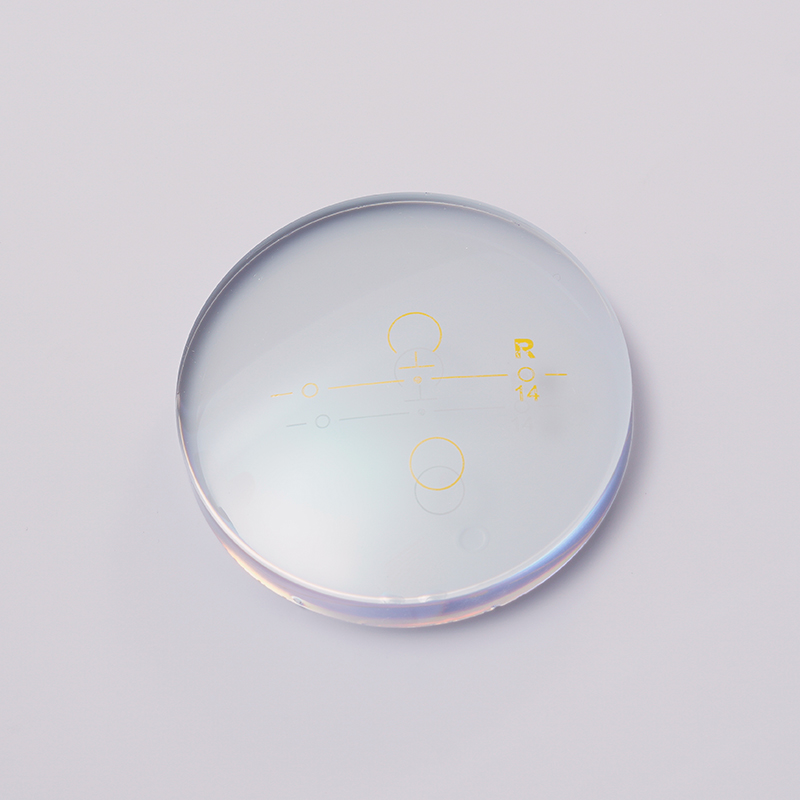 SF 1.56,1.591PC Blue Cut UV420 Progressive UC,HC,HMC,SHMC
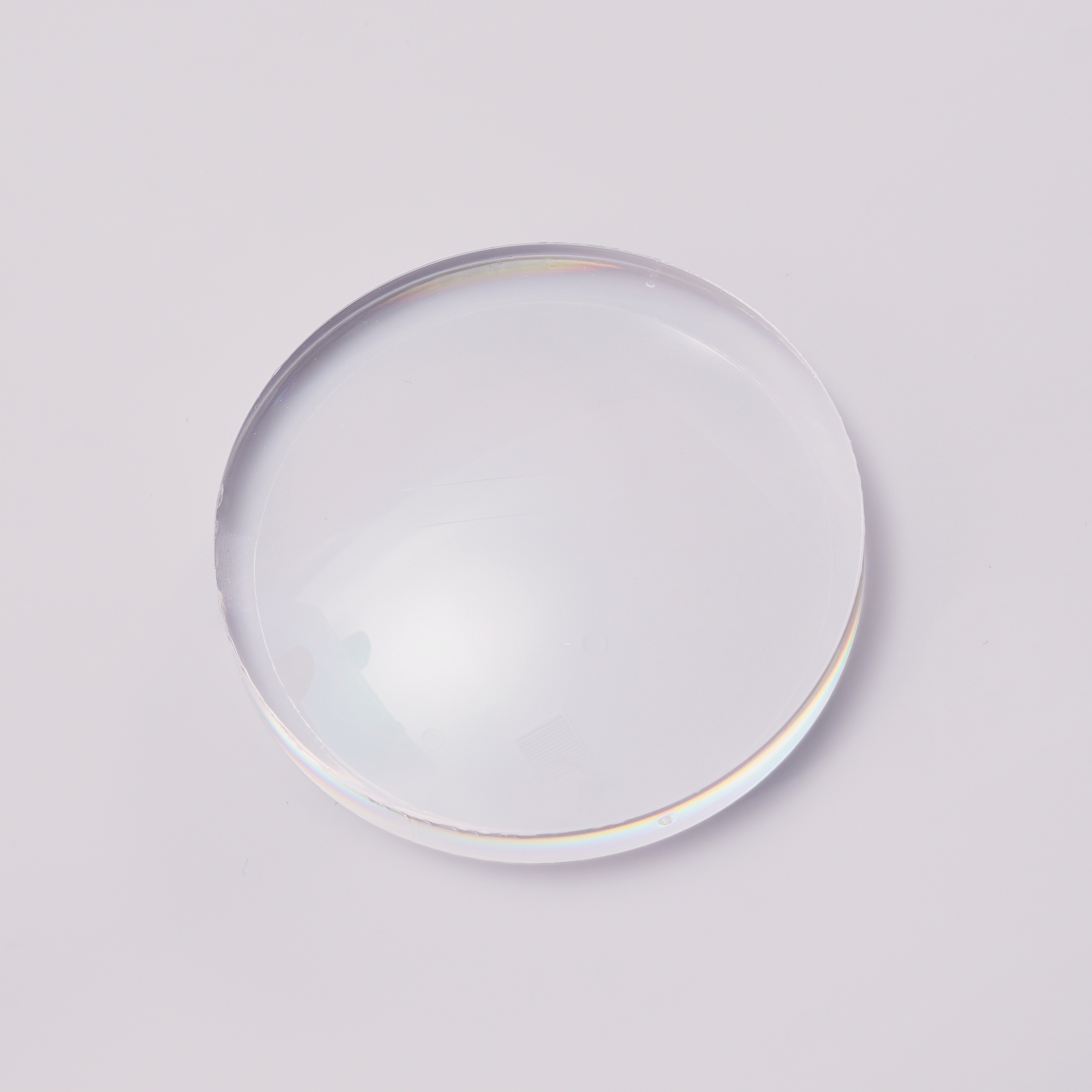 SF 1.56,1.591PC Round Top,Flat Top,Invisible Bifocal UC,HC,HMC,SHMC
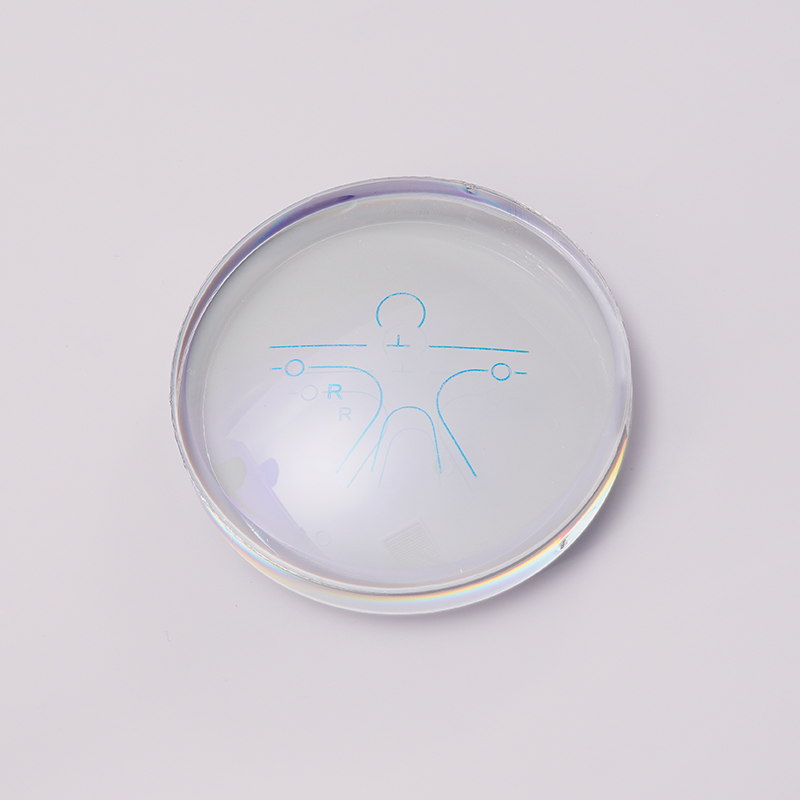 SF 1.56,T6 1.56,1.591PC Photo Grey,Brown Blue Cut UV420 Progressive UC,HC,HMC,SHMC
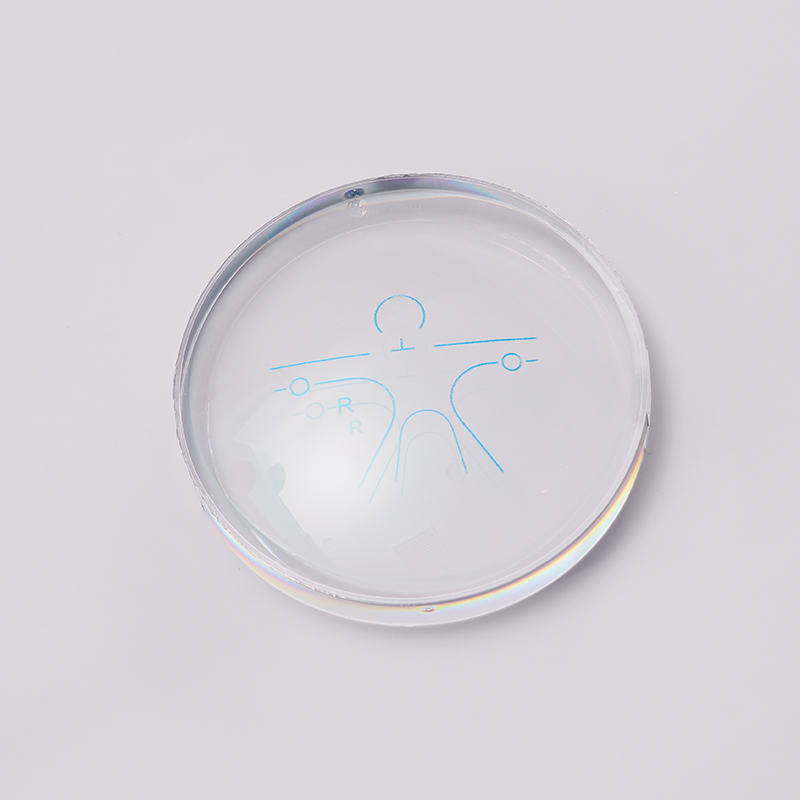 SF 1.56,T6 1.56,1.591PC Photo Grey,Brown Lens Progressive UC,HC,HMC,SHMC
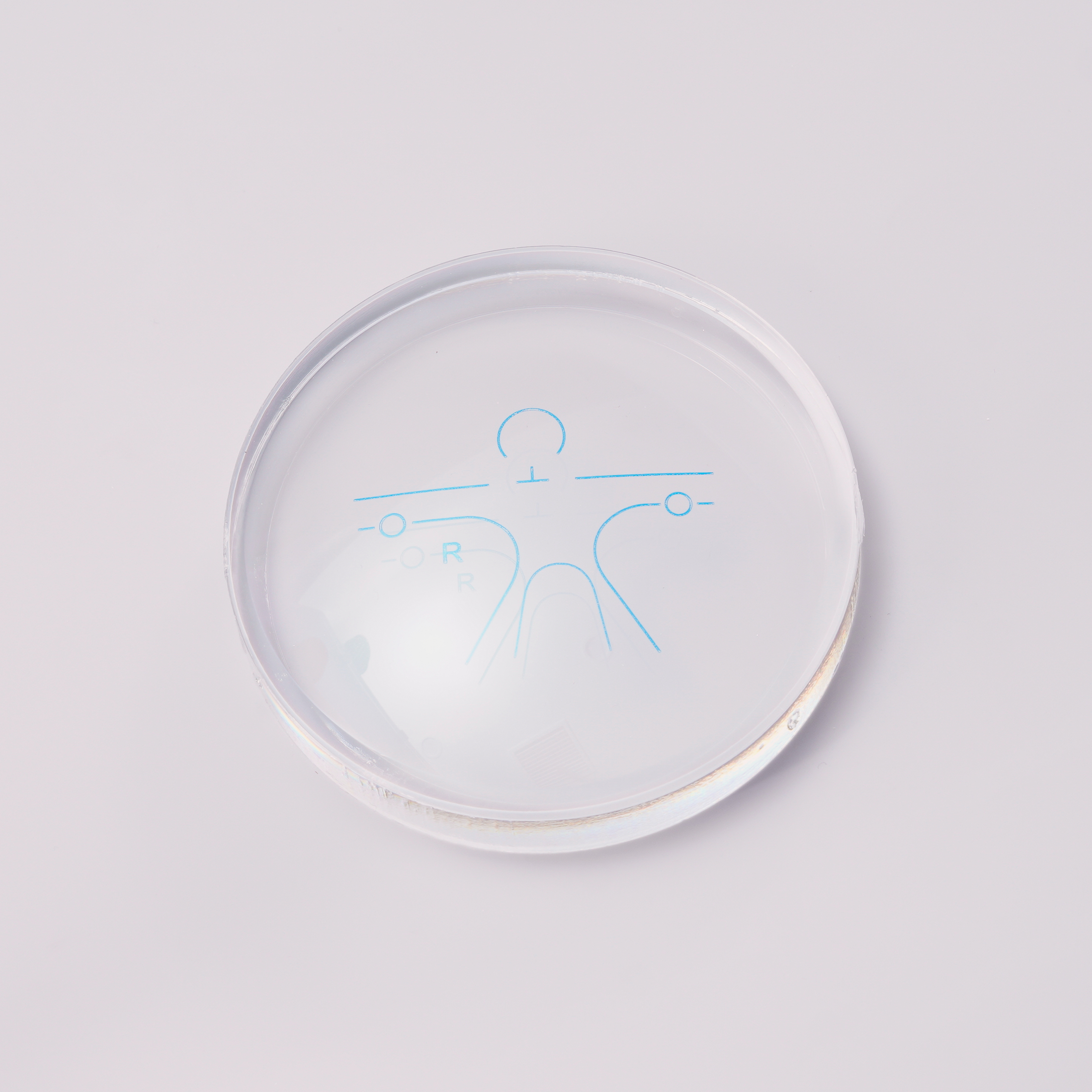 SF 1.499,1.56,1.591PC Progressive UC,HC,HMC,SHMC
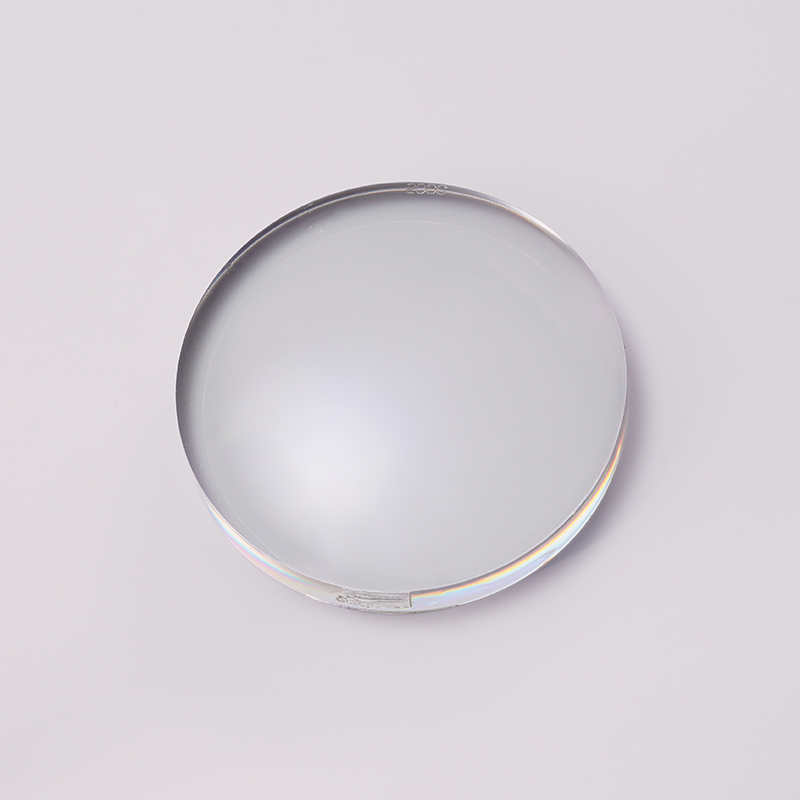 SF 1.499,1.56,1.591PC,1.61,1.67,1.74 Photo Grey,Brown Lens Blue Cut UV420 Single Vision UC,HC,HMC,SHMC
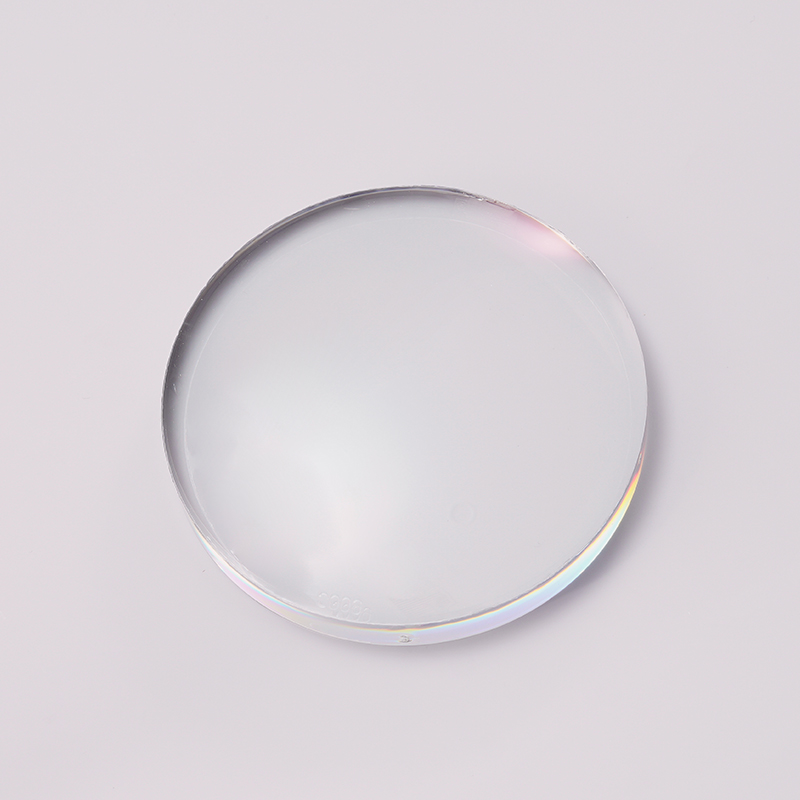 SF 1.499,1.56,1.591PC,1.61,1.67,1.74 Photo Grey,Brown Lens Single Vision UC,HC,HMC,SHMC
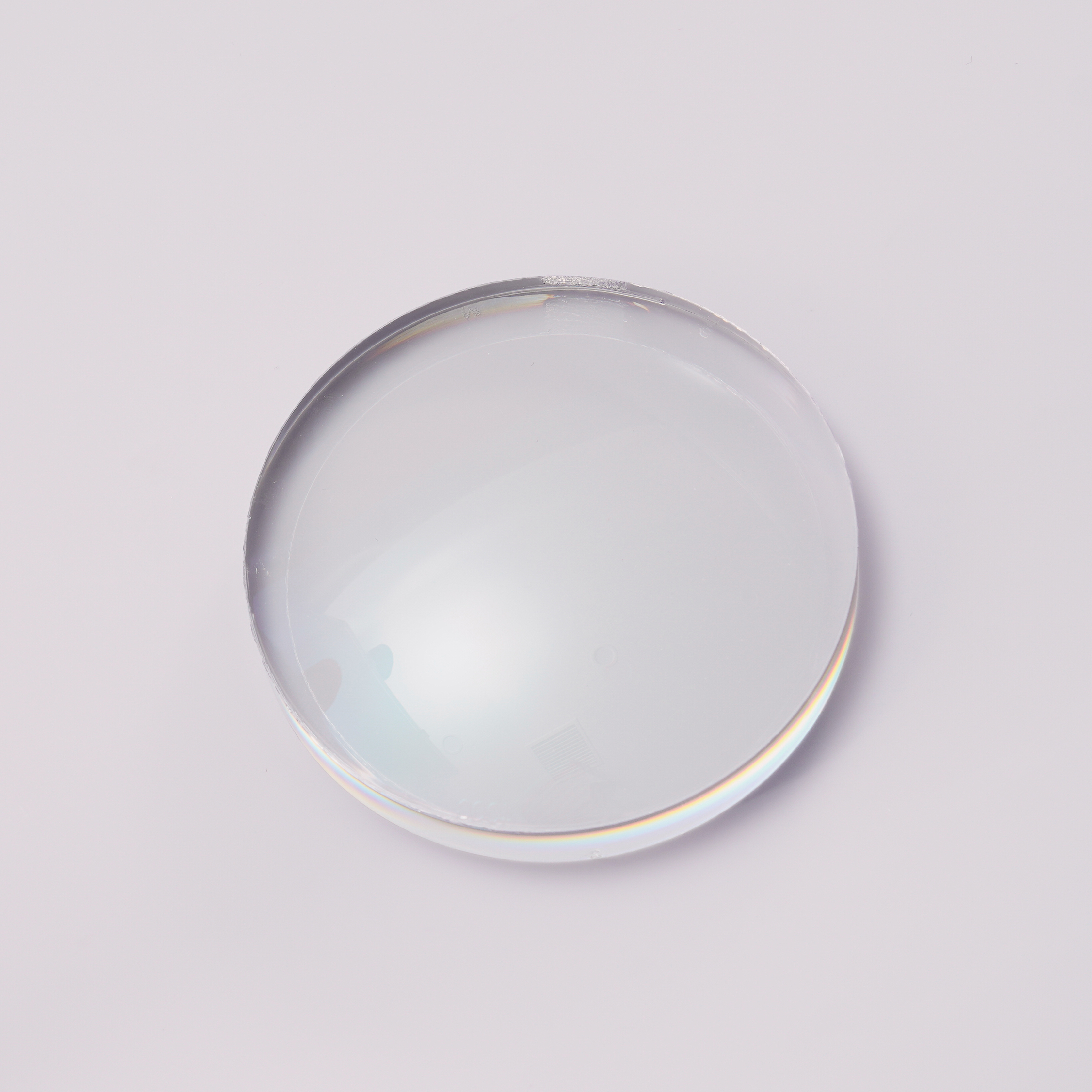 SF 1.499,1.56,1.591PC,1.61,1.67 Blue Cut UV420 Single Vision UC,HC,HMC,SHMC
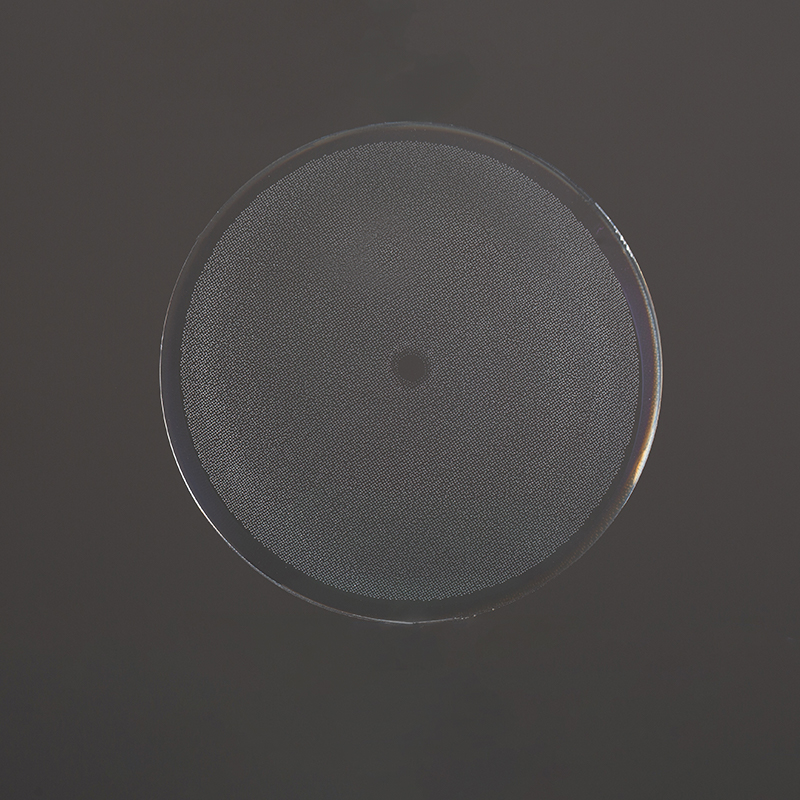 1.56,1.61,1.67,1.591 PC Multi-defocal Myopia Control HMC,SHMC
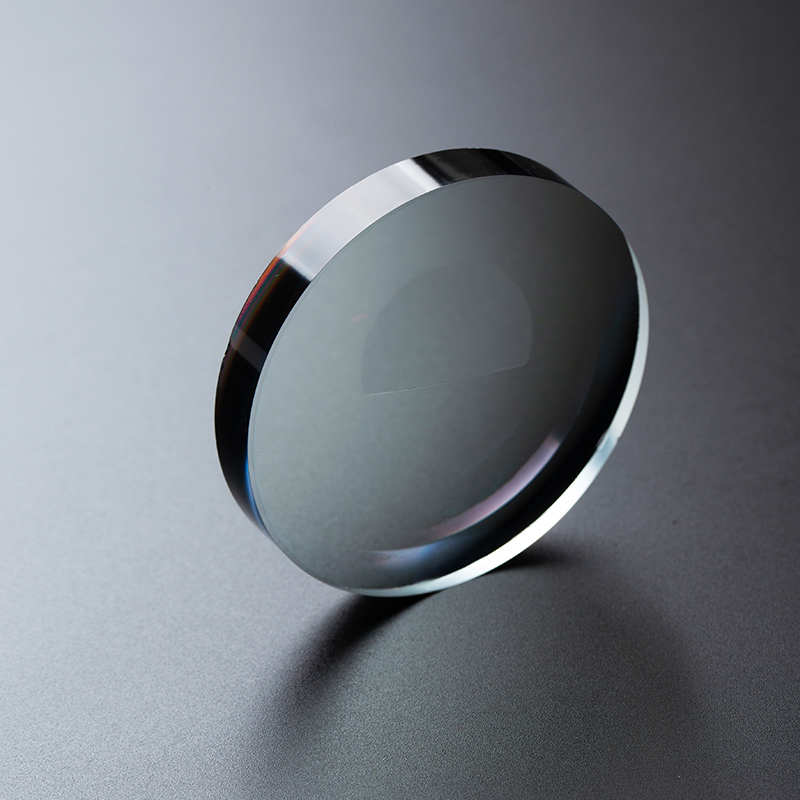 SF 1.56,1.591PC Photo Grey, Brown Blue Cut UV420 Round Top, Flat Top, Invisible Bifocal UC,HC,HMC,SHMC
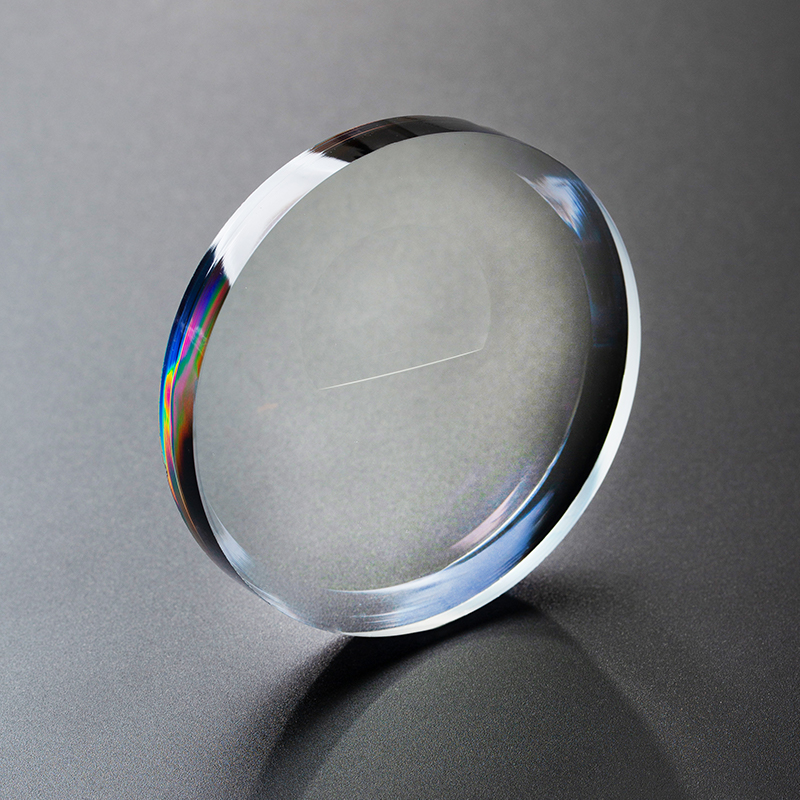 SF 1.56,1.591PC Blue Cut UV420 Round Top,Flat Top,Invisible Bifocal UC,HC,HMC,SHMC
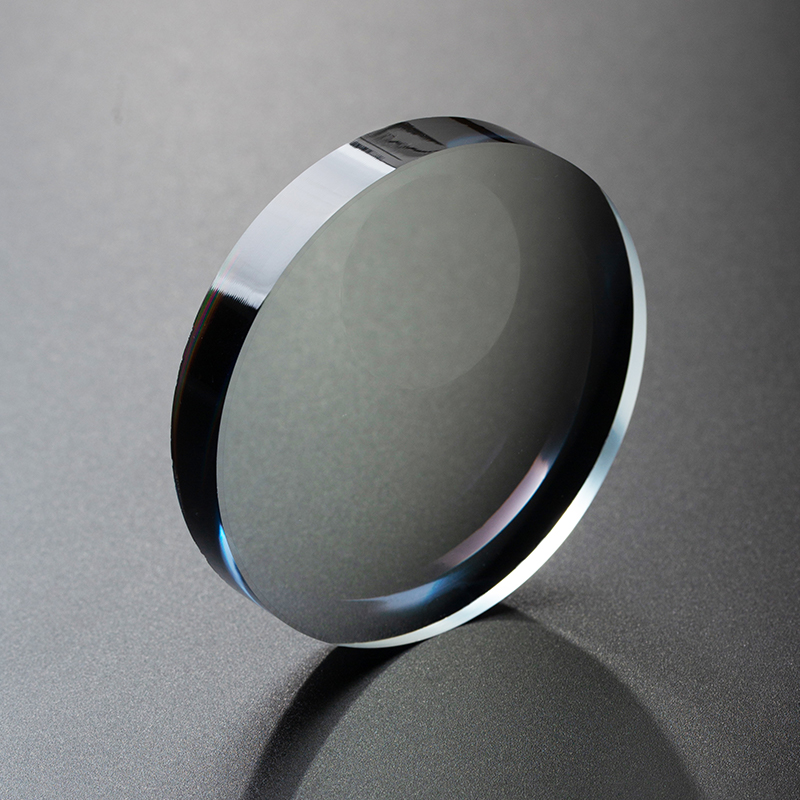 SF 1.56 ,1.591PC Photo Grey,Brown Round Top,Flat Top,Invisible Bifocal UC,HC,HMC,SHMC
Semi-finished lenses refer to lenses that have undergone preliminary processing, have a basic spherical or aspherical shape, are smooth and transparent, but have not yet been precisely ground and coated according to the customer's prescription. They are usually made of resin or glass and are an important intermediate in the manufacture of custom eyeglass lenses. During production, a large number of semi-finished products are manufactured first, and then optical shops or processing plants make personalized customizations based on optometry data, such as grinding and coating.

What are the features and limitations of Anti-Blue Light Lenses? Anti-blue light lenses are designed to filter part of t...
READ MOREWhy are Blue Cut With Photochromic Lenses so well-received? Blue cut with photochromic lenses combines two functional te...
READ MOREBlue light lenses are designed to reduce eye strain caused by exposure to digital screens, but how can you make sure you...
READ MOREPhotochromic lenses are typically made from high-quality plastic, polycarbonate, or glass with embedded photochromic mol...
READ MOREProgressive glasses are a popular choice for people who need correction for both near and far vision without the visible lines found in bifocals. The design of progressive lenses requires careful consideration to ensure that the wearer receives clear vision at all distances.
Progressive lenses have three distinct zones: the top zone for distance vision, the middle zone for intermediate or computer vision, and the bottom zone for near vision. Properly designing these zones is crucial to providing smooth transitions between them and to avoiding visual distortion at the edges.
The prescription is one of the important factors in designing progressive lenses. It needs to be accurately measured to ensure that the progressive zones are correctly aligned with the wearer's visual needs. The prescription affects how the progressive zones are shaped, ensuring vision correction at all distances.
The shape and size of the frame influence the progressive lens design. Smaller frames may restrict the size of the lens zones, requiring adjustments in the positioning of the zones. The lens height and frame fit are also important factors to ensure that the wearer can effectively use all parts of the lens.
The fitting height refers to the distance between the center of the lens and the center of the pupil. This measurement is crucial because it helps to position the near vision zone in the correct area for use. A misaligned fitting height can bring about discomfort and difficulty adjusting to the lenses.
Progressive lenses must provide clear vision for various tasks, such as reading, computer use, and driving. The design must balance the transitions between the three zones while maintaining visual clarity. Some progressive lenses are designed with additional customization to address specific visual needs, such as reading at a closer distance or viewing a computer screen.
Semi-finished lenses, also known as lens blanks, are partially completed lenses used as a starting point in the production of prescription eyeglasses. These lenses are manufactured with a base curve and some level of preliminary shaping, and they undergo further processing to create the final lens.
Base Curve:
Semi-finished lenses have a base curve, which is the initial curvature of the lens. This curve serves as the foundation for the final lens shape, and it is critical in ensuring proper vision correction. The curvature is usually selected based on the wearer's prescription and the type of lens required.
Uncut Lenses:
Semi-finished lenses are not yet cut to the final shape. They are typically larger than the required size and are designed to be trimmed and shaped according to the chosen frame and prescription. The trimming and fitting process allows for customization to suit the specific needs of the wearer.
Lens Materials:
Semi-finished lenses are made from a variety of materials, such as polycarbonate, high-index plastic, or Trivex. The choice of material affects the weight, thickness, and optical properties of the final lens. Each material offers different benefits, such as durability, clarity, and impact resistance.
Customization:
After the semi-finished lens is produced, it can be customized with additional features like anti-reflective coatings, UV protection, or blue light filtering. The customization process ensures that the lens provides the necessary vision correction and additional benefits suited to the user's needs.
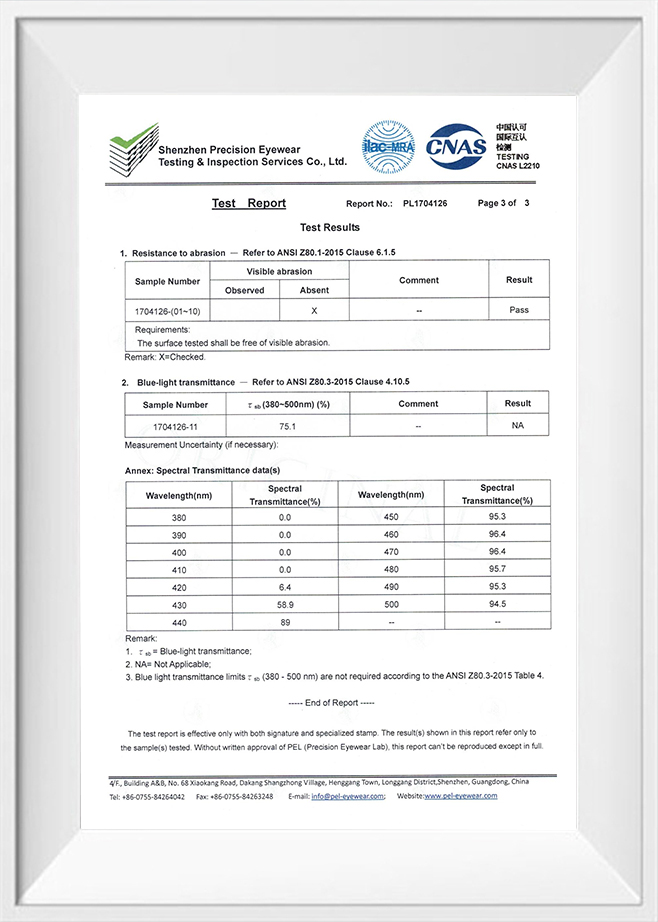
Semi-finished lenses are an essential part of eyewear manufacturing and, like all lenses, must be durable enough to handle daily use. The degree to which semi-finished lenses are scratch-resistant and abrasion-resistant depends on the materials used and any additional coatings applied. Below is a breakdown of these properties:
1. Scratch-Resistant Coatings
Standard Scratch Resistance: Many semi-finished lenses are produced with some level of scratch resistance due to the material used. However, semi-finished lenses may still be vulnerable to scratches during the manufacturing process or after the lenses are cut and fitted.
Additional Coatings: For enhanced scratch resistance, semi-finished lenses are often coated with a scratch-resistant layer during the finishing process. These coatings make the lenses more durable by creating a tough outer layer that protects the lens surface from minor scratches.
2. Material Impact on Durability
Polycarbonate: Polycarbonate lenses are inherently more impact-resistant but are prone to scratching without a protective coating. When coated with a scratch-resistant layer, polycarbonate lenses offer a balanced combination of durability and clarity.
High-Index Materials: Lenses made from high-index materials are thinner and lighter, but they can be more prone to surface damage. Adding a scratch-resistant coating is essential to improve their longevity.
Trivex: Trivex lenses offer a good balance of scratch resistance and durability, though they still benefit from additional coatings. Trivex is particularly impact-resistant, which adds to the overall durability of the lens.
3. Abrasion Resistance
Coatings for Abrasion Resistance: Abrasion resistance refers to the lens's ability to resist surface wear caused by friction. Many semi-finished lenses do not have high abrasion resistance on their own. However, additional coatings can be applied to prevent the surface from becoming worn due to regular cleaning or handling.
Impact of Cleaning: Frequent cleaning and exposure to harsh conditions can cause abrasion on the surface of semi-finished lenses. Lenses with abrasion-resistant coatings are more resilient to these effects, allowing them to maintain their clarity for longer.
Contact
Let’s Work Together
© Thinkey Optical Co.,Ltd.
Quick Links
Stay In Touch
Address:
611# Paimen Road DuQiao Town Linhai City Zhejiang China.
Phone:
0086-13788990737
Email:
Website

Semi Finished Lens Sale