
 English
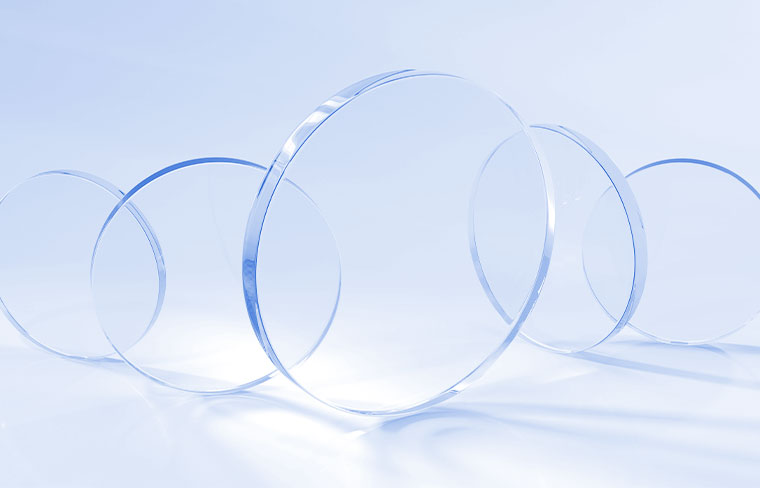

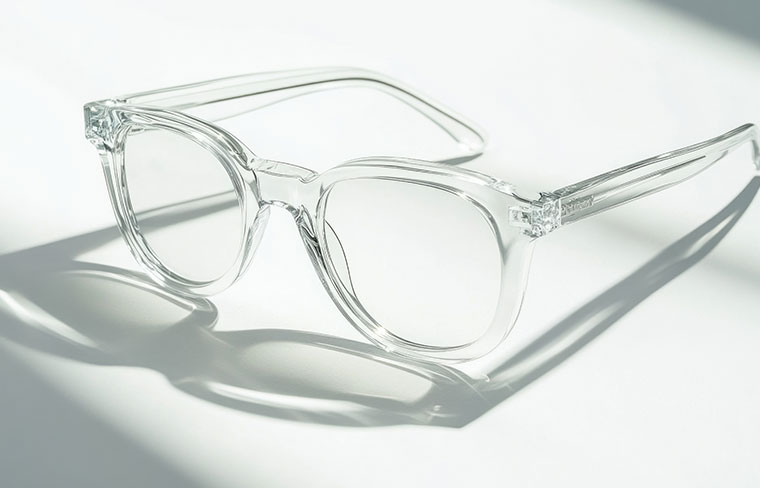
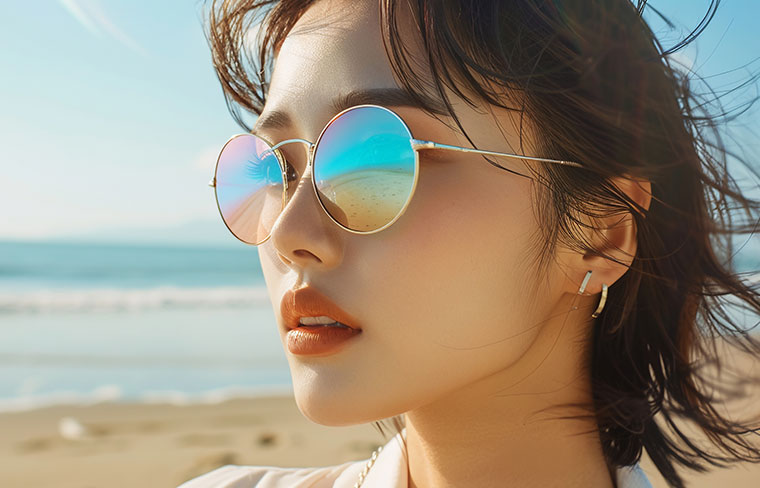
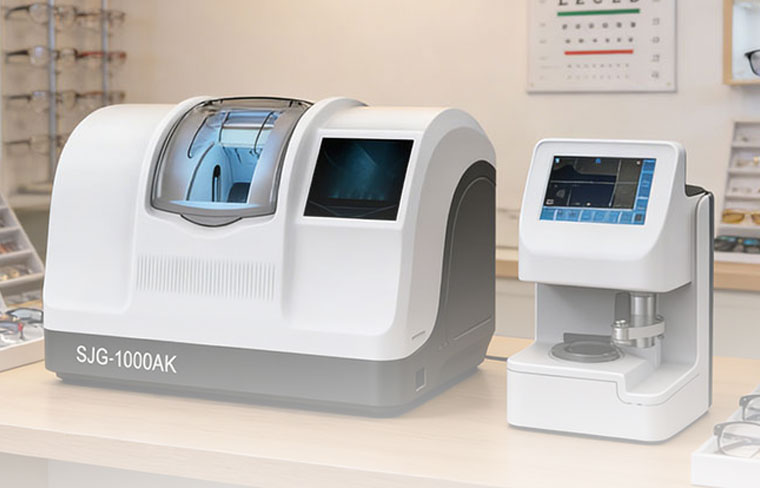
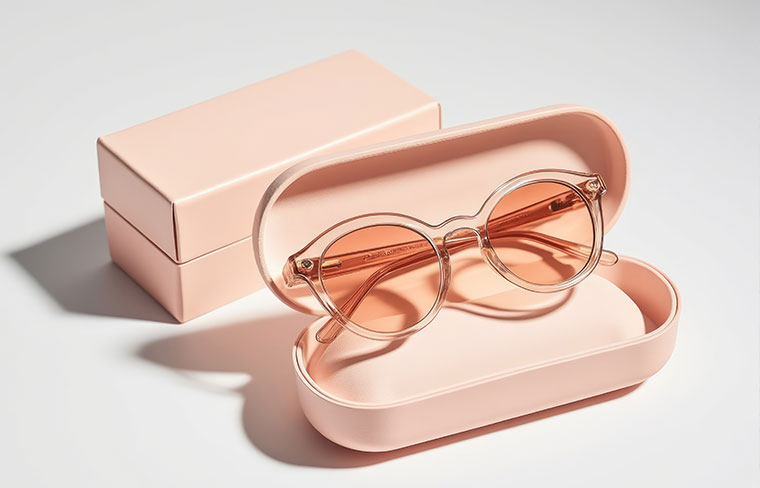
What are the features and limitations of Anti-Blue Light Lenses? Anti-blue light lenses are designed to filter part of t...
READ MORE

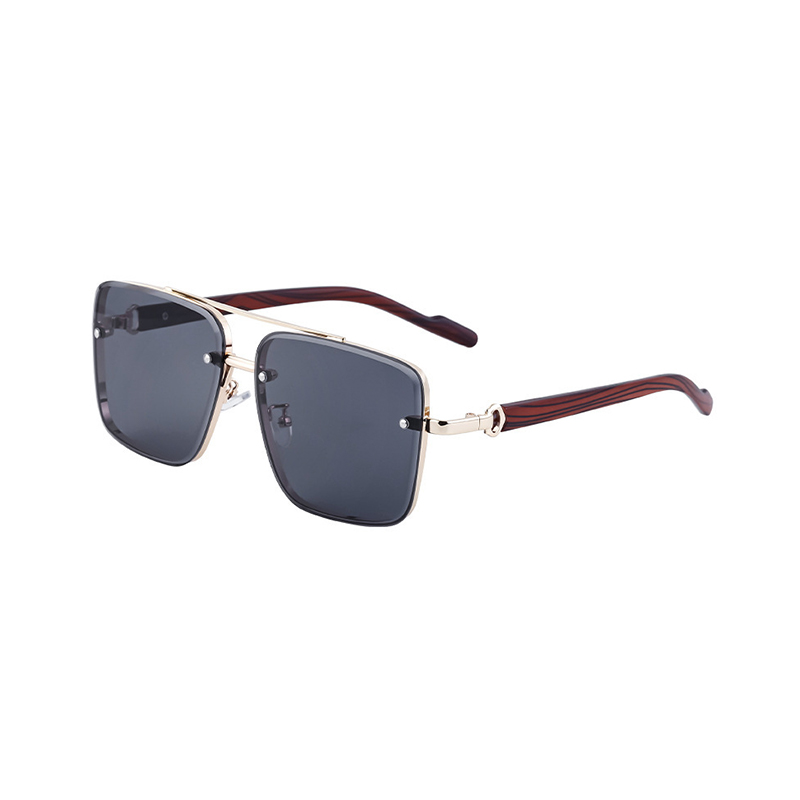 Wood Grain Color Temple Double Bridge Metal Sunglasses for Men
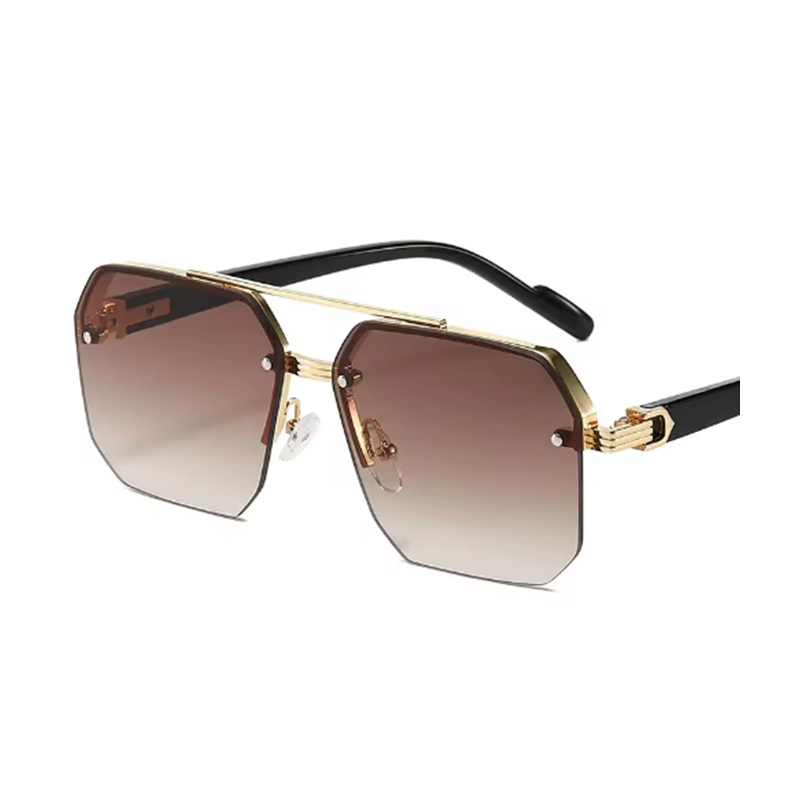 Gradient Square Rimless Metal Sunglasses for Men
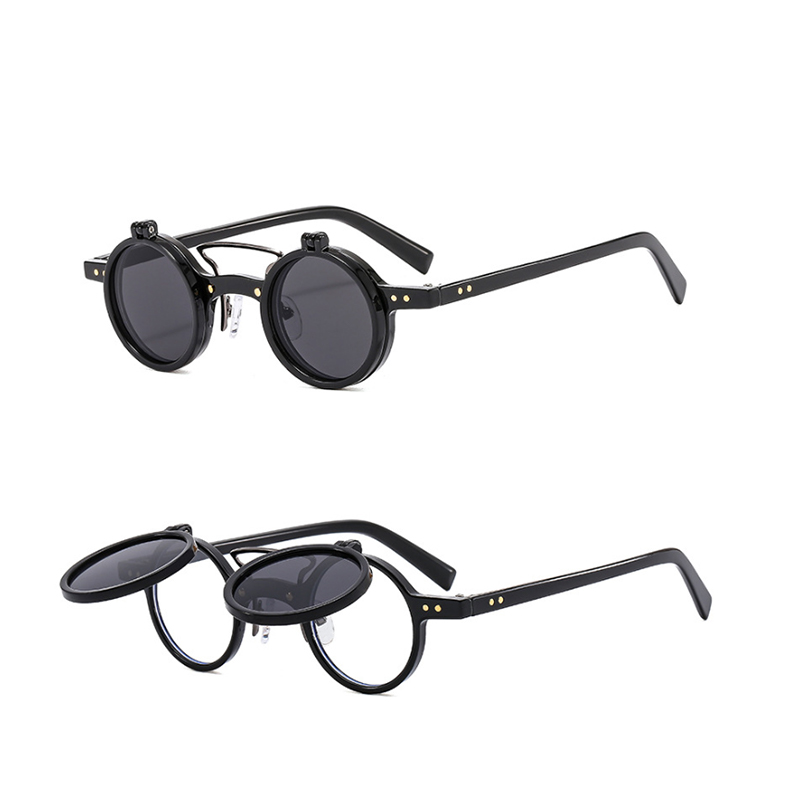 Round Punk Style Sunglasses for Men's and Women's
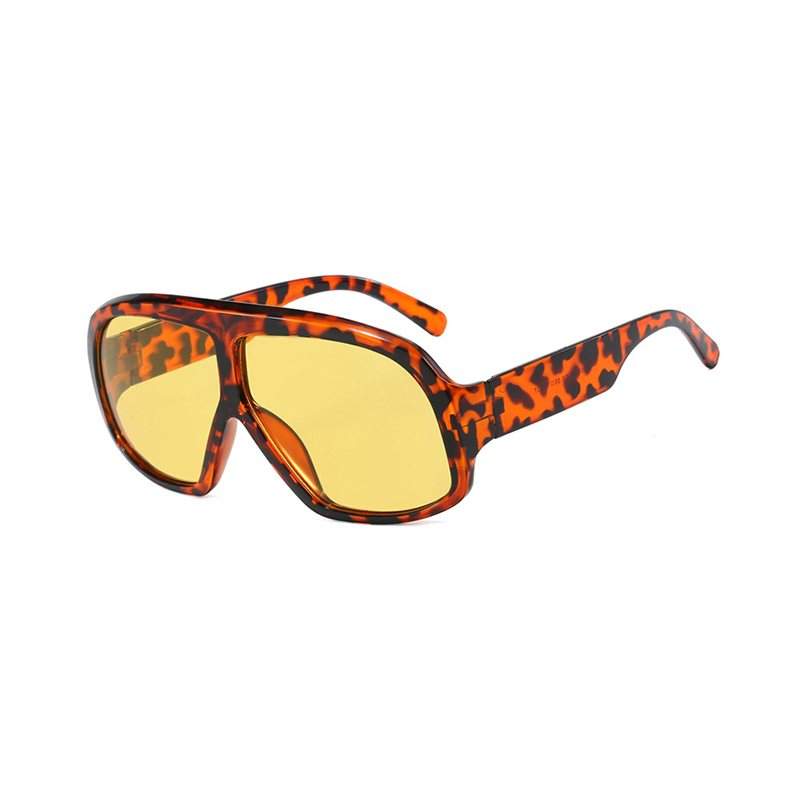 Oversized Pilot Sun Glasses One Piece Lens Goggles for Women
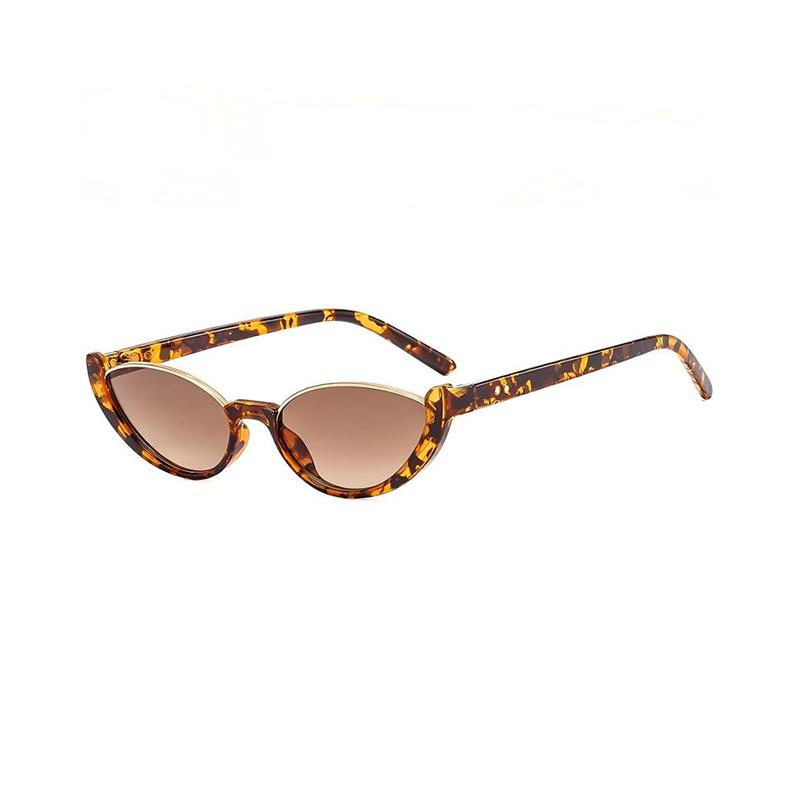 Cat Eye Half Frame Sunglasses Women
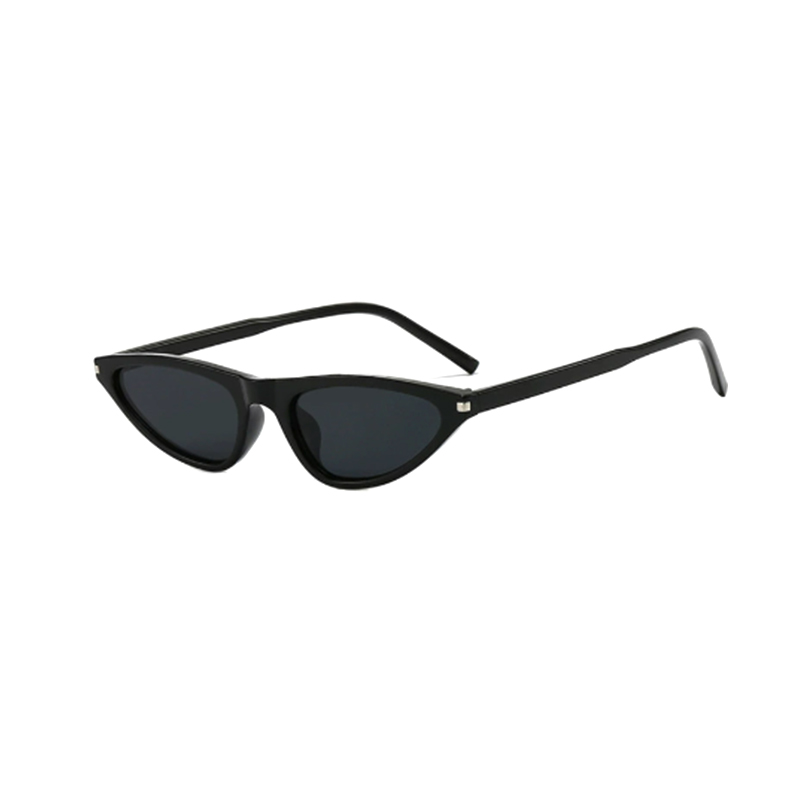 Man and Women Small Cat Eye Frames Sunglasses
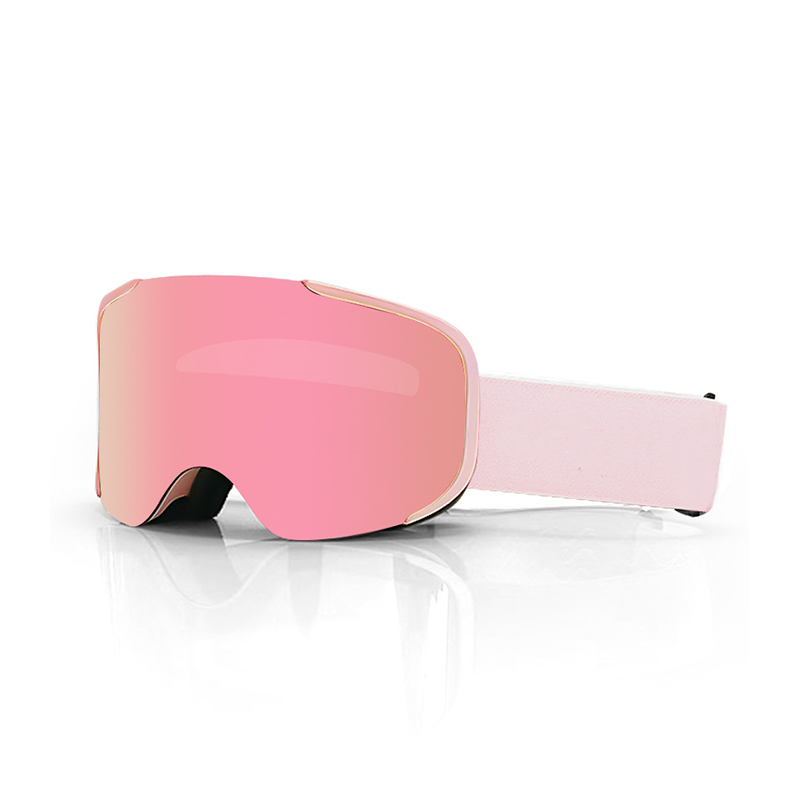 Magnetic Clamshell Ski Goggles Double-Layer UV Protection Snow Sports Sunglasses
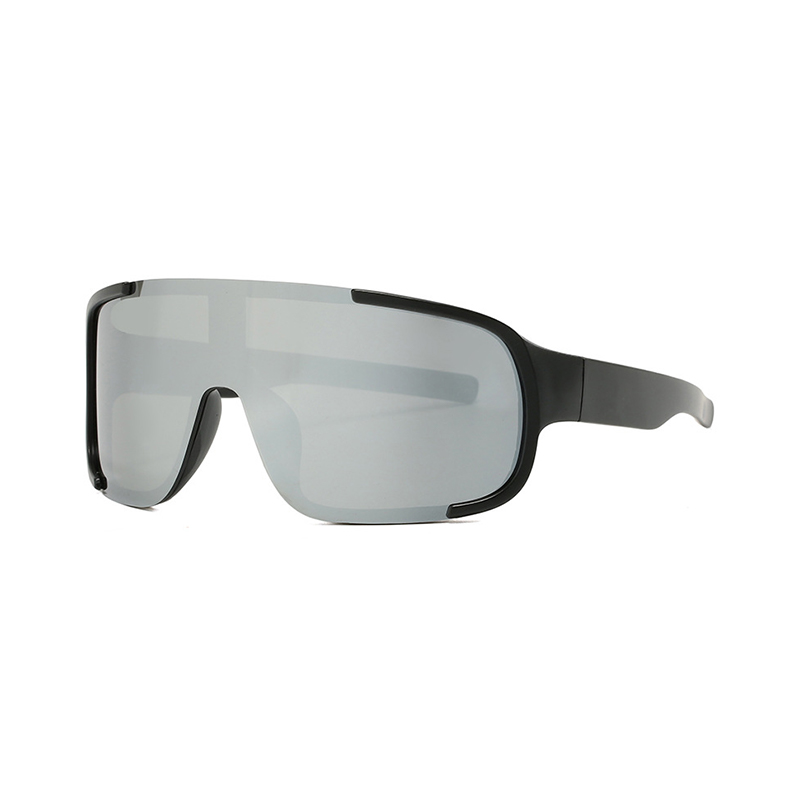 Optical Windbreak Ski Goggles for Riding Mountaineering Sunscreen Glasses
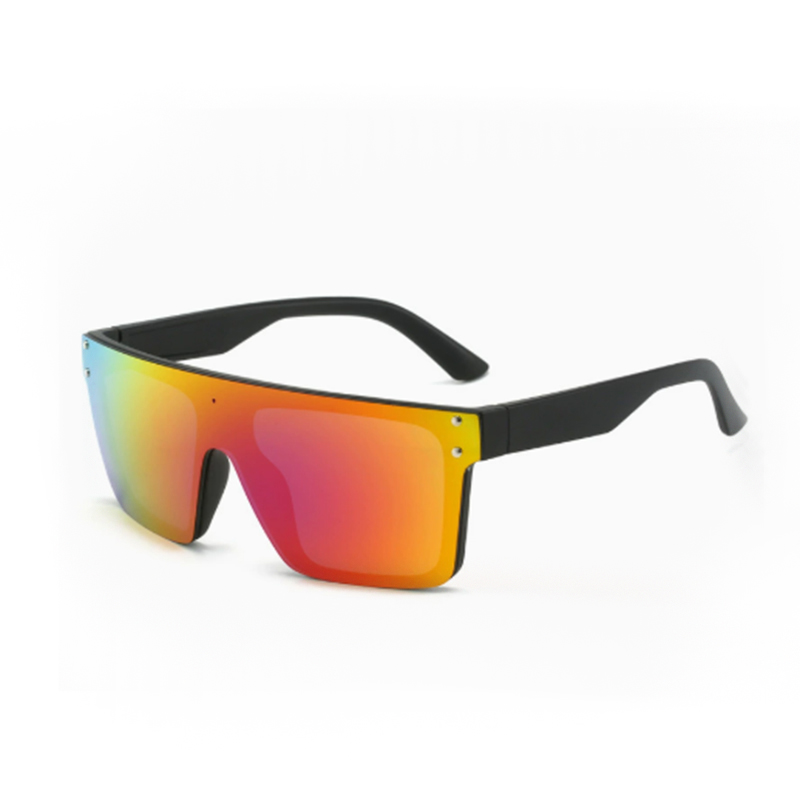 Outdoor One-piece Big Frame Cycling Sports Sunglasses
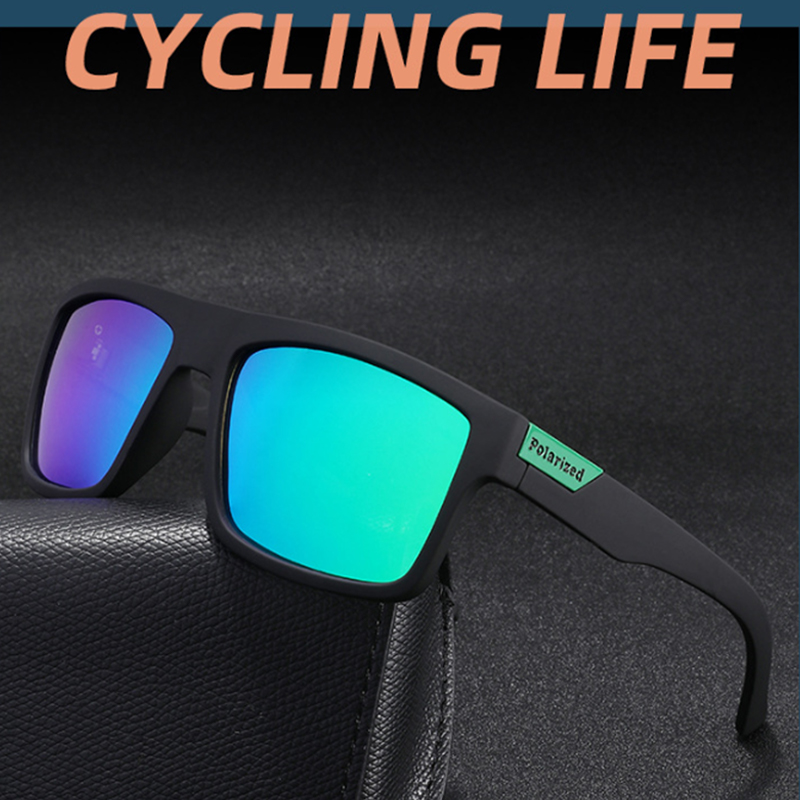 Classic Polarized Square Cycling Sunglasses for Men
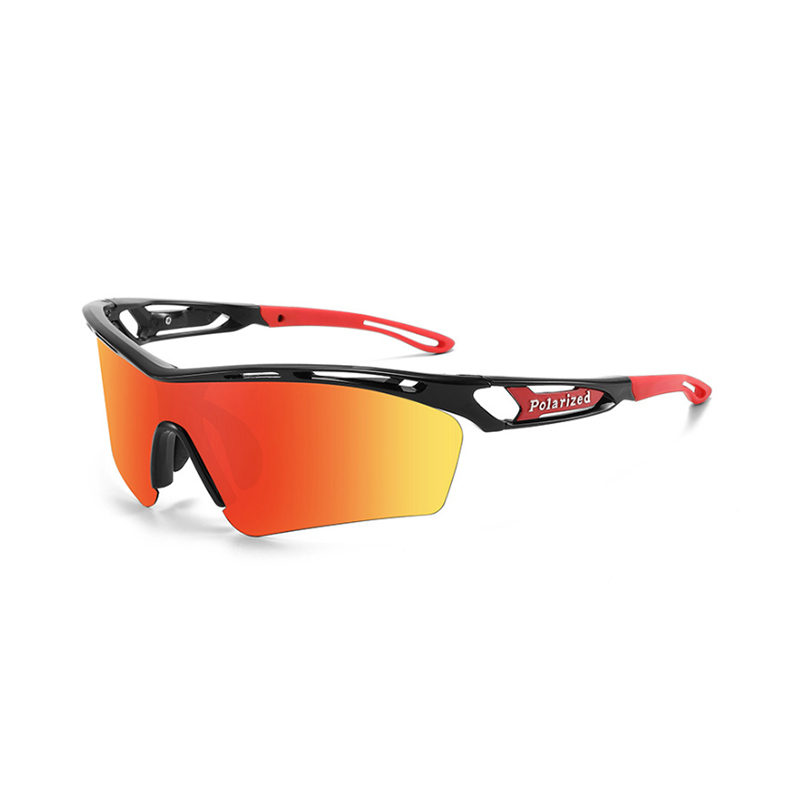 Polarized Cycling Anti UV Outdoor Sports Goggles
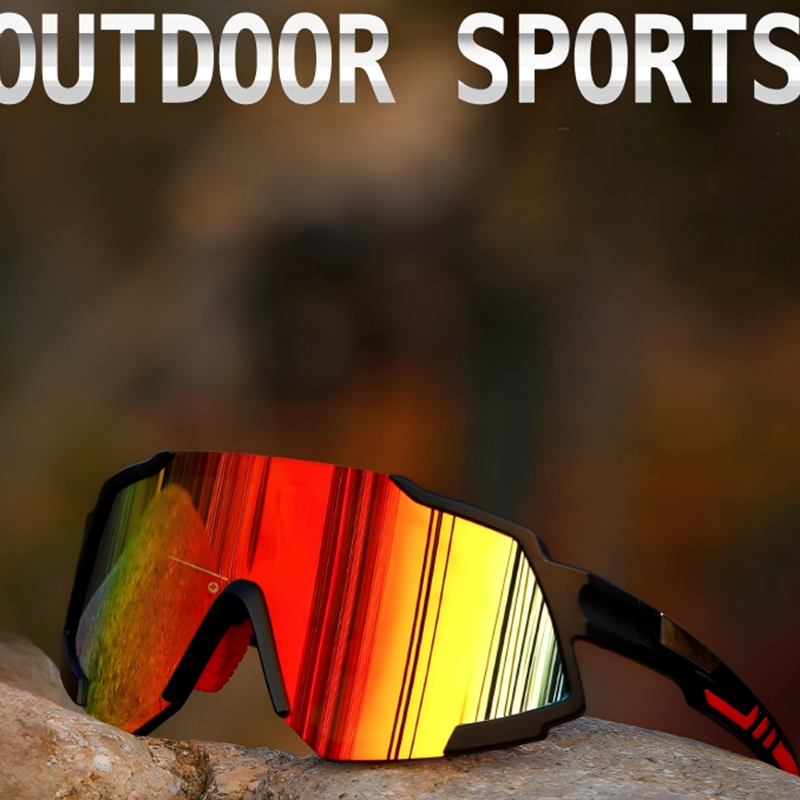 Oversized Polarized Outdoor Sports Sun Glasses for Men and Women
Sunglasses are essential daily items that balance eye protection and style, with their core advantages reflected in multi-dimensional practical value. They can fully block harmful ultraviolet rays such as UVA and UVB, avoiding long-term damage to the lens and retina. Meanwhile, they can effectively weaken strong light stimulation, alleviate eye soreness and visual fatigue caused by continuous pupil contraction, allowing the eyes to stay comfortable even when seeing objects outdoors for a long time. In addition, sunglasses can also act as an eye "protective shield", blocking small particles such as wind, sand, dust, and catkins from entering the eyes. Some polarized styles can even filter out messy reflections on roads and water surfaces, improving visual clarity and contrast for a more transparent travel vision.
Beyond their powerful eye protection functions, sunglasses are also fashion tools to enhance the texture of outfits. Different styles of sunglasses can fit various face shapes: round frames can soften the angular facial lines, square frames can modify round faces, and oversized frames can visually make the face look smaller. Whether it's a simple outfit for daily commuting, a casual look for beach vacations, or a dynamic outfit for outdoor sports, a suitable pair of sunglasses can instantly enhance the refinement and fashion sense of the overall look, becoming the finishing touch to highlight personal style.
What are the features and limitations of Anti-Blue Light Lenses? Anti-blue light lenses are designed to filter part of t...
READ MOREWhy are Blue Cut With Photochromic Lenses so well-received? Blue cut with photochromic lenses combines two functional te...
READ MOREBlue light lenses are designed to reduce eye strain caused by exposure to digital screens, but how can you make sure you...
READ MOREPhotochromic lenses are typically made from high-quality plastic, polycarbonate, or glass with embedded photochromic mol...
READ MORESelecting the right eyewear extends beyond aesthetics to encompass comfort, protection, and specific visual needs. By approaching these choices through a series of targeted questions, one can identify options that provide both functionality and ease of wear.
Comfort in sunglasses is determined by a combination of fit, weight distribution, and material against the skin. Several factors contribute to the overall wearing experience.
Individuals with high myopia, typically requiring prescriptions beyond -5.00 diopters, face unique challenges when selecting protective eyewear. The combination of strong correction and durable protection requires careful consideration of materials and design.
Lens Material: The Foundation of Clarity and Safety
For high prescriptions, standard plastic lenses can become thick and heavy. High-index plastic lenses are often recommended, as they are engineered to bend light more efficiently. This allows the lens to be thinner and lighter than standard plastic or polycarbonate lenses for the same prescription strength. For protective eyewear, polycarbonate remains a standard choice due to its impact resistance, though it may not be as thin as high-index materials. A consultation with an eye care professional helps determine which material balances thinness with necessary protection.
Frame Design: Accommodating Thicker Lenses
Lenses for high myopia are thicker at the edges and thinner in the center. Frames with a deeper lens shape and a fuller rim can help conceal the edge thickness, creating a more streamlined appearance. A groove cut into the frame allows the lens edge to be set deeper, further reducing the visible thickness. Smaller, rounder frame shapes also tend to produce thinner lenses than large, rectangular ones, as the lens cutter can work closer to the optical center.
Outdoor sunglasses are not a single category but encompass various designs tailored to specific activities and light conditions. The differences lie in their construction, lens technology, and intended use.
Lens Technology and Tint
The primary differentiator is often the lens. General-purpose outdoor sunglasses may feature a solid tint that reduces overall brightness. For variable conditions, such as hiking from open trails into shaded forests, photochromic lenses that darken and lighten in response to UV exposure offer adaptability. For water or snow environments, polarized lenses are common; they contain a filter that reduces glare reflected from flat surfaces, improving visual clarity and reducing eye strain. The color of the tint also serves different purposes—brown or copper tints enhance contrast in variable light, while gray tints provide more natural color perception.
Activity-Specific Design
Sunglasses designed for running or cycling often prioritize lightweight construction and ventilation to prevent fogging. They may feature rubberized nose pads and temple tips for a secure grip during movement. In contrast, sunglasses intended for casual wear or beach use might focus more on coverage and style, with larger frames that shield the eyes and surrounding skin from peripheral light. Fishing sunglasses frequently incorporate blue-blocking or copper-tinted lenses to enhance contrast against water and foliage, alongside polarization to cut through surface glare.
Contact
Let’s Work Together
© Thinkey Optical Co.,Ltd.
Quick Links
Stay In Touch
Address:
611# Paimen Road DuQiao Town Linhai City Zhejiang China.
Phone:
0086-13788990737
Email:
Website

Protect Eye Glasses Wholesale