
 English
OEM/ODM Metal Sunglasses


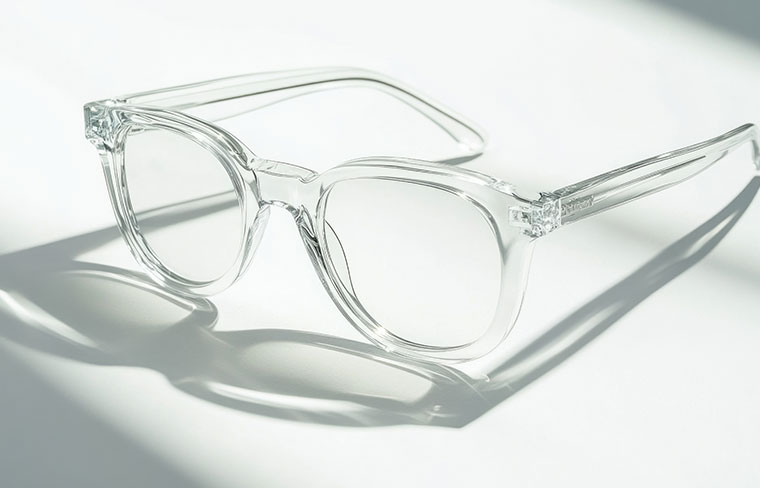

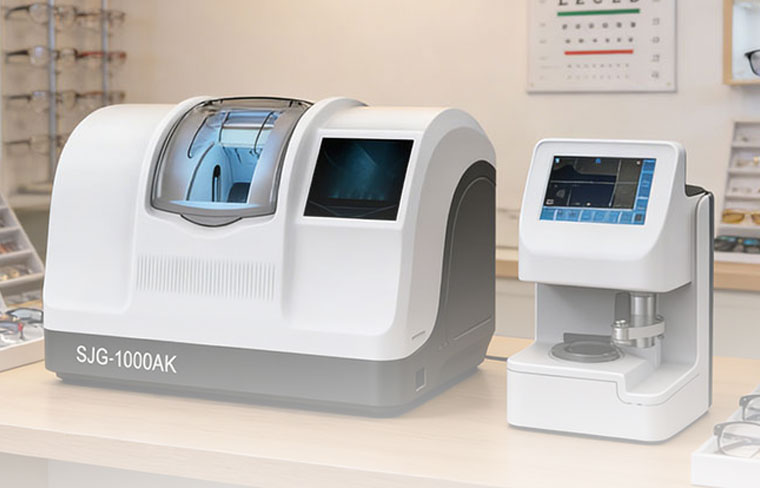

What are the features and limitations of Anti-Blue Light Lenses? Anti-blue light lenses are designed to filter part of t...
READ MORE

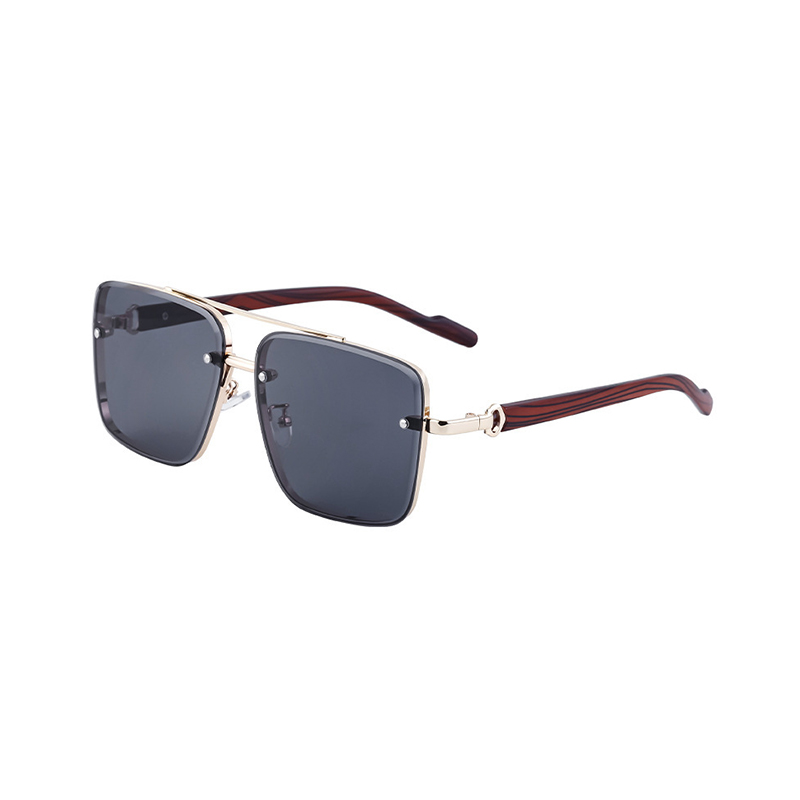 Wood Grain Color Temple Double Bridge Metal Sunglasses for Men
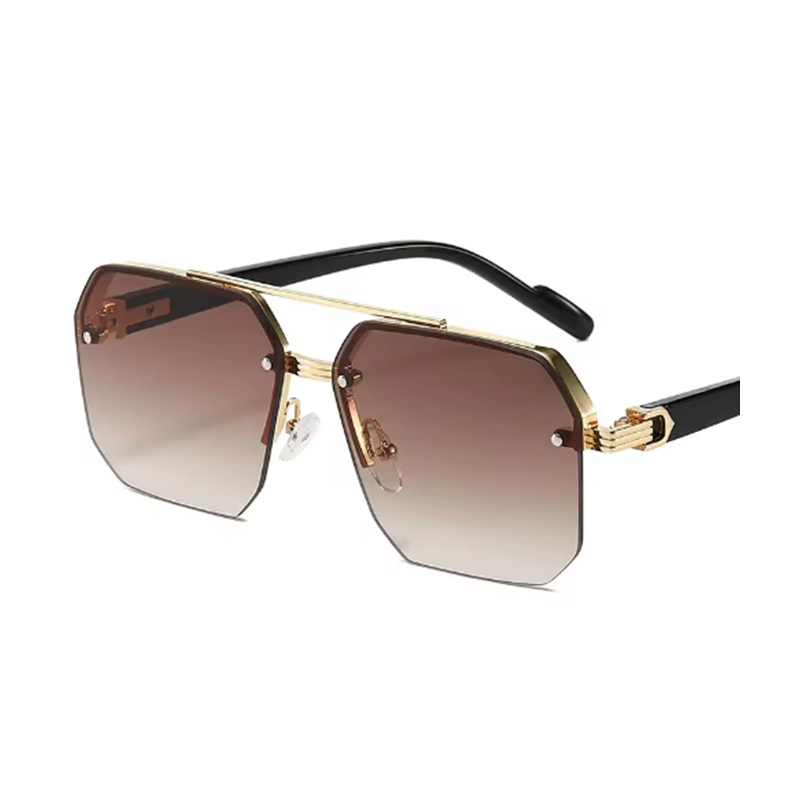 Gradient Square Rimless Metal Sunglasses for Men
High-quality metal material construction, sturdy and durable yet lightweight and comfortable, with UV400 protection. Classic and versatile design, offering aviator, square, round and other styles, unisex, and suitable for all face shapes

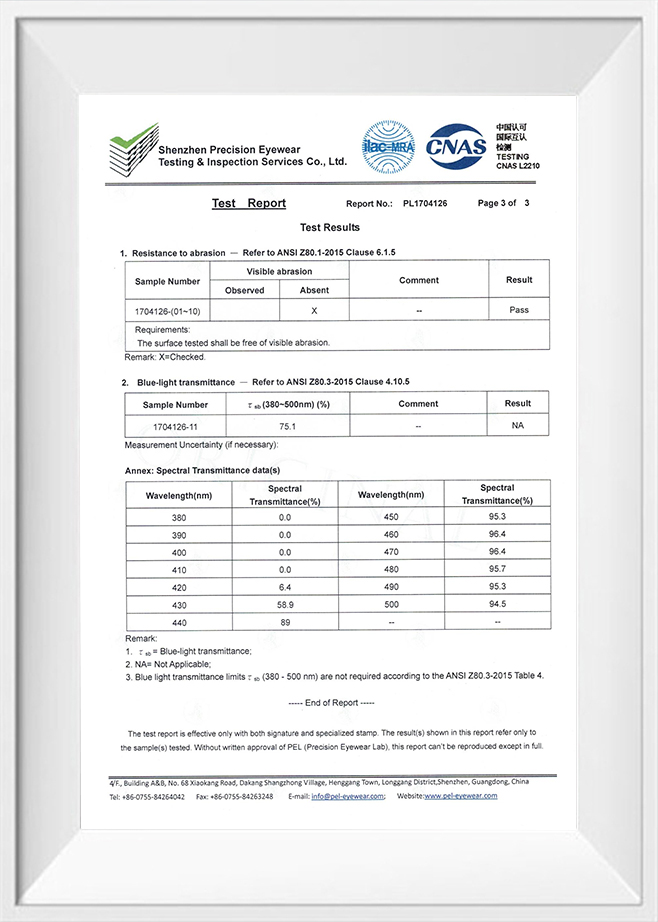
What are the features and limitations of Anti-Blue Light Lenses? Anti-blue light lenses are designed to filter part of t...
READ MOREWhy are Blue Cut With Photochromic Lenses so well-received? Blue cut with photochromic lenses combines two functional te...
READ MOREBlue light lenses are designed to reduce eye strain caused by exposure to digital screens, but how can you make sure you...
READ MOREPhotochromic lenses are typically made from high-quality plastic, polycarbonate, or glass with embedded photochromic mol...
READ MOREMetal frames for sunglasses occupy a distinct position in eyewear, offering structural qualities that differ from plastic alternatives. The variety within metal categories—from standard alloys to premium materials and specific metals like aluminum—provides a range of options for different preferences and uses.
Metal Sunglasses
Metal sunglasses combine the structural properties of metal frames with lenses designed for outdoor use. Understanding their characteristics helps in selecting appropriate pairs for different activities and conditions.
What are the common materials used in metal sunglasses?
Metal sunglasses are manufactured from various alloys. Stainless steel offers corrosion resistance suitable for exposure to moisture and perspiration. Monel, a nickel-copper alloy, provides flexibility at a moderate cost. Titanium is used for its light weight and complete resistance to corrosion. Aluminum appears in certain designs for its unique finishing possibilities. Each material affects the weight, flexibility, and longevity of the finished product.
How do metal sunglasses differ from plastic sunglasses in fit?
Metal sunglasses typically incorporate adjustable nose pads, allowing the wearer to customize the bridge fit. The temples often feature curved ends that can be adjusted behind the ears. This adjustability enables a more personalized fit compared to many plastic frames, which rely on the inherent shape of the material. Metal frames can be fine-tuned by opticians to address specific pressure points.
Are metal sunglasses suitable for active use?
Certain metal frames perform well during physical activity. Titanium and springy beta-titanium alloys flex under stress and return to shape, reducing the risk of permanent bending. Rubberized temple tips and nose pads enhance grip during movement. However, some metal frames may be heavier than plastic alternatives, which can affect comfort during extended active wear.
How should metal sunglasses be maintained?
Regular rinsing with fresh water removes salt, chlorine, and perspiration that can affect finishes over time. Drying with a soft cloth prevents water spots. Hinges benefit from occasional inspection for looseness. Plated finishes require gentle cleaning to preserve the surface layer. Storage in a hard case protects against bending and scratching when not in use.
Can metal sunglasses be repaired if bent?
Minor bends can often be adjusted by an optician. Significant distortion may require professional assessment. Some metals, like titanium, require specialized tools and techniques for adjustment.
Do metal sunglasses block UV light?
UV protection comes from the lenses, not the frame. Quality sunglass lenses, regardless of frame material, should block 99% of UVA and UVB radiation.
Are metal sunglasses heavier than plastic ones?
Weight varies by material. Titanium frames can be lighter than many plastics. Stainless steel and monel typically fall in a medium weight range. Aluminum offers light weight with different design characteristics.
Can I get prescription lenses in metal sunglasses?
Yes. Many metal sunglass frames accept prescription lenses, provided the frame curvature and lens shape are compatible with prescription requirements.
Premium metal frame sunglasses represent a category distinguished by material selection, construction methods, and design considerations that differ from mass-market offerings.
Premium frames often utilize materials selected for specific performance characteristics. Titanium appears in various grades, with some manufacturers using commercially pure titanium for certain components and alloys for others. Stainless steel in premium lines may be surgical grade, offering consistent corrosion resistance. Some brands incorporate exotic metals or proprietary alloys developed specifically for eyewear applications. The material choice influences weight, flexibility, and long-term durability.
The method of assembling frame components distinguishes premium construction. Welded joints may be executed with precision techniques that create seamless connections between parts. Hinge assemblies can involve multiple interlocking components rather than simple screw construction. Some premium frames use pressure-fit or screwless hinge systems designed for longevity. The integration of different metals within a single frame requires careful engineering to account for varying expansion rates and galvanic corrosion potential.
Aluminum as a frame material offers distinct properties that influence current design directions in sunglass manufacturing. The following trends reflect how designers are working with this material.
Contact
Let’s Work Together
© Thinkey Optical Co.,Ltd.
Quick Links
Stay In Touch
Address:
611# Paimen Road DuQiao Town Linhai City Zhejiang China.
Phone:
0086-13788990737
Email:
Website

China Metal Sunglasses