
 English
Blue Cut Lenses Wholesale
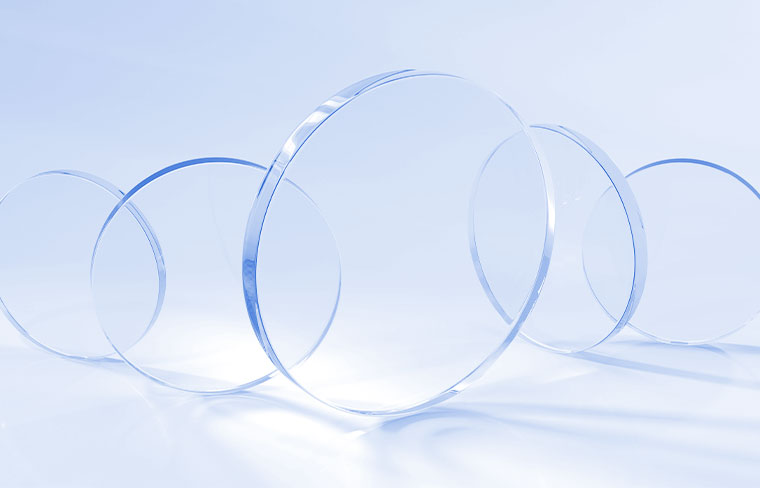

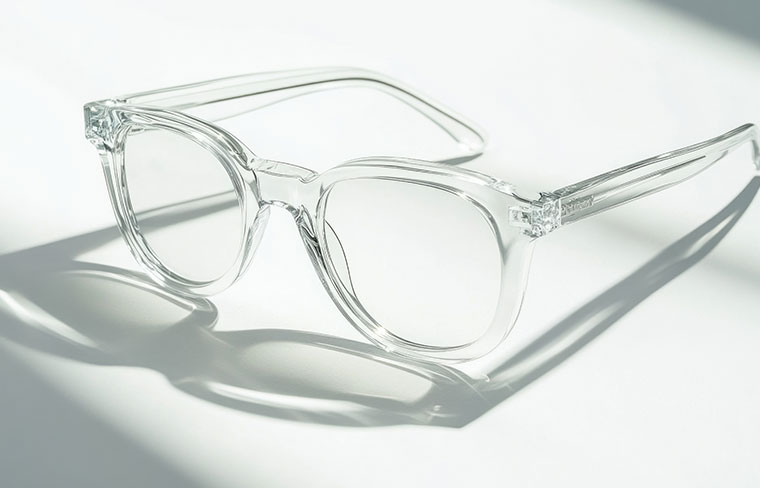

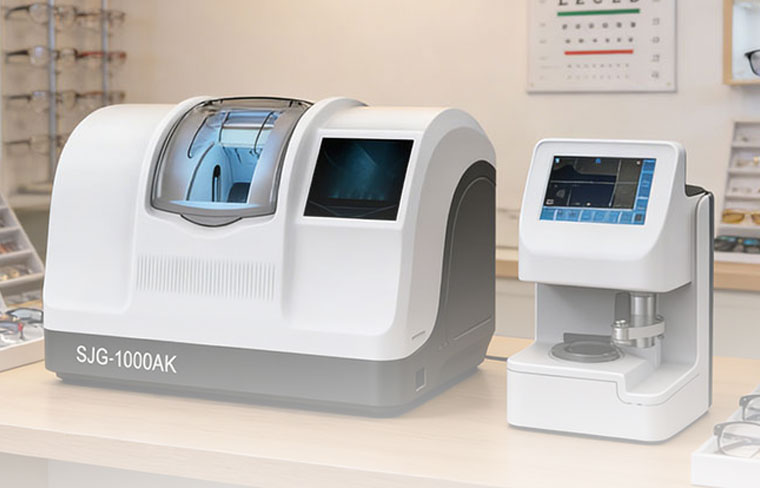

What are the features and limitations of Anti-Blue Light Lenses? Anti-blue light lenses are designed to filter part of t...
READ MORE
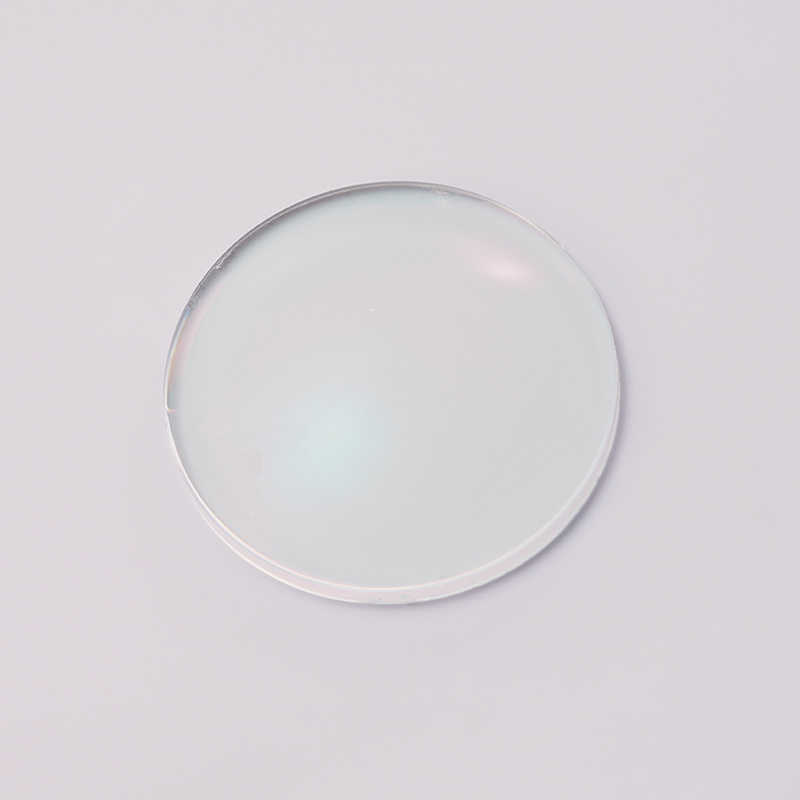 1.56 Blue Cut UV420 Round Top,Flat Top Invisible Bifocal UC,HC,HMC,SHMC
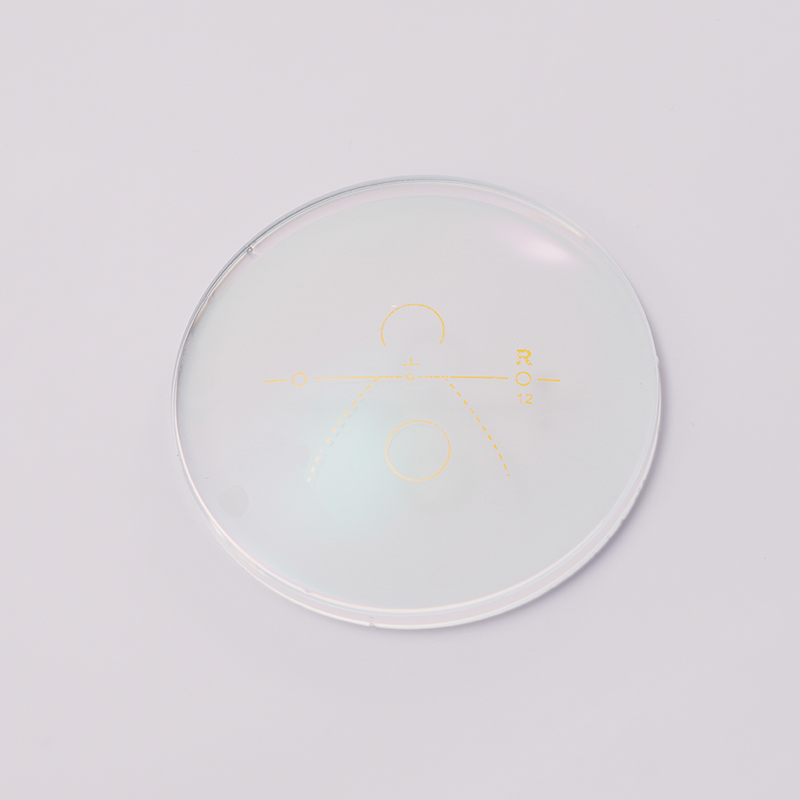 1.56 Blue Cut UV420 Progressive UC,HC,HMC,SHMC
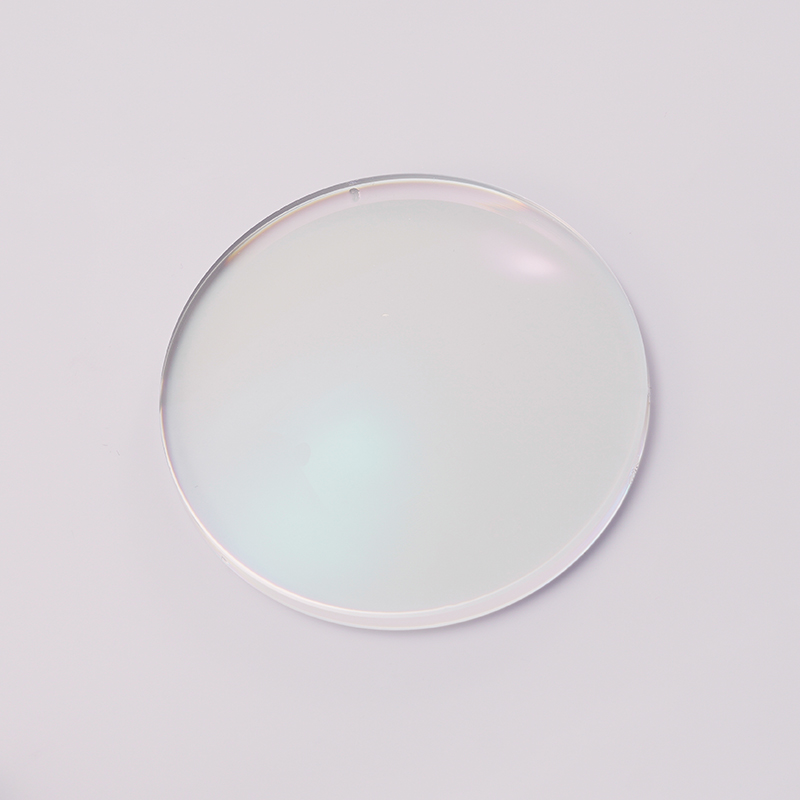 1.499,1.56,1.61A,1.61MR-8,1.67 Blue Cut UV420 Single Vision UC,HC,HMC,SHMC
Main Functions
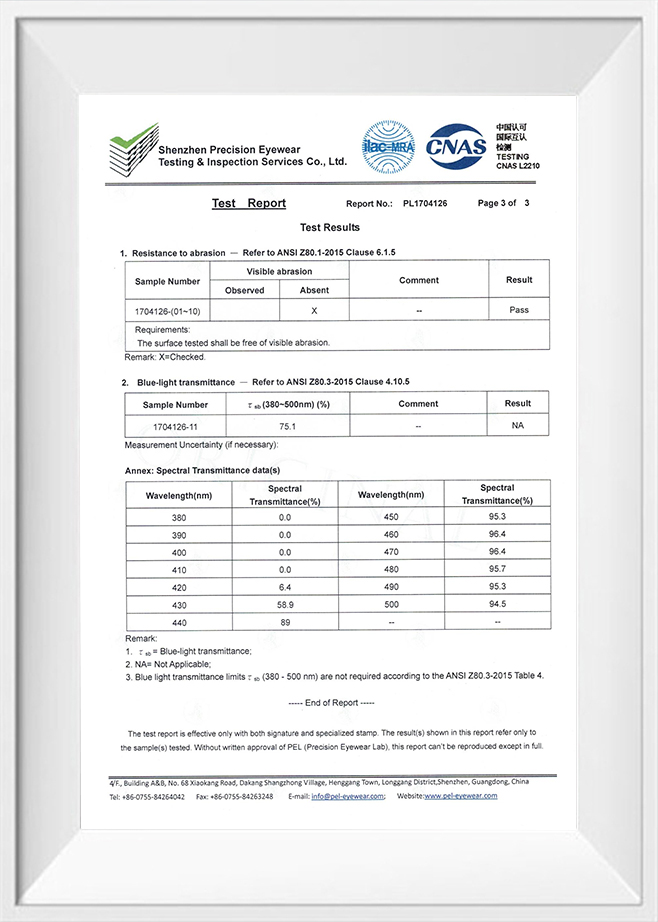
Blocking Harmful Blue Light: Filters out high-energy short-wave blue light in the 400-455nm band, reducing its continuous stimulation of the eye's lens and retina.
Relieving Eye Strain: Reduces eye exposure to blue light, alleviating symptoms of digital visual fatigue (CVS) such as dry eyes, eye irritation, and soreness caused by prolonged use of digital devices.
Improving Visual Comfort: Enhances the eye's sensitivity to different color contrasts, providing a clearer and more comfortable visual experience.
Potentially Improving Sleep: Helps reduce the inhibition of melatonin secretion by blue light, thereby improving sleep quality when using electronic devices before bed.
Providing UV Protection: Integrates UV protection, providing dual protection.

What are the features and limitations of Anti-Blue Light Lenses? Anti-blue light lenses are designed to filter part of t...
READ MOREWhy are Blue Cut With Photochromic Lenses so well-received? Blue cut with photochromic lenses combines two functional te...
READ MOREBlue light lenses are designed to reduce eye strain caused by exposure to digital screens, but how can you make sure you...
READ MOREPhotochromic lenses are typically made from high-quality plastic, polycarbonate, or glass with embedded photochromic mol...
READ MOREBlue light blocking lenses are designed to filter out or reduce the exposure to blue light emitted by digital screens, fluorescent lighting, and the sun. The principle behind these lenses is based on the fact that blue light, which has a shorter wavelength and higher energy, can contribute to digital eye strain and disrupt sleep patterns. Blue light blocking lenses aim to mitigate these effects by selectively blocking or absorbing certain wavelengths of light.
1. Understanding Blue Light
Blue light falls within the 380–500 nm range of the visible light spectrum. While blue light is naturally present in sunlight and is essential for regulating circadian rhythms, excessive exposure—particularly from digital devices—has been linked to eye strain and potential disruption of sleep.
2. Filtering Blue Light
Blue light blocking lenses are typically equipped with a special coating or technology that selectively absorbs or reflects blue light. The lens coating works by filtering out high-energy visible (HEV) blue light, while allowing other wavelengths of light to pass through, maintaining the natural color balance of the environment.
3. Reducing Digital Eye Strain
Prolonged exposure to screens can cause discomfort, dryness, and fatigue—often referred to as "digital eye strain" or "computer vision syndrome." Blue light blocking lenses help reduce glare and the harmful effects of prolonged screen use, bringing about less discomfort.
4. Improving Sleep Quality
Exposure to blue light, especially in the evening, can suppress melatonin production, a hormone responsible for regulating sleep. By blocking blue light, particularly in the evening, blue light blocking lenses can help improve sleep quality by the impact on the circadian rhythm.
Blue cut lenses are lenses specifically designed to filter or block blue light. These lenses come in various materials, each with its own set of characteristics. The choice of material affects the performance, comfort, and aesthetics of the lenses.
1. Polycarbonate Lenses
Polycarbonate is a lightweight and impact-resistant material often used in blue cut lenses. These lenses are ideal for individuals who need durable lenses for active lifestyles or children. Polycarbonate lenses offer the added benefit of UV protection, making them a versatile option for blue light blocking lenses.
2. High-Index Plastic Lenses
High-index plastic lenses are thinner and lighter compared to standard lenses, which can make them a good choice for individuals with higher prescriptions. These lenses are often used in blue cut lenses to provide a more aesthetically pleasing look while still maintaining the function of blue light blocking. They are suitable for people who want a sleek look without sacrificing lens performance.
3. Trivex Lenses
Trivex lenses are similar to polycarbonate but offer better optical clarity. They are lightweight, impact-resistant, and provide visual acuity, making them a good option for blue light blocking lenses. Trivex lenses are particularly popular for those who require lenses with both protection and optical precision.
4. Glass Lenses
While glass lenses are less common for blue light blocking, they can provide optical clarity. Glass is more scratch-resistant than plastic, but it is heavier and more prone to breakage. Glass lenses with blue light blocking properties may be chosen by those who prioritize clarity over weight or durability.
People who spend extended periods on digital devices:
Professionals, students, and gamers who spend long hours on computers, smartphones, or tablets may benefit from blue light blocking lenses to reduce eye strain.
Individuals who experience digital eye strain:
People who suffer from symptoms such as dry eyes, headaches, or blurred vision after using screens for extended periods may find relief with blue cut lenses.
Night-time screen users:
Those who use digital devices at night, especially before bed, may benefit from blue light-blocking lenses to help improve sleep quality by reducing blue light exposure.
Individuals who are concerned about long-term eye health:
Those who want to minimize potential risks associated with prolonged blue light exposure, such as retinal damage, might opt for blue light-blocking lenses as a preventive measure.
Blue cut lenses offer specific advantages over standard lenses by providing additional protection against digital eye strain and the potential long-term effects of blue light exposure. Unlike regular lenses, blue cut lenses are equipped with a special coating that helps reduce glare and filter blue light, which can help alleviate discomfort from prolonged screen use. They can also improve sleep quality by blocking the blue light that disrupts the production of melatonin. These advantages make blue cut lenses a valuable option for people who regularly use digital devices or are concerned about the impact of blue light on their eye health and sleep patterns.
Contact
Let’s Work Together
© Thinkey Optical Co.,Ltd.
Quick Links
Stay In Touch
Address:
611# Paimen Road DuQiao Town Linhai City Zhejiang China.
Phone:
0086-13788990737
Email:
Website

Blue Cut Lens For Sale