
 English



What are the features and limitations of Anti-Blue Light Lenses? Anti-blue light lenses are designed to filter part of t...
READ MORE
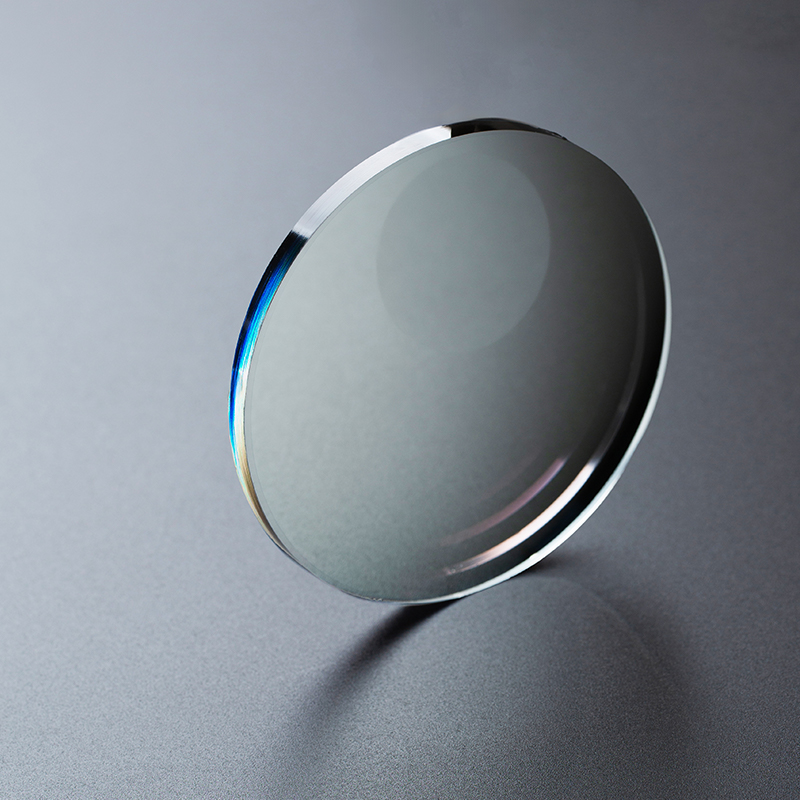 1.56 Photo Grey,Brown Blue Cut UV420 Round Top,Flat Top Invisible Bifocal UC,HC,HMC,SHMC
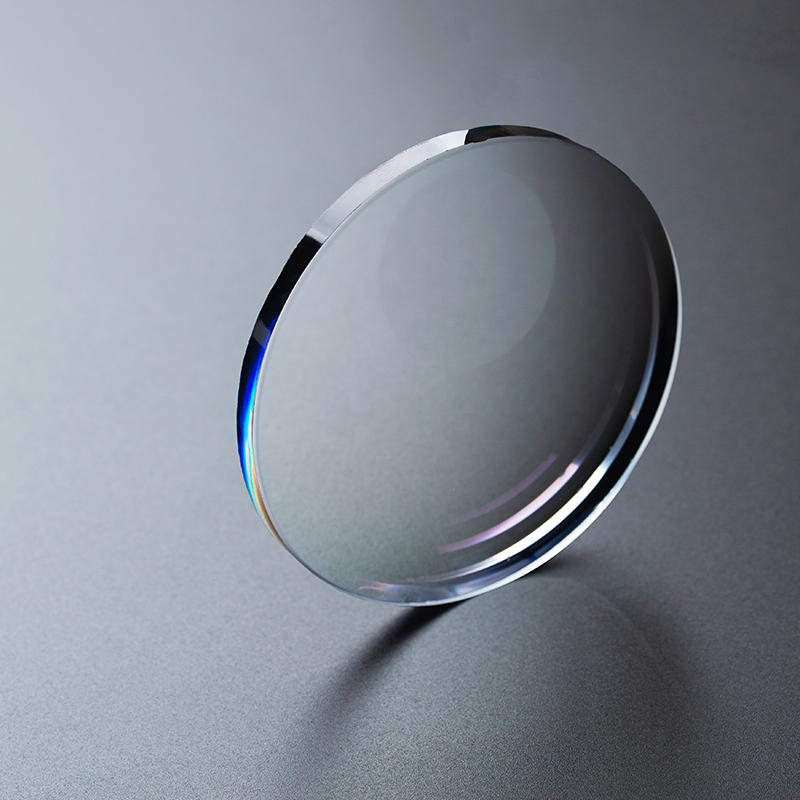 1.499,1.56,1.61,1.67,1.74 Round Top,Flat Top Invisible Bifocal UC,HC,HMC,SHMC
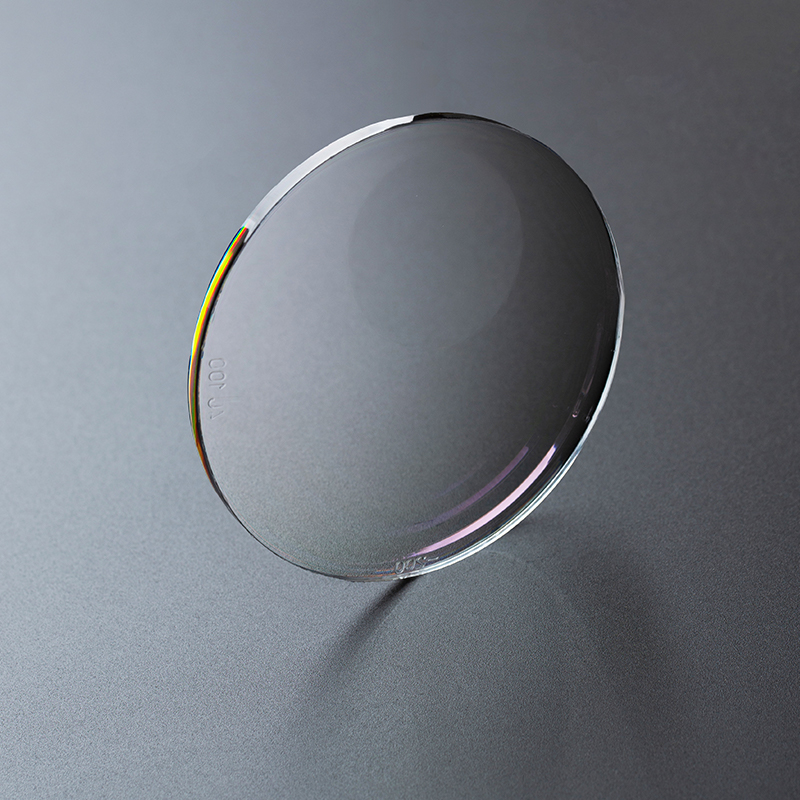 1.591 PC Polycarbonate Round Top,Flat Top, Invisible Bifocal UC,HC,HMC,SHMC
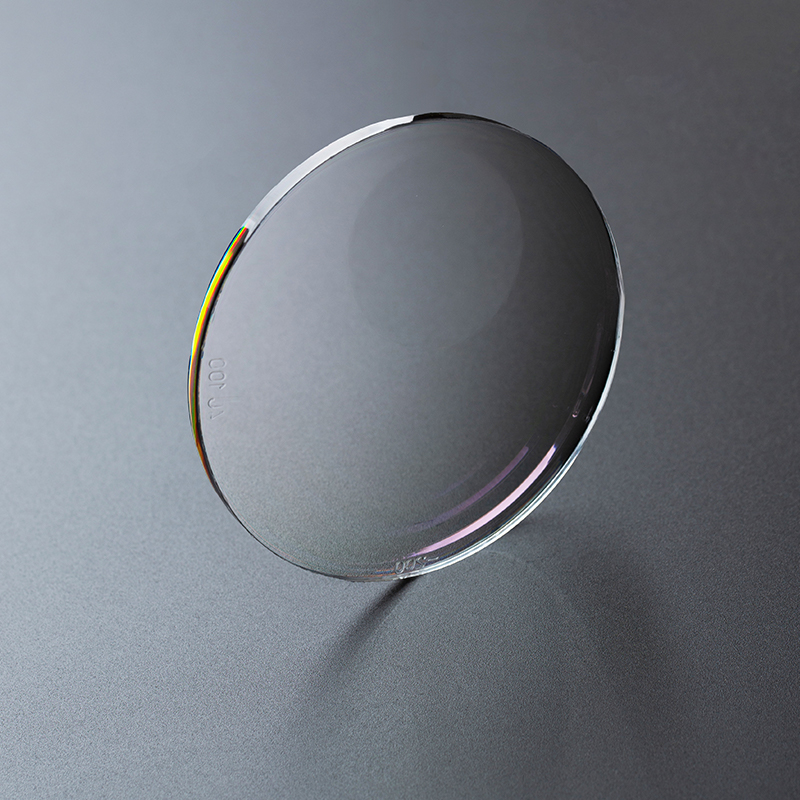 1.591 PC Polycarbonate Round Top,Flat Top, Invisible Bifocal UC,HC,HMC,SHMC
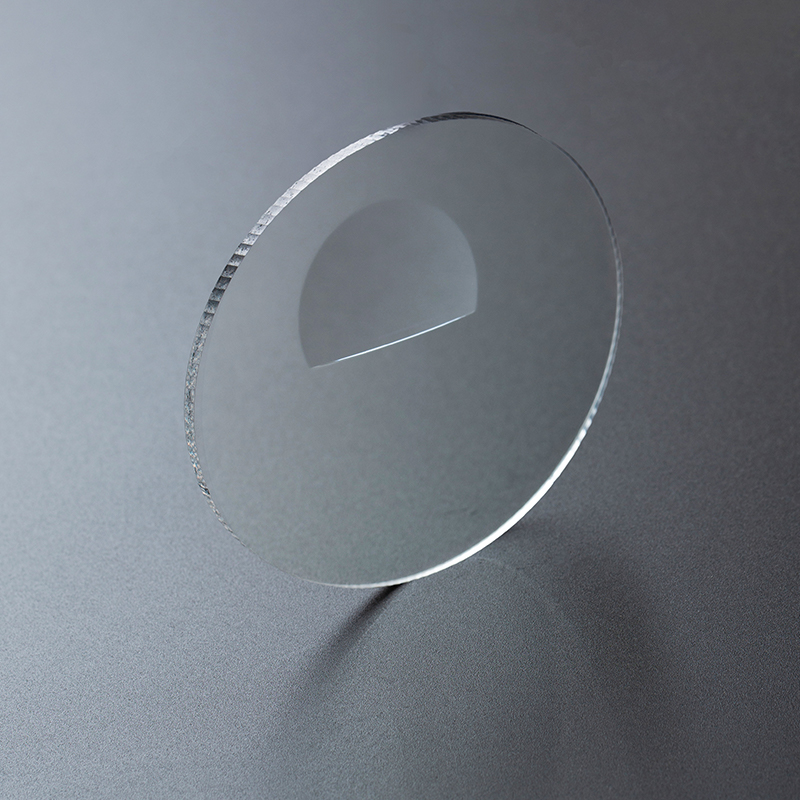 1.56 Photo Grey,Brown Round Top,Flat Top Invisible Bifocal UC,HC,HMC,SHMC
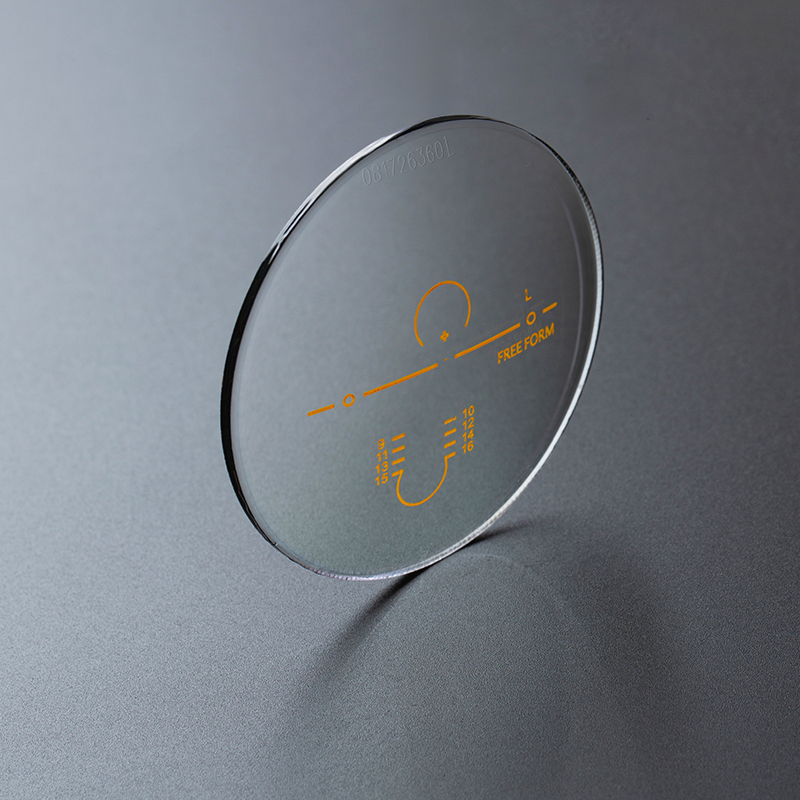 1.56 Beauty Thin Round Top,Flat Top Invisible Bifocal UC,HC,HMC,SHMC
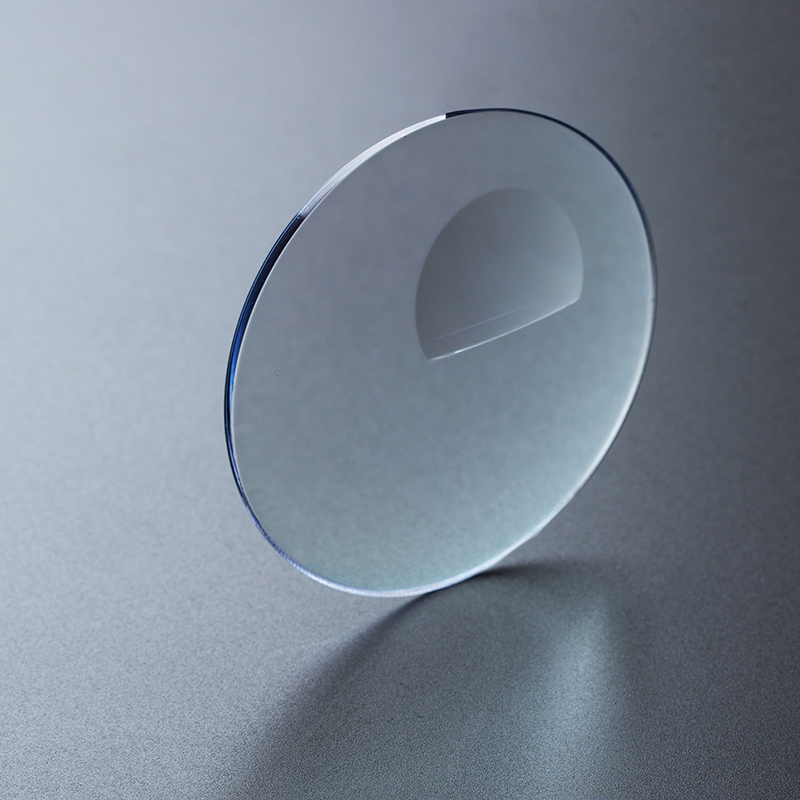 1.56 Round Top,Flat Top Invisible Bifocal UC,HC,HMC,SHMC
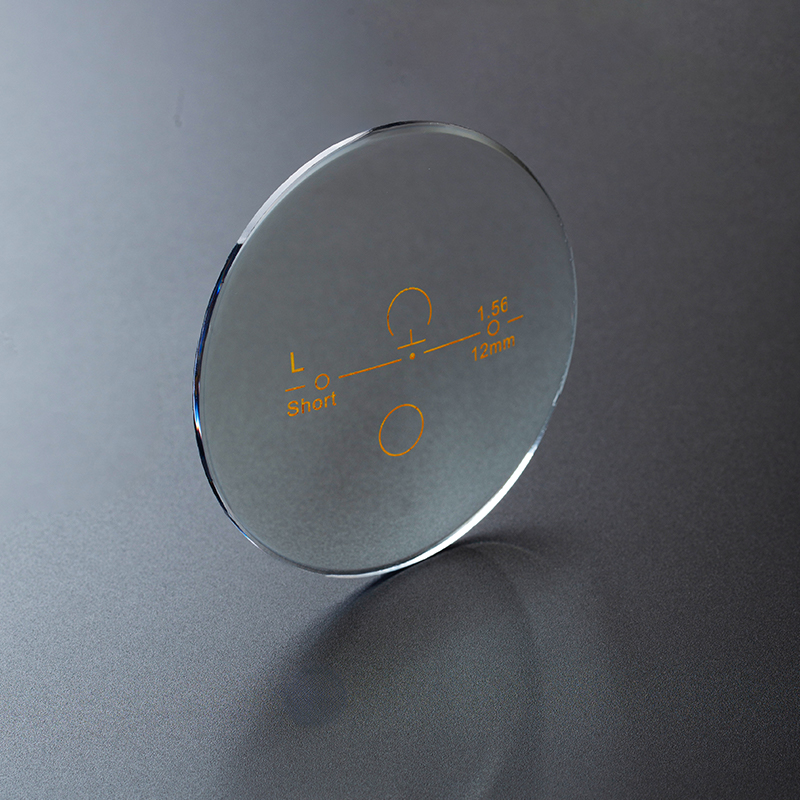 1.56 Anti-Fatigue UC,HC,HMC,SHMC
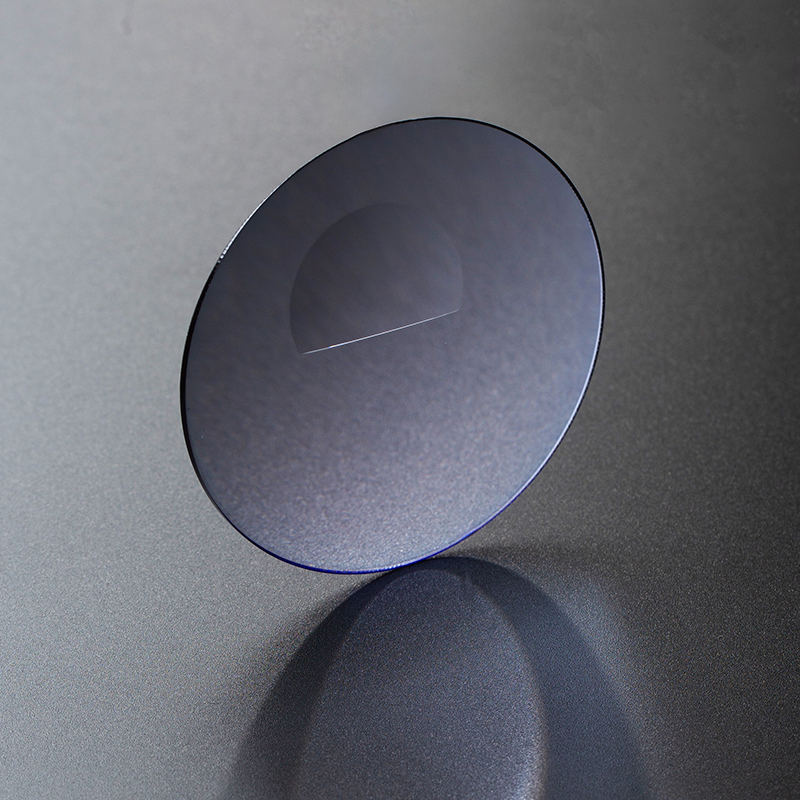 1.499,1.56,1.61,1.67,1.74 Tinted Progressive UC,HC,HMC,SHMC
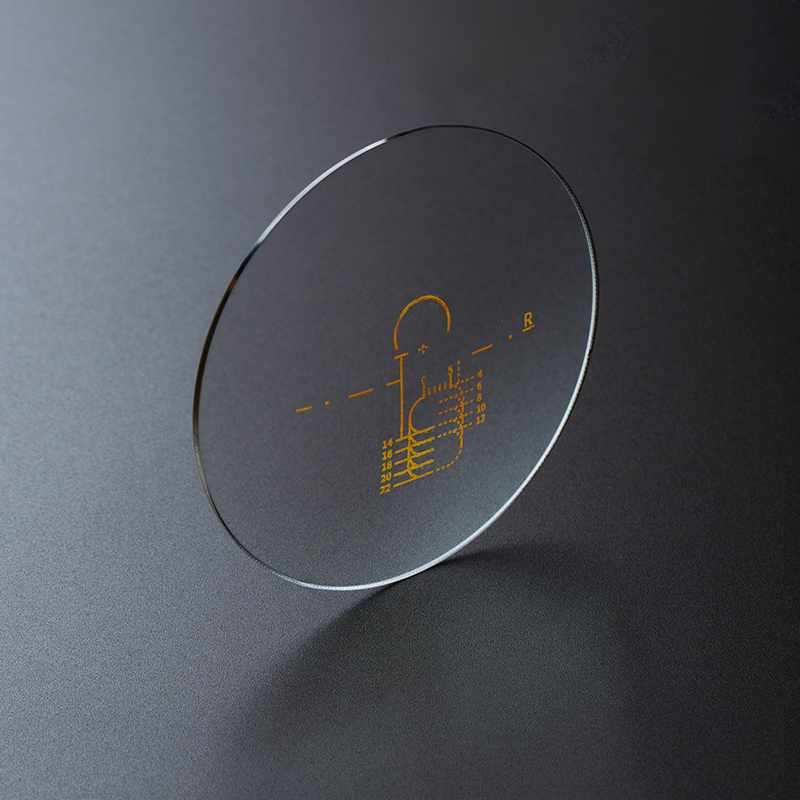 1.499,1.56,1.61,1.67,1.74 Photo grey, Purple,Pink,Blue Progressive UC,HC,HMC,SHMC
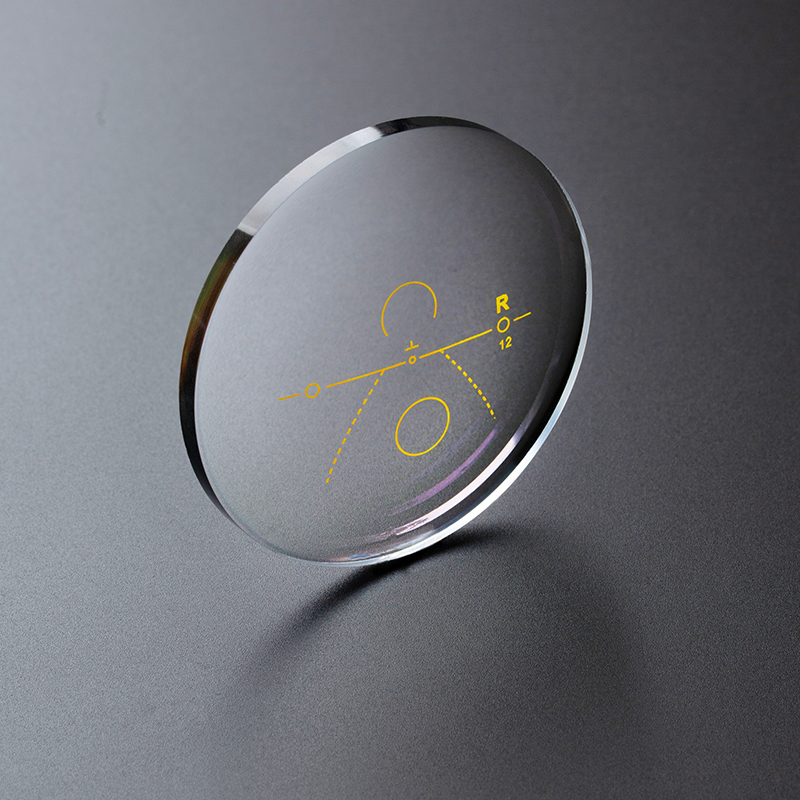 1.56 Progressive UC,HC,HMC,SHMC
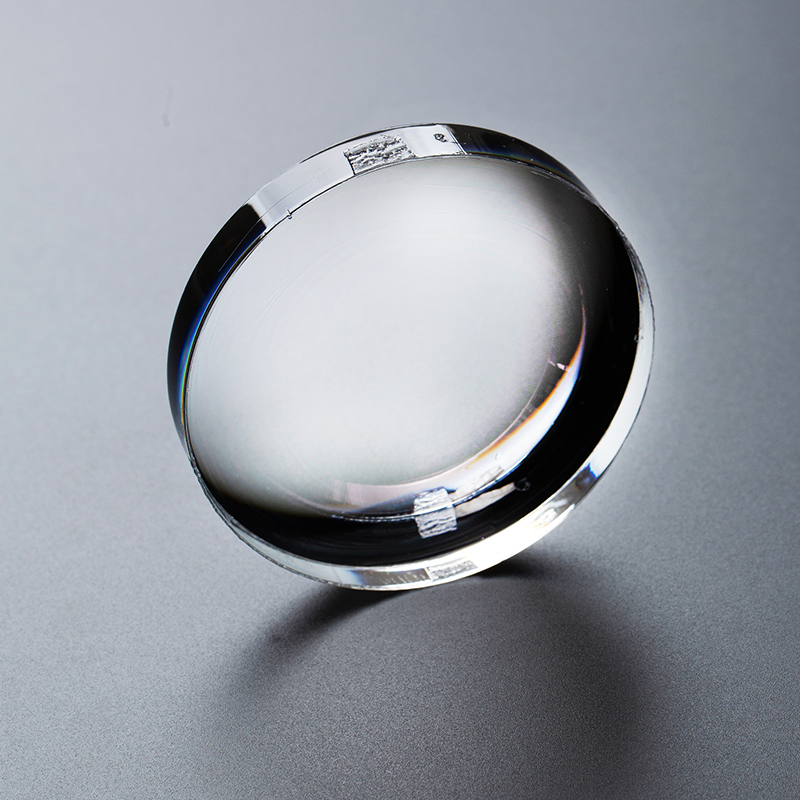 1.591 PC Polycarbonate Single Vision UC,HC,HMC,SHMC
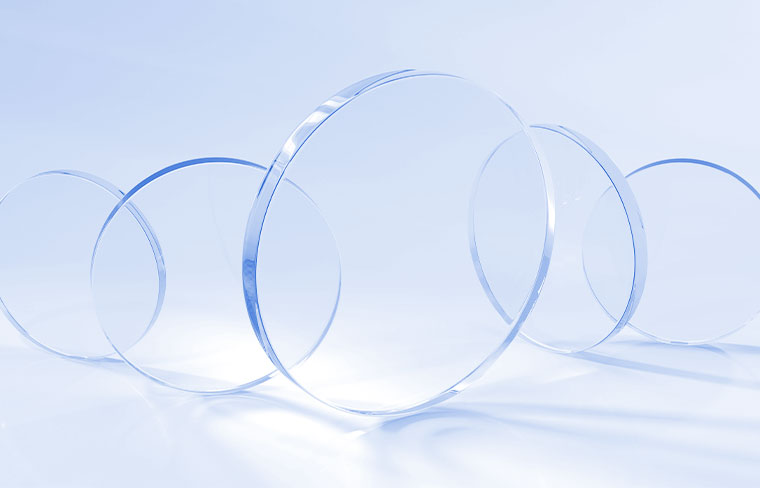
Optical lenses are the core component of vision correction and optical performance, designed to precisely control the way light enters the eyes. Our optical lenses are manufactured using carefully selected raw materials and advanced surfacing technology to ensure stable refractive accuracy, high transparency, and long-term durability.
Available in a wide range of refractive indexes, these lenses can meet different prescription needs, from standard vision correction to customized solutions. Multi-layer coating options help enhance visual comfort by reducing glare, improving scratch resistance, and minimizing reflections under various lighting conditions.
Our manufacturing capability covers a comprehensive range of optical lens solutions, including normal clear lenses, blue cut lenses for digital use, anti-fatigue lenses for prolonged near work, and anti-fog lenses for humid or temperature-changing environments. We also produce photochromic lenses using both spin and dip coating technologies, myopia control lenses for vision management, as well as semi-finished lenses and lens blanks for laboratory processing. In addition, RX lenses, polycarbonate (PC) lenses, driving lenses, and sun lenses are available to meet diverse optical, functional, and market-specific requirements.

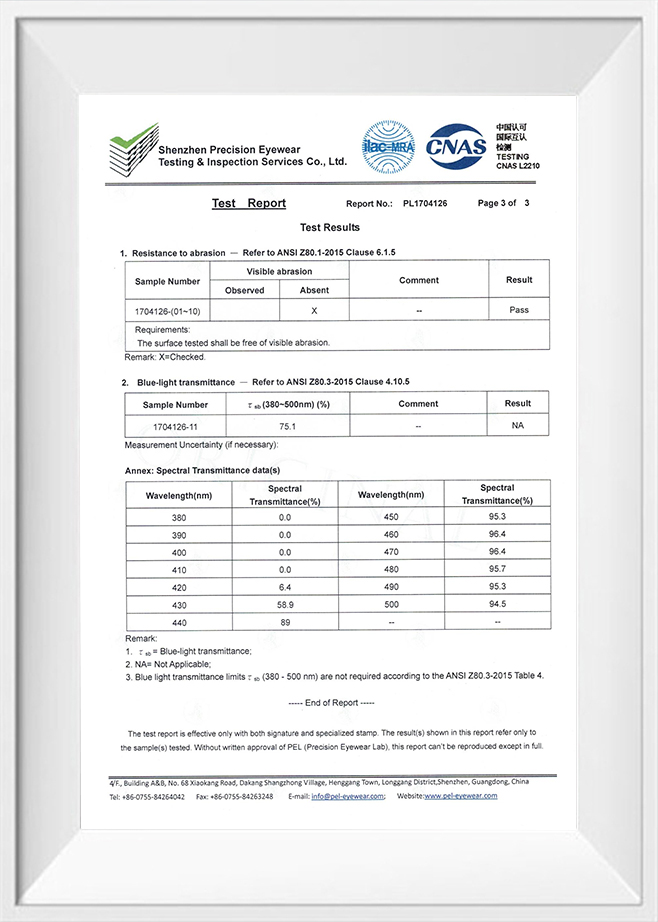
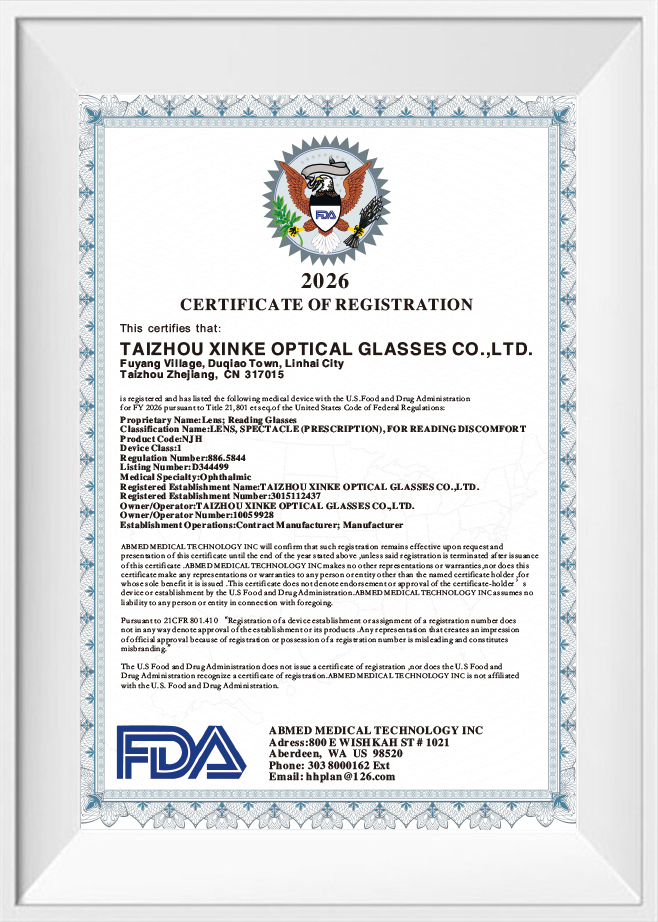
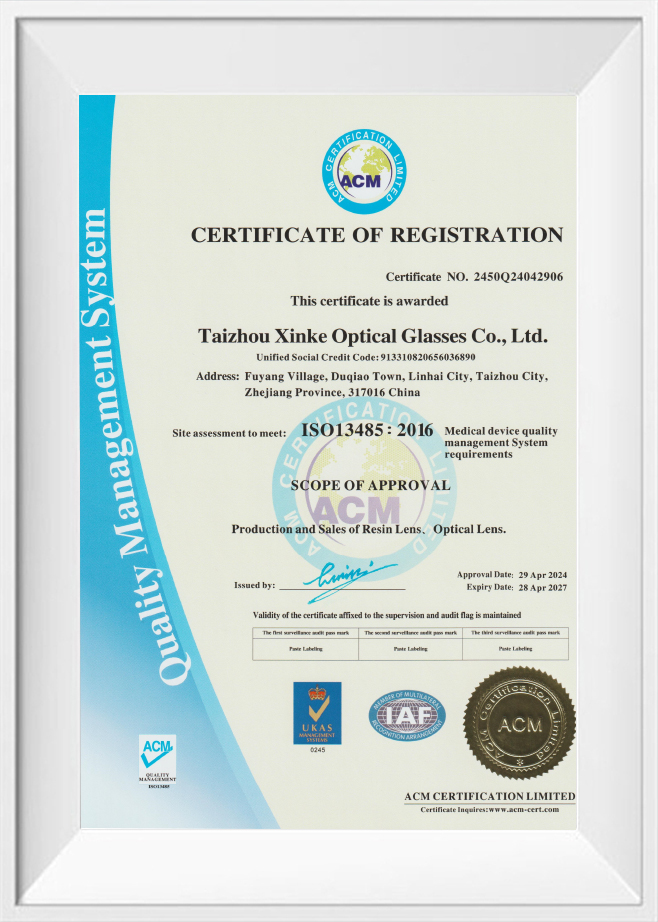
What are the features and limitations of Anti-Blue Light Lenses? Anti-blue light lenses are designed to filter part of t...
READ MOREWhy are Blue Cut With Photochromic Lenses so well-received? Blue cut with photochromic lenses combines two functional te...
READ MOREBlue light lenses are designed to reduce eye strain caused by exposure to digital screens, but how can you make sure you...
READ MOREPhotochromic lenses are typically made from high-quality plastic, polycarbonate, or glass with embedded photochromic mol...
READ MOREModern optical lenses often feature specialized coatings that enhance performance. Anti-reflective coatings reduce glare and increase light transmission, while protective coatings improve scratch resistance and durability. These treatments allow the lenses to perform reliably in demanding environments.
With continuous advancements in optical engineering and manufacturing technology, optical lenses play an essential role in fields such as photography, healthcare, scientific research, consumer electronics, and industrial inspection. Their precision and versatility make them indispensable components in many modern optical and imaging systems.
Single-Vision Lenses:
Designed for one specific purpose: either near vision, intermediate vision, or distance vision.
The lens provides a consistent prescription across the entire lens.
Ideal for individuals with a single vision correction need, such as nearsightedness or farsightedness.
Simple, affordable, and effective for individuals who only require one focal point.
Multifocal Lenses:
Designed to correct multiple vision needs, such as near, intermediate, and distance vision.
Include bifocal, trifocal, and progressive lenses.
Bifocals have two distinct areas: one for near and one for distance vision.
Trifocals have three distinct zones for near, intermediate, and distance vision.
Progressive lenses offer a gradual transition between different focal points without visible lines.
More complex design but offers greater flexibility, reducing the need for multiple pairs of glasses.
Optical Lenses: What Are the Advantages of Progressive Lenses Compared to Bifocal or Trifocal Lenses?
Seamless Vision:
Progressive lenses provide a smooth transition between different focal lengths, making them more natural to wear.
Unlike bifocals and trifocals, there are no visible lines, which can be aesthetically pleasing.
Clear Vision at All Distances:
Progressive lenses allow for clear vision across near, intermediate, and distance ranges without the need for multiple lenses.
Less Disruptive Transition:
Bifocal and trifocal lenses can cause abrupt transitions between different prescriptions, whereas progressives offer a more continuous change, reducing eye strain and discomfort.
Better for Aesthetics:
The absence of lines makes progressive lenses more attractive and less noticeable than traditional bifocals or trifocals.
Versatility:
Progressive lenses are suitable for people with presbyopia who require vision correction for multiple distances.
Lightweight Materials:
Materials like polycarbonate and high-index plastics are lighter than traditional glass lenses, which can make glasses more comfortable to wear, especially for extended periods.
Thinner Lenses:
High-index lenses are thinner than standard lenses, reducing the bulkiness of the glasses and improving overall comfort.
Impact Resistance:
Polycarbonate and Trivex lenses are more durable and resistant to impact, which makes them a comfortable choice for active individuals or children.Comfort for Long Wear:
Lighter and thinner lenses exert less pressure on the nose and ears, providing more comfort for those who wear glasses for many hours.
Customization:
Different materials offer options for customizing the weight and thickness of the lenses based on the wearer's preferences and needs.
Improved Clarity:
Anti-reflective coatings reduce glare from screens, headlights, and other light sources, enhancing clarity and comfort when wearing glasses.
Better Visual Experience:
By reducing reflections, these coatings allow more light to pass through the lens, providing a sharper and clearer image.
Aesthetic Appeal:
The coating makes the lenses appear clearer, enhancing the overall appearance of the glasses by reflections and making the lenses less noticeable.
Protection Against Scratches:
Many anti-reflective coatings are combined with scratch-resistant layers, increasing the durability of the lenses.
Reduced Eye Strain:
By glare, anti-reflective coatings help reduce eye strain, especially for people who spend significant time using digital devices or driving at night.
Contact
Let’s Work Together
© Thinkey Optical Co.,Ltd.
Quick Links
Stay In Touch
Address:
611# Paimen Road DuQiao Town Linhai City Zhejiang China.
Phone:
0086-13788990737
Email:
Website

OEM Optical Lenses